Haplogroups and Noble Lines Haplogroup R1b1a1b1a1a2c1a3a2 Some Y-chromosome lineages become historically interesting not because they belong to one famous king or one neat national story, but because they keep turning up in the same broad Atlantic-facing world over very long stretches of time. That is the appeal of R1b1a1b1a1a2c1a3a2: a very specific paternal branch nested deep By Sven • 8 min read
Haplogroups and Noble Lines Haplogroup I1a3g Some Y-DNA haplogroups arrive in the record like a fanfare. Others come into view more quietly, by turning up again and again in the graves of men who lived in very different centuries and political worlds. Haplogroup I1a3g belongs to that second category. It is a narrow paternal branch, but By Sven • 8 min read
Haplogroups and Noble Lines Haplogroup I2a1b1a2b1a2b A northern paternal line glimpsed through graves, kingdoms, and one English estate Some Y-DNA haplogroups announce themselves in the record with a grand sweep across continents. Others are more intriguing precisely because they appear as a set of stubborn, recurring traces in particular historical landscapes. Haplogroup I2a1b1a2b1a2b belongs to that By Sven • 9 min read
Haplogroups and Noble Lines Haplogroup R1b1a1b1a1a1c2b1b1 Some Y-chromosome lineages are easy to tell as broad continental stories. Others are more like finding a name scratched into several very different walls and then asking how it got there. Haplogroup R1b1a1b1a1a1c2b1b1 belongs to that second category. It sits inside the wider R1b family, one of the major paternal By Sven • 7 min read
Haplogroups and Noble Lines Haplogroup J2a1a2b2a2b2a2b Some Y-chromosome lineages arrive in the historical record with trumpets and banners; others appear more obliquely, through a burial, a battlefield, or a family seat remembered long after its walls have fallen. Haplogroup J2a1a2b2a2b2a2b belongs to one of those lineages best approached with a mixture of curiosity and restraint. It By Sven • 8 min read
Haplogroups and Noble Lines Haplogroup I1a4a Some Y-chromosome lineages announce themselves with a fanfare of famous dynasties or textbook migrations. Haplogroup I1a4a is more interesting in a quieter, more archaeological way. Its story emerges not from one single kingdom or one neat ethnic label, but from a scatter of men buried across northern Europe and beyond: By Sven • 8 min read
Haplogroups and Noble Lines Haplogroup R1b1a1b1a1a2c1a1f1a2 There is something wonderfully humbling about a Y-DNA label as long as R1b1a1b1a1a2c1a1f1a2. It looks less like history and more like a railway timetable gone wrong. But behind that string lies a very human story: fathers and sons, migrations and settlements, war bands and farmsteads, and the slow persistence of By Sven • 8 min read
Haplogroups and Noble Lines Haplogroup R1b1a1b1a1a2c1a5a1a Some Y-chromosome lineages are historically interesting because they are large and well known. Others are interesting because they are so specific that they force us to be careful. Haplogroup R1b1a1b1a1a2c1a5a1a belongs firmly in that second category. It is a very narrow branch within the wider R1b family, one of the By Sven • 8 min read
Haplogroups and Noble Lines Haplogroup R1b1a1b1a1a2c1a5b1a1a2a1 Some Y-DNA haplogroups arrive with a grand public reputation. Others hide in the undergrowth of the family tree, known mainly through specialist databases, careful testing, and the occasional ancient burial that suddenly gives them a human face. Haplogroup R1b1a1b1a1a2c1a5b1a1a2a1 belongs to that second category: an extremely specific paternal branch whose By Sven • 8 min read
Haplogroups and Noble Lines Haplogroup I2a1a1b1a1b2 A paternal line glimpsed across Europe Some Y-DNA haplogroups announce themselves with famous royal studies or heavily debated origin stories. Haplogroup I2a1a1b1a1b2 is more interesting in a quieter, more archaeological way. It appears here not as a slogan for a nation or a tribe, but as a line that surfaces By Sven • 7 min read
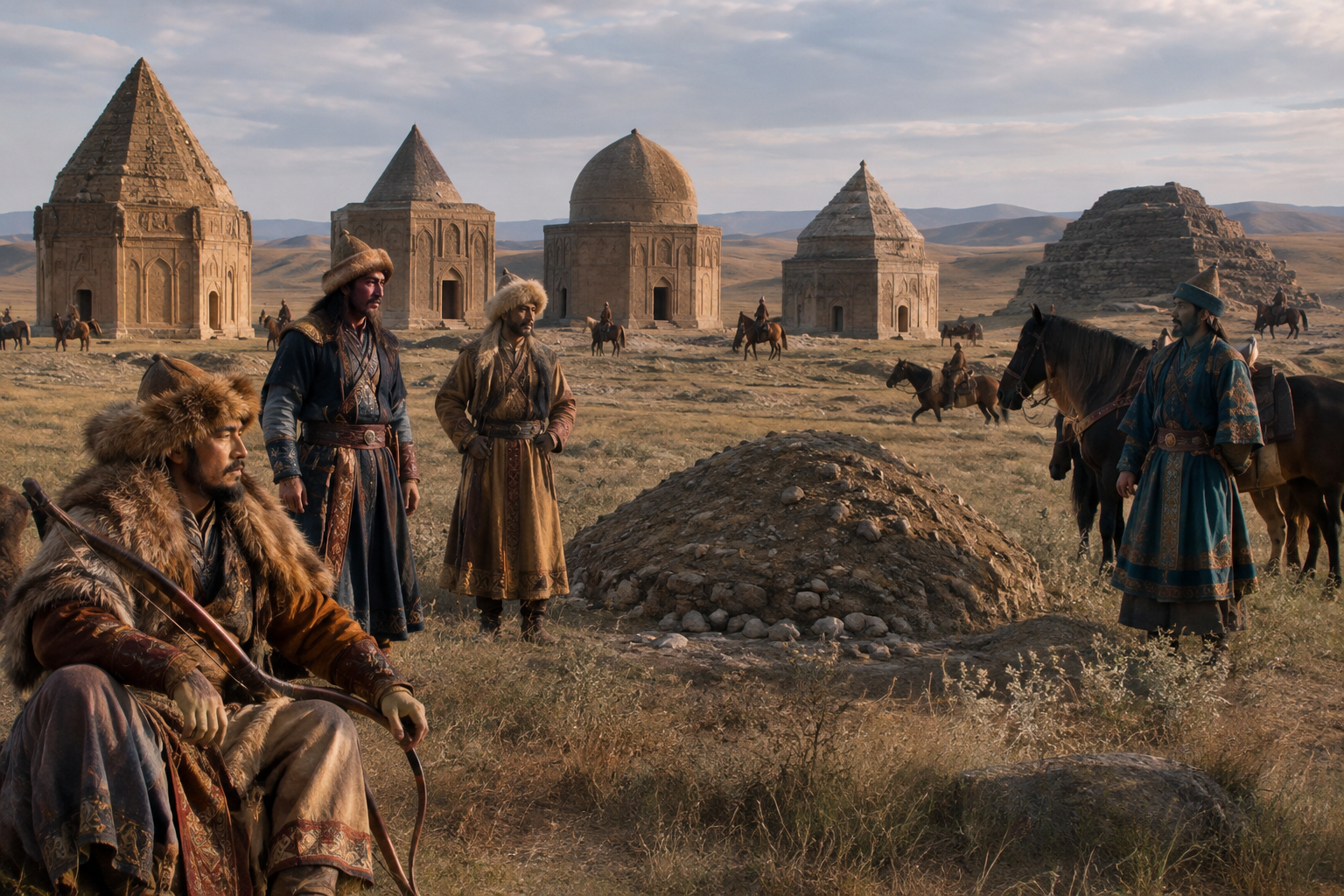
Haplogroups and Noble Lines Haplogroup C2a1a3a1 Some Y-chromosome lineages are easiest to understand in a village churchyard or a medieval castle. Haplogroup C2a1a3a1 is not one of them. Its story belongs, more fittingly, to the long belt of Eurasia where mounted empires rose and fell, where courts could be mobile before they became monumental, and where By Sven • 9 min read
Haplogroups and Noble Lines Haplogroup I1a1b1g3 Some Y-chromosome lineages announce themselves in kings' tombs or famous battles. Others appear in a more interesting way: scattered across graves, ports, monasteries, migration-period cemeteries, and even among the dead of a hospital for leprosy. Haplogroup I1a1b1g3 belongs to that second kind of story. It sits within the wider By Sven • 8 min read
Haplogroups and Noble Lines Haplogroup R1a1a1b1a2b3a Some Y-chromosome lineages appear in history like brief cameos. Others keep turning up in awkwardly fascinating places: a Bronze Age burial in Hungary, Gothic-associated cemeteries in Poland, Avar-period elites in the Carpathian Basin, Piast-era Poland, Viking Age Gotland, and later the Baltic world of noble manors. Haplogroup R1a1a1b1a2b3a belongs to By Sven • 9 min read
Haplogroups and Noble Lines Haplogroup R1b1a1b1a1a2c1a5b1a1a4a Some Y-chromosome lineages are famous because they are broad and common. Others are interesting precisely because they are so narrow. R1b1a1b1a1a2c1a5b1a1a4a belongs to that second category: a very specific paternal branch, one tiny twig on the great Y-DNA tree. That can make it harder to discuss with confidence, but also By Sven • 8 min read
Haplogroups and Noble Lines Haplogroup I2a1a2a1a2 Why I2a1a2a1a2 is such an intriguing paternal line Some Y-DNA haplogroups announce themselves in grand imperial settings. Others turn up somewhere more revealing: in island tombs, chambered cairns, cave burials, and farming communities whose names survive only in archaeology. Haplogroup I2a1a2a1a2 belongs to that second category, and that is precisely By Sven • 9 min read
Haplogroups and Noble Lines Haplogroup I2a1a1a1a1a2 Some Y-chromosome lineages seem to sit quietly in the background of European history until ancient DNA gives them away. Haplogroup I2a1a1a1a1a2 is one of those cases. It belongs to the wider haplogroup I family, an old European paternal lineage, yet this very specific branch only becomes historically interesting when we By Sven • 8 min read
Haplogroups and Noble Lines Haplogroup R1b1a1b1a1a2a3 Why this small branch matters Some Y-DNA haplogroups announce themselves with obvious historical drama. Others, like R1b1a1b1a1a2a3, are more interesting for a different reason: they keep turning up in just enough places, and across just enough centuries, to remind us that paternal history is rarely a neat national story. It By Sven • 9 min read
Haplogroups and Noble Lines Haplogroup R1b1a1b1a1a2c1a5a1 Some Y-DNA haplogroups arrive with trumpets and banners. Others come to us in a more intriguing way: as a very specific branch name, a scattering of ancient burials, and a landscape that keeps returning us to the western edge of Britain and Ireland. Haplogroup R1b1a1b1a1a2c1a5a1 belongs to that second category. By Sven • 8 min read
Haplogroups and Noble Lines Haplogroup R1b1a1b1a1a2c1a1a1a1a1a1a3 Some Y-DNA labels look almost designed to frighten the casual reader, and R1b1a1b1a1a2c1a1a1a1a1a1a3 certainly belongs in that category. But behind the long string of letters and numbers lies something rather human: a direct paternal line, passed from father to son across many generations, sometimes surviving political collapse, language change, conquest, By Sven • 8 min read
Haplogroups and Noble Lines Haplogroup T1a1a1b2b2b1a Some Y-chromosome lineages announce themselves with great armies, famous kings, or tidy national stories. Haplogroup T1a1a1b2b2b1a does not really behave so obligingly. Its interest lies precisely in the opposite: it points us toward ports, crossroads, mixed communities, and the sort of historical movement that written sources often notice only in By Sven • 9 min read
Haplogroups and Noble Lines Haplogroup R1b1a1b1a1a2b4 A paternal line seen across many Europes Some Y-DNA haplogroups seem to sit in one neat historical box. This one does not. R1b1a1b1a1a2b4 appears in a spread of ancient contexts that is far more interesting than any tidy label: Bronze Age central Europe, Iron Age Celtic burials, Roman and post-Roman By Sven • 8 min read
Haplogroups and Noble Lines Haplogroup O1b2a1a1c Some Y-chromosome lineages are famous because they turn up in headline-grabbing royal tombs or in sweeping migration stories across continents. Haplogroup O1b2a1a1c is interesting for a different reason. It belongs to a paternal branch that matters especially in the history of East Asia, and more narrowly in the Japanese archipelago, By Sven • 8 min read
Haplogroups and Noble Lines Haplogroup I2a1b1a1a1a1a Some Y-chromosome lineages are famous because they appear in royal tombs or because they are common enough to sketch broad maps of migration. Others are interesting for a subtler reason: they remind us how much of Europe's paternal history survives in fragments. The haplogroup I2a1b1a1a1a1a belongs in that By Sven • 9 min read
Haplogroups and Noble Lines Haplogroup R1b1a1b1a1a2c1a4b2b1a A Y-chromosome label as long as R1b1a1b1a1a2c1a4b2b1a can look, at first glance, like pure laboratory shorthand. But behind that string sits one of the most human stories in archaeology: fathers, sons, movement, settlement, survival, and the stubborn continuity of male lines across landscapes that changed again and again. In this By Sven • 8 min read