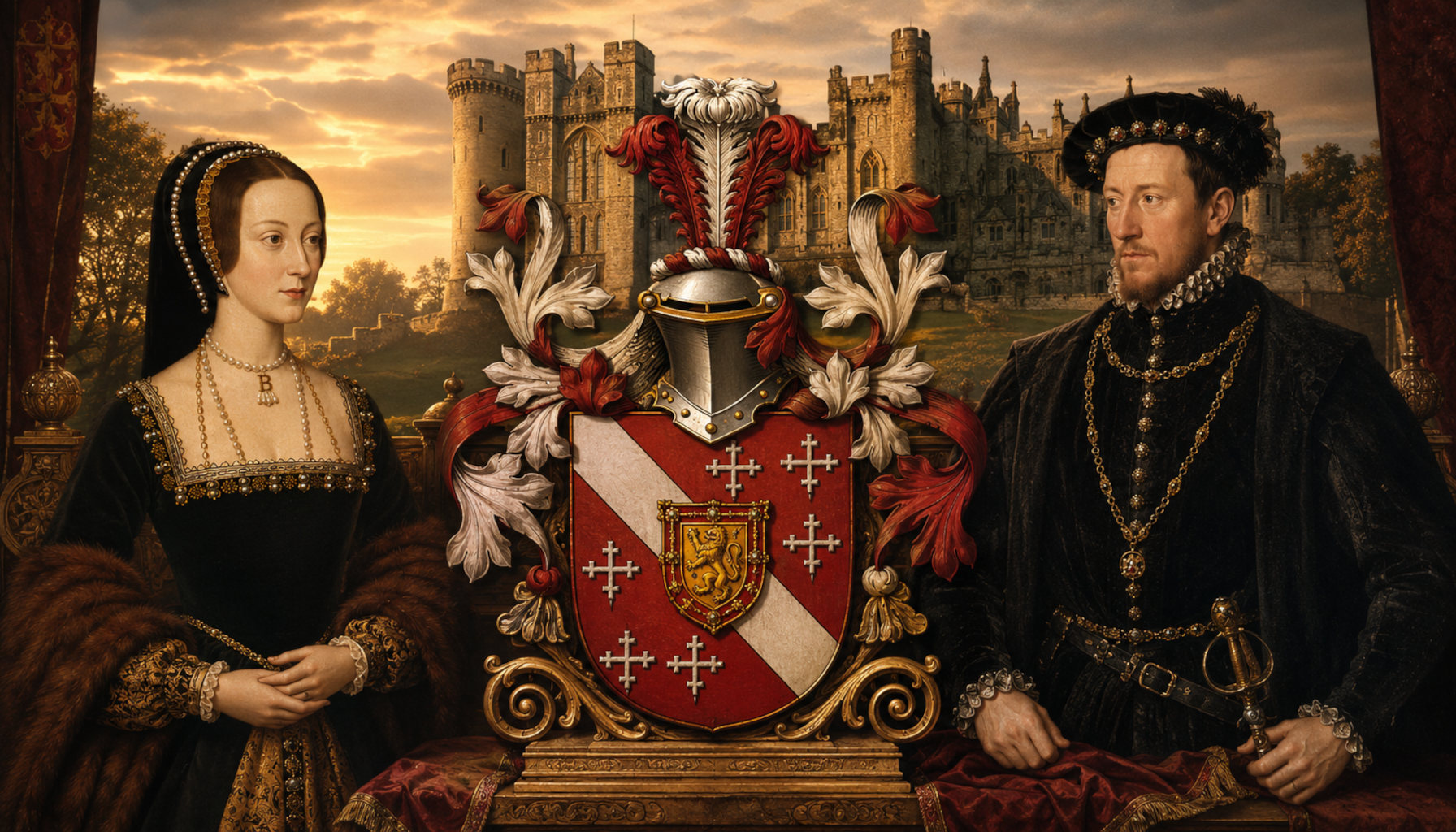
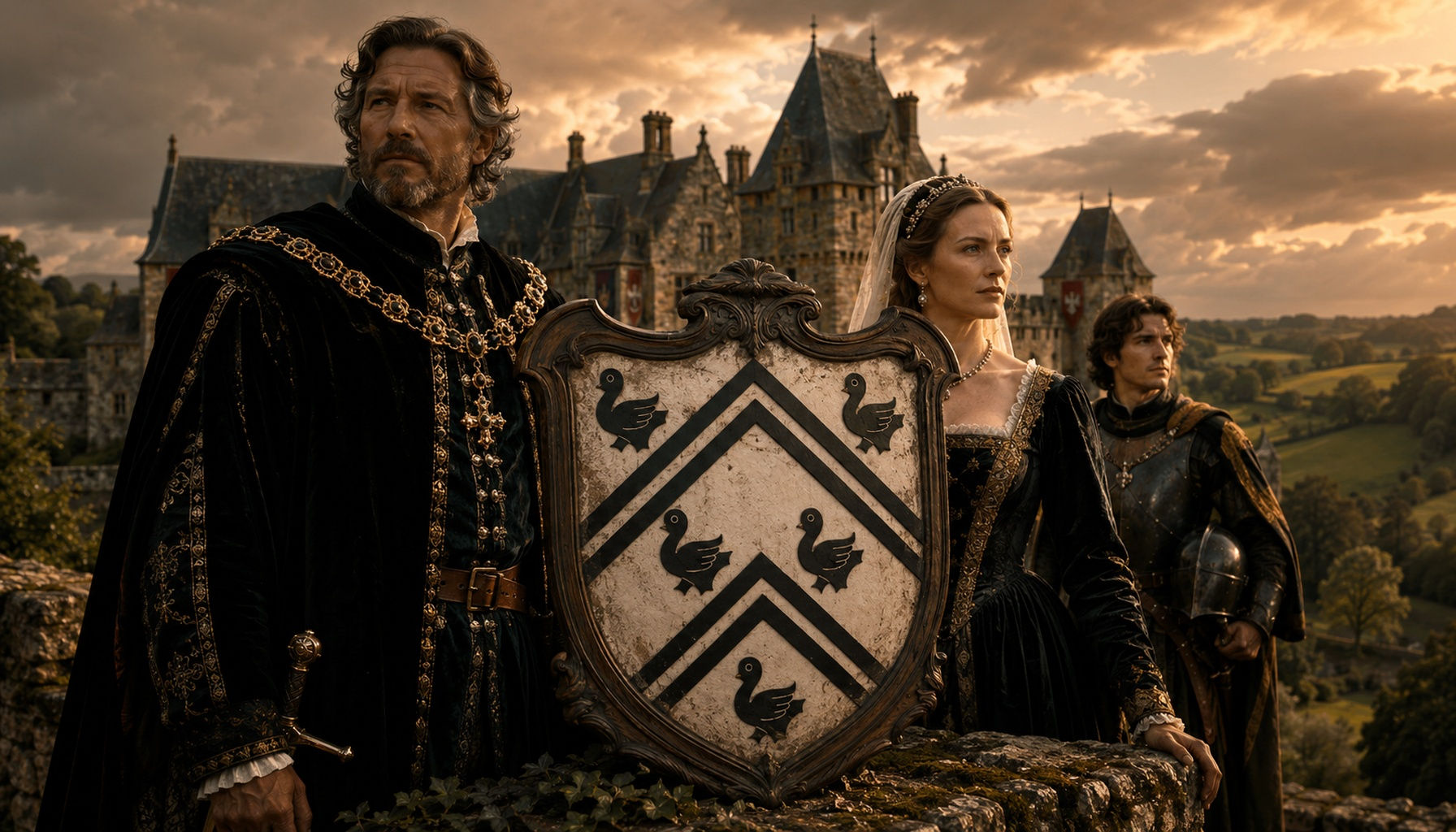
Haplogroups and Noble Lines The Howard Family Who the Howard family was The Howard family was one of the great powerhouses of English noble history, a house of dukes, earls, soldiers, courtiers, and survivors, most famously known as the family of the Dukes of Norfolk and the Earls of Arundel. In haplogroup terms, the primary family line By Sara V • 3 min read
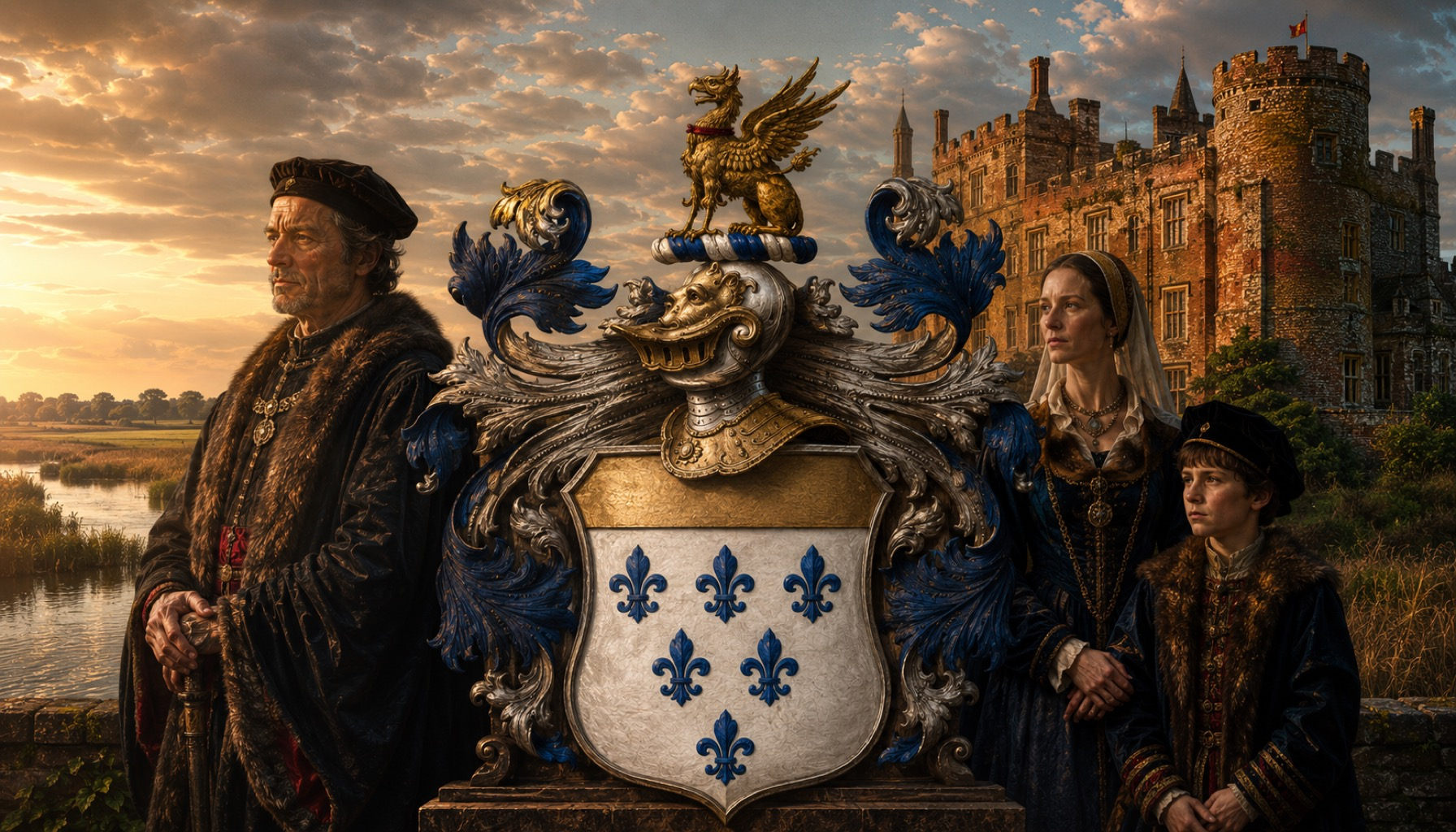
Haplogroups and Noble Lines The Paston Family The Paston Family Who the Pastons were The Paston family were one of the most famous gentry houses of late medieval England, rooted in Norfolk and remembered above all because they left behind something most families did not: their voices. Linked here with the primary family haplogroup I2a1b2a2a2b, the Pastons By Caterina • 3 min read
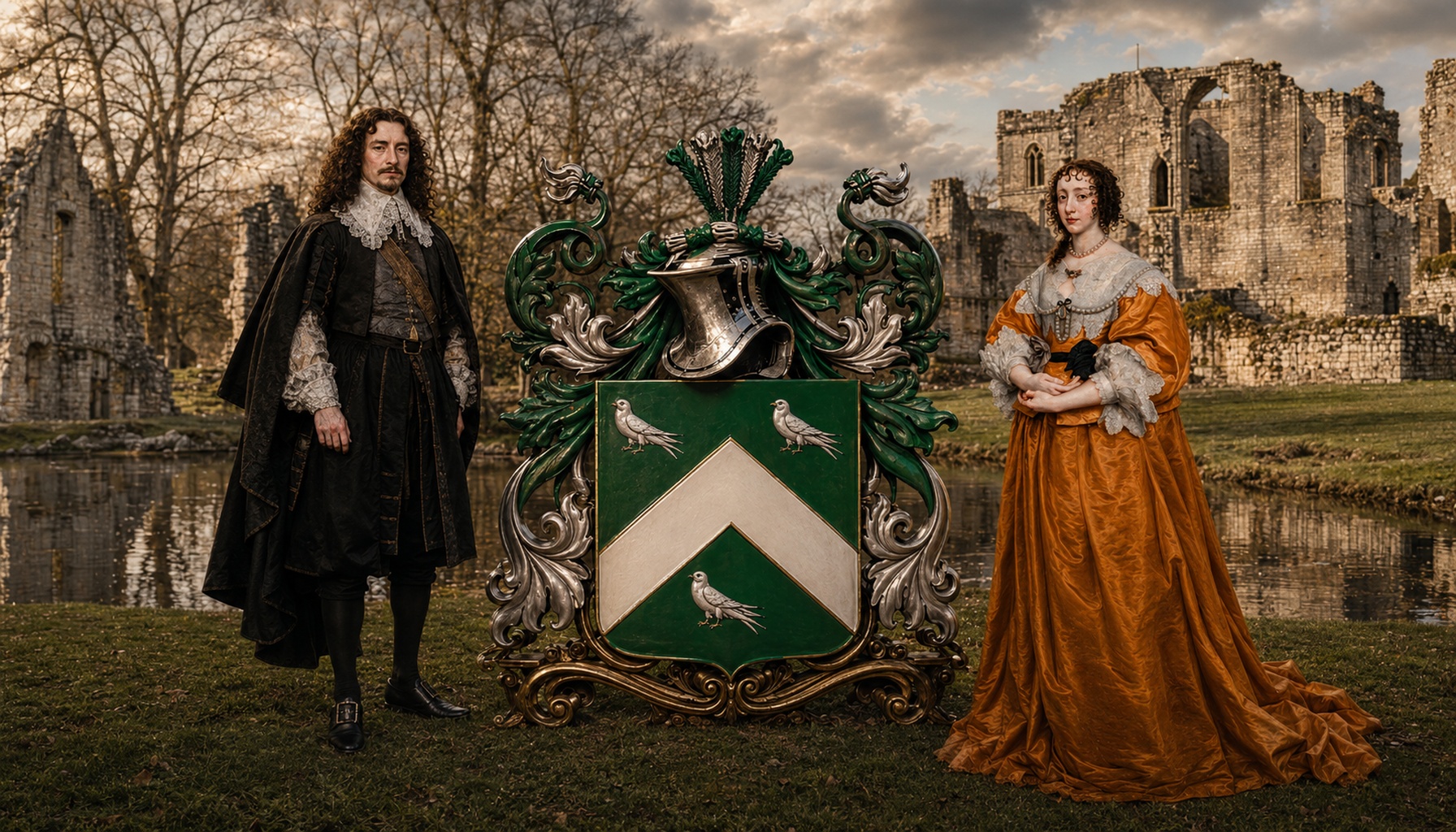
Haplogroups and Noble Lines The Noble House de Saddington The Noble House de Saddington Background The de Saddington family was an English noble and landed house rooted in Leicestershire, its name taken from the village of Saddington itself, in the old heartland of the Midlands. Like many medieval English gentry families, they grew out of place, property, and service: By Sven • 3 min read
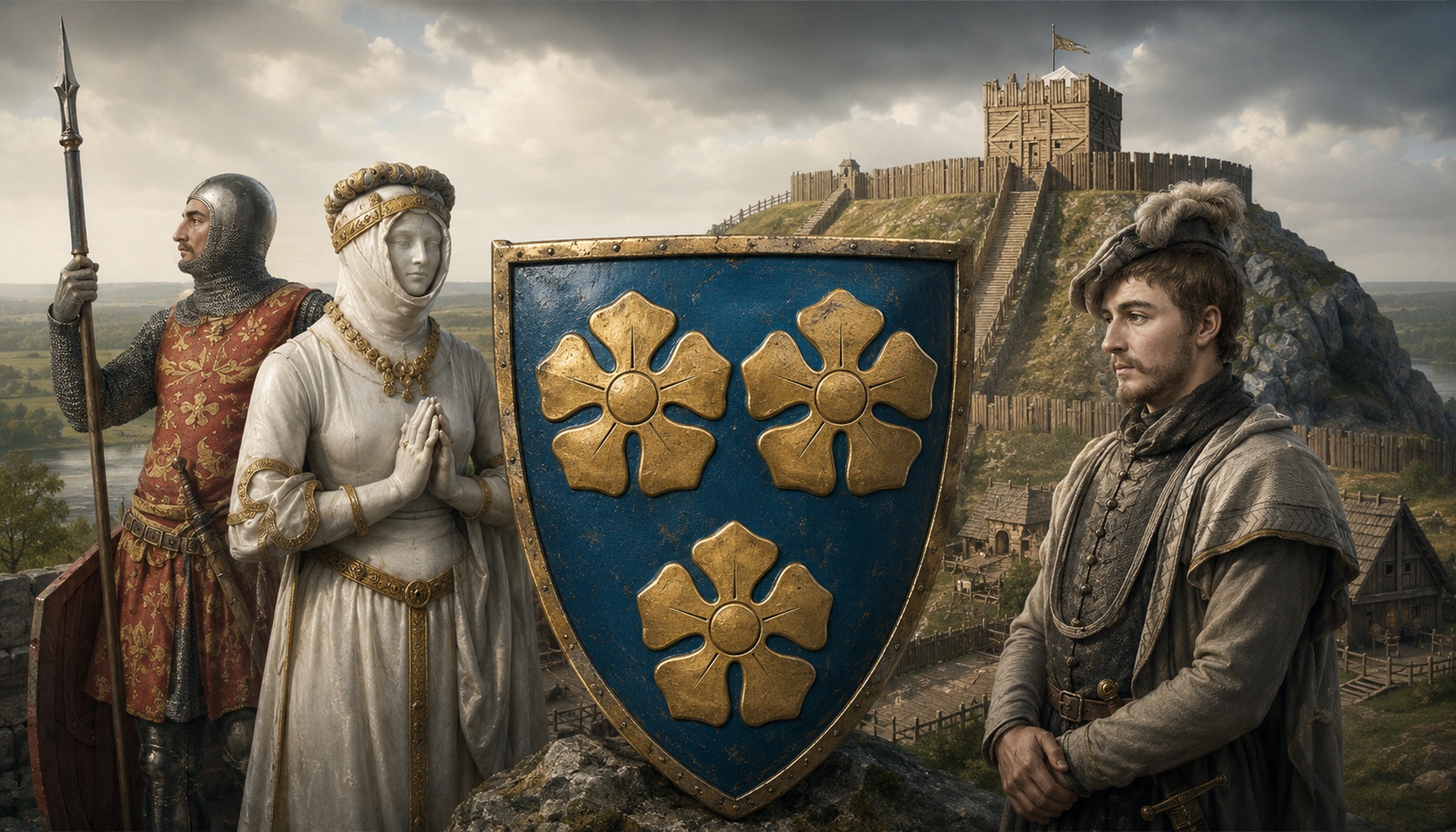
Haplogroups and Noble Lines The Noble House of Bardolf The Noble House of Bardolf Background The Bardolf family were a medieval English baronial house, rooted above all in eastern England and especially in Norfolk, and their story belongs squarely to the hard-edged world of Plantagenet aristocracy. Their linked primary haplogroup here is R1b1a1b1a1a2a1a1, a branch associated in ancient DNA By Caterina • 3 min read
Haplogroups and Noble Lines Clan Armstrong Clan Armstrong Background Clan Armstrong was one of the great riding families of the Scottish Borders, rooted above all in Liddesdale, Eskdale, and the rough frontier country of the western marches between Scotland and England. This was not a polite, courtly landscape. It was a hard border society of watchfulness, By Jamie L • 3 min read
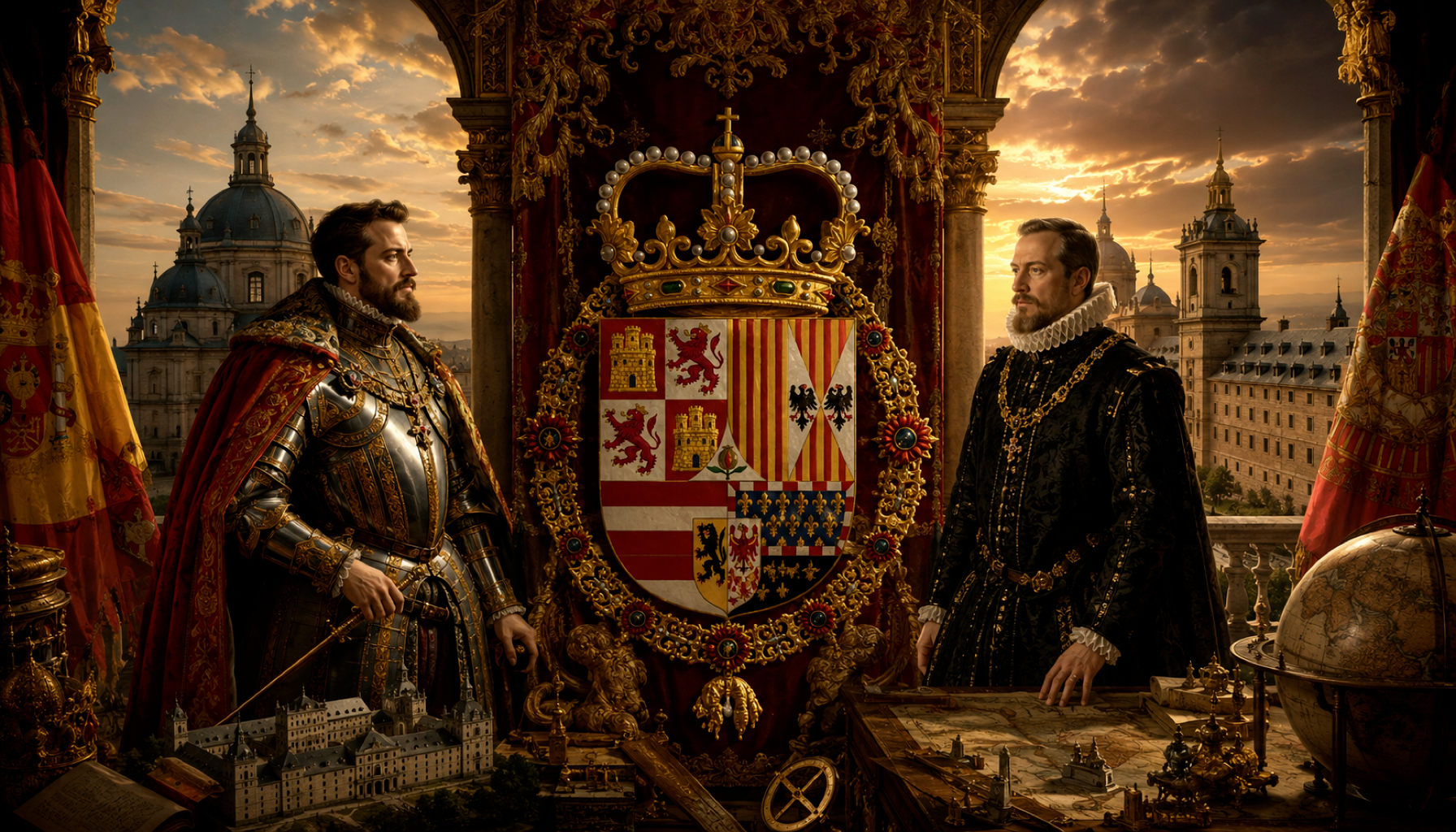
Haplogroups and Noble Lines Spanish Habsburg Spanish Habsburg Background The Spanish Habsburgs were the Spanish ruling branch of the wider House of Habsburg, a dynasty that began in the old Habsburg heartlands of what is now Switzerland and Austria before spreading its power across Europe through shrewd marriages, inheritance, and politics. In Spain, this branch came By Jamie L • 3 min read
Haplogroups and Noble Lines The House of Vauloger Who were the House of Vauloger? The House of Vauloger was a French noble family rooted in provincial lordship, estate continuity, heraldry, and the long memory of landholding society. Their name has all the marks of a place-based lineage, the sort of family identity that grew directly out of a By Sara V • 3 min read
Haplogroups and Noble Lines The Ottonian Dynasty Ottonian Dynasty The Ottonian Dynasty was the great Saxon royal and imperial house that ruled East Francia and then the early Holy Roman Empire in the 10th and early 11th centuries, and it is linked here with the primary paternal haplogroup R1b1a1b1a1a2e1. This was not a family that simply inherited By Sven • 3 min read
Haplogroups and Noble Lines The Imperial House of Japan Imperial House of Japan Background The Imperial House of Japan is the hereditary dynasty of the Japanese emperors, traditionally linked to the ancient Yamato line and often described as the oldest continuing monarchy in the world. Its historical roots lie in the early state-building world of central Japan, especially the By Sven • 2 min read
Haplogroups and Noble Lines The House of Turenne House of Turenne Background The House of Turenne was one of the notable noble lineages of medieval and early modern France, rooted in the viscounty of Turenne in what is now Correze, on the edge of the Limousin and Quercy worlds. This was not merely a family with a title By Jamie L • 3 min read
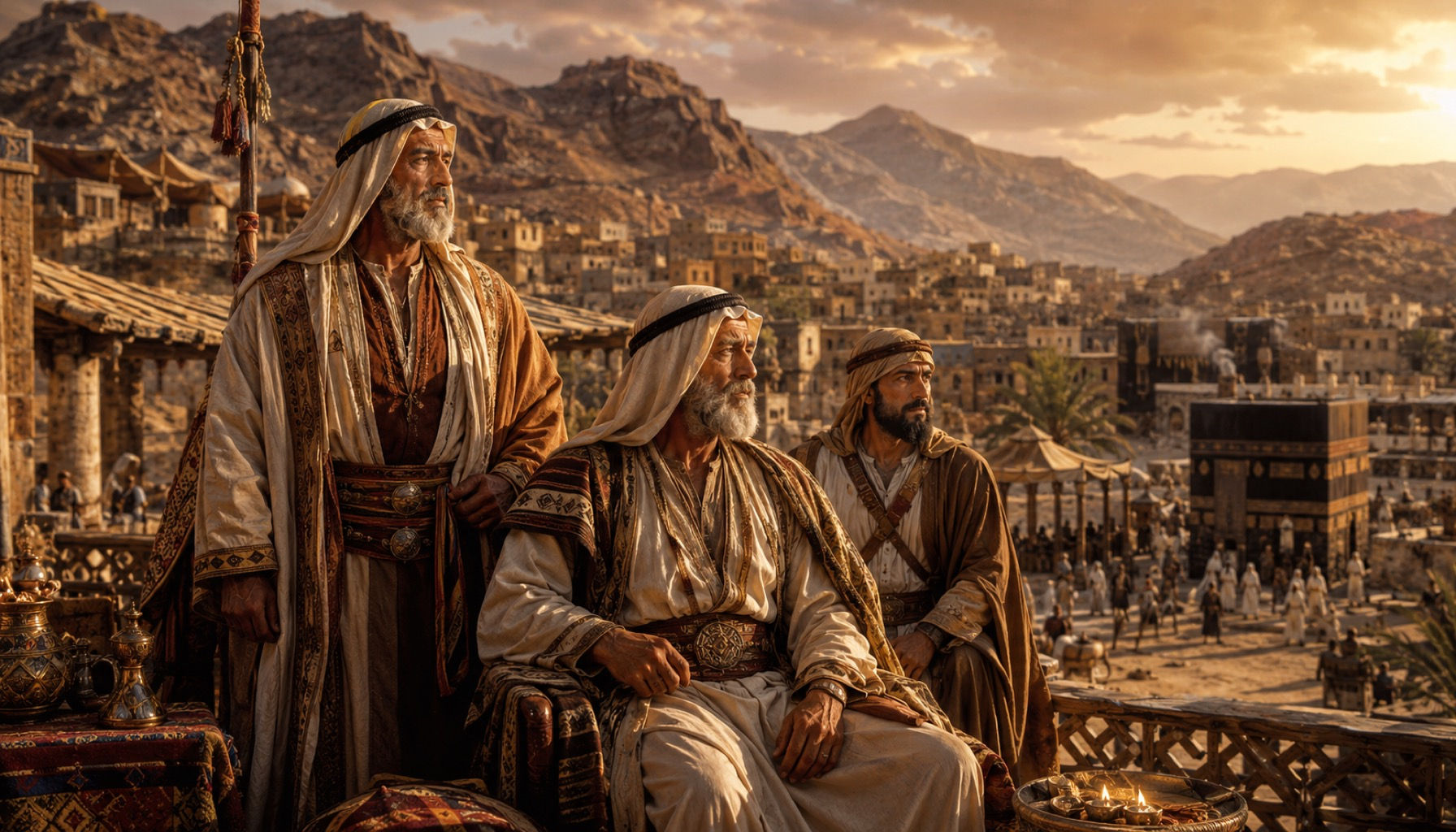
Haplogroups and Noble Lines The Royal House of al-Hashim The Royal House of al-Hashim Background The House of al-Hashim, better known in English as the Hashemites, is one of the most resonant lineages in Islamic history. Traditionally associated with descent from Hashim ibn Abd Manaf and with the family of the Prophet Muhammad, the dynasty emerged from the sacred By Sara V • 3 min read
Haplogroups and Noble Lines The Royal House of Al Falasi Tags: J1a2a1a2d2b2b2c4d2a2a5a1b1a Background The House of Al Falasi is an Arab ruling and tribal lineage tied above all to Dubai and to the wider political history of the Arabian Gulf. Its primary linked haplogroup here is J1a2a1a2d2b2b2c4d2a2a5a1b1a, a branch within a paternal line long associated with parts of the Arabian By Sven • 3 min read
Haplogroups and Noble Lines The House of Villeneuve House of Villeneuve Background The House of Villeneuve was a French noble family of place, service, and memory, rooted in the world of provincial lordship and linked here with the haplogroup tag J2a1a1b1a1a, the primary family haplogroup. The name Villeneuve itself means "new town" or "new estate, By Caterina • 3 min read
Haplogroups and Noble Lines The House of de Lacy Who were the de Lacy family? The House of de Lacy was a formidable Norman and later Anglo-Norman noble family whose story runs through medieval England, the Welsh Marches, and Ireland. Their name came from Lassy, in Normandy, and from that northern French base they were drawn into the great By Caterina • 3 min read
Haplogroups and Noble Lines The House of de Havilland Background The House of de Havilland was a Norman-origin family whose story is most firmly rooted in the Channel Islands, above all Guernsey, and whose wider identity belongs to that fascinating in-between world of sea lanes, loyalties, and legal traditions lying between England and France. The family name preserves that By Sara V • 3 min read
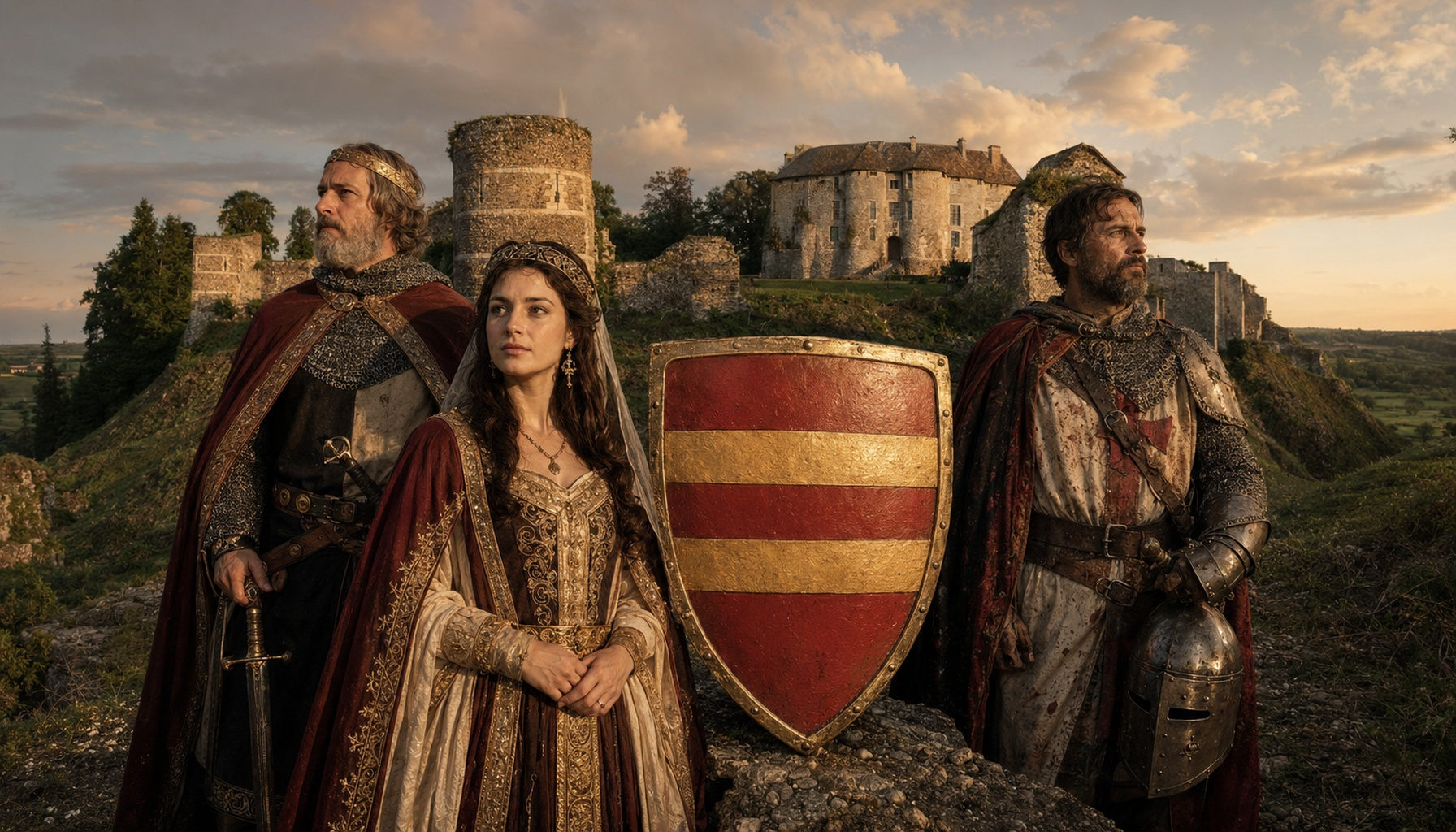
Haplogroups and Noble Lines The House of de Harcourt Who were the de Harcourts? The House of de Harcourt was one of the great noble families of medieval Normandy, rooted in the pays of the Eure and remembered on both sides of the Channel after 1066. Their name came from Harcourt in Normandy, and like so many classic Norman By Sven • 3 min read
Haplogroups and Noble Lines The House of de Crombrugghe The House of de Crombrugghe Background The House of de Crombrugghe was a noble family of the Low Countries, rooted in the old Flemish and later Belgian aristocratic world, and linked here with the primary family haplogroup R1b1a1b1a1a2c1a2a1. Like so many houses of this region, the de Crombrugghes were shaped By Sara V • 3 min read
Haplogroups and Noble Lines The House of de Courcy House of de Courcy Background The House of de Courcy was an Anglo-Norman noble family whose name came from Courcy in Normandy, and whose later story stretched across England and deep into medieval Ireland. Their primary family haplogroup is linked here as I1a1b1a1d2b, a paternal line that adds an intriguing By Jamie L • 2 min read
Haplogroups and Noble Lines The Piast Dynasty The Piast Dynasty Origins and background The Piast Dynasty was the first historic ruling house of Poland, the family that stands at the threshold where tribal power became monarchy, and where early medieval lordship hardened into something recognisably Polish statehood. Their story begins in the lands of Greater Poland, especially By Caterina • 3 min read
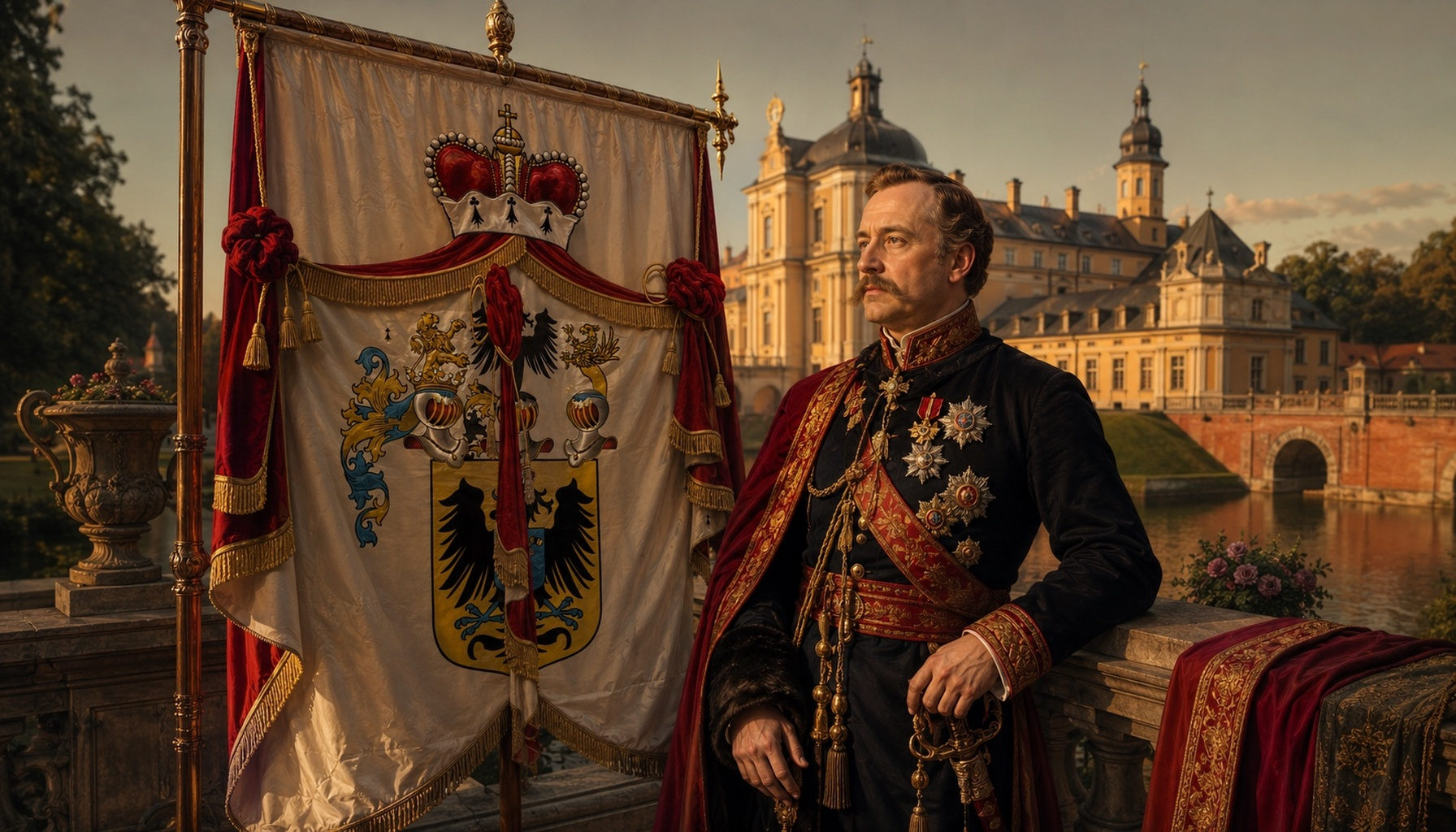
Haplogroups and Noble Lines The Obrenovic Dynasty Obrenovic Dynasty Background The Obrenovic Dynasty was one of the great ruling houses of nineteenth-century Serbia, a family bound up with the hard, uneven making of the modern Serbian state. Emerging from the world of Ottoman provincial rule, local strongmen, peasant rebellion, and Balkan diplomacy, the Obrenovics helped steer Serbia By Jamie L • 3 min read
Haplogroups and Noble Lines The Royal House of Capet Haplogroup: J1a2b1b2c1 The House of Capet was the great foundational royal dynasty of medieval France, the family that began with King Hugh Capet of France and went on to shape the kingdom for centuries. Their roots lay in the heart of West Francia, especially the Ile-de-France and the lands around By Sven • 3 min read
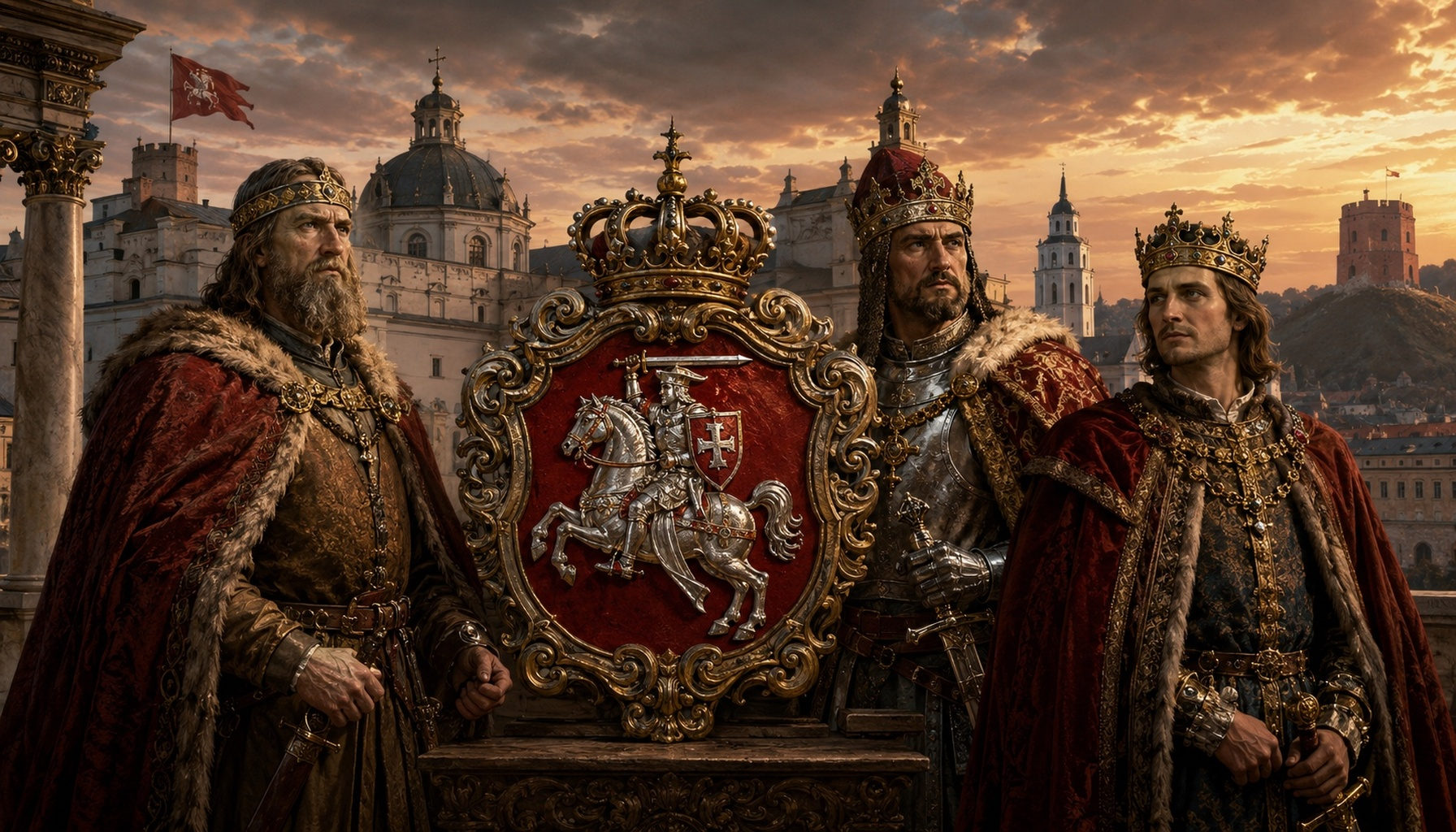
Haplogroups and Noble Lines The Grand Dukes of Lithuania Grand Dukes of Lithuania Background and origins The Grand Dukes of Lithuania were the rulers of a dynasty and political world that grew out of the Baltic heartlands of medieval Lithuania and expanded into one of the largest states in Europe. Their story begins in the forests, river systems, and By Caterina • 3 min read
Haplogroups and Noble Lines House Radziwill House Radziwill Background House Radziwill was one of the great magnate dynasties of the Grand Duchy of Lithuania and later the Polish-Lithuanian Commonwealth, a family whose power rested not on a single castle or office but on an extraordinary web of estates, marriages, military commands, church patronage, and political influence. By Sara V • 3 min read
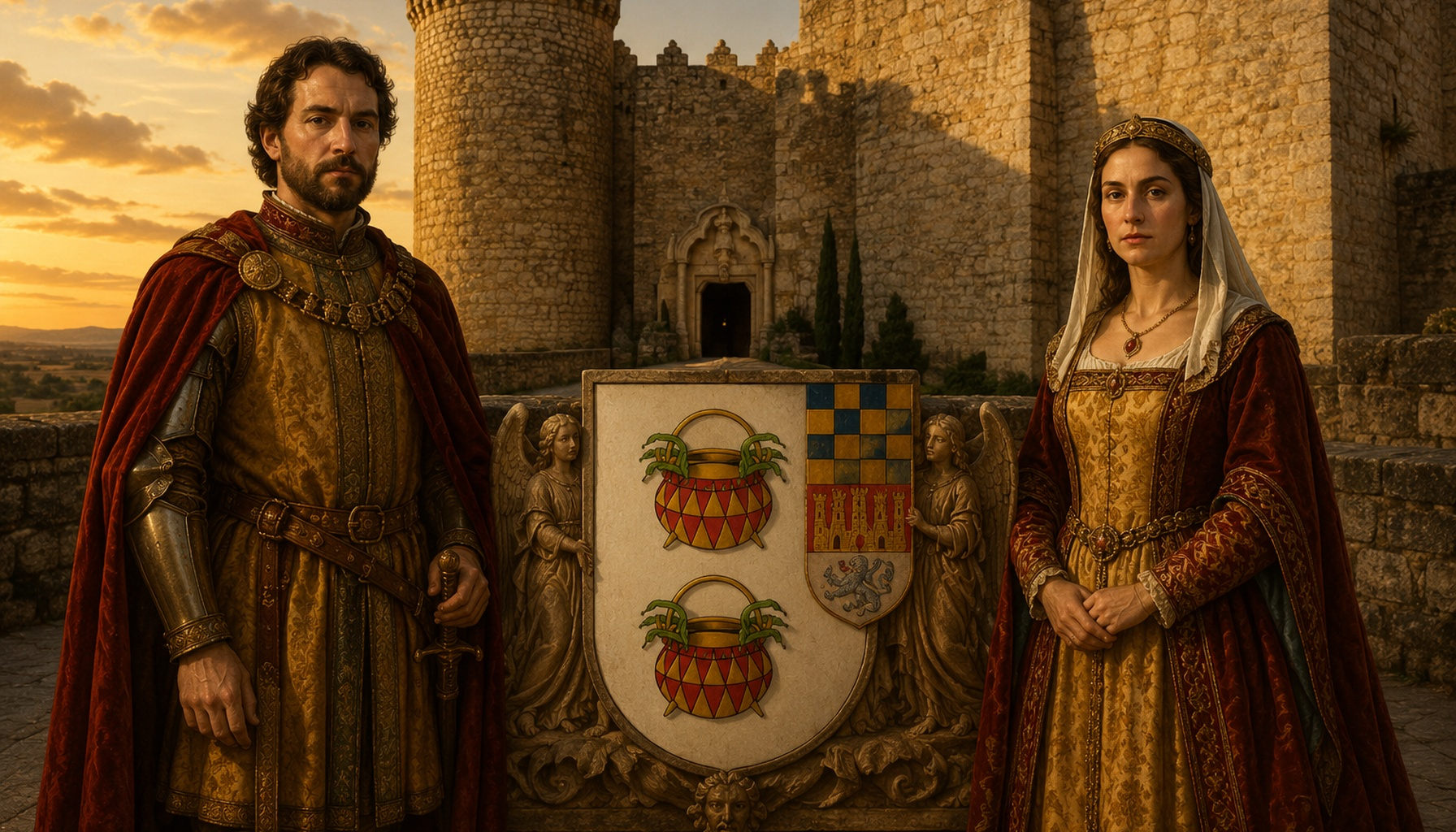
Haplogroups and Noble Lines The Pacheco Family The Pacheco Family Background The Pacheco family was one of the historic noble lineages of Iberia, rooted in the aristocratic worlds of Portugal and Castile and later woven deeply into the political society of Spain and Portugal. In broad historical terms, House Pacheco belongs to that recognisable Iberian pattern: a By Caterina • 3 min read