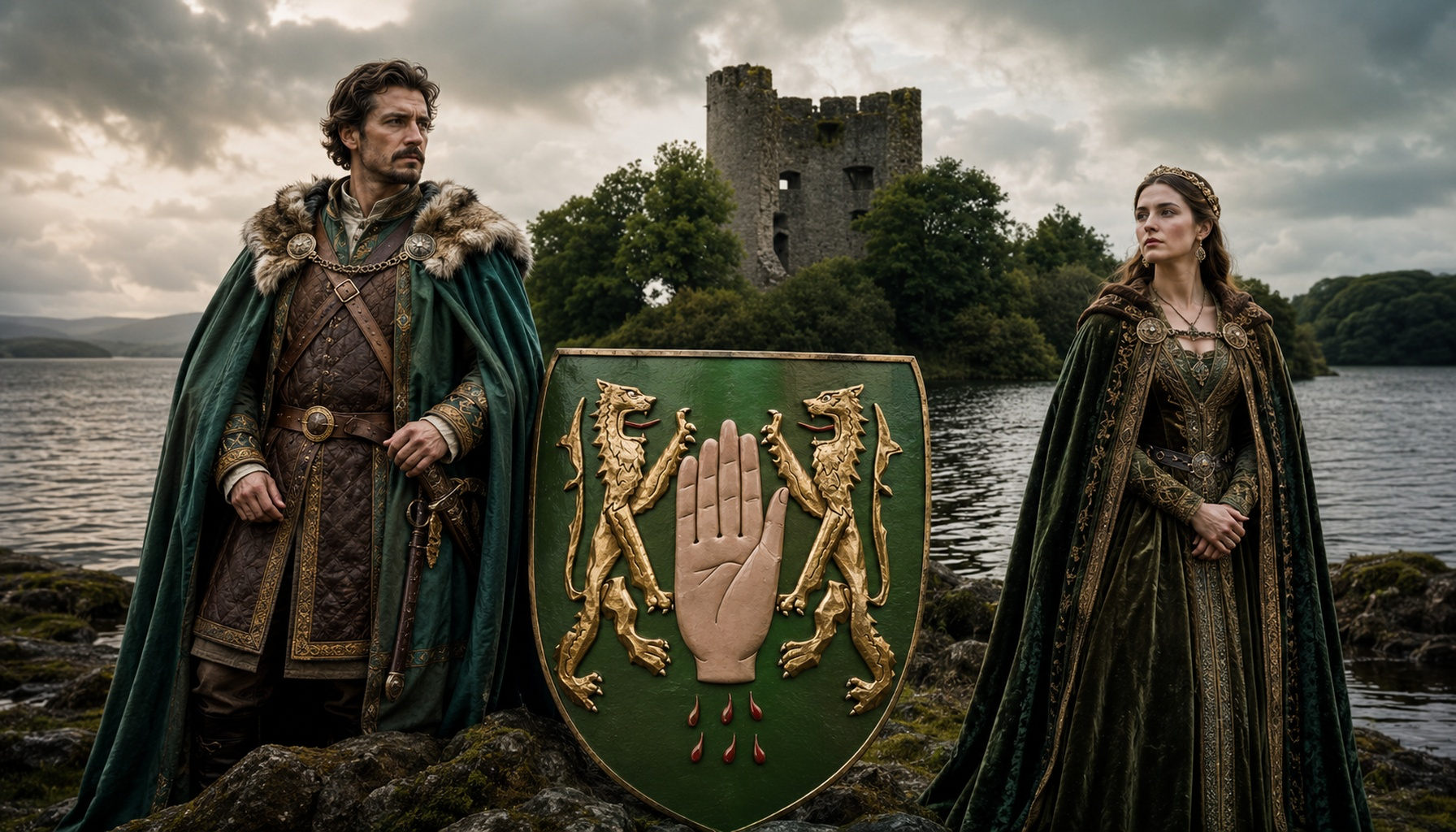
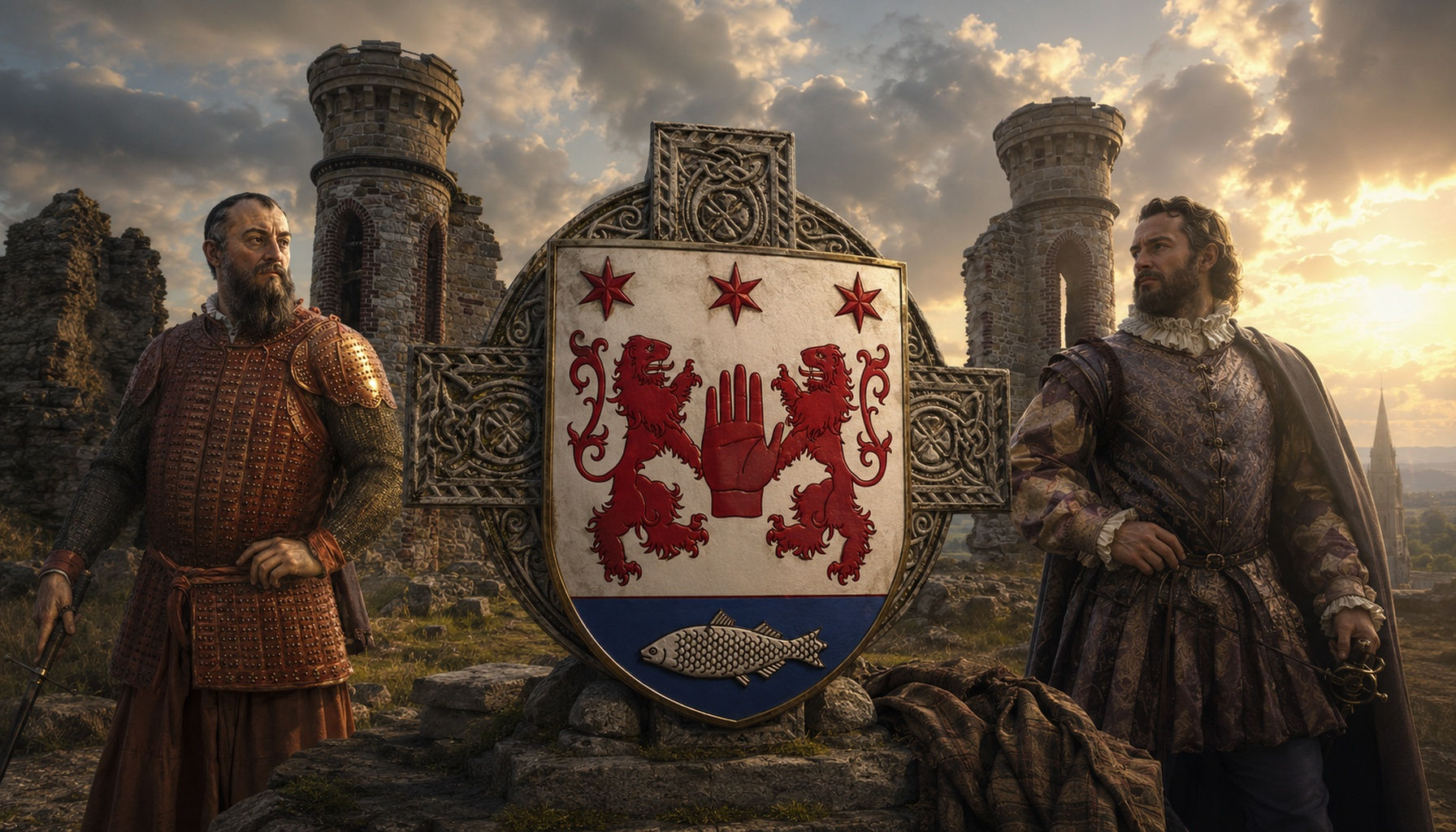
Haplogroups and Noble Lines The Noble House of OQuinn The Noble House of OQuinn Background The House of OQuinn was a Gaelic Irish noble house of western Ireland, rooted in Thomond and closely associated with Inchiquin, regional lordship, and the wider heritage of Munster. In the older Gaelic pattern, a family like OQuinn was not simply a surname in By Sara V • 2 min read
Haplogroups and Noble Lines Clan OFarrell Clan OFarrell Background Clan OFarrell was one of the notable Gaelic lineages of the Irish midlands, rooted above all in Annaly and what is now County Longford. In the older Gaelic order, this was not simply a surname floating loose in the records, but a territorial family whose authority rested By Caterina • 3 min read
Haplogroups and Noble Lines Clan Collins Clan Collins Background Clan Collins was a Gaelic Irish family of Munster, closely tied to the old landscape of Limerick, to Shanid, and to the long memory of local kinship in the south-west of Ireland. In Irish form the name appears as O Coileain, pointing back to an ancestor remembered By Sven • 3 min read
Haplogroups and Noble Lines The Noble House of OMolloy House of OMolloy Background The House of OMolloy was one of the notable Gaelic noble houses of the Irish midlands, rooted in Firceall in what is now County Offaly, and remembered above all for its long association with local lordship, kin-based rule, and the stubborn defense of territory. Their story By Jamie L • 3 min read
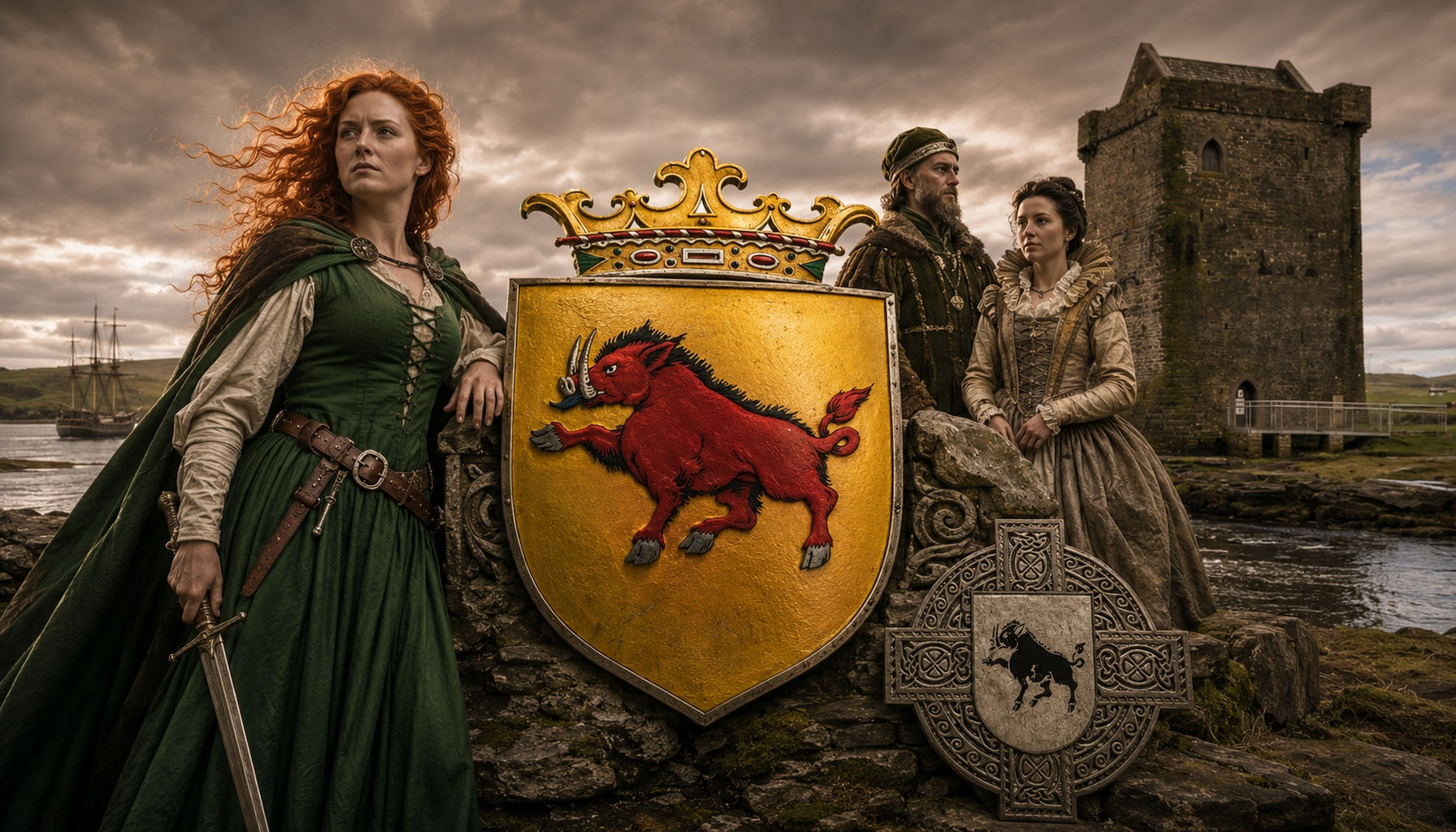
Haplogroups and Noble Lines The Noble House of OMalley The Noble House of OMalley Background The House of OMalley was one of the great Gaelic noble houses of western Ireland, rooted in Umhall in what is now County Mayo, around Clew Bay and the Atlantic coast. Their heritage is closely associated with the Y-DNA haplogroup R1b1a1b1a1a2c1a1a1a1a1a1a, a lineage linked By Jamie L • 3 min read
Haplogroups and Noble Lines The Royal House of OReilly The Royal House of OReilly Background The House of OReilly, or Ua Raghallaigh, was one of the great Gaelic Irish royal houses of East Breifne, rooted in the lands that later became County Cavan. Their story belongs to that distinctively Irish world of territorial kingship, kin-based lordship, cattle wealth, fortified By Jamie L • 2 min read
Haplogroups and Noble Lines Chen Clan Chen Clan The Chen Clan was one of the great enduring lineages of early imperial China, remembered not simply as a powerful family but as a model of what a leading Han and post-Han clan could be: learned, well connected, morally serious, and deeply embedded in government service. Their historic By Sara V • 3 min read
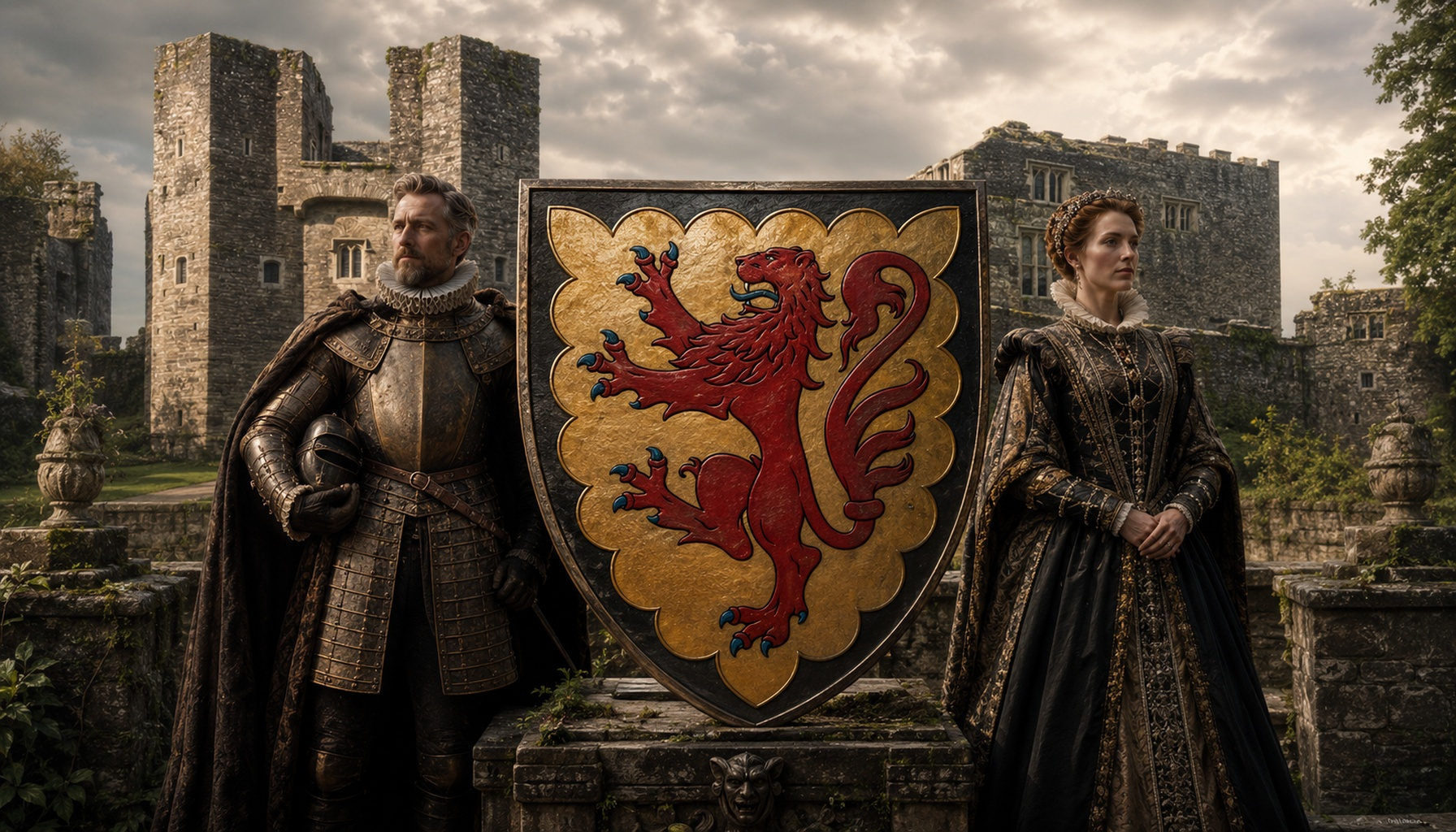
Haplogroups and Noble Lines The Noble House de Pomeroy Who Were the House de Pomeroy? The House de Pomeroy was a Norman and later English noble house whose story belongs to the great reshaping of England after 1066. Their roots lay in Normandy, almost certainly connected with La Pommeraye, a place-name that gave the family its surname before it By Jamie L • 3 min read
Haplogroups and Noble Lines The Royal House of ONeill Haplogroup: R1b1a1b1a1a2c1a1a1a1a1a1a2 The royal house and its origins The House of ONeill was one of the great royal lineages of Ireland, emerging from the wider Ui Neill world and rooted above all in Tir Eoghain in the north, in what is now chiefly County Tyrone and the wider Ulster region. By Sara V • 3 min read
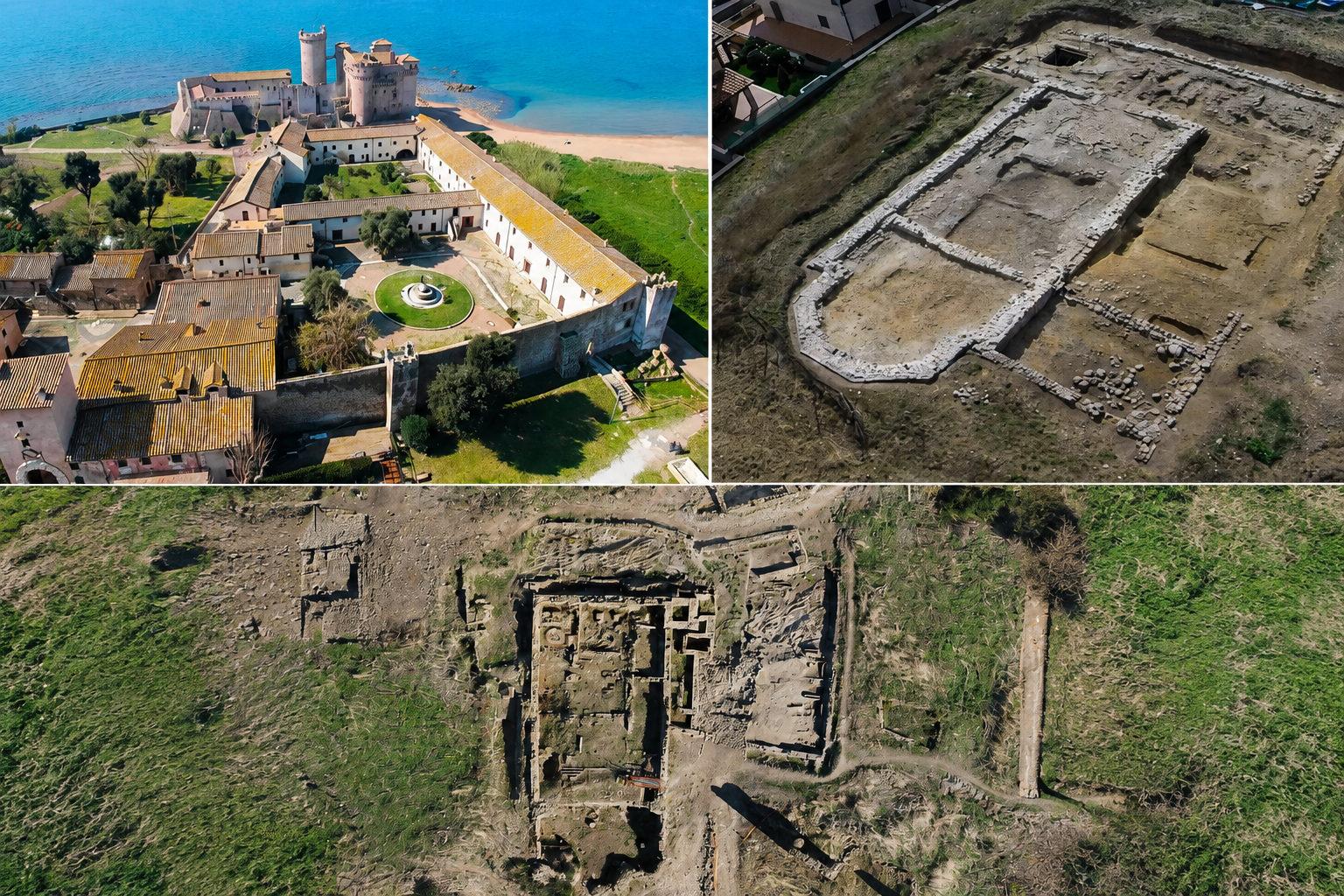
Papers Medieval Paleogenomics in Northern Latium Medieval Northern Latium: Coast, Hills, and New Towns North of Rome, medieval Latium offered three strikingly different communities: Santa Severa on the Tyrrhenian coast, Allumiere-La Bianca in the mineral-rich Tolfa Mountains, and Leopoli-Cencelle, a planned papal town. Together they reveal a medieval society that was busy, adaptive, and deeply connected. By Caterina • 1 min read
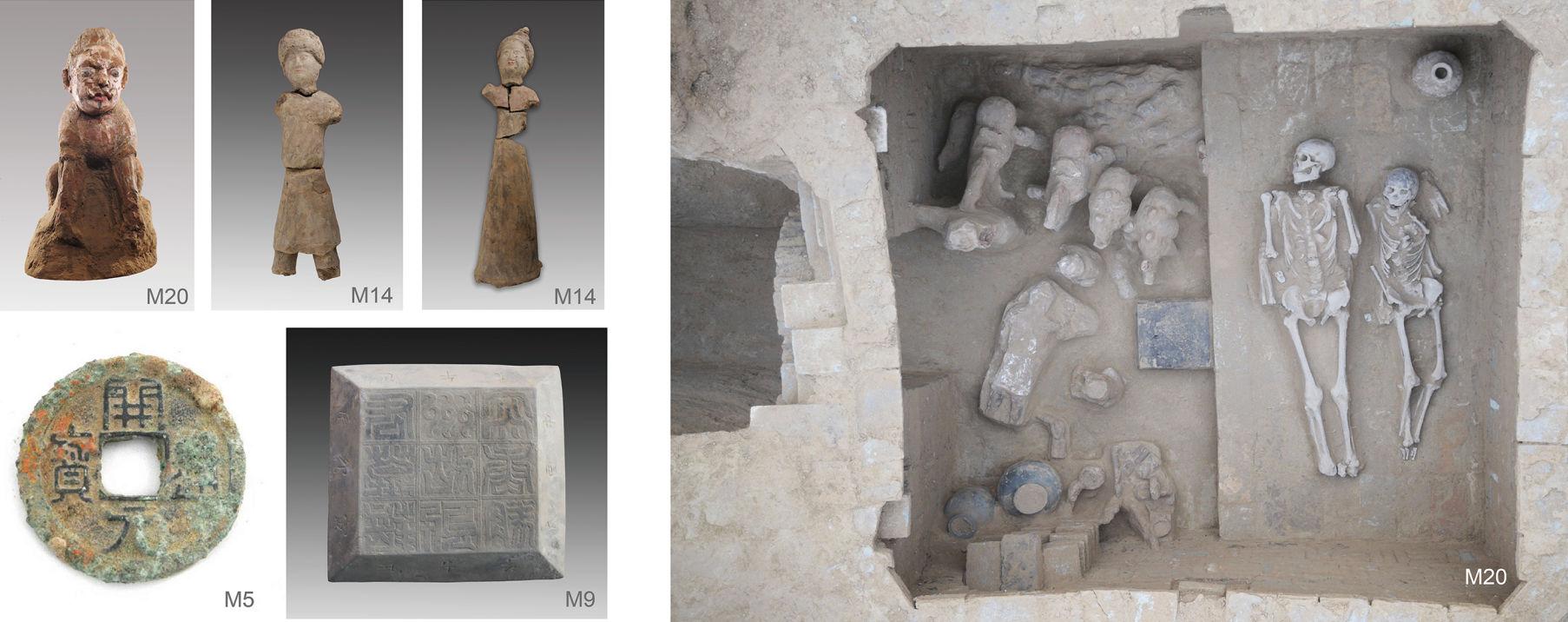
Papers Genomic evidence for female exogamy in a Tang Dynasty clan The Naobaowan Cemetery on the Tang Frontier On the southern bank of the Yellow River, near the Kubuqi Desert in Inner Mongolia, the Naobaowan cemetery is not simply a cluster of old graves. It is a family landscape frozen in brick, dust, and memory. The dead belonged to an elite By Sven • 4 min read
Papers Ancient DNA and Migrations in the Northern Black Sea Region Frontier of Empires and Riders: The Northern Black Sea as a Living Crossroads The Northern Black Sea region in the first millennium CE was where history never sat still. Sea met steppe, Greek-speaking town met horse-borne nomad, and every generation inherited a landscape layered with ruins, graves, old loyalties, and By Caterina • 6 min read
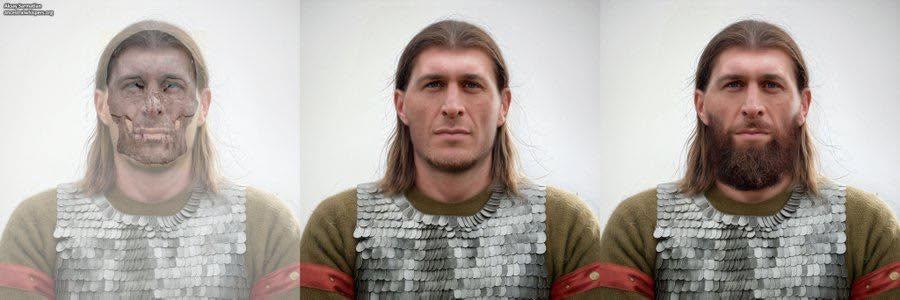
Papers Ancient DNA Reveals Mixed Origins of Gothic Communities in Late Antique Bulgaria Frontier Cemeteries on the Black Sea and the Danubian Plain Late antique Bulgaria offers two vivid windows into a world often flattened under a single label: "the Goths." Two burial sites linked with Gothic-associated customs stand at the centre of this landscape. One lies at Aquae Calidae near By Sven • 4 min read
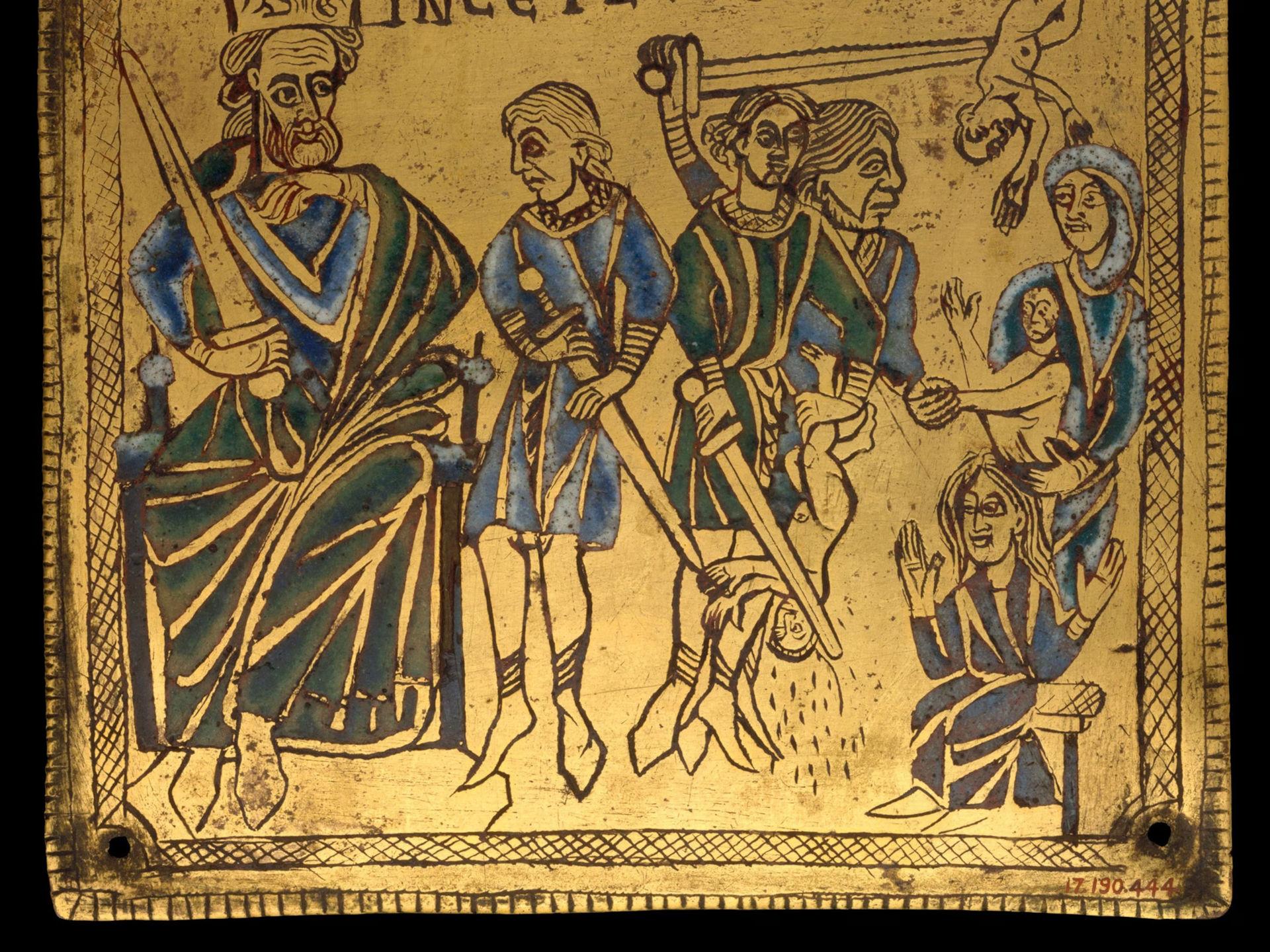
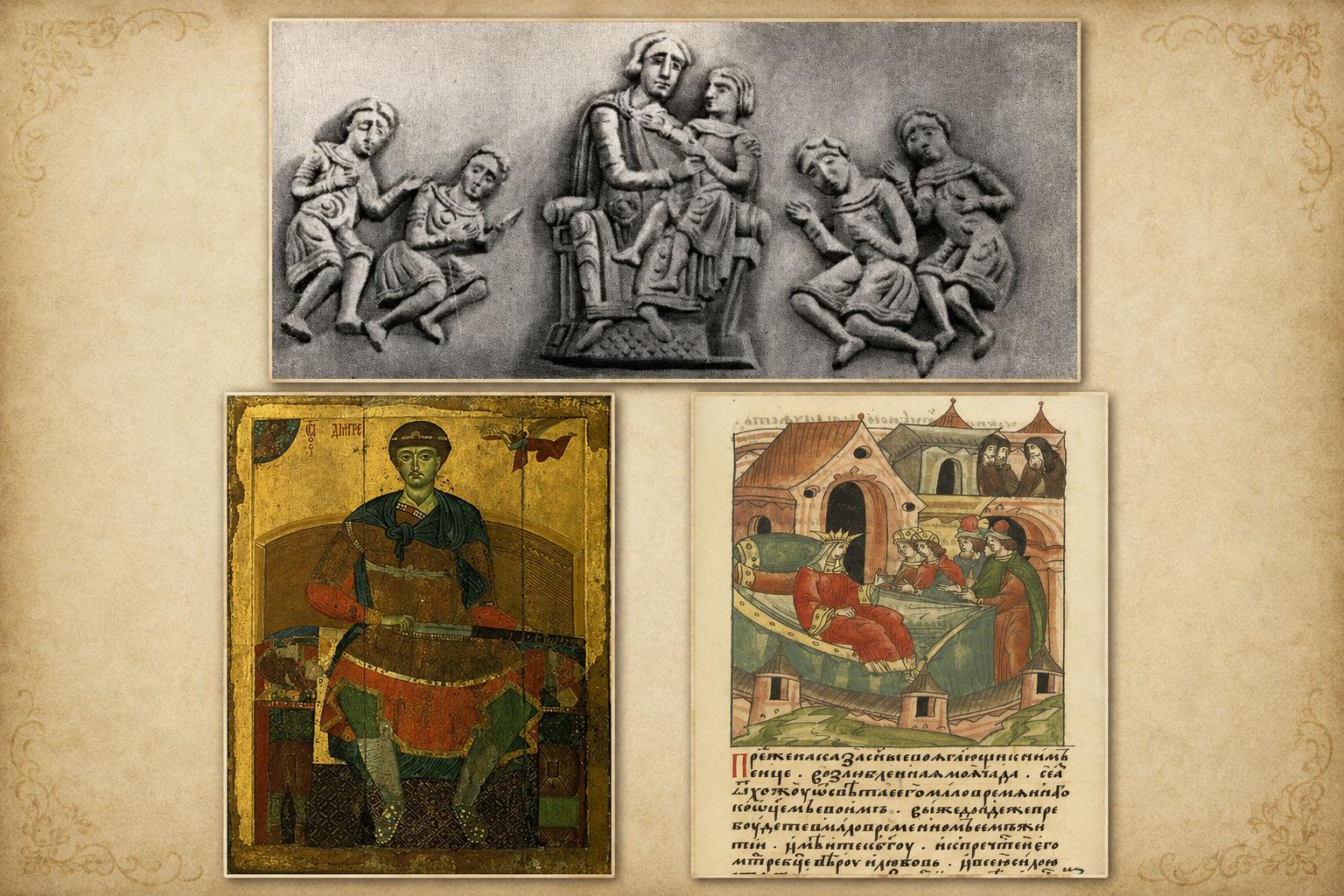
Papers Paleogenetics of Princess Maria Shvarnovna, wife of Grand Prince Vsevolod the Big Nest Princess in the Monastery: The Burial at Vladimir In medieval Vladimir, the Knyaginin Monastery served as both a religious house and a dynastic resting place for the women of Rus' ruling families. Within its cathedral, beneath layers of centuries of rebuilding, lay remains that brought a forgotten princess vividly By Sara V • 4 min read
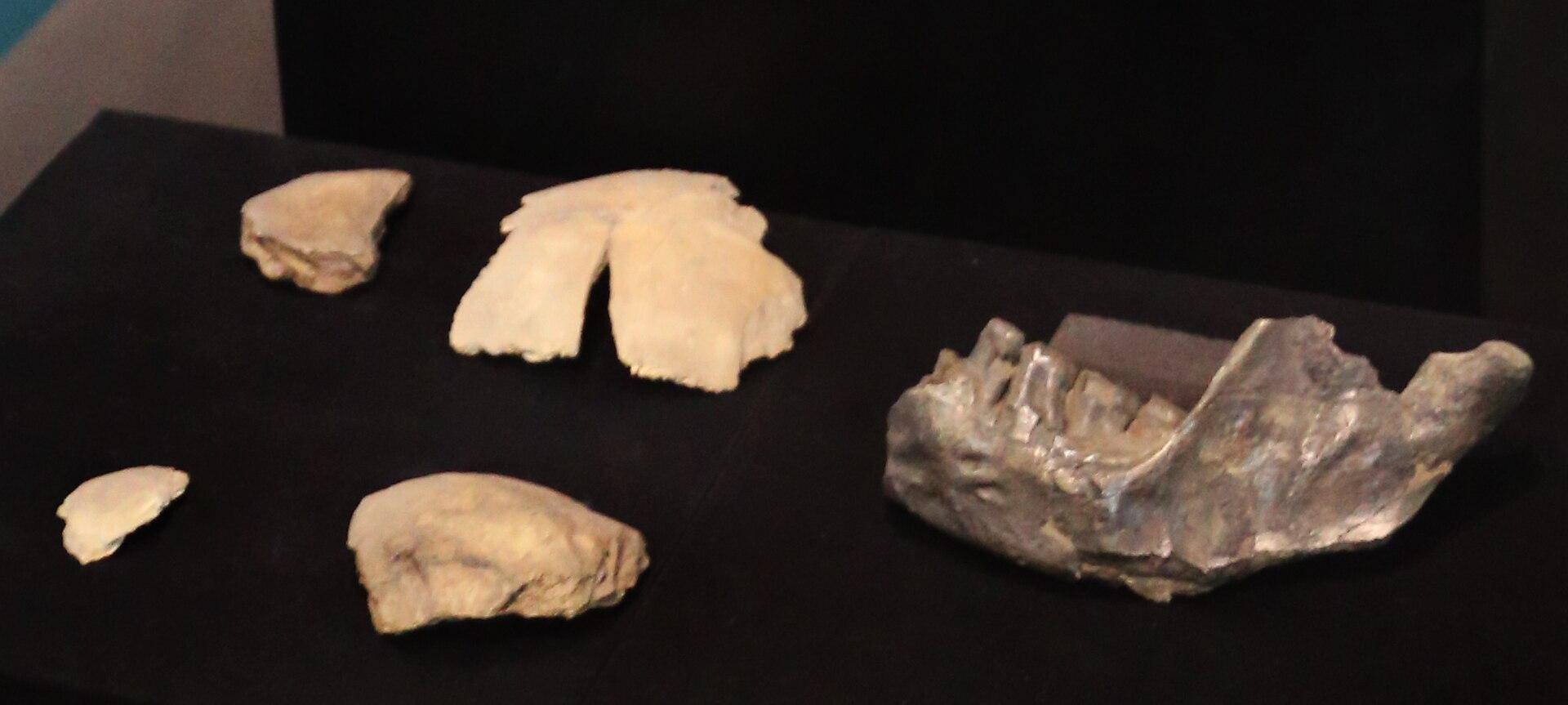
Papers Integer Partitions Reveal Super-Archaic Gene Flow in Human Ancestry Hidden ancestors in the human story Long before farming or cities, there were meetings between different kinds of people—preserved not in words, but in human ancestry. Modern humans did not emerge from a neat, isolated line. Their story includes contact with a deeply ancient population so old that no By Caterina • 5 min read
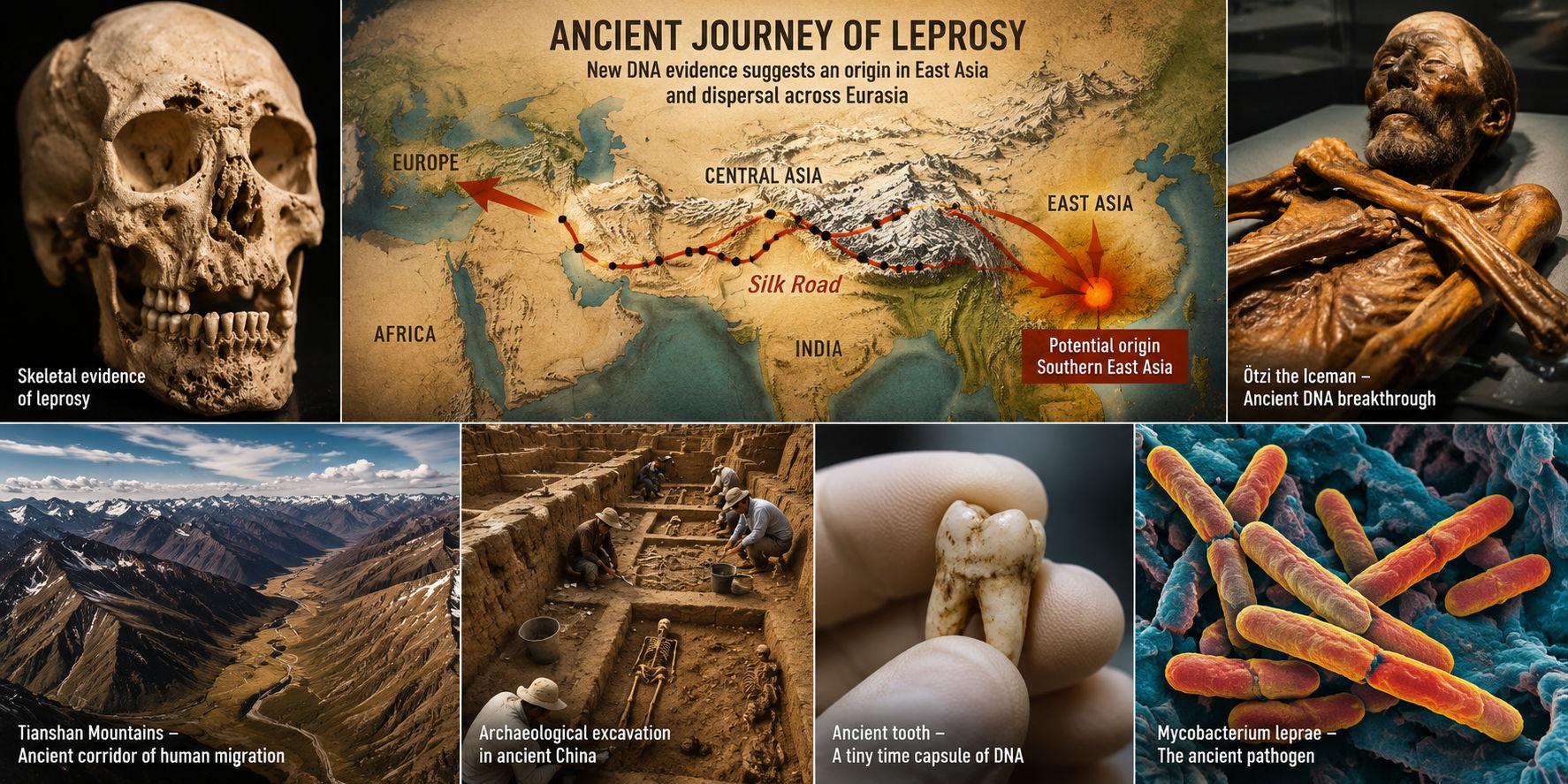
Papers Ancient Leprosy Genomes and the Origins of Branch 0 Ancient Leprosy Emerges from the East For a long time, the story of ancient leprosy seemed written mainly in Europe. Medieval cemeteries and hospital burial grounds gave scholars a dramatic archive of suffering and exclusion. But that picture was incomplete. Vast eastern lands had yielded almost no ancient genetic evidence By Caterina • 4 min read
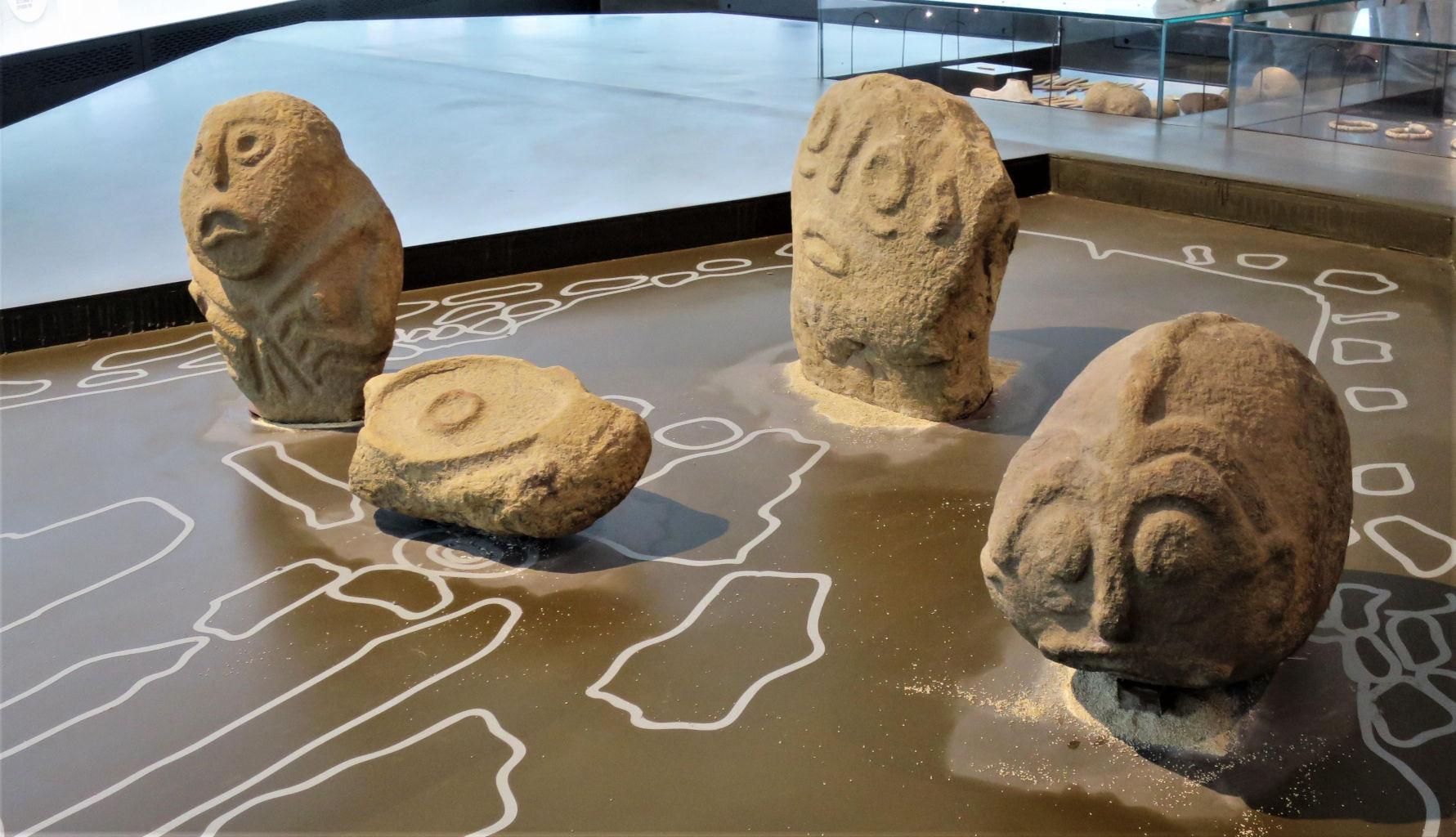
Papers Regional adaptation to Neolithic farming in ancient Western Eurasian genomes The Iron Gates: Where Farmers Met Hunter-Gatherers Along the Danube's great gorge, prehistoric Europe produced one of its most extraordinary landscapes. Lepenski Vir, the region's best-known site, challenges old assumptions about hunter-gatherers as scattered nomads. Here stood communities with architecture, monuments, and elaborate burials suggesting deep By Sven • 5 min read
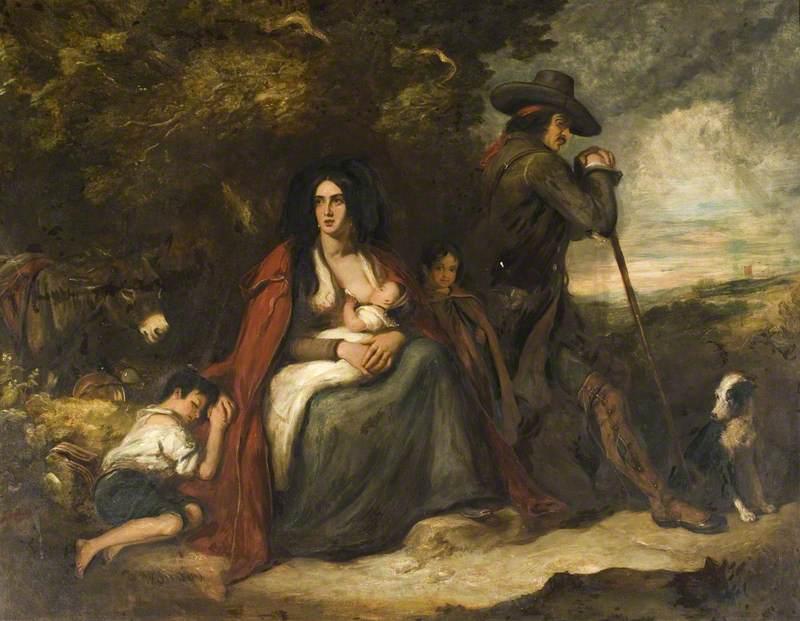
Papers Scottish Traveller Genetic Origins and Founder Disease Risk Scottish Travellers: A Distinct People with Deep Scottish Roots Who are the Scottish Travellers, and where do they come from? For generations, answers were shaped by myth and prejudice rather than evidence. What emerges from research is something far more grounded: Scottish Travellers have overwhelmingly Scottish ancestry, yet form a By Jamie L • 6 min read
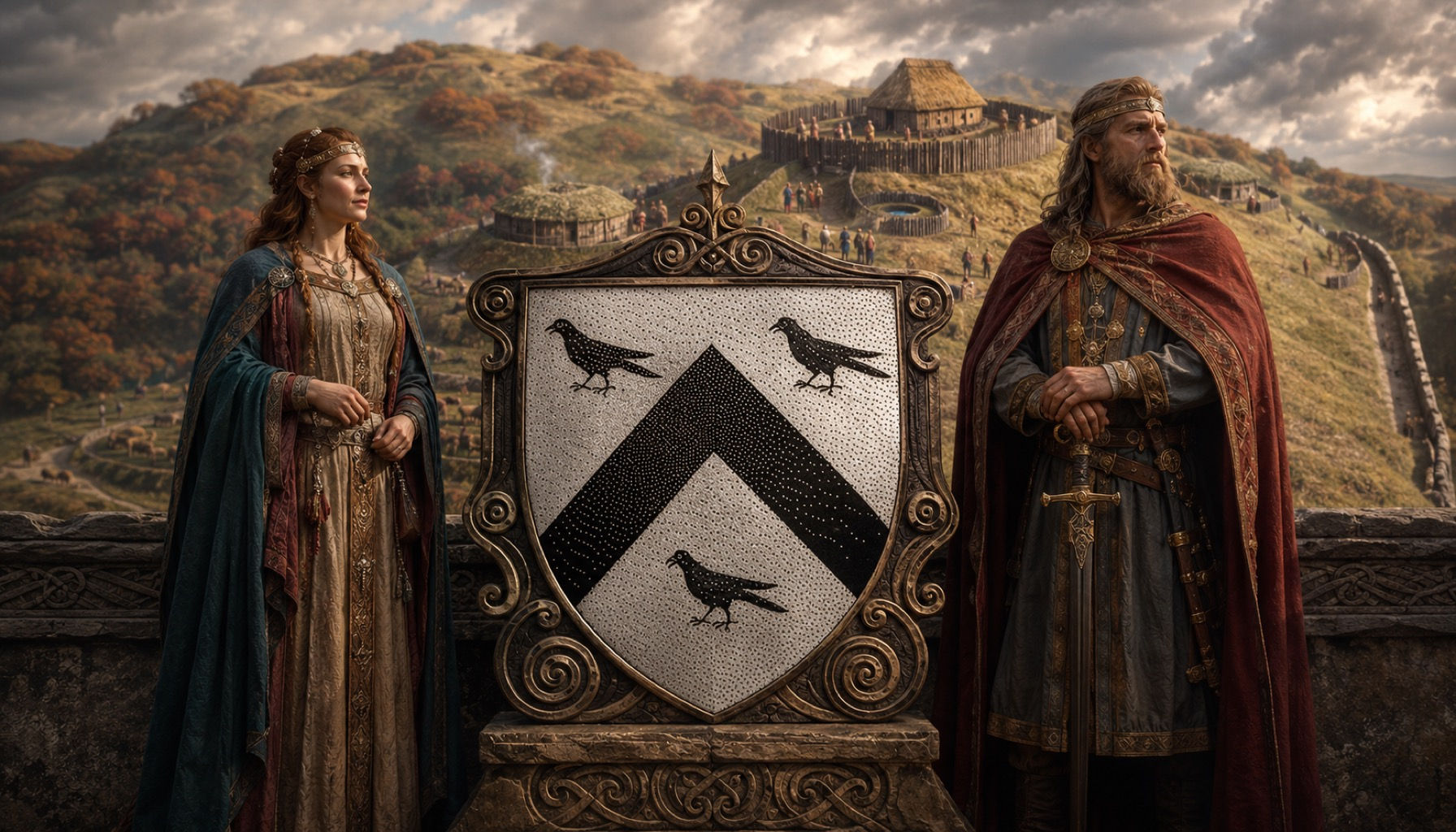
Haplogroups and Noble Lines Welsh Royalty Welsh Royalty The House of Rheged belongs to that misty but very real world of early Brittonic kingship, when northern Britain after Rome was not empty, not chaotic in any simple sense, but full of native kingdoms defending old lands, family honor, and political survival. Rheged is remembered as one By Caterina • 3 min read
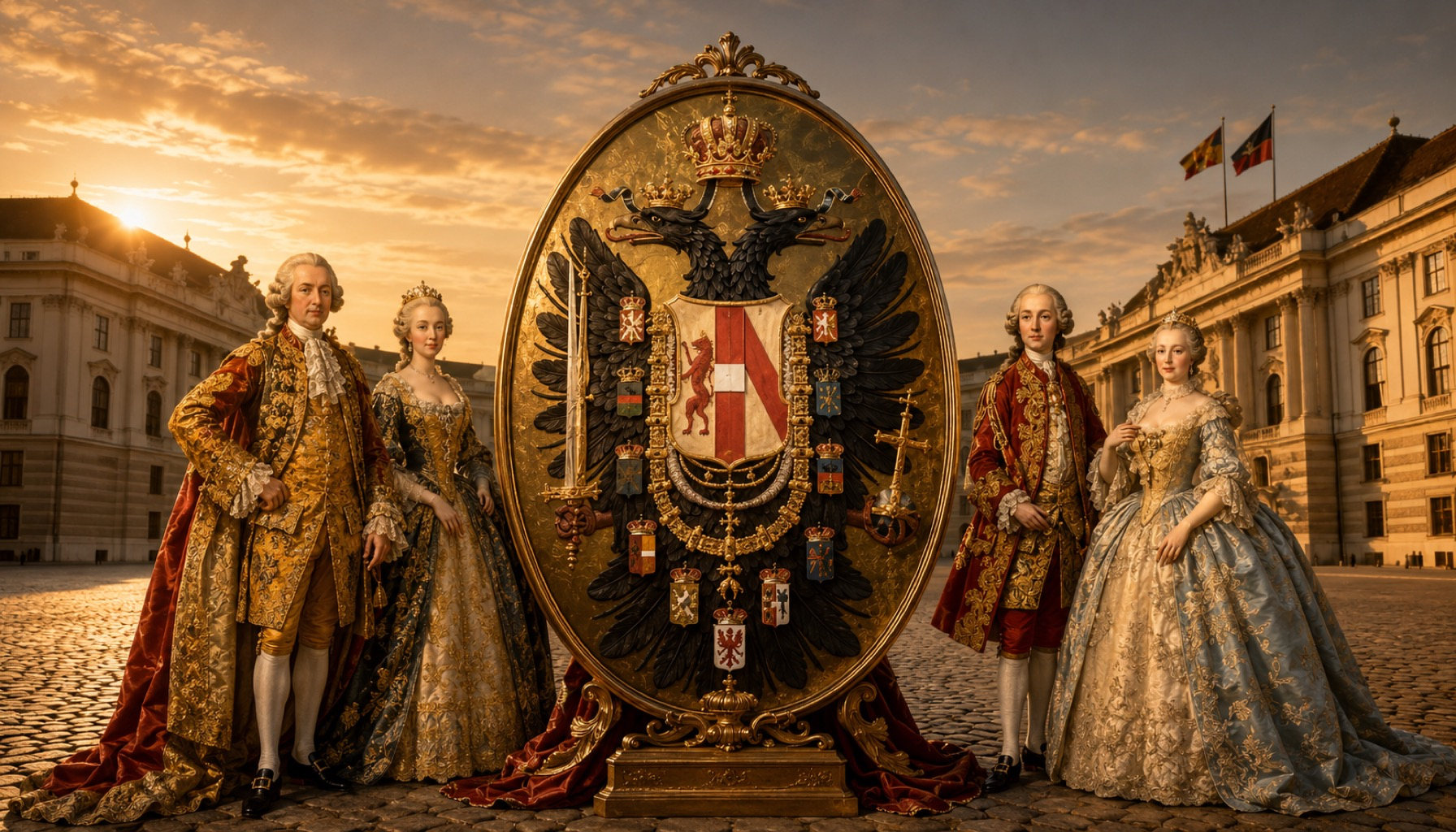
Haplogroups and Noble Lines The House of Habsburg Who were the Habsburgs? The House of Habsburg was one of the great ruling dynasties of Europe: a family that began as regional nobles in the Upper Rhine world, linked originally to Habsburg Castle in what is now Aargau in northern Switzerland, and rose over centuries into emperors, kings, archdukes, By Sara V • 3 min read
Haplogroups and Noble Lines The Royal House of Nassau Background The Royal House of Nassau was one of Europe's great ruling dynasties: a family that began as medieval lords in the German lands around Nassau and went on to shape the histories of the Netherlands, Luxembourg, and the wider Low Countries. Its story is the classic western By Caterina • 3 min read
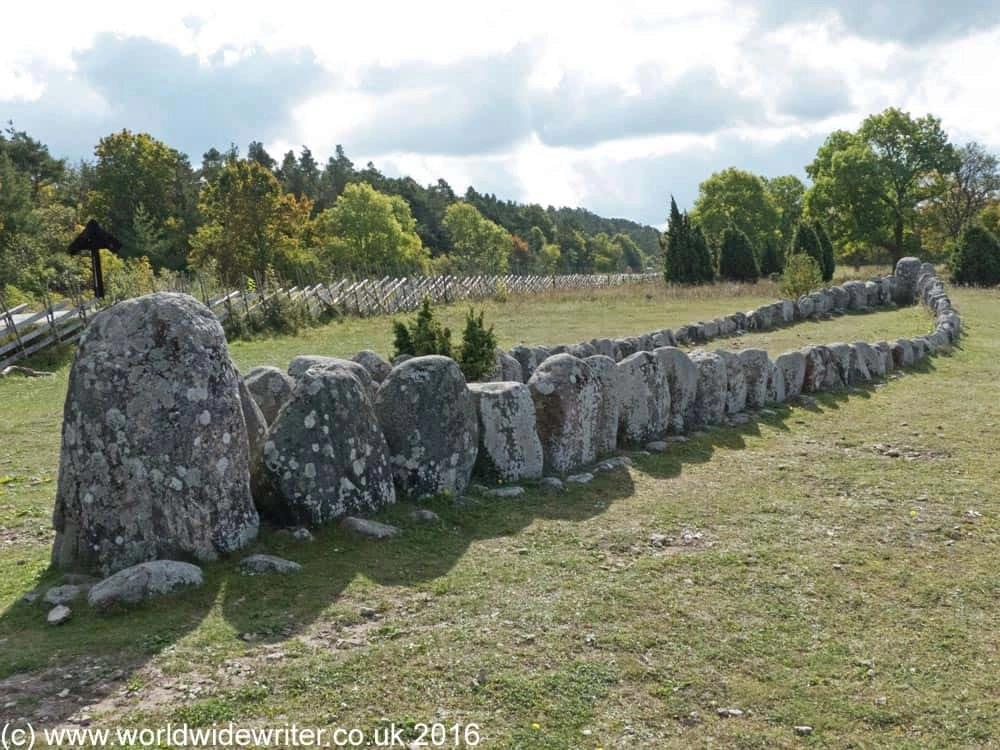
Papers Neolithic DNA, Admixture, and Plague on Gotland Farmers and Foragers on an Island Frontier In the middle of the Baltic Sea, Gotland became one of the most intriguing stages of the Neolithic world. For more than five centuries, two very different ways of life existed side by side. One group were farmers linked to Funnel Beaker communities By Sven • 5 min read
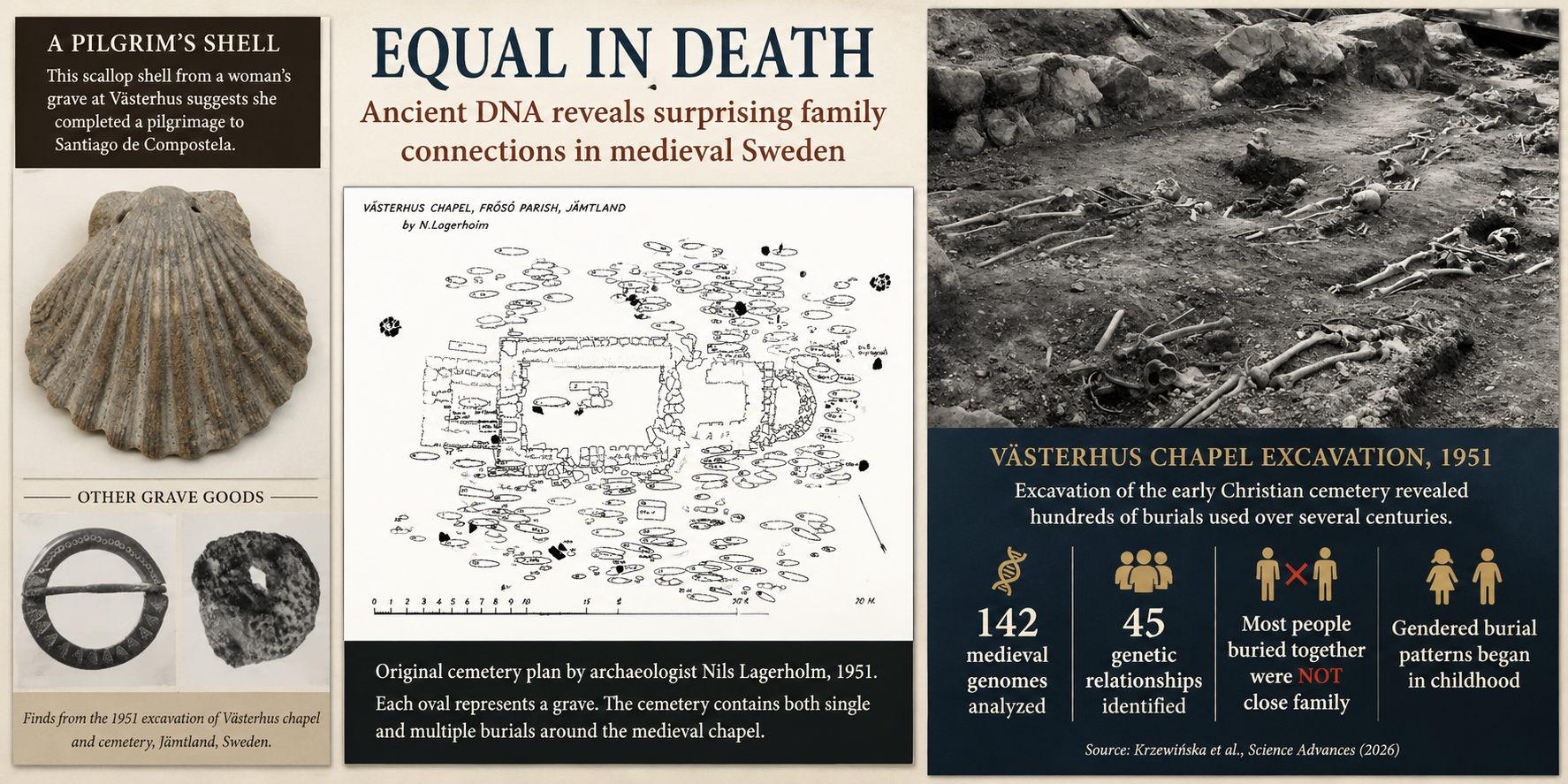
Papers Post-Viking Early Christian DNA of Children in Scandinavia Children in the Christian Graveyard Children's bones are notoriously difficult to interpret—smaller, more fragile, and resistant to the methods that reveal sex, age, and status in adults. Yet without children, no picture of past society is complete. In early Christian Scandinavia, this challenge intensifies: the spread of By Sven • 4 min read