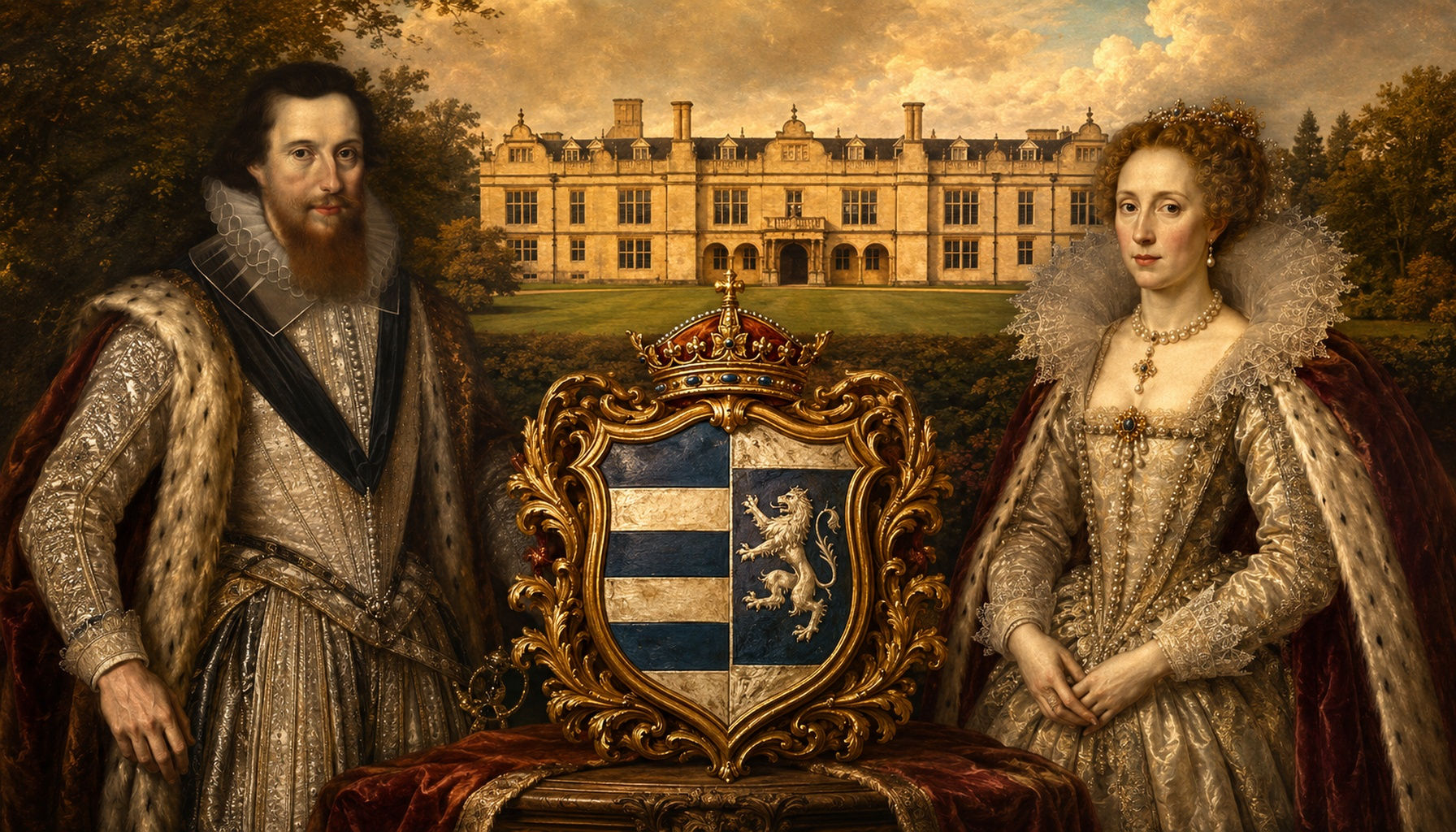
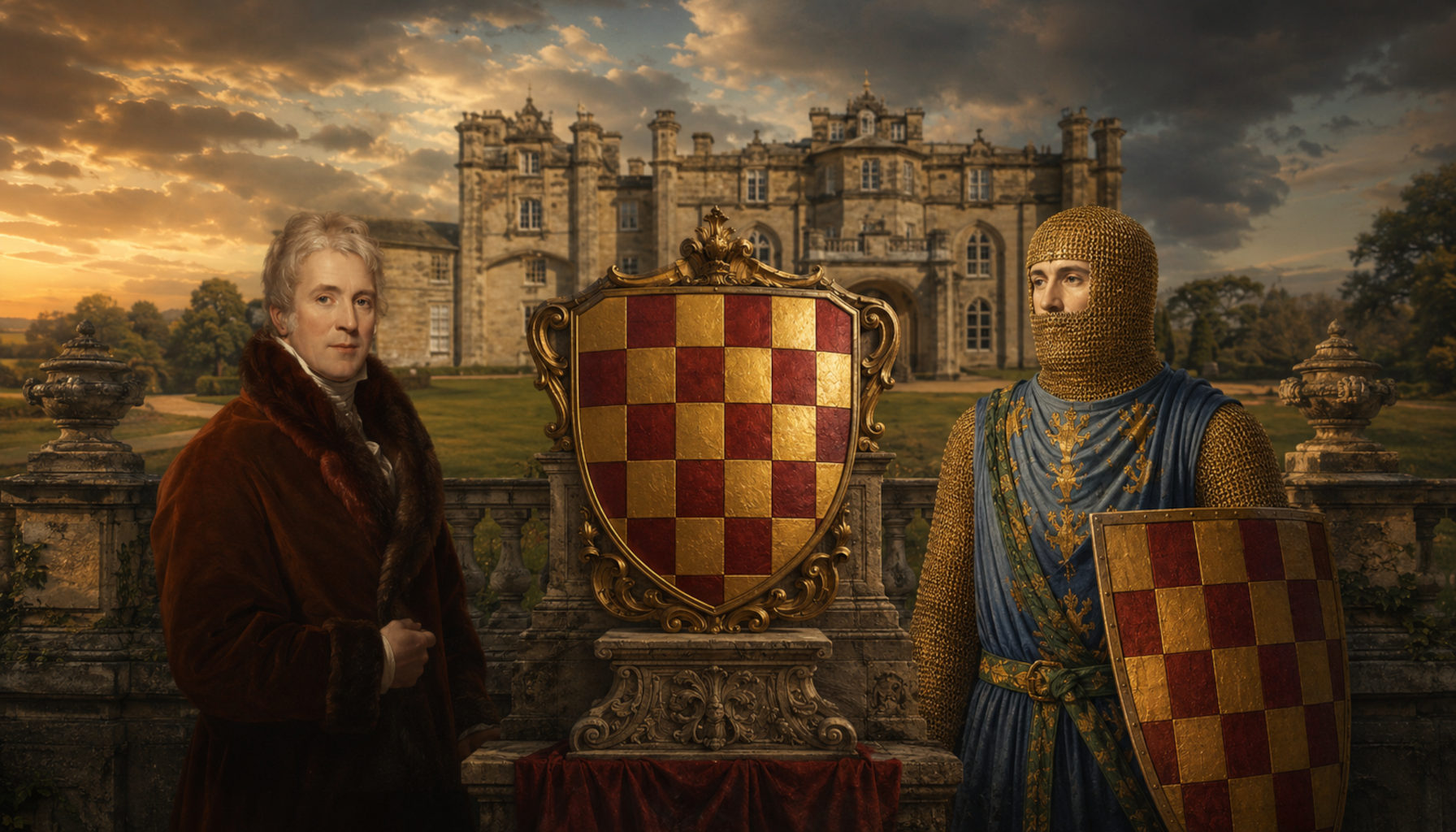
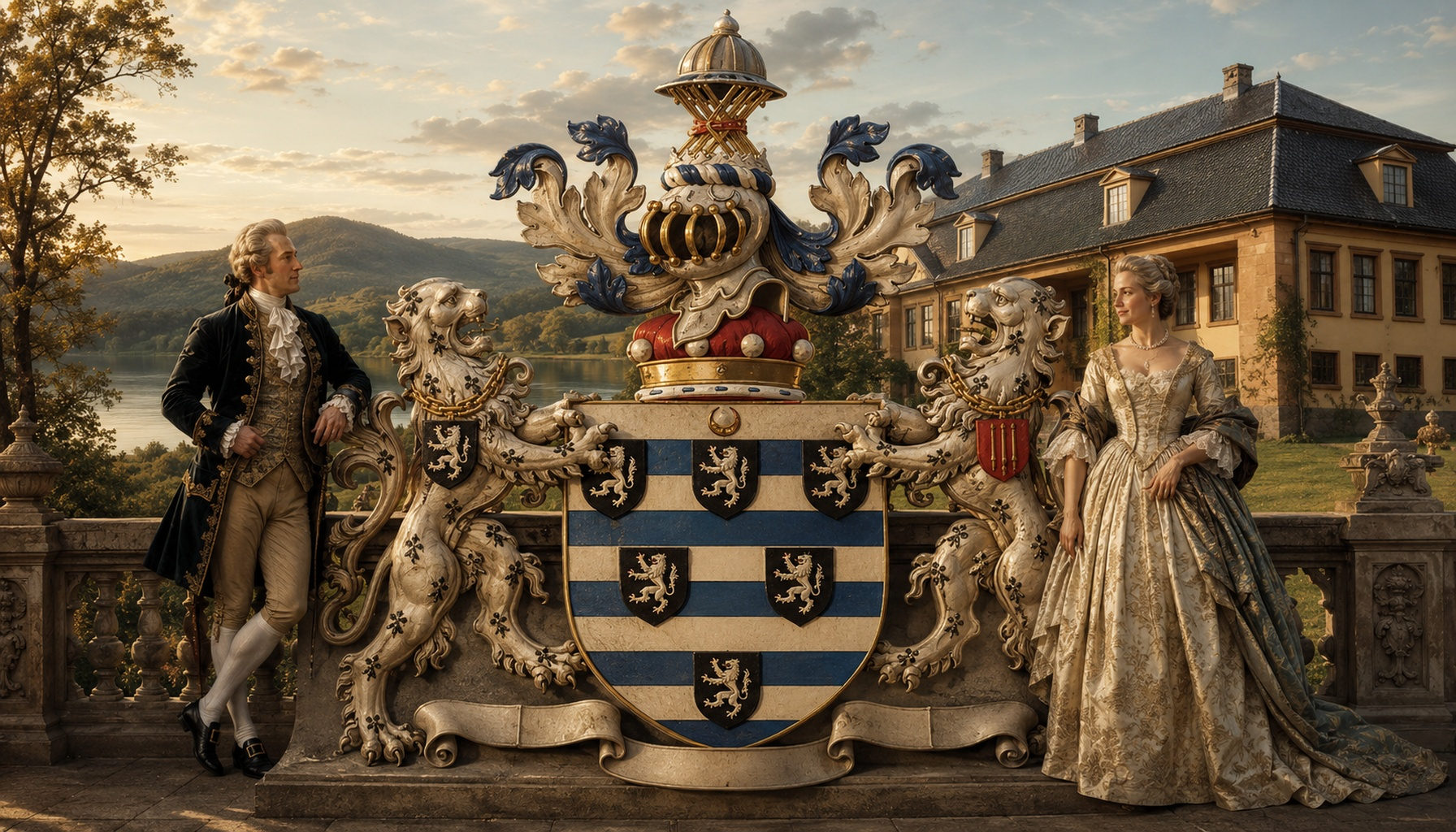
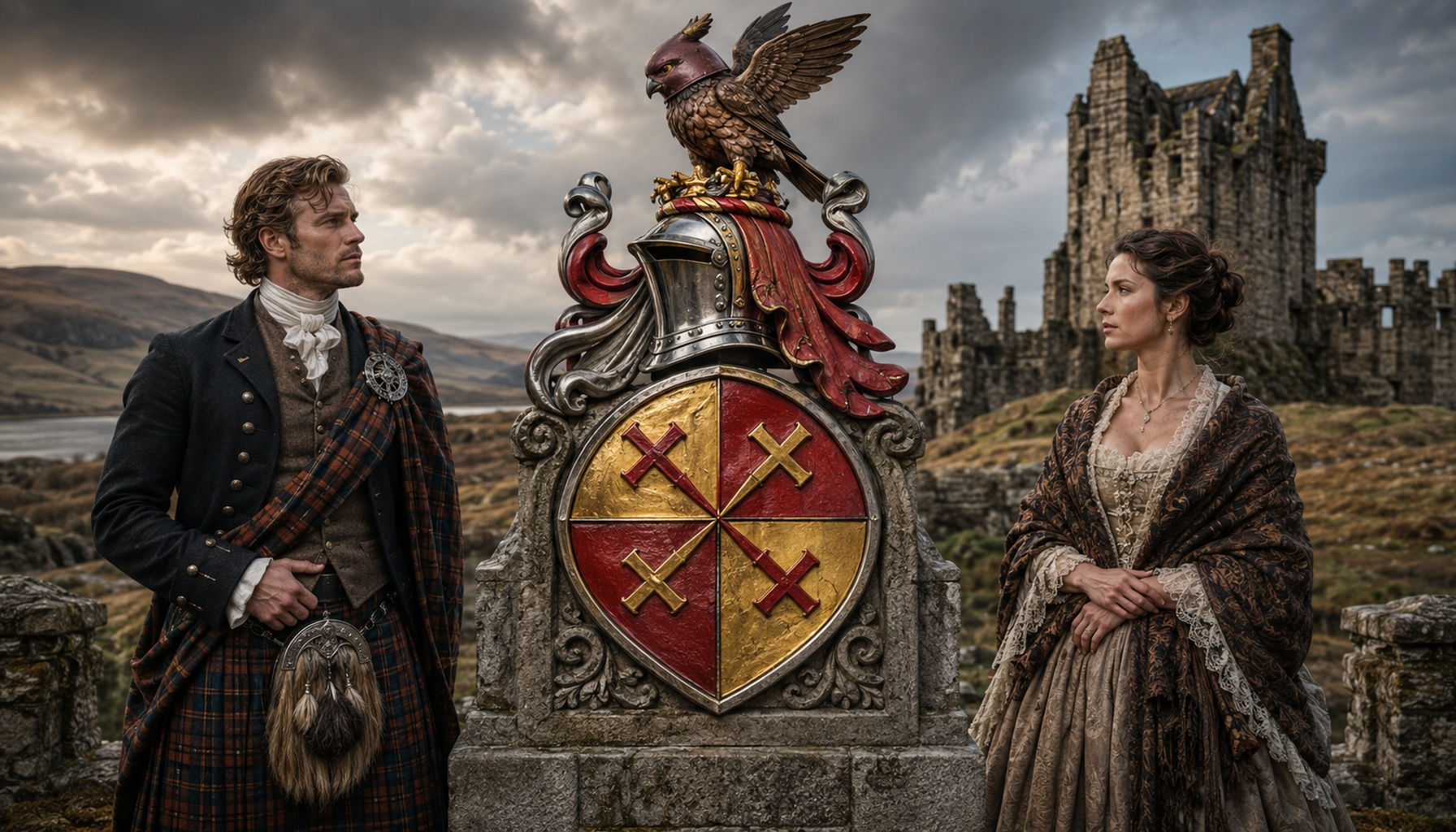
Haplogroups and Noble Lines The House of Fane House of Fane Background The House of Fane was an English noble and landed family whose identity was built in the classic manner of the English aristocracy: land, marriage, office, heraldry, and the steady performance of public duty. Associated above all with estate culture and county influence, the Fanes rose By Caterina • 2 min read
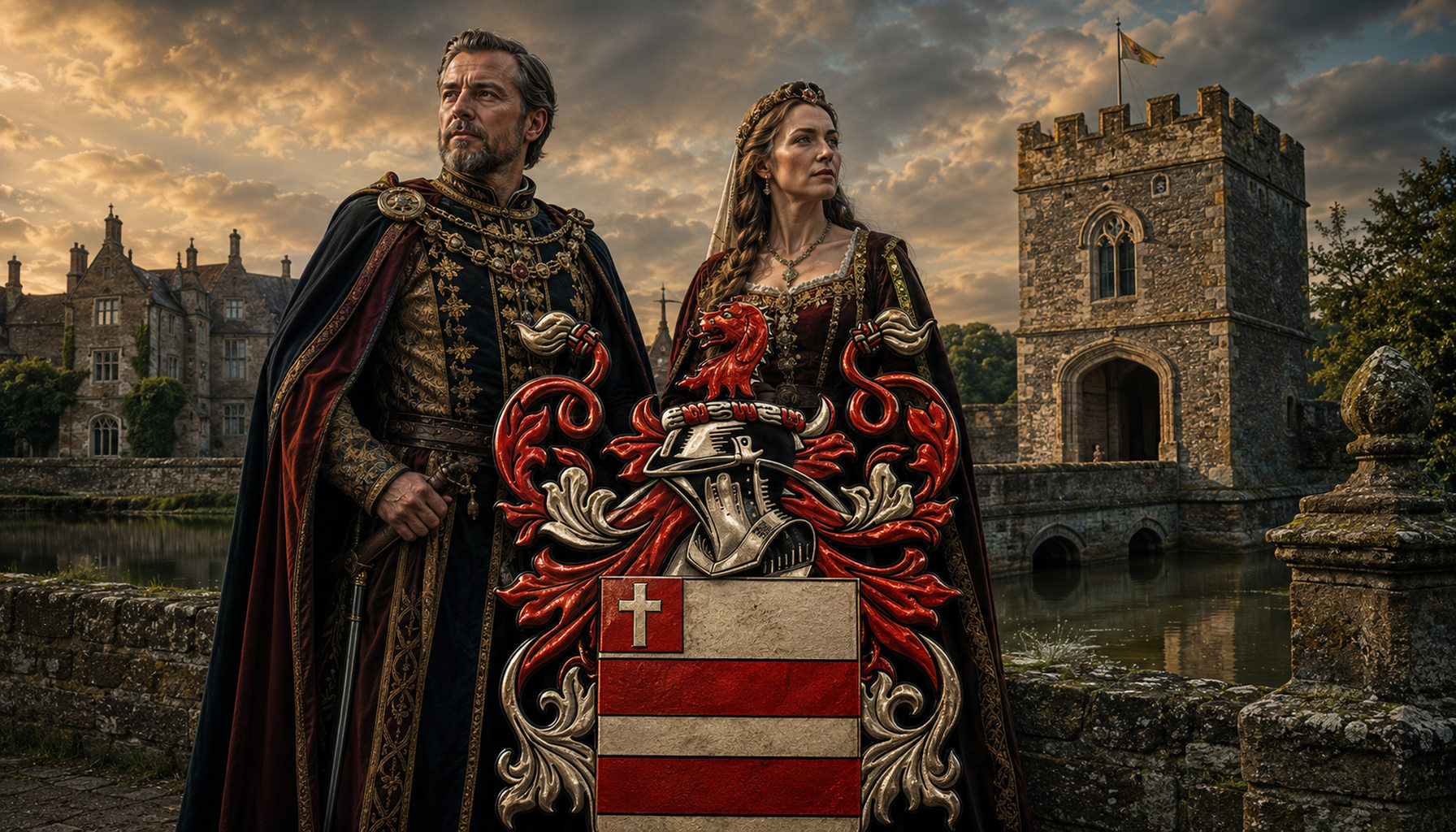
Haplogroups and Noble Lines The House of Broughton Background The Broughton family was one of those distinctly English landed houses whose identity was bound up with place, service, and memory. Their name is territorial in character, pointing back to a place called Broughton and to the old habit of families taking their names from the landscape they held, By Caterina • 2 min read
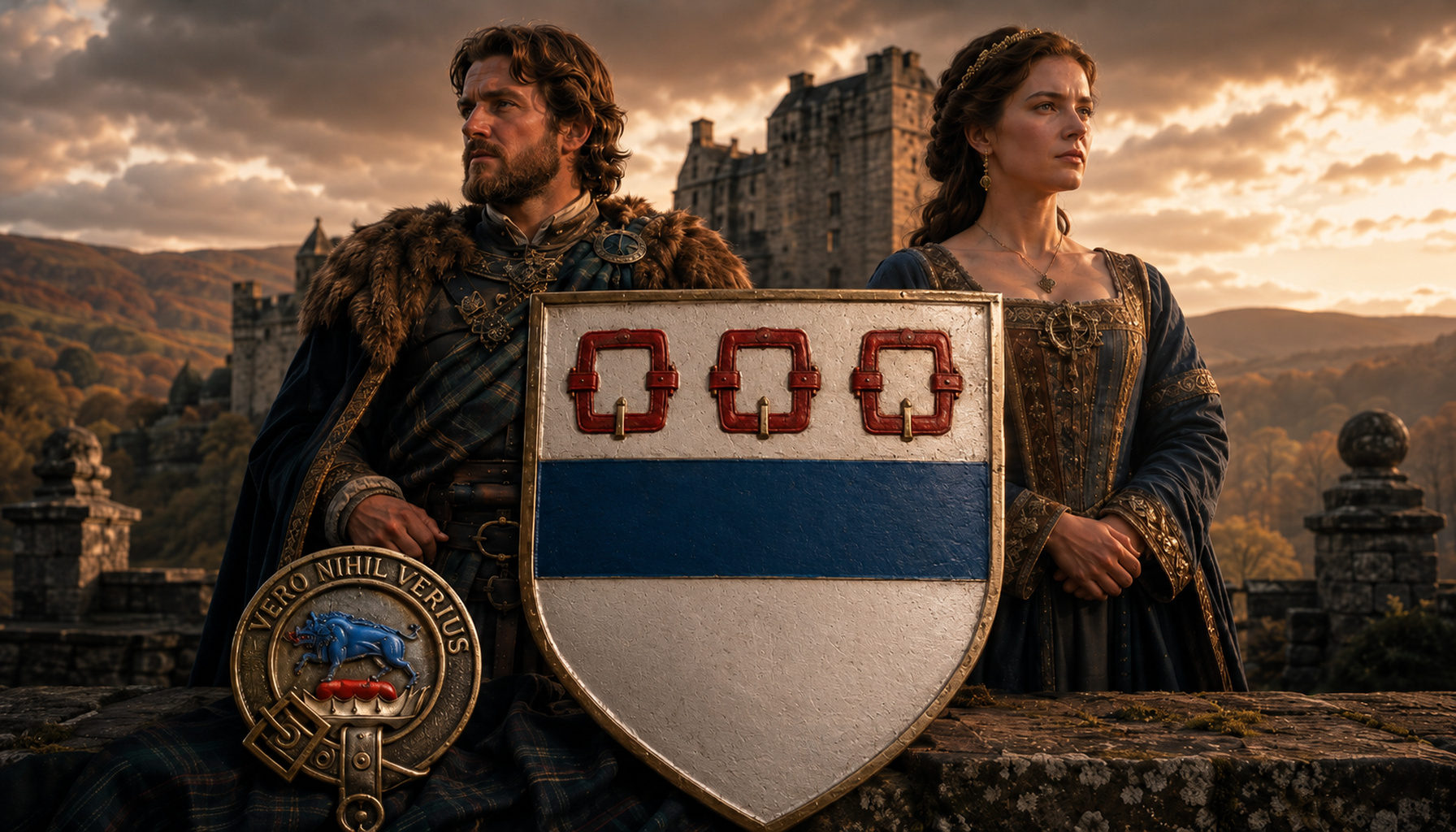
Haplogroups and Noble Lines Clan Weir Clan Weir Lowland roots, heraldic memory, and haplogroup links Clan Weir belongs to that very Scottish, and very Lowland, pattern in which a family becomes important not because it ruled a vast Highland territory, but because it endured. The Weirs were a surname family rooted especially in the Lowlands, with By Caterina • 3 min read
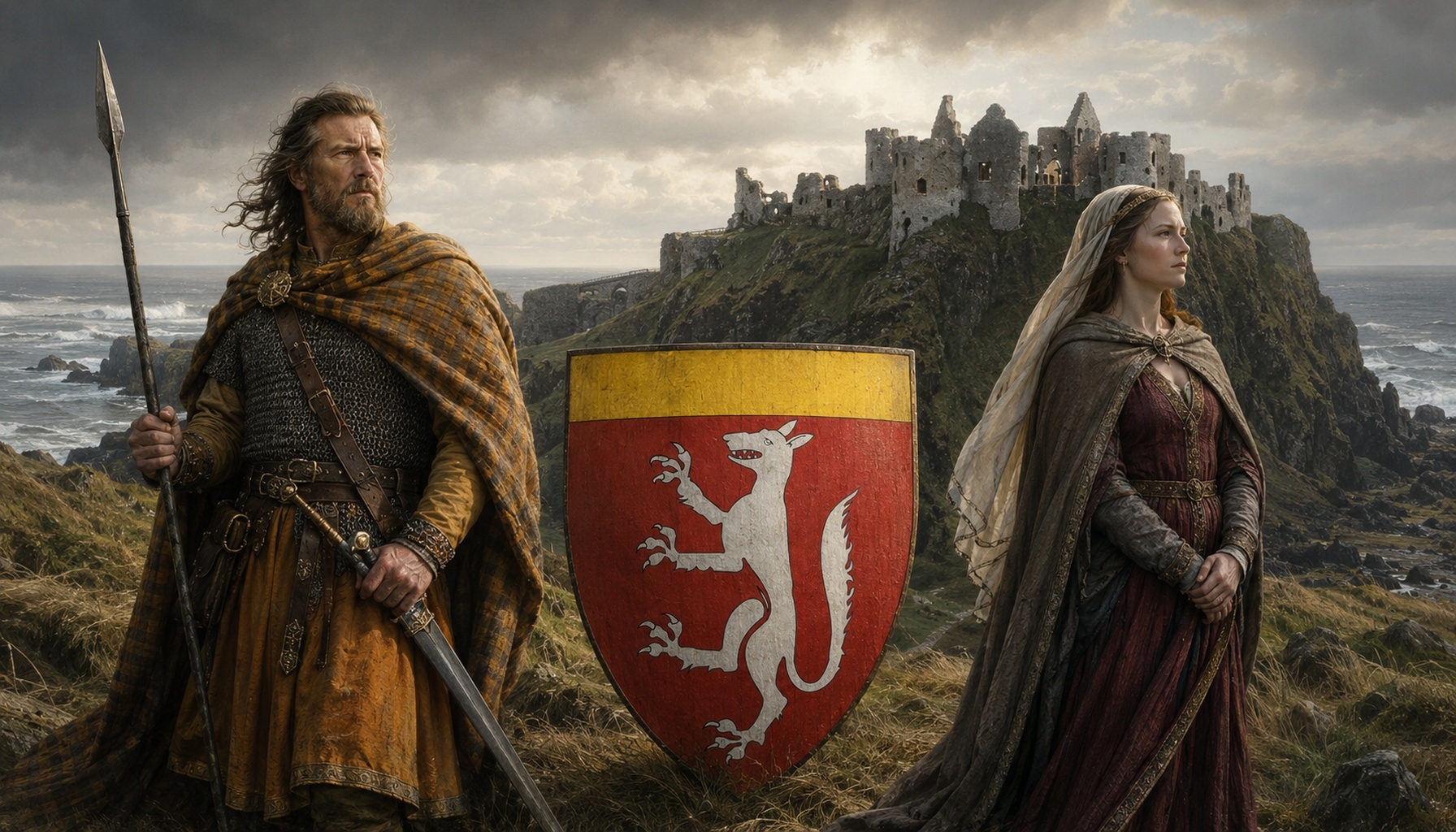
Haplogroups and Noble Lines Clan McQuillan Clan McQuillan Background Clan McQuillan was a northern Irish lordly family rooted in Ulster, especially along the north coast, and remembered for the way it stood at the meeting point of Gaelic and Norman-Irish society. Their story is not a neat one-line tale of a single ethnic origin. It is, By Caterina • 2 min read
Haplogroups and Noble Lines Clan McCorquodale Clan McCorquodale Highland roots and family identity Clan McCorquodale was one of the old Highland families of Argyll, closely associated with Loch Awe and the Gaelic world of western Scotland. This was a clan shaped not by vast territorial empire, but by something much more recognisably Highland: kinship, local standing, By Caterina • 3 min read
Haplogroups and Noble Lines Clan MacThomas Clan MacThomas Background Clan MacThomas was a Highland Scottish clan rooted in Glenshee, in eastern Perthshire, and remembered as part of the Gaelic-speaking world of the central and eastern Highlands. Their story is not that of a giant over-kingly clan bestriding half of Scotland, but something in many ways more By Caterina • 3 min read
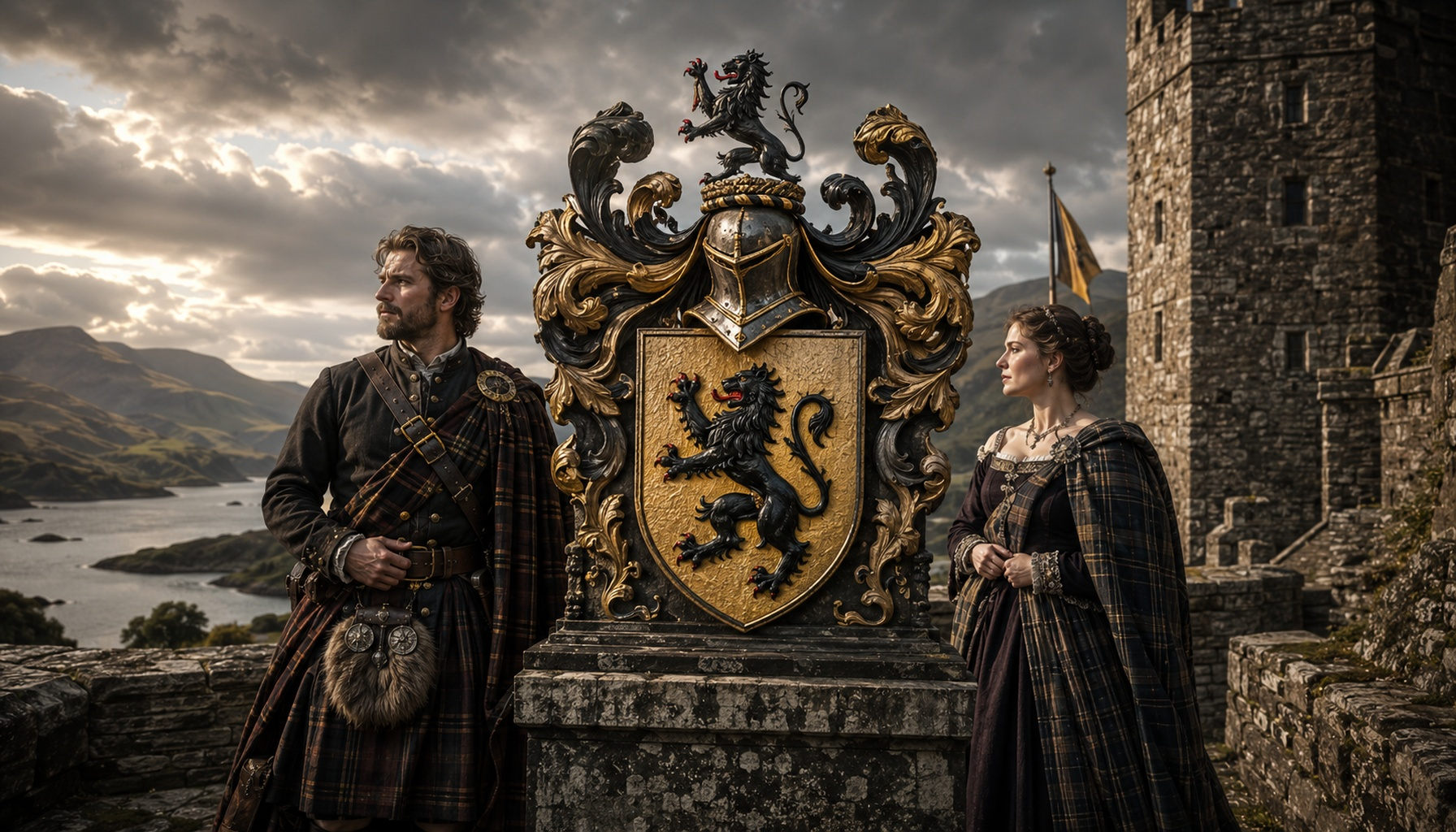
Haplogroups and Noble Lines Clan Kinkaid Clan Kinkaid Background Clan Kinkaid was a Scottish family of territorial origin, rooted in Stirlingshire and named from the lands of Kincaid themselves, with the primary family haplogroup tagged here as R1b1a1b1a1a1c2b2a1b1a4b2a2b1. In other words, this is a classic Lowland story: a surname born from place, then preserved through estate, By Caterina • 2 min read
Haplogroups and Noble Lines Clan Forrester Haplogroup: R1b1a1b1a1a4a Clan Forrester was a Scottish Lowland family whose name points straight to its original work: forest guardianship, management of royal or noble woodland, and service tied to land and office. In other words, this was not a clan defined first by a remote glen or a single Highland By Caterina • 3 min read
Haplogroups and Noble Lines Clan Ainslie Clan Ainslie Background Clan Ainslie belongs to the long, sturdy tradition of Scottish Border and Lowland family history: not a princely dynasty thundering across Europe, but a surname rooted in place, service, kinship, and the stubborn continuity of remembered ancestry. The name appears in medieval records as Aneslei and related By Caterina • 2 min read
Haplogroups and Noble Lines The Royal House of Bernadotte Haplogroup R1b1a1b1a1a2a1a1a2 The Bernadottes: from Gascony to the Swedish throne The Royal House of Bernadotte is the reigning royal house of Sweden, a dynasty with an origin story that sounds almost too dramatic to be true. It began not in Scandinavia but in Pau, in the old province of Bearn By Caterina • 3 min read
Haplogroups and Noble Lines The House of Berkeley House Berkeley The Berkeley family was one of the great long-lived noble houses of England, rooted above all in Gloucestershire and inseparable from Berkeley Castle. Their name comes from the place itself, Berkeley in the Severn valley, and their story is a classic example of how an English aristocratic house By Caterina • 3 min read
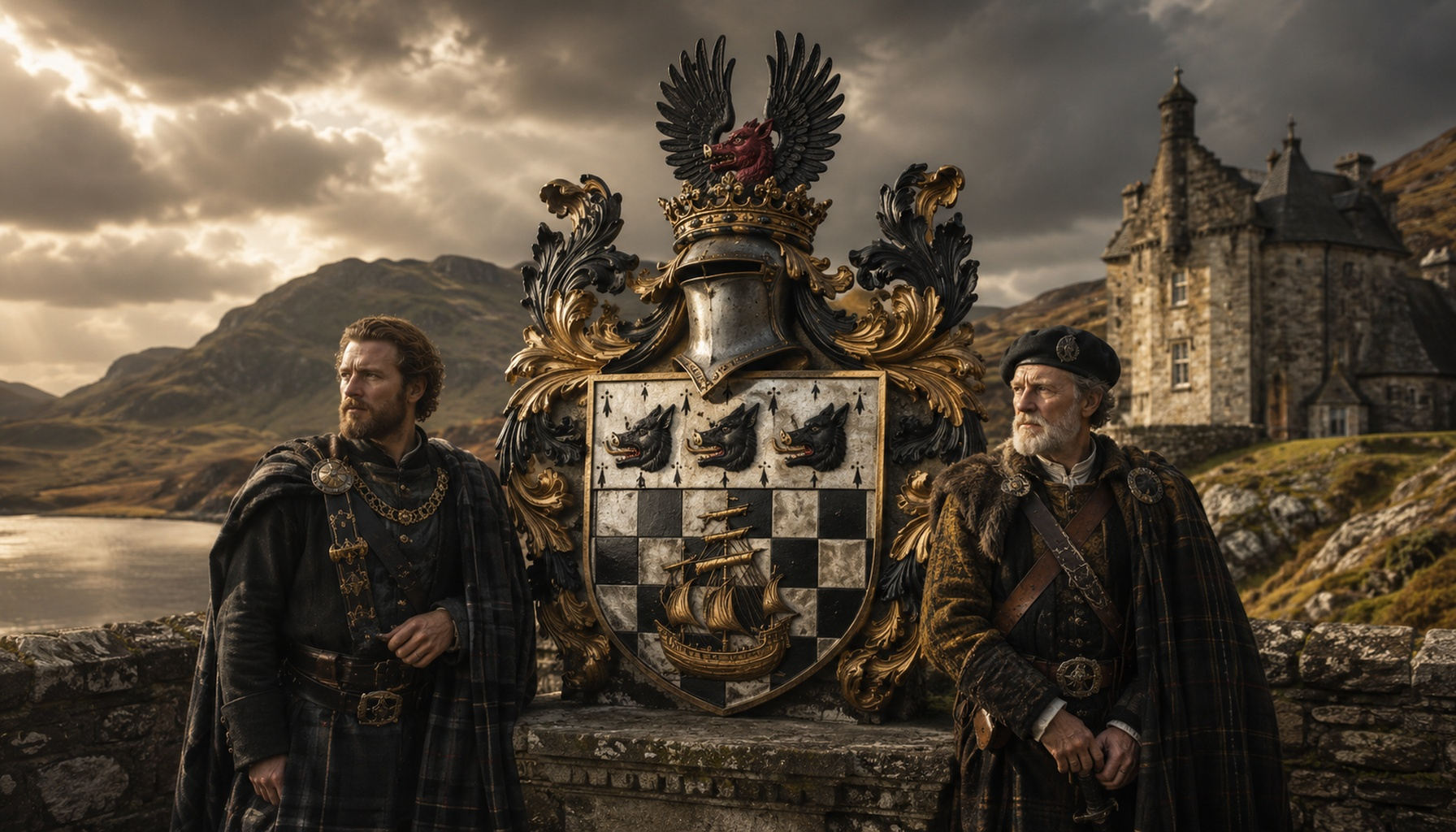
Haplogroups and Noble Lines The House of Barry House of Barry Background The House of Barry was one of the great Anglo-Norman families of medieval Ireland, especially rooted in Munster, with a history shaped by conquest, landholding, lordship, and long survival in a changing political world. Associated here with the haplogroup I1a1b1a4a2f1a1a6, the Barrys began as part of By Caterina • 3 min read
Haplogroups and Noble Lines Clan Thomson Clan Thomson Background Clan Thomson was not a clan in the old Highland sense of one tightly bounded lordship with one great chief dominating one great stretch of land. It was, rather, a wide Scottish surname tradition built around a simple and powerful patronymic: Thomson, meaning son of Thomas. That By Caterina • 3 min read
Haplogroups and Noble Lines Clan Sutherland Clan Sutherland Haplogroup: R1b1a1b1a1a2a Clan Sutherland was one of the great noble kindreds of the far north of Scotland, rooted in the county of Sutherland and remembered for territorial authority, earldom rank, and a remarkably durable presence in Highland politics. In genetic tagging terms, the primary family haplogroup associated here By Caterina • 3 min read
Haplogroups and Noble Lines Clan Nicolson Clan Nicolson Background Clan Nicolson was one of the old northern Scottish kindreds whose story belongs to the Highlands and islands, especially Skye, where family, place, and reputation mattered enormously. The surname is patronymic in character, growing from forms of Nicholas, and that immediately tells us something important: this was By Caterina • 3 min read
Haplogroups and Noble Lines Clan Murray Clan Murray Background Clan Murray was one of the great aristocratic kindreds of Scotland: a family of land, office, war, and royal service, rooted above all in Atholl and Tullibardine and eventually raised into the highest ranks of the Scottish peerage. In the broad pattern of Scottish history, the Murrays By Caterina • 3 min read
Haplogroups and Noble Lines Clan Mowat Clan Mowat Haplogroups: I1a1b1a (primary), I1-related Norman-Scottish lines Clan Mowat was a Scottish family of Norman origin that became thoroughly rooted in Scotland through landholding, service, and long local continuity. Their story begins with the wider movement of continental families into Britain and then north into Scotland under the feudal By Caterina • 2 min read
Haplogroups and Noble Lines Clan McQueen Clan McQueen Highland origins and haplogroup Clan McQueen was a Highland Scottish family of Gaelic stock, rooted in northern Scotland and long associated with the wider Clan Chattan confederation. In that world, a clan was not simply a surname group in the modern sense. It was a working social system By Caterina • 3 min read
Haplogroups and Noble Lines Clan McMonagle Clan McMonagle Background Clan McMonagle was a Gaelic Irish family of Ulster, rooted above all in the old cultural landscape of north-west Ireland, especially County Donegal and the wider Raphoe sphere. Their heritage belongs to that deeply local Irish world in which people were known not simply by a surname, By Caterina • 2 min read
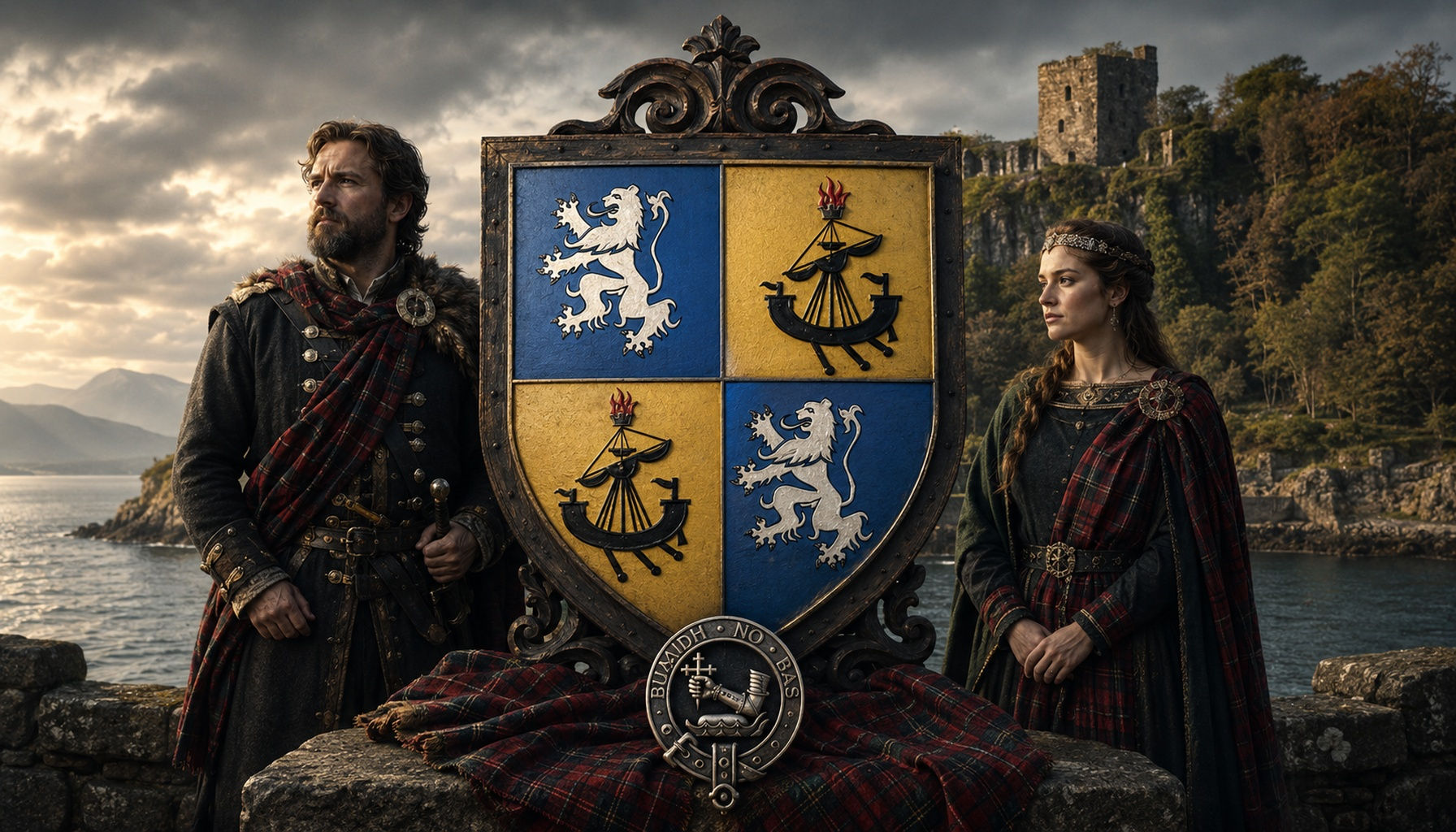
Haplogroups and Noble Lines Clan MacDougall Clan MacDougall Highland lords of Lorn, sea power, and Haplogroup R1a1a1b1a3a1a1a Clan MacDougall was one of the great lordly kindreds of western Highland Scotland, rooted above all in Argyll, Lorn, and the long sea roads of the western seaboard. This was not a clan shaped only by glens and cattle, By Caterina • 3 min read
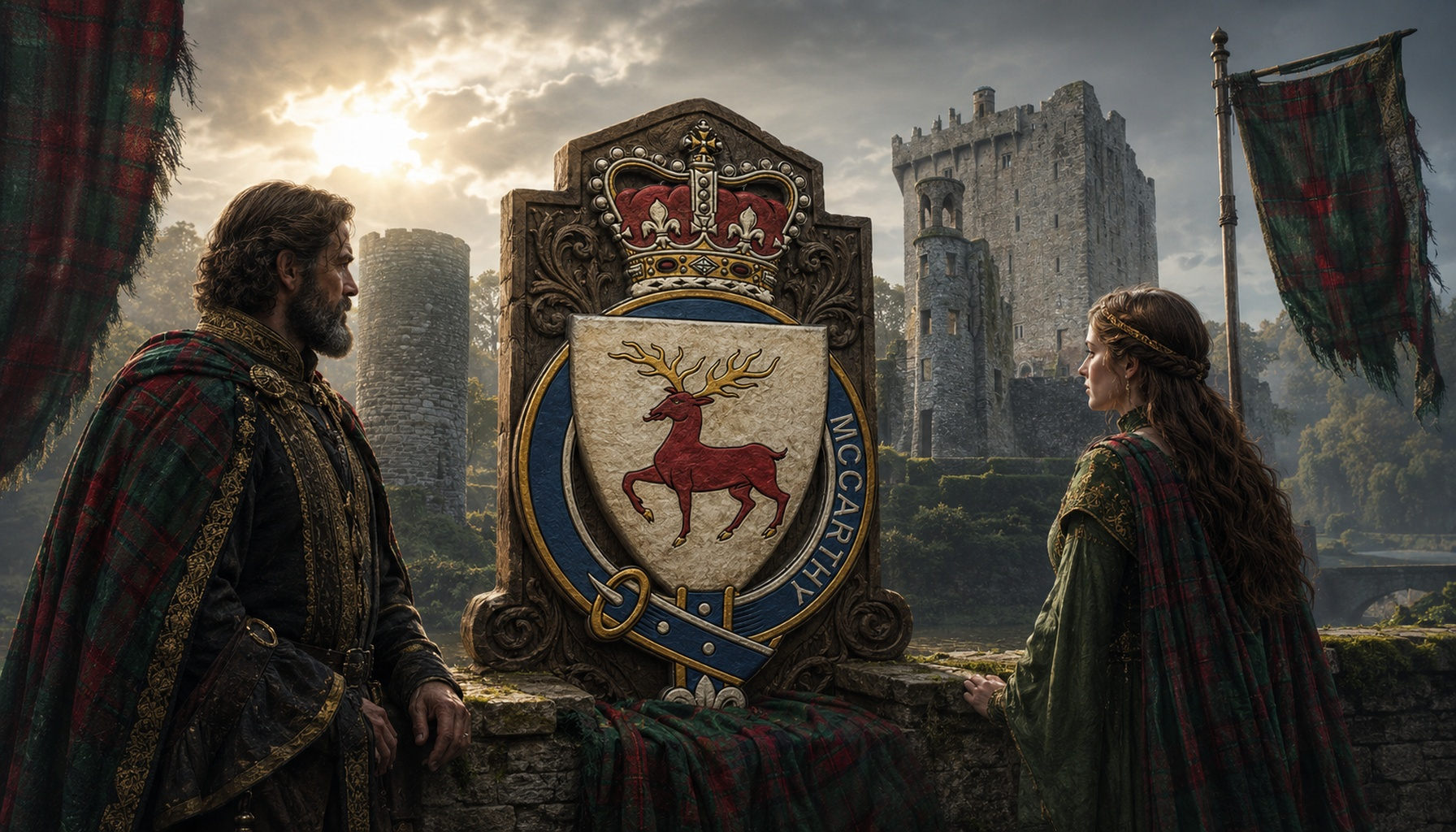
Haplogroups and Noble Lines Clan MacCarthy Clan MacCarthy Background Clan MacCarthy was one of the great Gaelic Irish dynasties of Munster in the south of Ireland, a family whose story is tied to kingship, land, warfare, poetry, and memory. Their name comes from Carthach, and the wider dynasty emerged from the old royal world of Desmond By Caterina • 3 min read
Haplogroups and Noble Lines The House of Beaumont Who were the Beaumonts? The House of Beaumont was one of those formidable Norman and Anglo-Norman noble families who seem to stride straight out of the great age of conquest, lordship, and castle-building. Their story begins in Normandy, in the world that produced the men who crossed the Channel, attached By Caterina • 3 min read
Haplogroups and Noble Lines The House of Anker House Anker Background The House of Anker was a Scandinavian noble family house closely associated with Denmark and Norway, rooted in that busy northern world of harbors, customs houses, counting rooms, estates, and royal service. Their primary linked haplogroup is I1a2b3a2a2, a branch that sits comfortably in a wider Scandinavian By Caterina • 2 min read
Haplogroups and Noble Lines Clan Newlands Clan Newlands Background Clan Newlands was not a royal house in the grand theatrical sense, but something much more recognisably Scottish: a place-rooted family tradition shaped by land, locality, and the stubborn continuity of a surname. The name itself is territorial in character, drawn from places known as new lands, By Caterina • 3 min read