Clan MacInnes
– 3 min read


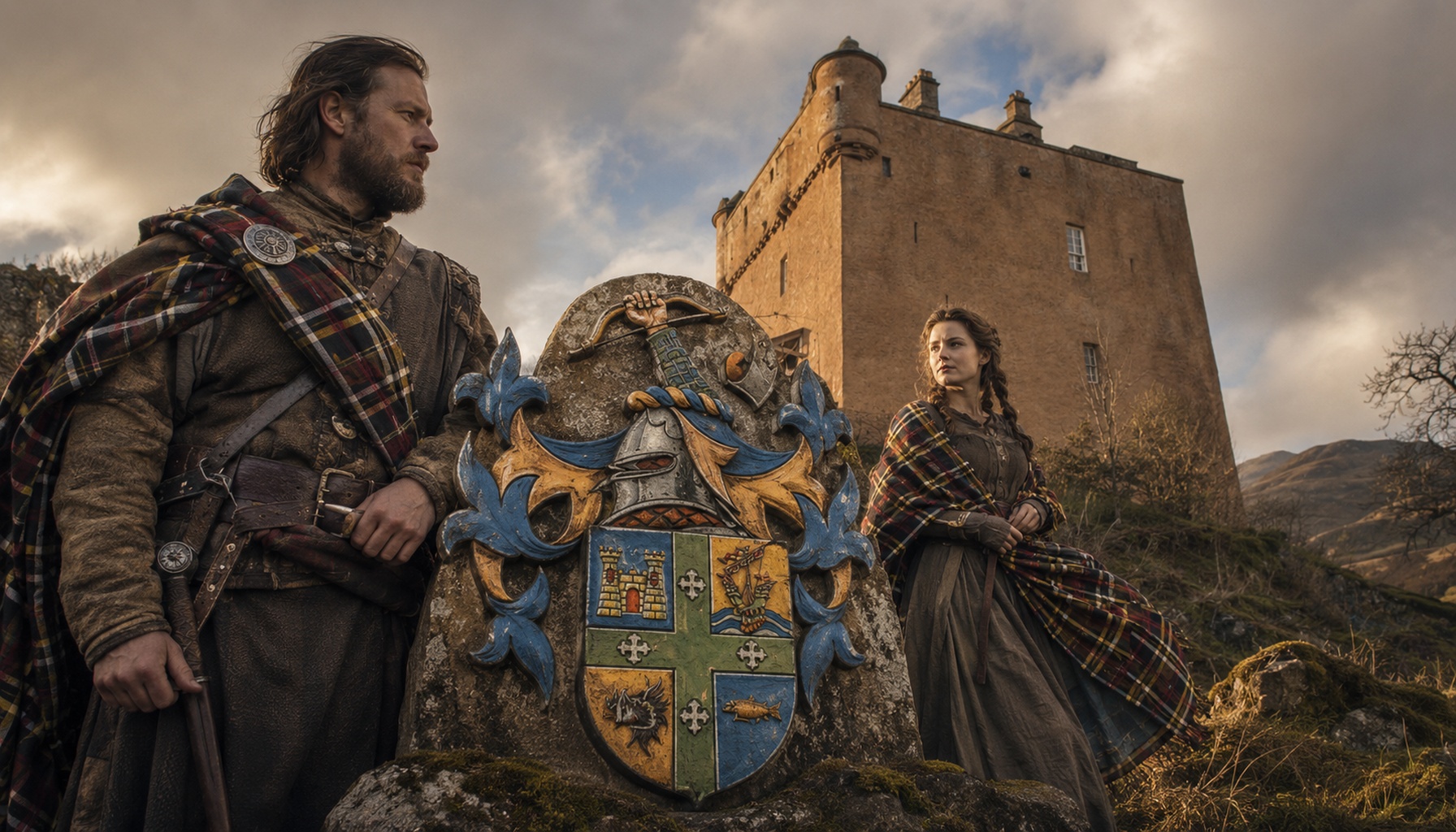
Clan MacInnes was one of the old Gaelic kindreds of the western Highlands, rooted above all in Morvern in Argyll and in the wider sea-laced world of Scotland's Atlantic coast. This was not a clan shaped by inland baronial grandeur so much as by kinship, boats, service, and memory: a family of the western seaways, where movement between mainland, island, and loch was part of ordinary life. In genetic tagging terms, the primary family haplogroup linked here is R1b1a1b1a1a2c1a1b, a branch well at home in the wider story of Atlantic and Celtic-speaking western Europe.
The MacInnes story belongs to that distinctly Highland pattern in which ancestry, territory, and allegiance all overlap, but never quite neatly. Their name and identity were preserved through Gaelic speech, inherited local tradition, and attachment to ancestral places even when politics shifted around them. Like many western Highland families, they were shaped by alliances and conflict with larger neighbouring powers, by migration within the coastal world, and by the stubborn continuity of surname and clan memory. Named figures such as Aonghais Mor in 1294 and Aonghais Og in 1330 give us glimpses of the family in the documentary record, reminding us that the clan was already established in the medieval period as part of the living political landscape of the western Highlands.
Read more about Clan MacKinnon
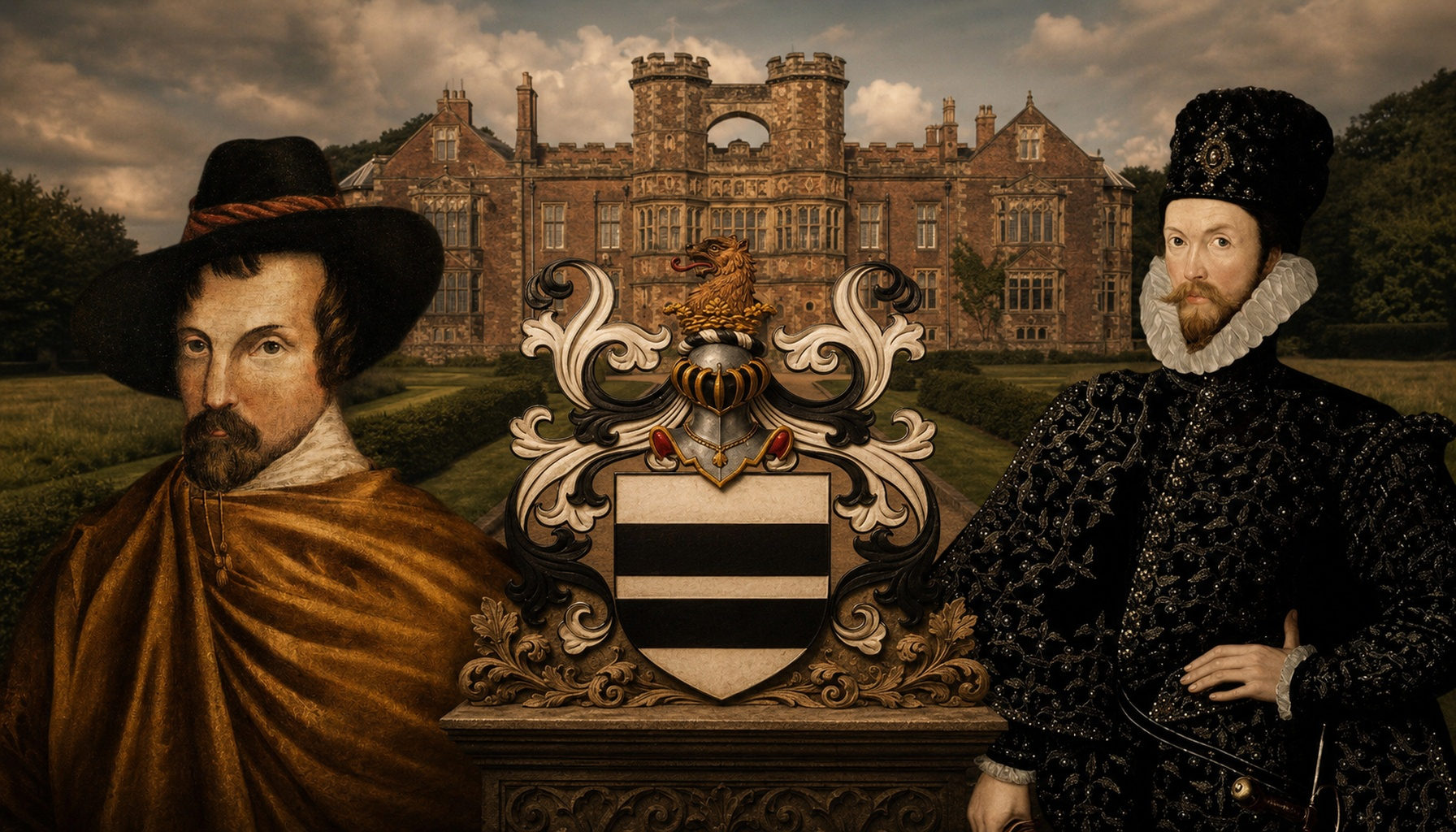
The great location anchor for Clan MacInnes is Kinlochaline Castle in Morvern, often affectionately known as the Butter Castle. It stands near Loch Aline, in one of those landscapes that seems to explain a clan all by itself: sea inlet, wooded slopes, narrow routes inland, and a horizon always open to movement by water. The castle traditionally associated with the MacInnes family is a tower house, long tied to their local presence and later history. The nickname "Butter Castle" is usually explained by the tradition that its mortar was mixed with butter, a wonderful Highland story that sounds faintly improbable and therefore all the more memorable. Historically, the site matters because it places the clan not in some vague romantic mist, but in a specific Morvern setting at the junction of lordship, coastal travel, and local defence. The castle survives and has been restored, and it can still be visited from the outside as a standing historic site in the Kinlochaline area, making it one of the most tangible ways to encounter MacInnes country today.
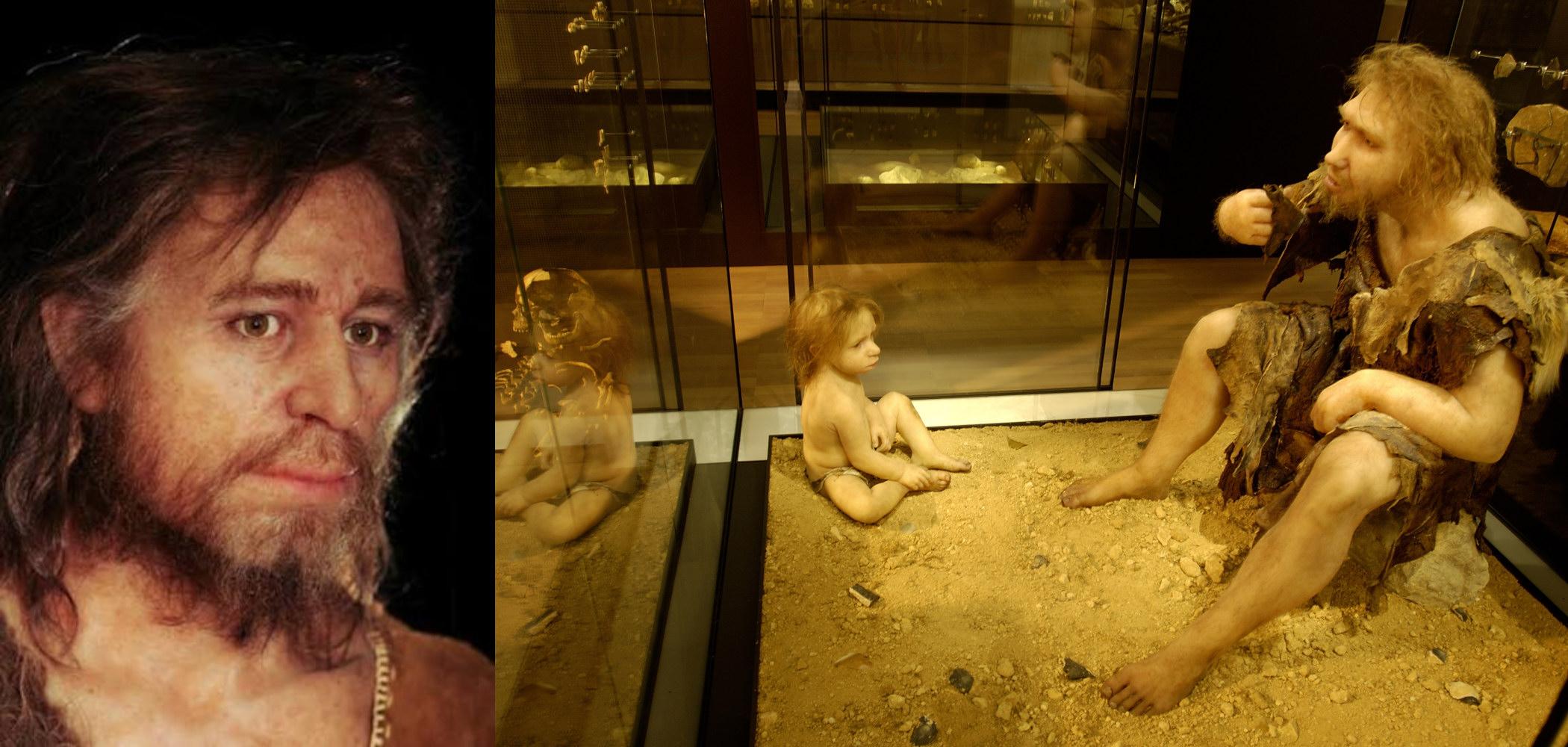
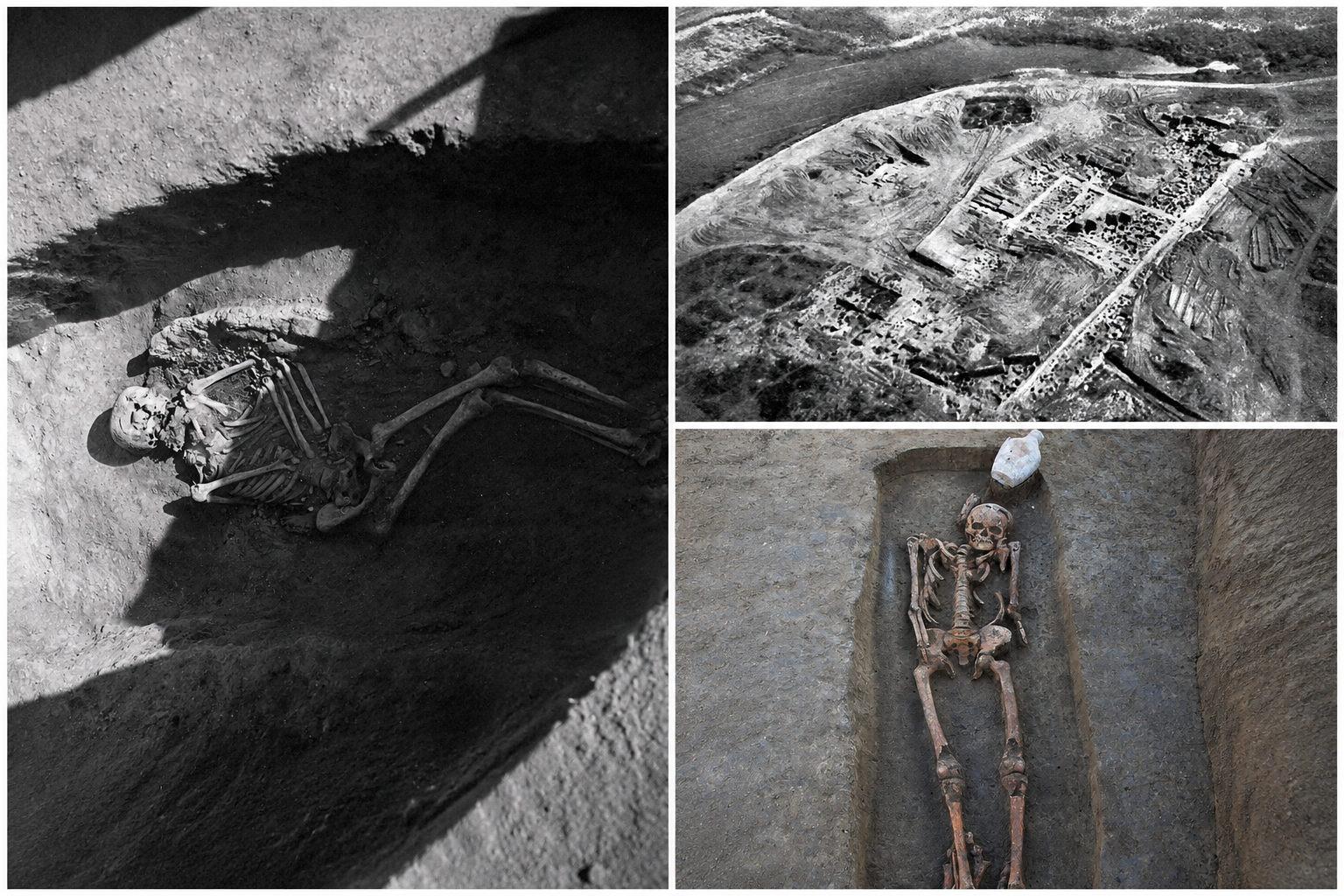
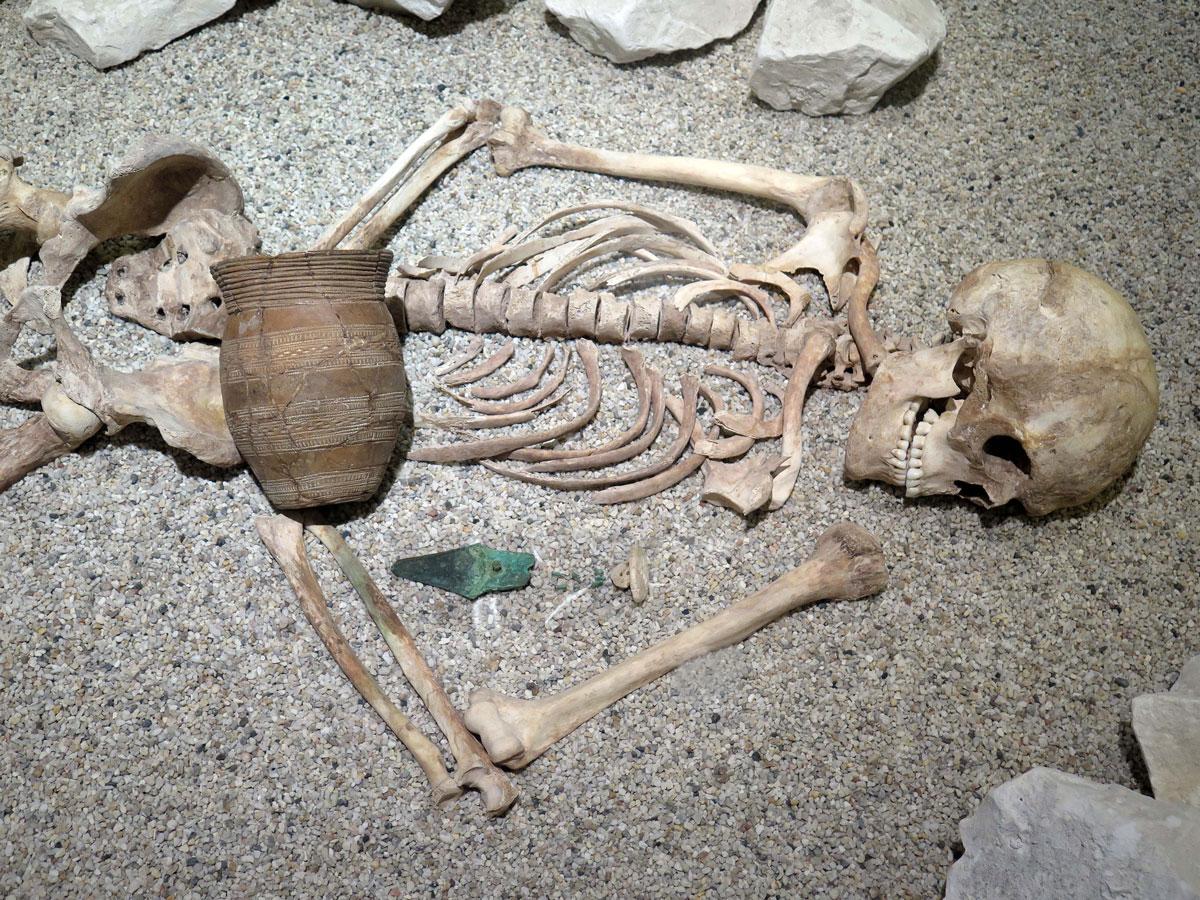
For ancient DNA, it is important to be careful. We should not claim direct descent from excavated individuals unless the evidence truly supports it. What we can say is that the primary MacInnes-linked haplogroup, R1b1a1b1a1a2c1a1b, appears among a broad set of related or linked ancient samples spread across Britain and beyond, which helps place the clan within a much deeper western European genetic landscape. Particularly striking are multiple Celtic Durotriges samples from Duropolis at Winterborne Kingston in England, including WBK12, WBK20, WBK29, WBK41, WBK05, WBK30, WBK43, WBK06, WBK08, WBK18, and WBK191. They sit alongside linked finds from Iron Age and later Britain such as Applecross in Highland Scotland, Mine Howe in Orkney, Broxmouth in East Lothian, East Kent, Pocklington, Worlebury, Rowbarrow, Yarnton, and Suddern Farm. There are also related linked samples from Roman, medieval, and post-Roman contexts stretching into Spain, France, Belgium, Germany, Ireland, Croatia, Austria, Portugal, Hungary, and Scandinavia. In other words, this haplogroup belongs to a long and mobile paternal story found in Celtic, Brittonic, Pict-associated, Roman-era, and medieval populations around the Atlantic zone and western Europe more broadly, which is exactly the kind of deep background one might expect for a clan of the Gaelic western seaways.
Read more about Clan MacQuarrie
If you carry the MacInnes name, have family roots in Morvern, Argyll, or the western Highlands, or simply suspect a link to this Gaelic coastal world, DNA can add another layer to the story. Uploading your results can help you explore whether you match Clan MacInnes connections or related ancient DNA samples from Iron Age, Pict-era, Roman, and medieval Britain and Europe. Family history is rarely a straight line, but it is often a wonderfully traceable one.
Comments