Clan MacQuarrie
– 3 min read


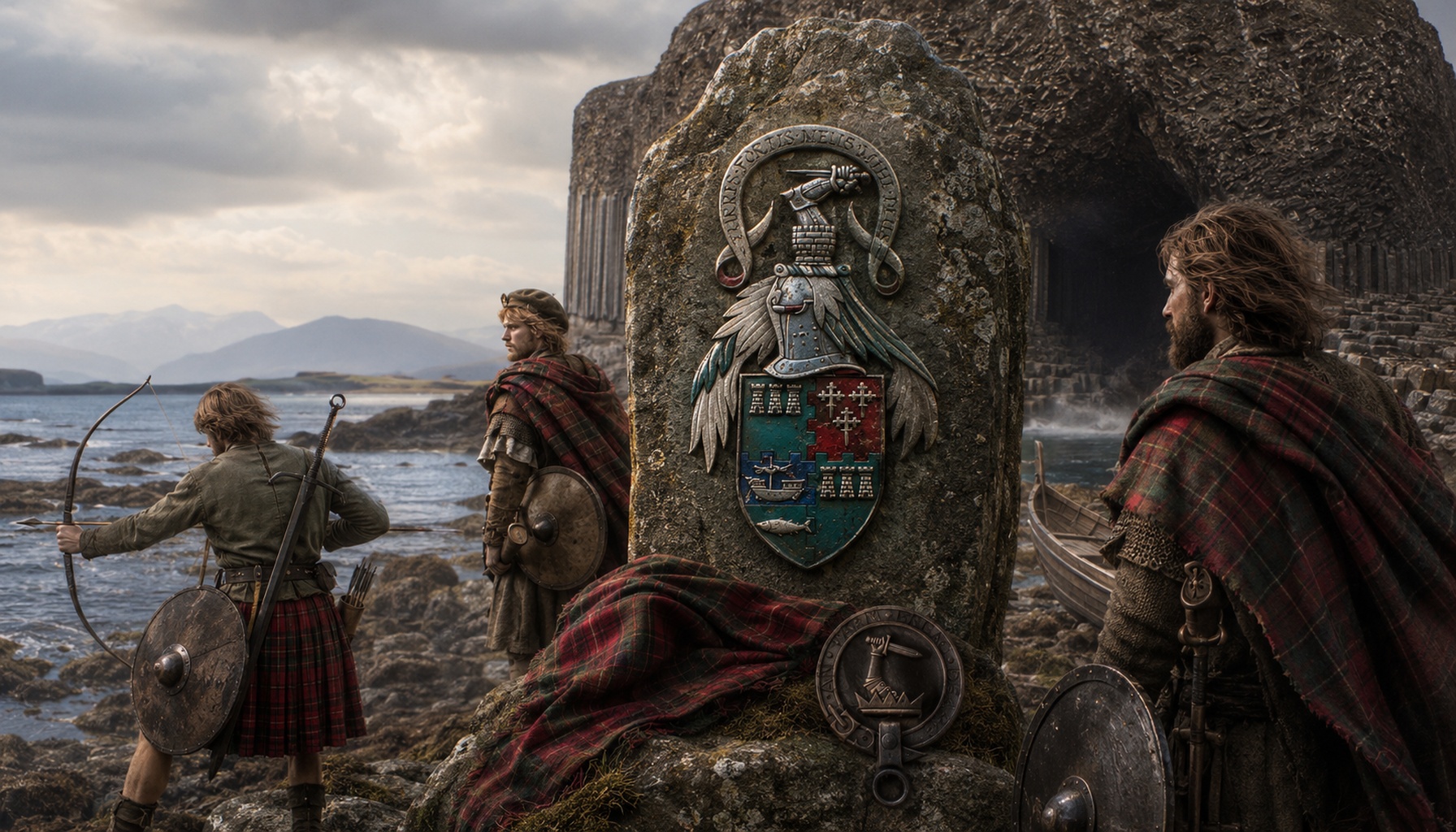
Clan MacQuarrie was one of the old Highland kindreds of Scotland's western seaboard, rooted above all in Ulva, with close ties to Mull and the wider Hebridean world. This was not a clan formed in some abstract tartan mist, but in a very real island landscape of sea lanes, rocky coasts, small lordships, kin alliances, and Gaelic speech. The MacQuarries belonged to that recognisably Hebridean pattern in which family, territory, and maritime movement all ran together. Their primary family haplogroup is tagged here as R1b1a1b1a1a2c1a1f1a3, a lineage linked with wider paternal histories seen across parts of Atlantic and Celtic Europe.
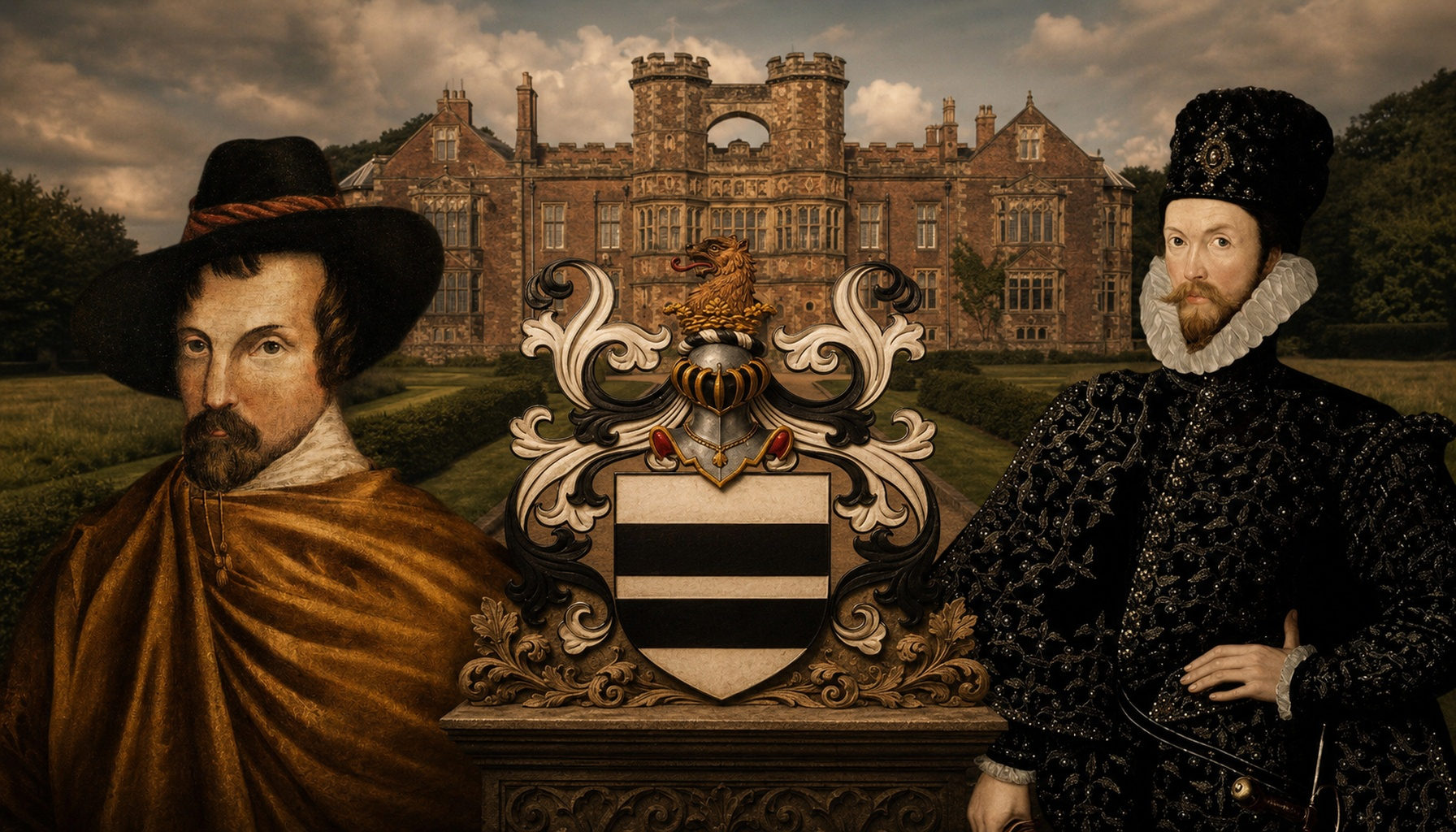
The family background is richer than a simple note of chiefs and dates. MacQuarrie identity grew out of landholding on Ulva, connections across the Inner Hebrides, and the ability to survive politically in a region shaped by the legacy of the Lordship of the Isles, shifting Crown authority, and the practical business of island life. Boats mattered as much as boundaries. So did marriage, fosterage, local reputation, and the memory of who belonged where. Heraldry and later genealogical tradition helped preserve that identity even as branches dispersed, fortunes changed, and the old island order gave way to modern Scotland. Among named historical figures, John Macquarrie of Ulva is on record in 1473, a useful glimpse of the family in its territorial setting rather than merely in legend.
A powerful location anchor for MacQuarrie heritage is Fingal's Cave, on the island of Staffa, not far from Ulva and Mull in the same dramatic maritime zone that shaped the clan's world. Fingal's Cave is famous for its remarkable basalt columns, formed by ancient volcanic activity, which create that eerie geometric look one associates with the Giant's Causeway in Ireland. The cave itself is sea-cut, with a high arched interior where the swell and echo do half the work of the spectacle. It became especially celebrated from the eighteenth century onward, drawing visitors, artists, and composers who saw in it a natural monument of the Hebrides. For a clan story, it matters because it reminds us how this region was experienced: not as isolated scraps of land on a map, but as a connected seascape of islands, sounds, caves, landing places, and remembered routes. Staffa and Fingal's Cave can still be visited today, typically by boat excursions from Mull or nearby points, weather permitting, which is about as Hebridean a qualification as one could imagine.
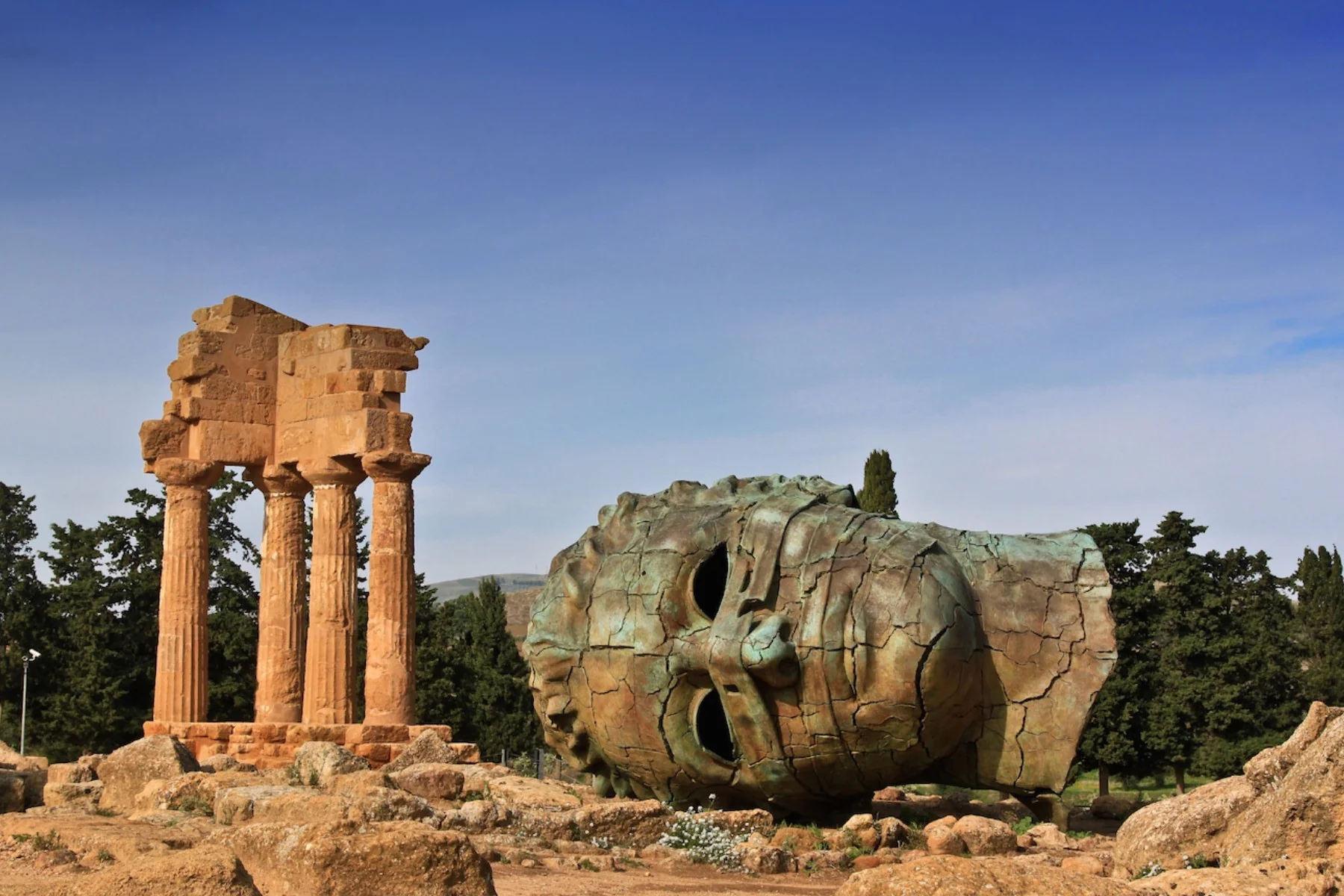
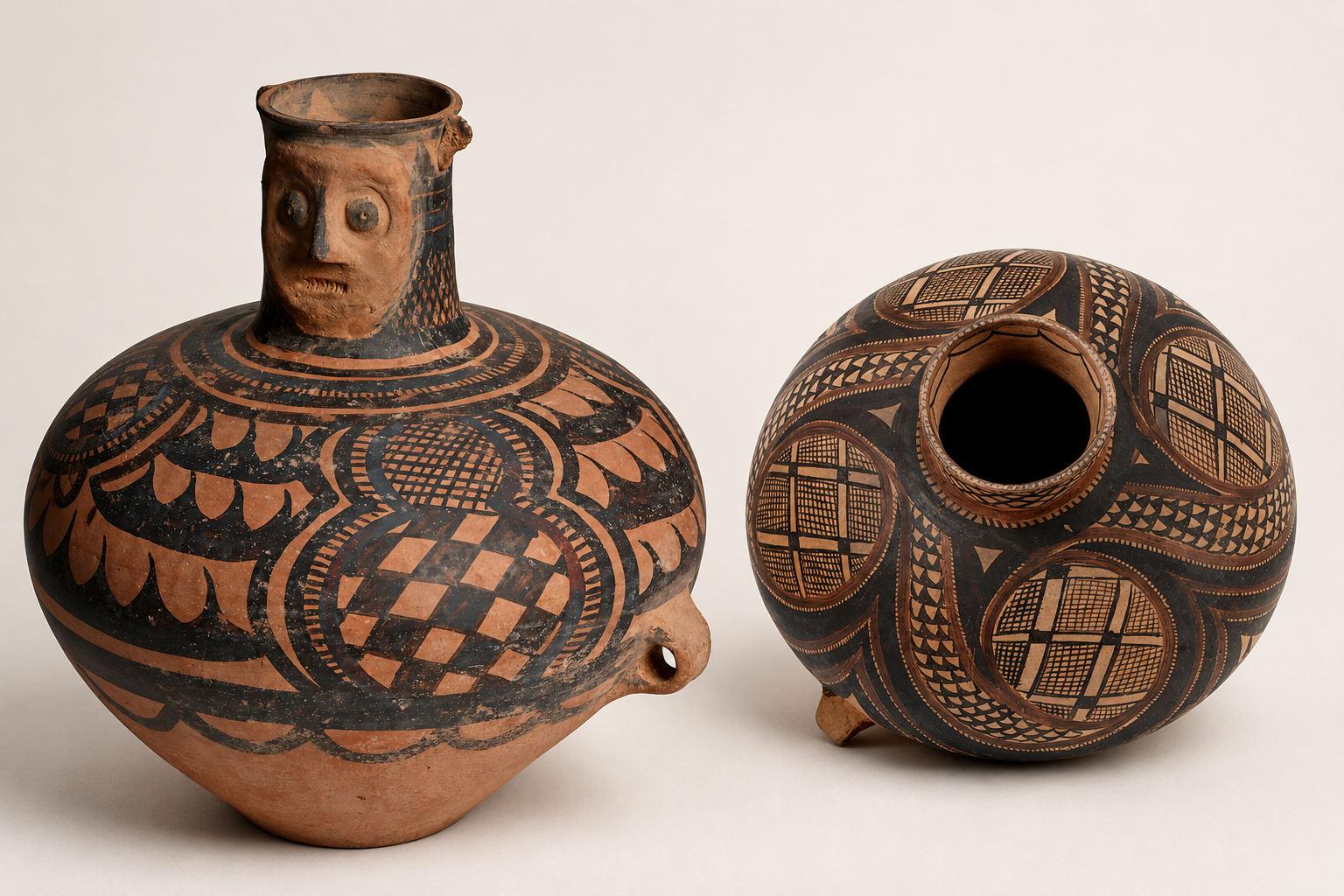
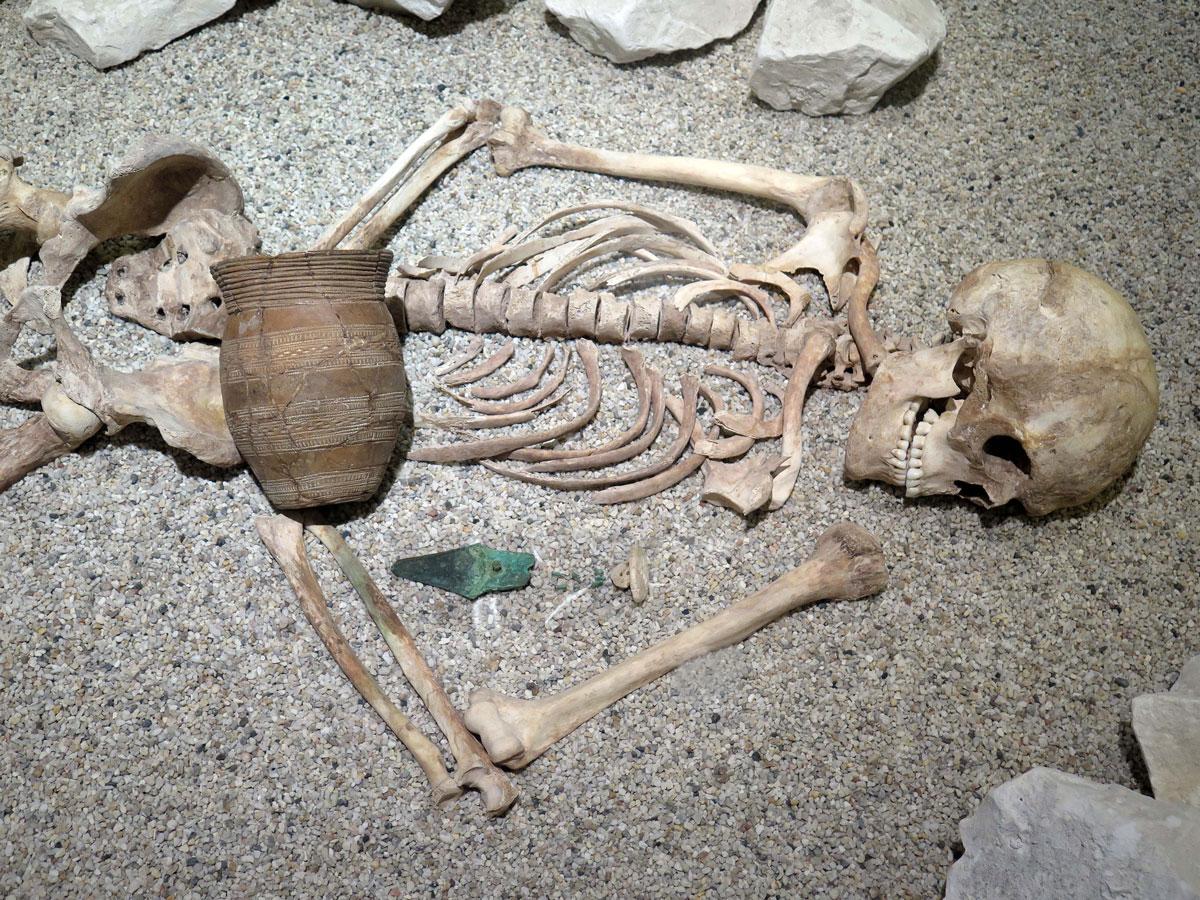
For those interested in deep paternal history, the MacQuarrie haplogroup tag R1b1a1b1a1a2c1a1f1a3 can be placed in a broader ancient-DNA landscape through related or linked samples rather than any claim of direct descent. These include a notable cluster from Celtic Durotriges England Duropolis Winterborne Kingston, such as WBK12, WBK20, WBK29, WBK41, WBK05, WBK30, WBK43, WBK06, WBK08, WBK18, and WBK191, along with other linked finds from Imperial Roman Era Zadar Croatia (I26776), Bronze Age Orkney Westray Links of Noltland (KD061), Bronze Age Calabria Cosenza Grotta della Monaca Sant Agata di Esaro (GMO015), Early Medieval Belgium Sint-Truiden Groenmarkt (ST2025), Medieval Belgium Outsider Sint-Truiden Onze-Lieve-Vrouwekerk (ST1308), Gallic France Parancot (CGG023699), Post Roman Era Worth Matravers Dorset England (I11580), Merovingian Grave Alt-Inden Germany (IND013), Late Roman Era Klosterneuburg Lower Austria (R10656), Late Roman Conimbriga Portugal (R10488), Celtic Briton Oxfordshire Yarnton England (I21182), Iron Age Worlebury Somerset England (I11991), Iron Age Hillfort Battlesbury Bowl England (I21309), Bronze Age Trumpington Meadows Cambridge England (I3256), Bronze Age Amesbury Down Wiltshire England (I2417), Bell Beaker Wiltshire Upavon England (I4950), Bronze Age Bedfordshire England (I7576 and I7577), Bronze Age Boatbridge Quarry South Lanarkshire Scotland (I5473), Celt Hinxton Iron Age (HI2), Early Bronze Age England Thames (I5377), and Ireland Copper Age Rathlin2B. Taken together, these linked samples sketch a long, mobile western European story of Bronze Age, Iron Age, Roman, and early medieval populations among whom related paternal branches circulated.
Explore ancient DNA and Celtic origins
MacQuarrie history is, in the end, a story of island continuity: of Ulva and Mull, of Gaelic kinship, of local authority carried across the water, and of a family name that endured through dispersal without losing its sense of origin. If you have MacQuarrie ancestry, or simply suspect western Highland roots, you can upload your DNA to MyTrueAncestry and see whether you match the family or any of these related ancient DNA samples.
Comments