Clan MacLachlan
– 3 min read


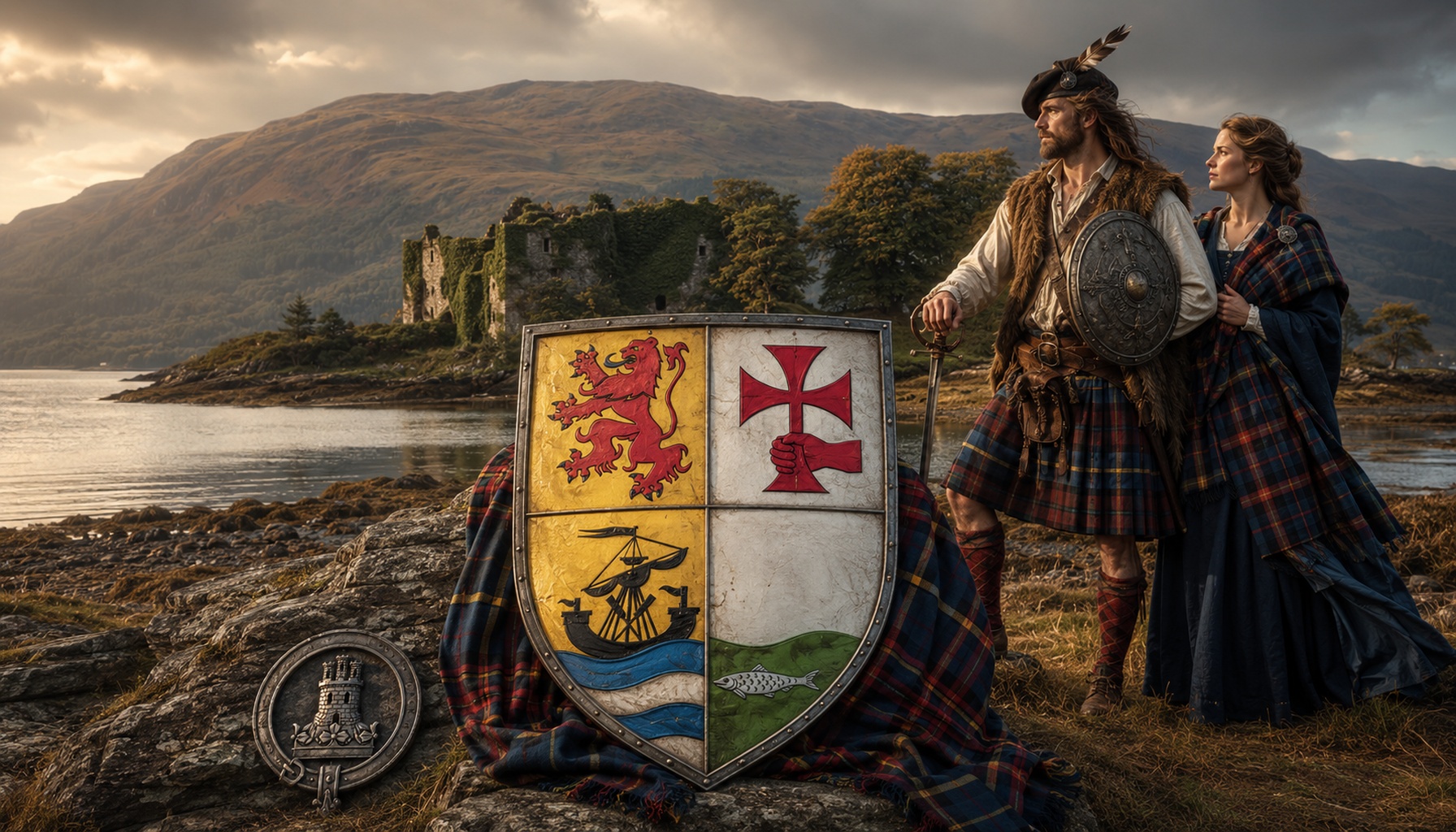
Clan MacLachlan was a Highland Scottish clan of Argyll, rooted above all in Strathlachlan on the eastern shore of Loch Fyne, and remembered as part of the old Gaelic west where family, land, lordship, and memory were tied tightly together. Their primary family haplogroup is tagged here as R1b1a1b1a1a2c1a1a1a1a1a1a2a2, a lineage associated in this context with the wider paternal story of Gaelic Atlantic populations rather than as proof for every bearer of the surname. In historical terms, the MacLachlans fit the classic western Highland pattern: a kindred shaped by chiefship, territorial authority, military obligation, and loyalty to ancestral ground.
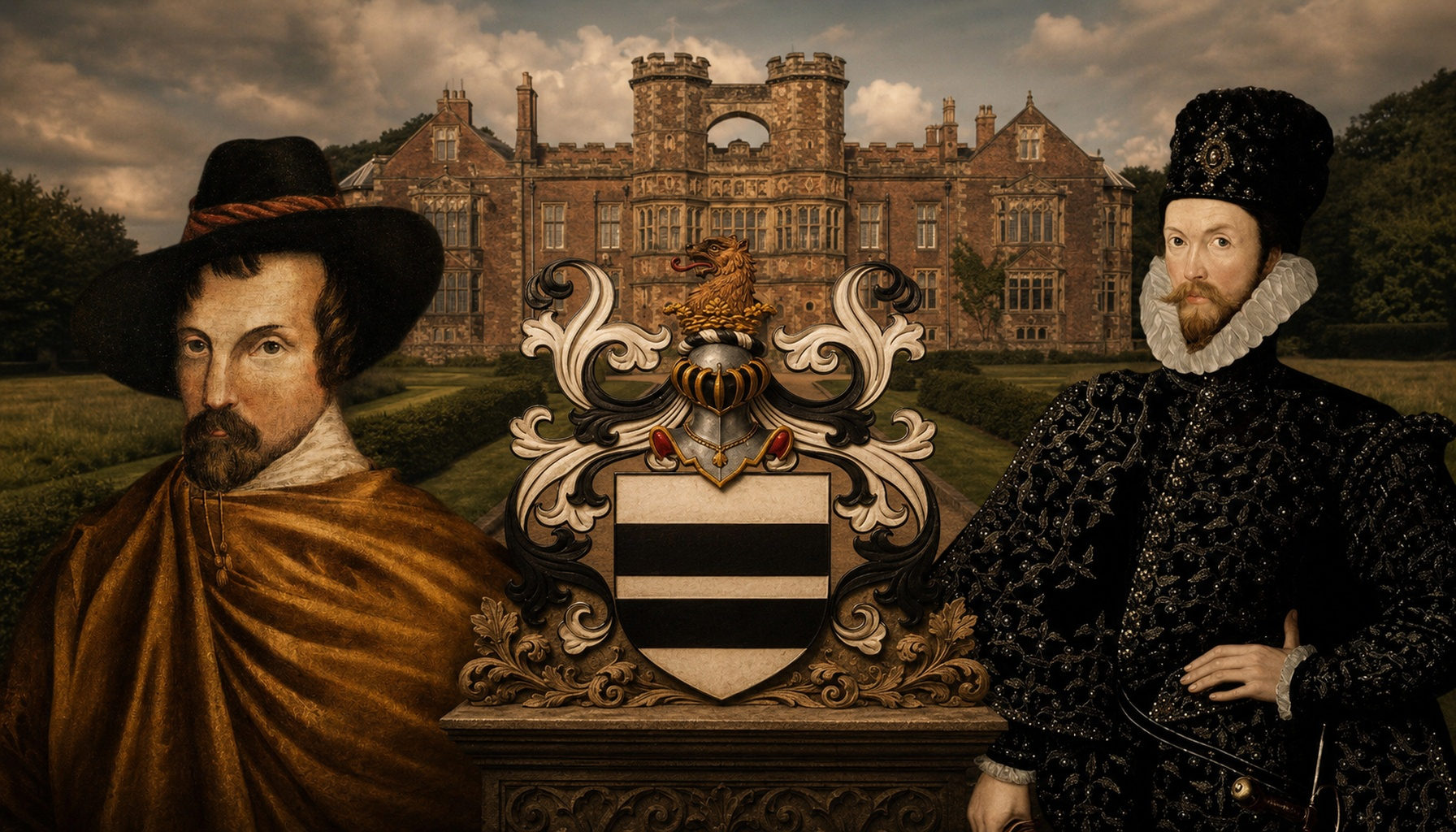
The family emerged in a world where Norse influence, Gaelic speech, church patronage, and local power all overlapped across Argyll and the Hebridean seaways. This was not simply a surname floating free in the records, but a landed clan whose continuity depended on holding territory, managing alliances, and surviving the very untidy political weather of medieval and early modern Scotland. One of the early named figures is Gilchrist Maclachlan, recorded in 1230, a reminder that by the 13th century the family was already visible within the documentary landscape of the west Highlands. Heraldry, castle associations, and the authority of the chiefs all helped preserve MacLachlan identity through centuries of change, even as the wider clan system adapted to crown power, civil conflict, and the aftermath of Jacobite politics.
The great location anchor of the clan is Old Castle Lachlan, standing on the shore of Loch Fyne in Argyll, near the heartland of Strathlachlan. It is exactly the sort of place that makes Highland history feel less abstract: not just stones, but a statement about who belonged there and who ruled there. The old tower and courtyard castle, associated with the chiefs of Clan MacLachlan, dates in its surviving form mainly to the 15th century, though the site itself points to longer occupation and authority. Perched beside the water, it controlled a landscape of sea routes, local communications, and agricultural ground, and it embodied the chief's role as both household head and territorial lord. Later the family shifted to a newer residence nearby, leaving the older stronghold as a ruin, but that ruin is part of the point. It still carries the memory of the clan's long residence in the district. Old Castle Lachlan can still be viewed and visited from the area, and it remains one of the most evocative surviving landmarks tied to MacLachlan heritage.
From an ancient DNA angle, the MacLachlan haplogroup tag R1b1a1b1a1a2c1a1a1a1a1a1a2a2 sits within a wider paternal landscape seen in medieval Gaelic-linked populations around Ireland and the North Channel world. Related or linked samples include a large cluster from Medieval Ireland at Ballyhanna, County Donegal, such as Sk197an, Sk197y, Sk197q, Sk197am, Sk197s, Sk197ab, Sk197u, Sk197t, Sk197r, Sk197ad, Sk197x, Sk197n, Sk197aa, Sk197z, Sk197ak, Sk197w, Sk197ai, Sk197m, Sk197ah, Sk197ag, Sk197v, Sk197ac, Sk197al, Sk197af, Sk197ae, Sk197o, Sk197aj, HAN197x, Sk197a through Sk197p, along with HAN197, and further medieval Irish-linked examples from Kilteasheen in Roscommon including KIL041, KIL044, and KIL014. These do not prove direct descent from Clan MacLachlan, and should not be read that way. What they do offer is something more interesting historically: a genetic backdrop consistent with the broader Gaelic world from which western Highland clans drew language, culture, kinship traditions, and in some cases deep paternal connections across the Irish Sea zone.
Read more about Clan Mac Suibhne
If you carry MacLachlan ancestry, or simply suspect a connection to the Gaelic families of Argyll, uploading your DNA can add another layer to the story. MyTrueAncestry lets you explore whether you match Clan MacLachlan, its haplogroup signature, or related ancient DNA samples from the medieval Gaelic world.
Comments