Clan Lamont
– 3 min read


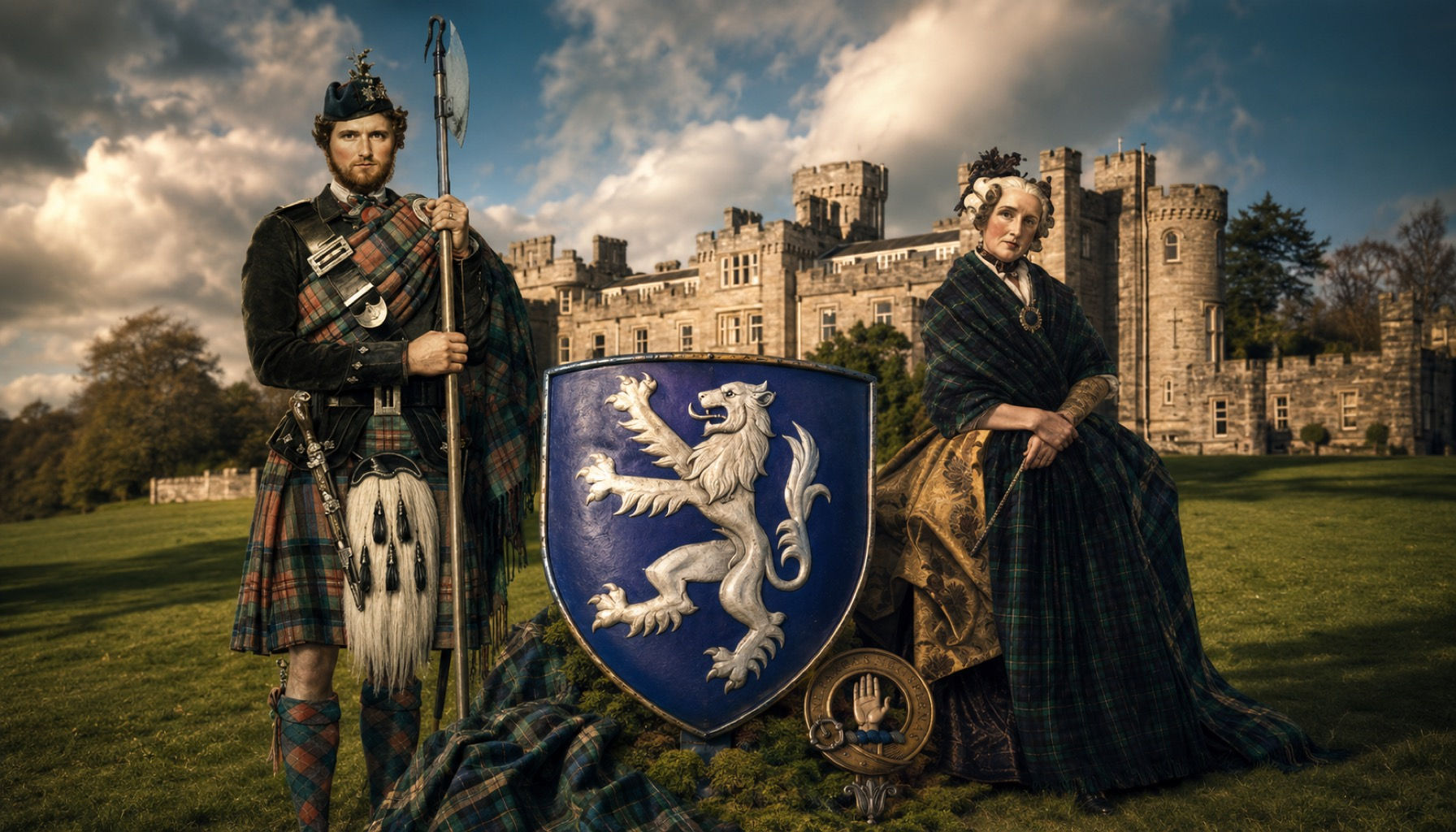
Clan Lamont was one of the old Highland kindreds of Cowal in Argyll, rooted in the Gaelic-speaking west of Scotland and remembered for exactly the things that made a clan a clan: chiefship, land, loyalty, fighting service, and an unshakable attachment to ancestral ground. Their heritage belongs to that wider western Highland world shaped by sea-lochs, kin networks, Norse-Gaelic contact, and the long endurance of Gaelic custom. In genetic tagging terms, the primary family haplogroup linked here is R1b1a1b1a1a2c1a1a1a1a1a1a1, a branch that sits comfortably within the broader Atlantic-facing story of Gaelic populations.
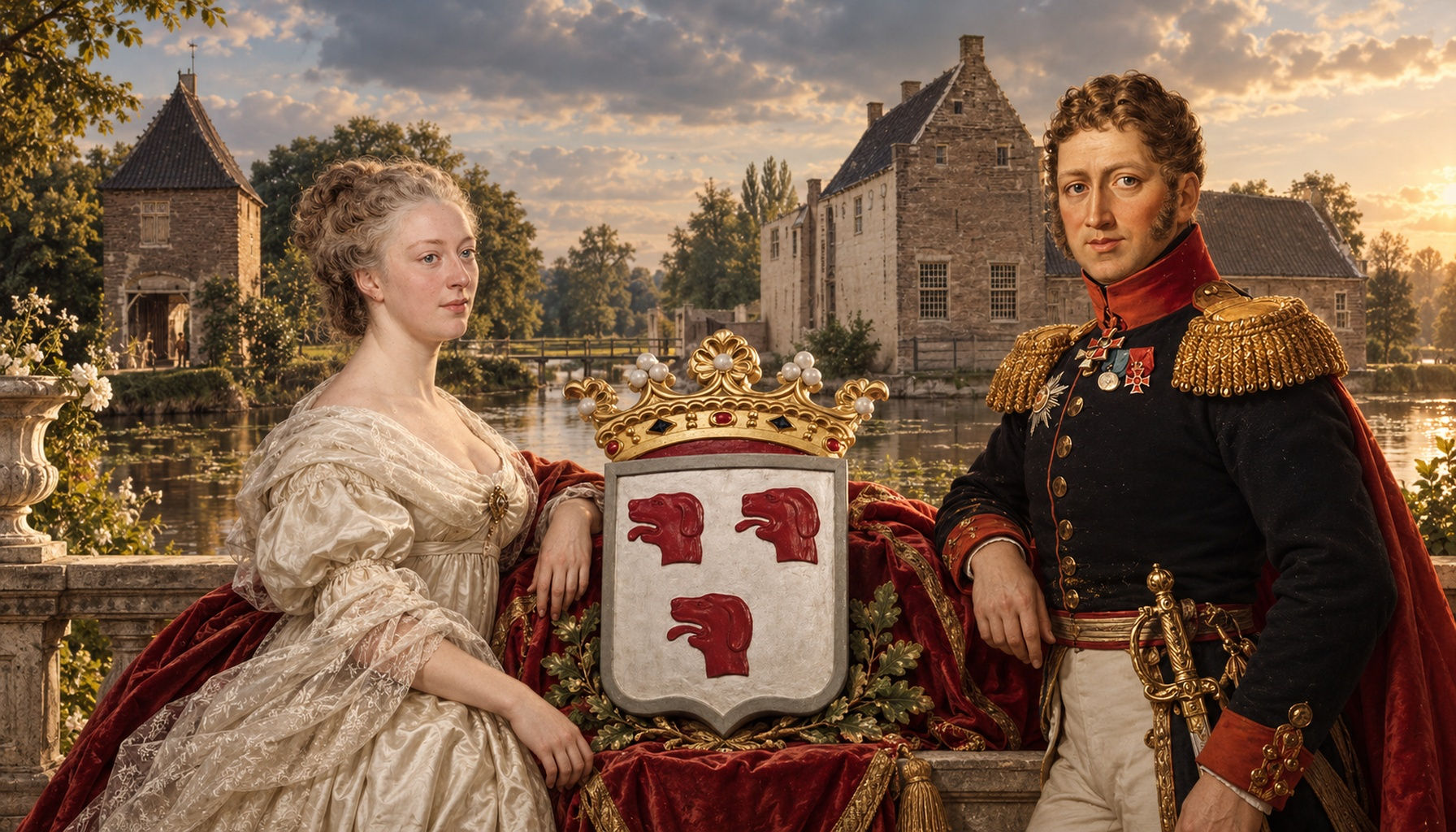
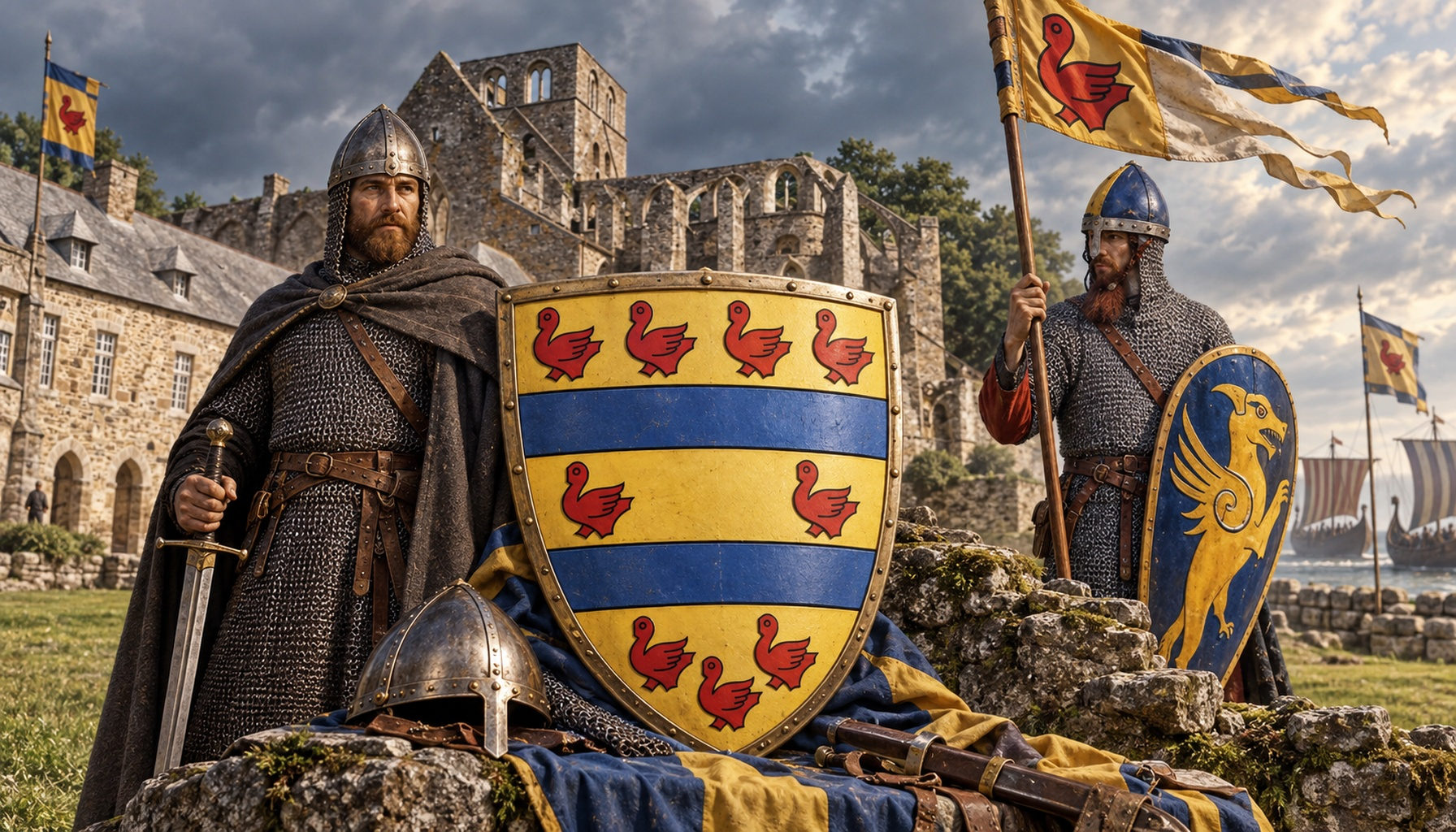
The Lamonts emerged historically in Cowal, the peninsula between Loch Fyne and the Firth of Clyde, where power was never simply a matter of owning land on parchment. It rested on recognition, memory, descent, and the ability of a leading family to hold followers together across generations. The clan appears in medieval record through figures such as Sir Laumon in 1235, an early named anchor for the lineage. From there the Lamonts developed as a regional force, with castles, heraldry, oral tradition, and a reputation forged in both authority and conflict, especially in the hard-edged politics of Argyll. Like many Highland families, they endured loss and dispossession, yet the name survived because family identity survived, carried in story, surname continuity, and the persistent sense that the Lamonts belonged to Cowal and Cowal to them.
A key location anchor for Lamont heritage is Castle Toward on the south Cowal coast, near Toward Point, looking out across the Firth of Clyde. The earlier castle site is associated with the Lamonts, and the position tells you a great deal about Highland lordship in the west: this was a world connected by water as much as by road, where visibility, defensibility, and access to sea routes mattered enormously. The later baronial mansion now known as Castle Toward was built in the 19th century, replacing the older stronghold in the landscape but preserving the importance of the site itself. In other words, the stones changed, but the place remained a marker of status and territorial memory. The estate and grounds have long been notable in local history, and the site can still be visited in the broader sense that Castle Toward remains a known and accessible heritage landmark from the outside and through the surrounding area, though practical access to the building itself may vary depending on ownership and current conditions.
From an ancient-DNA perspective, the Lamont story sits beside a wider network of R1b1a1b1a1a2c1a1a1a1a1a1a1-linked or related samples from the Gaelic and Norse-Gaelic world rather than being something isolated. Particularly striking are the many medieval individuals from Ballyhanna, County Donegal, Ireland, including Sk197an, Sk197y, Sk197q, Sk197am, Sk197s, Sk197ab, Sk197u, Sk197t, Sk197r, Sk197ad, Sk197x, Sk197n, Sk197aa, Sk197z, Sk197ak, Sk197w, Sk197ai, Sk197m, Sk197ah, Sk197ag, Sk197v, Sk197ac, Sk197al, Sk197af, Sk197ae, Sk197o, Sk197aj, HAN197x, Sk197a, Sk197b, Sk197c, Sk197d, Sk197e, Sk197f, Sk197g, Sk197h, Sk197i, Sk197j, Sk197k, Sk197l, Sk197p, and HAN197. Added to that are medieval Irish comparanda from Kilteasheen in Roscommon, including KIL041, KIL044, KIL033, KIL037, KIL009, and KIL014, as well as more northerly Atlantic-world links such as Viking Age Hofstadir in Iceland sample VK95 and Medieval Sandoy Church in the Faroe Islands sample VK44. These do not prove direct descent from Clan Lamont, and it would be wrong to pretend they do. What they offer instead is a vivid genetic backdrop: a connected Atlantic zone of medieval populations among whom lineages related to the Lamont-associated haplogroup were circulating.
If you carry Lamont ancestry, Highland roots, or a western Scottish surname with a Gaelic story behind it, DNA can add another layer to the history. Upload your results to MyTrueAncestry and see how your family background may connect with the deeper genetic landscape of medieval Ireland, Scotland, and the North Atlantic world.
Comments