Clan Crichton
– 2 min read


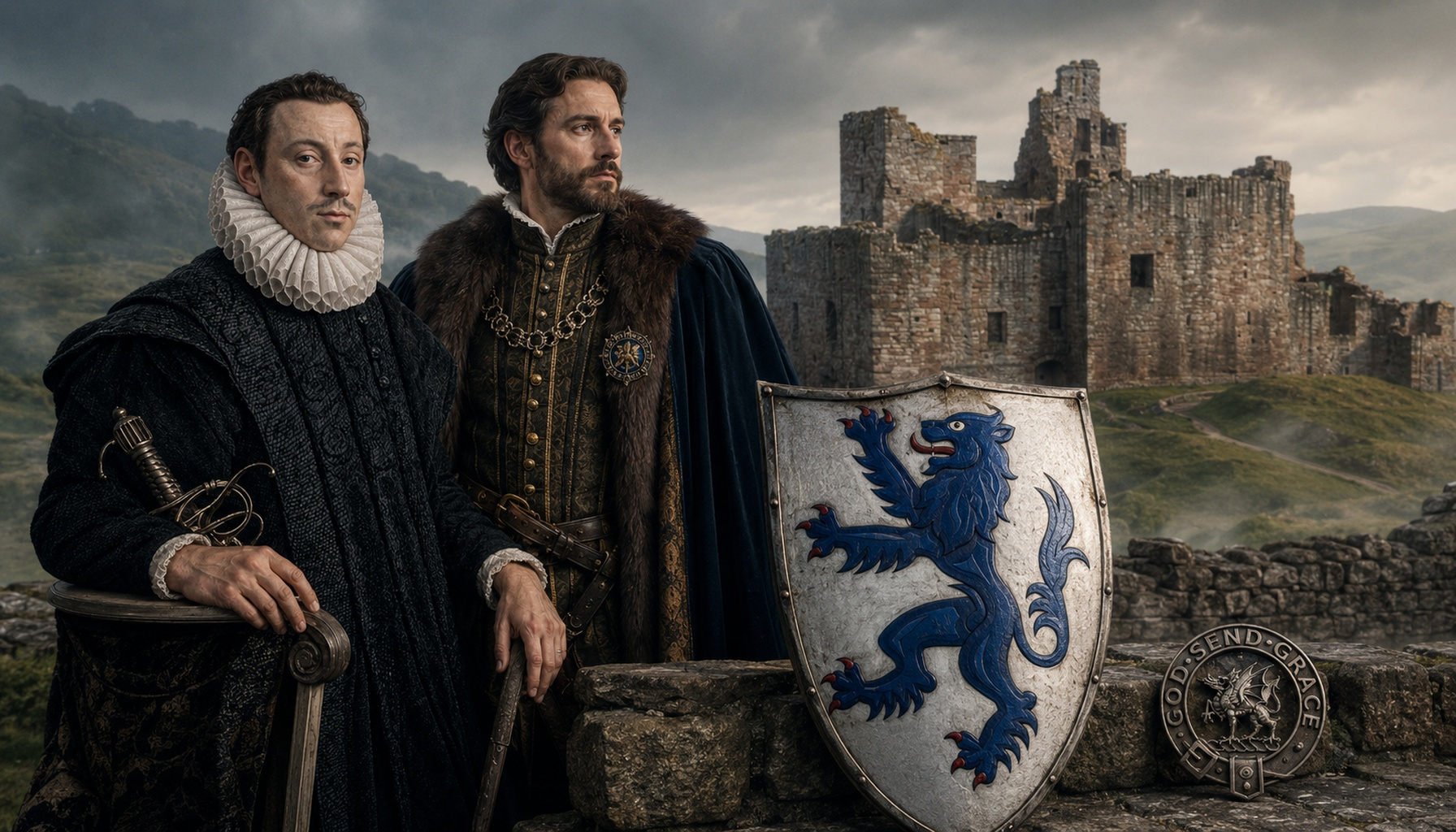
Clan Crichton was one of the notable noble families of Scotland, rooted above all in Midlothian and closely tied to the world of lordship, royal service, and fortified power. Their name came from the lands of Crichton in southeast Scotland, and from that local base they rose into the aristocratic society of medieval and early modern Scotland. The primary haplogroup linked here is R1b1a1b1a1a2c1a1d1a3, a branch within the broader R1b family that appears widely across the historical populations of Britain and northwest Europe.
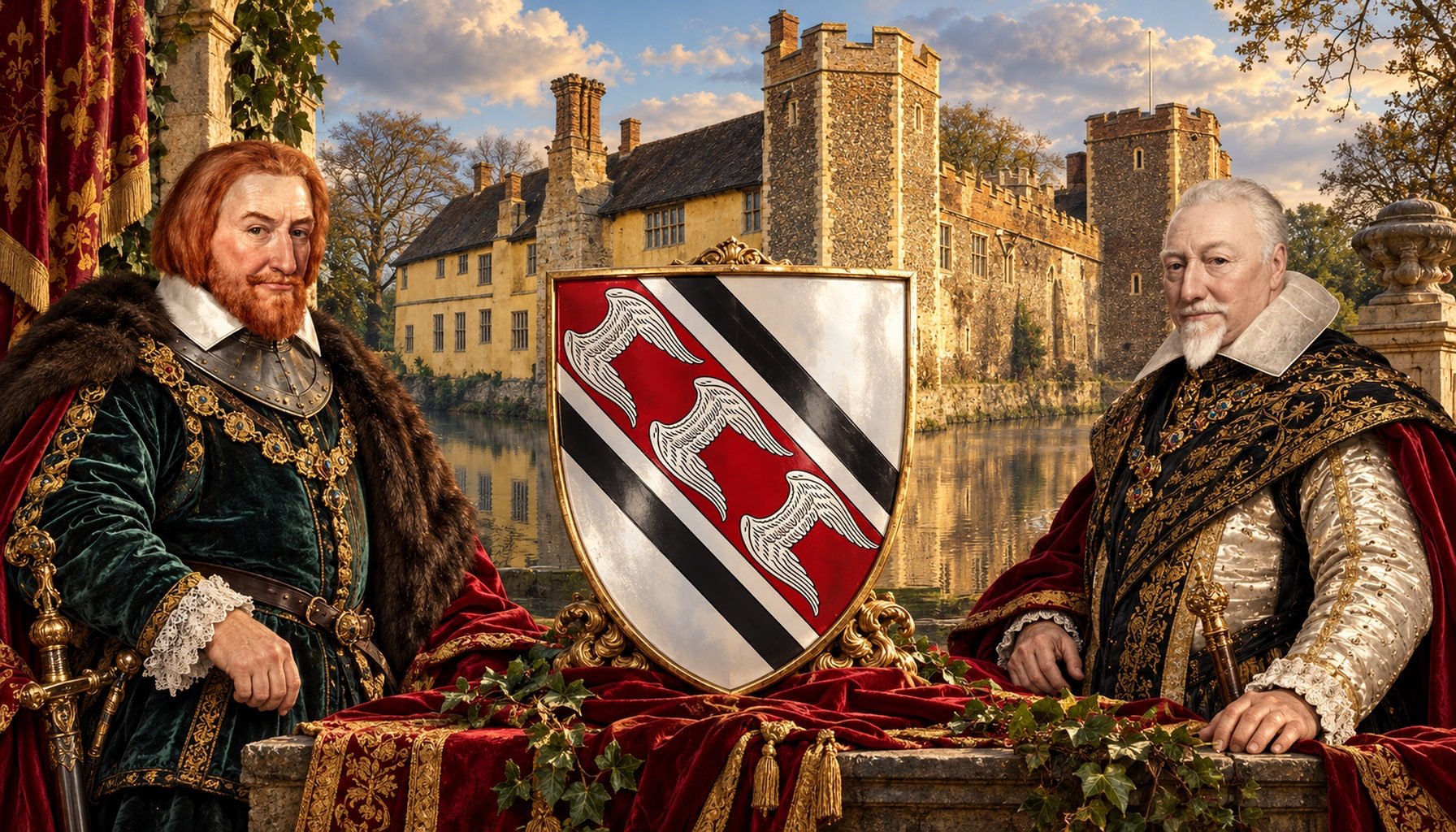
The Crichtons are a fine example of how a Scottish noble kindred actually worked in practice. This was not simply a surname floating through history, but a landed family whose influence was built through estates, marriage alliances, office-holding, and proximity to the crown. The early record of Thurstan de Crechtune in 1128 shows the family already anchored in the documentary world of feudal Scotland, when charters, land grants, and church patronage were helping shape a new political order. By the later Middle Ages, men such as Sir Robert Crichton of Sanquhar, noted in 1464, show the family branching into different lines while remaining firmly embedded in the politics and status culture of the kingdom. Heraldry, noble titles, and castle ownership were not decorations on the edge of Crichton history; they were the machinery of identity and authority itself.
The family's great location anchor is Crichton Castle in Midlothian, one of the most striking noble residences in lowland Scotland. The site began as a medieval fortress and was developed over centuries into a residence that reflects changing tastes in power, defense, and display. What makes it especially memorable is that mixture of old strength and later sophistication: tower-house solidity on the one hand, and on the other a more courtly architectural ambition, including the famous courtyard facade with its diamond-pattern masonry associated with later rebuilding. Like so many aristocratic seats, it was not merely a home but a statement, announcing lineage, ambition, and connection to national affairs. Its history also intersects with some of the dramatic turns of Scottish politics, including forfeitures and changing ownership. Best of all, Crichton Castle still survives as a historic monument and can be visited today, which means Crichton heritage is not locked away in parchment alone but still stands in stone in the Midlothian landscape.
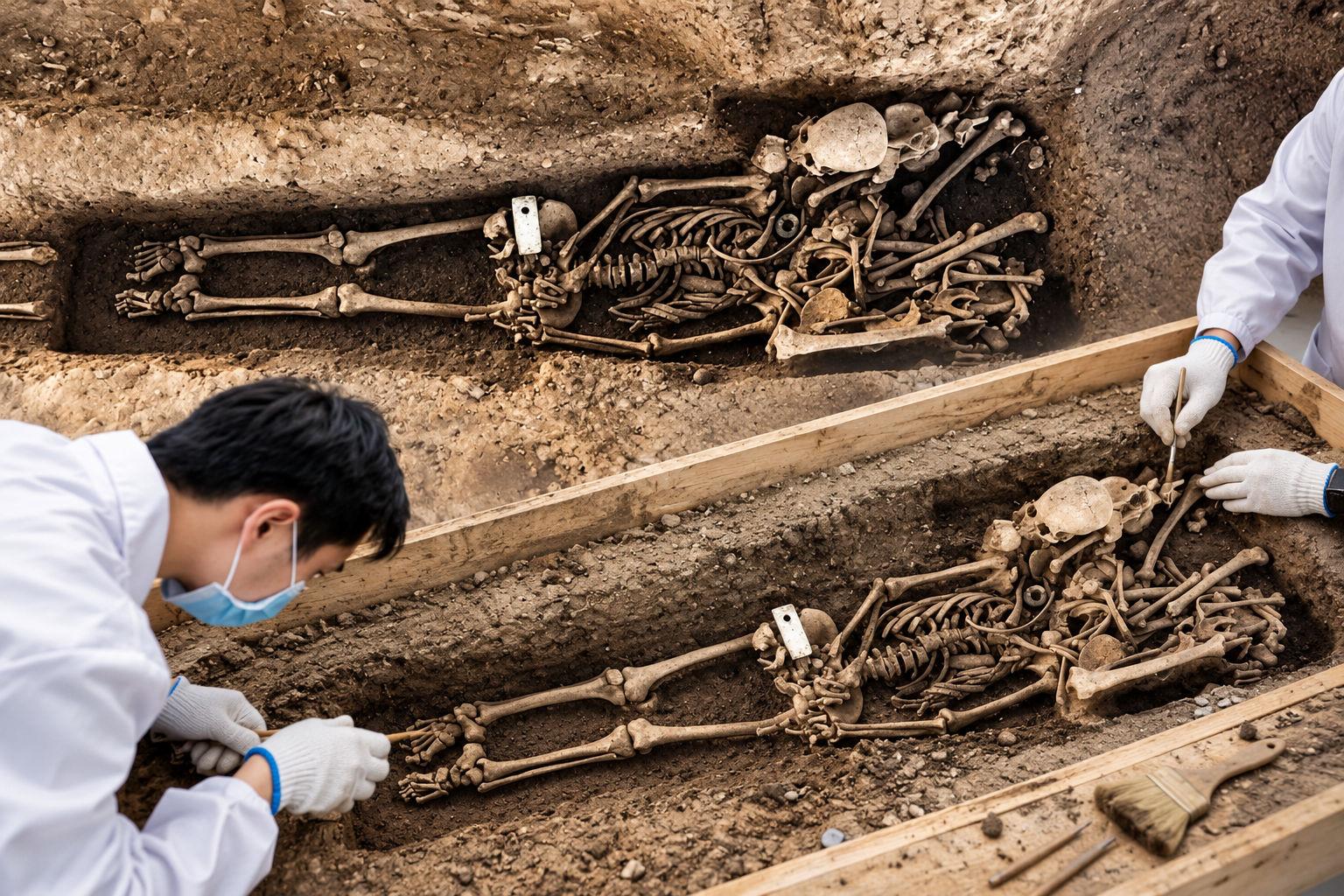
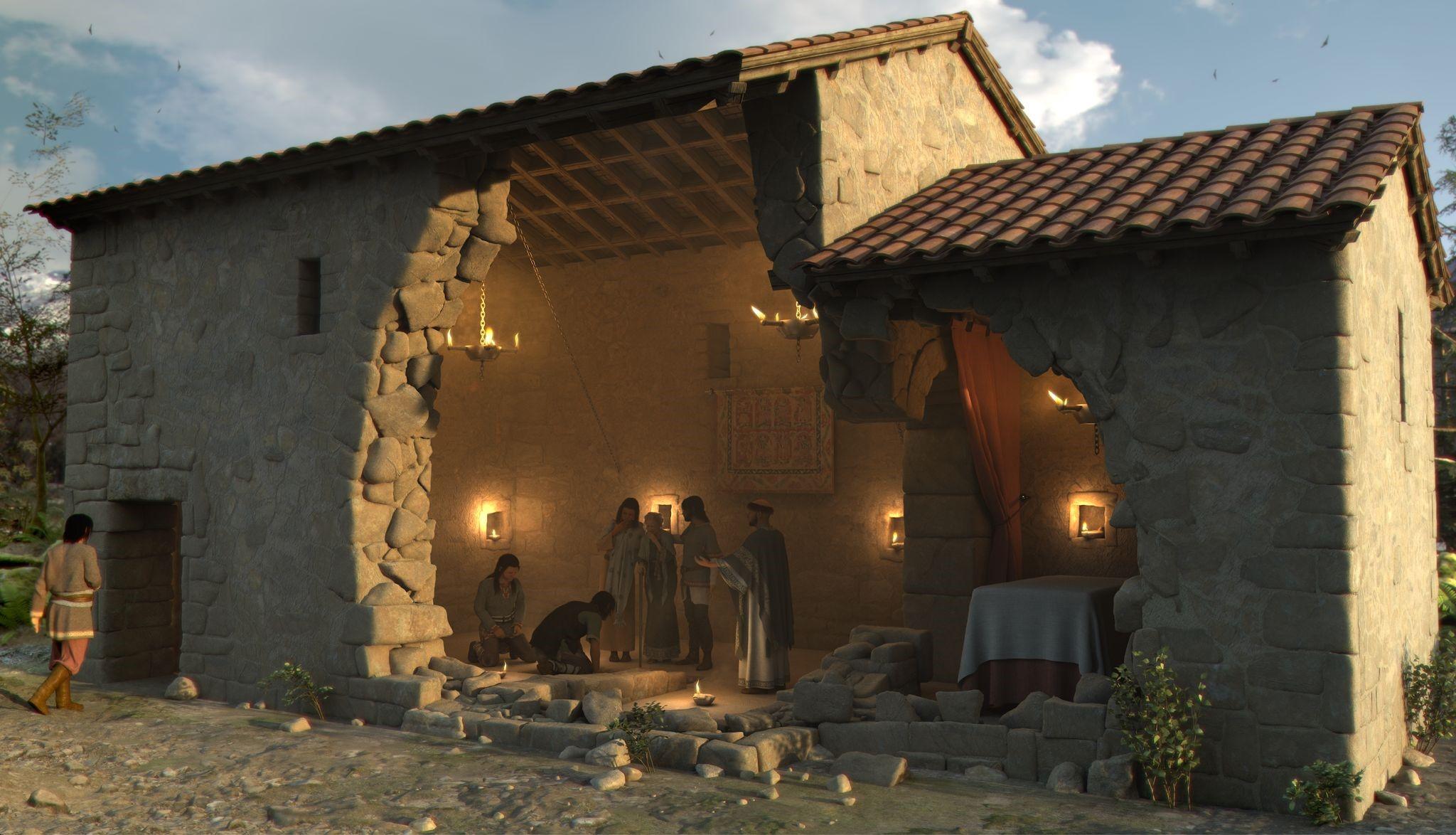
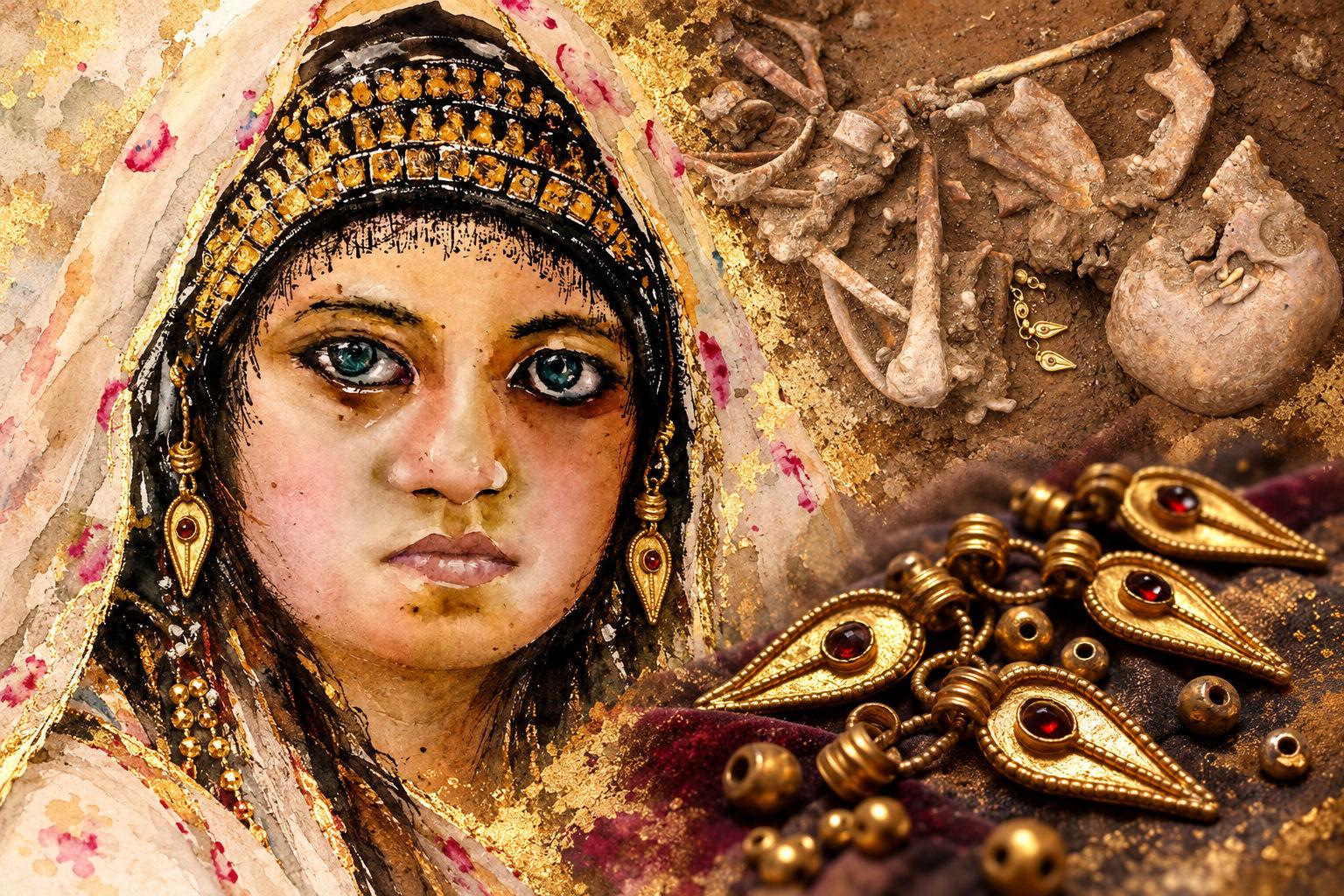
From the DNA angle, the Crichton-linked haplogroup R1b1a1b1a1a2c1a1d1a3 connects the family story to a wider web of ancient and medieval paternal lines rather than proving direct descent from any one excavated individual. Related or linked samples include Medieval England Augustinian Friars ATP_PSN_512 and ATP_PSN_520, Medieval Vasterhus Sweden mbv151, Celtic Briton Oxfordshire Yarnton England I21182, and Late Bronze Age Raven Scar Cave North Yorkshire England I16469. That is a wonderfully broad historical spread: friars in medieval England, a medieval burial in Sweden, a Celtic Briton in Oxfordshire, and a much deeper Bronze Age signal from northern England. What it suggests is not a single neat family tree stretching back in a straight line, but the long endurance of related paternal branches across Britain and the wider North Sea world.
Explore ancient DNA in post-Roman Britain
If you are exploring Crichton heritage, this is where history and genetics become especially interesting together. The documents tell us about lands, castles, offices, and named figures; DNA can place that story into a deeper human background of related lineages moving through Britain and northern Europe over many centuries. Upload your DNA to MyTrueAncestry to see whether you match Clan Crichton or any of these related ancient DNA samples.
Comments