Clan Durie
– 3 min read


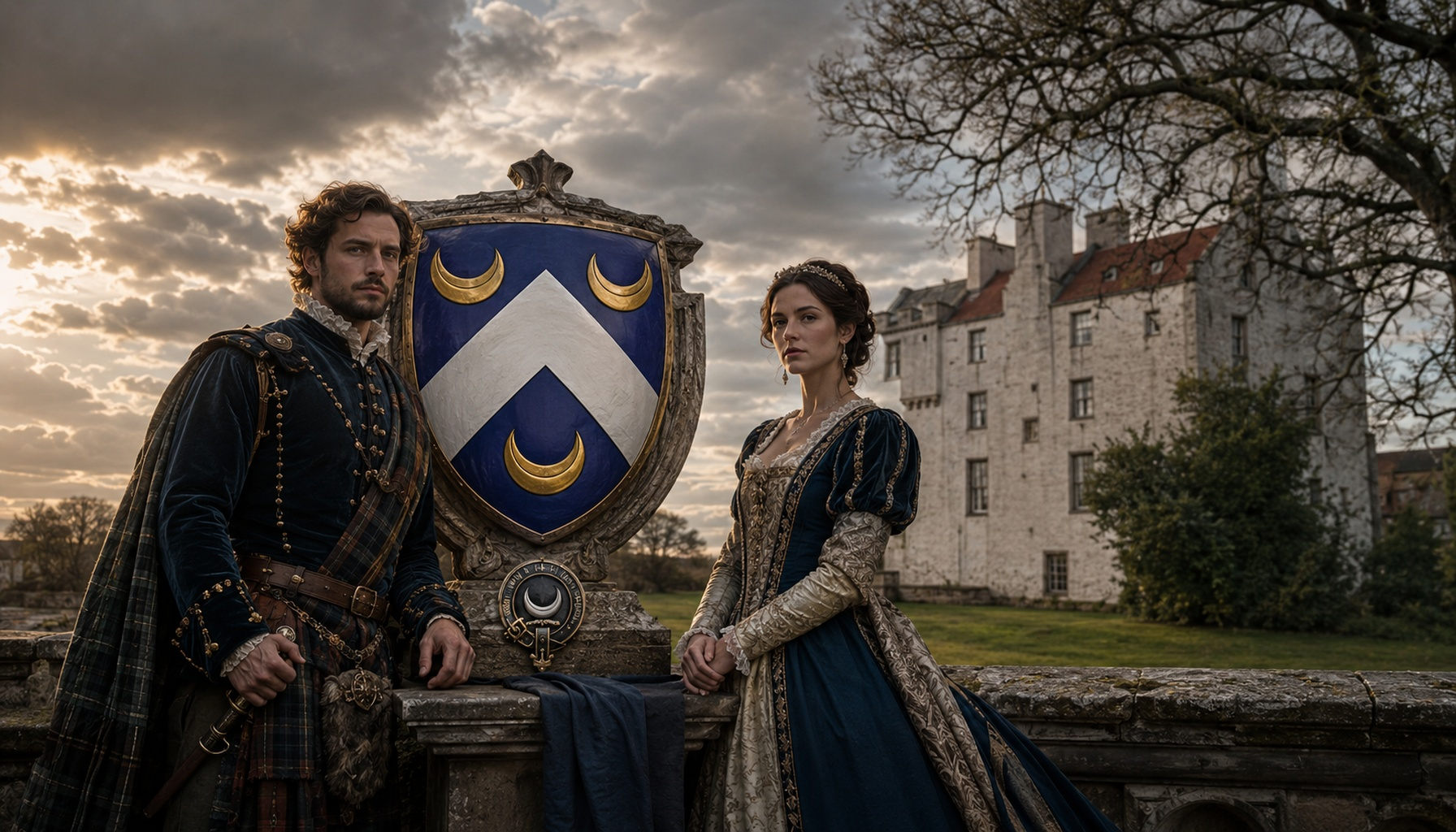
Clan Durie was a Lowland Scottish family tradition rooted above all in Fife, where surname, estate, and local standing were closely tied together. The name is territorial in character, pointing back to place rather than to a distant heroic founder, and that matters: in medieval Scotland many families became important not by cinematic clan warfare but by staying put, holding land, serving their district, and building continuity across generations. For Durie history, the linked primary family haplogroup is I2a1b1a1a1a, a paternal line with a deep European past that fits neatly into this story of enduring local identity rather than sudden appearance.
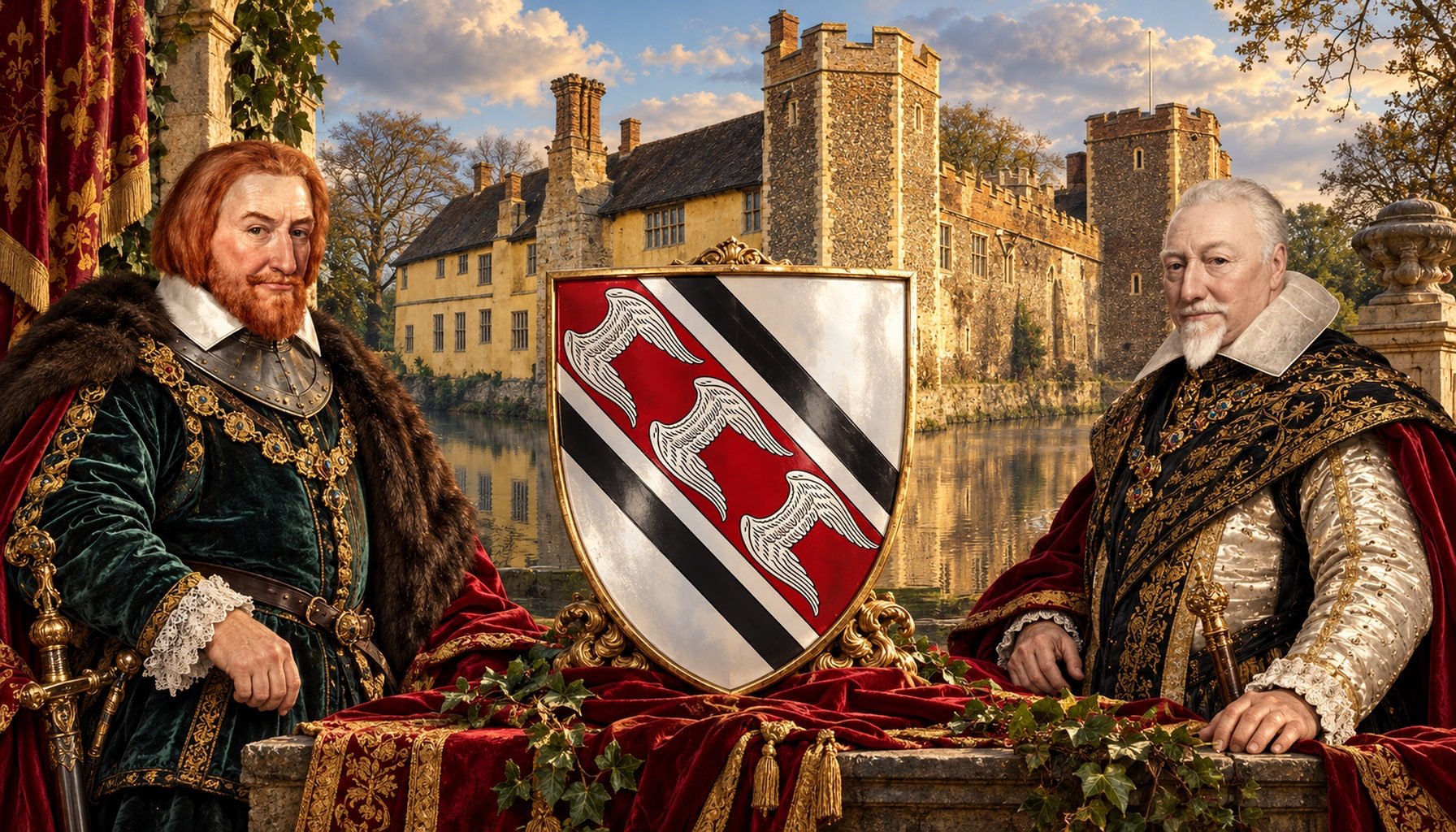
The earliest named figure usually brought into the family record is Duncan de Dury in 1258, and even that little scrap tells us quite a lot. The "de" is the giveaway of territorial style, tying the man to a landed place in a period when written charters, estate rights, and local authority were becoming more firmly documented in Scotland. The Duries belong to that recognisably Lowland pattern: a regional family shaped by landholding, public service, heraldry, and the long preservation of surname memory. In other words, this is a family history made not only in battle, but in documents, obligations, boundaries, and the stubborn continuity of estate life.
A strong location anchor for the wider Durie story is Rossend Castle, in Burntisland on the Fife coast. The building began as a tower house and developed over time into a more complex residence, reflecting exactly the sort of Scottish evolution from fortified medieval lordship to later domestic adaptation that tells us how landholding families actually lived. Rossend is associated with the old coastal world of Fife, a region bound up with estate power, sea links, burgh life, and the constant negotiation between local authority and national politics. It is also remembered in connection with Mary, Queen of Scots, which gives the place an added layer of historical colour, though the real fascination is the castle itself as a marker of continuity in the Fife landscape. The exterior still survives, and while access can vary because it has had later private and restored uses, Rossend Castle can still be seen and visited at least from the outside in Burntisland, making it a tangible stop for anyone following Durie country on the ground.
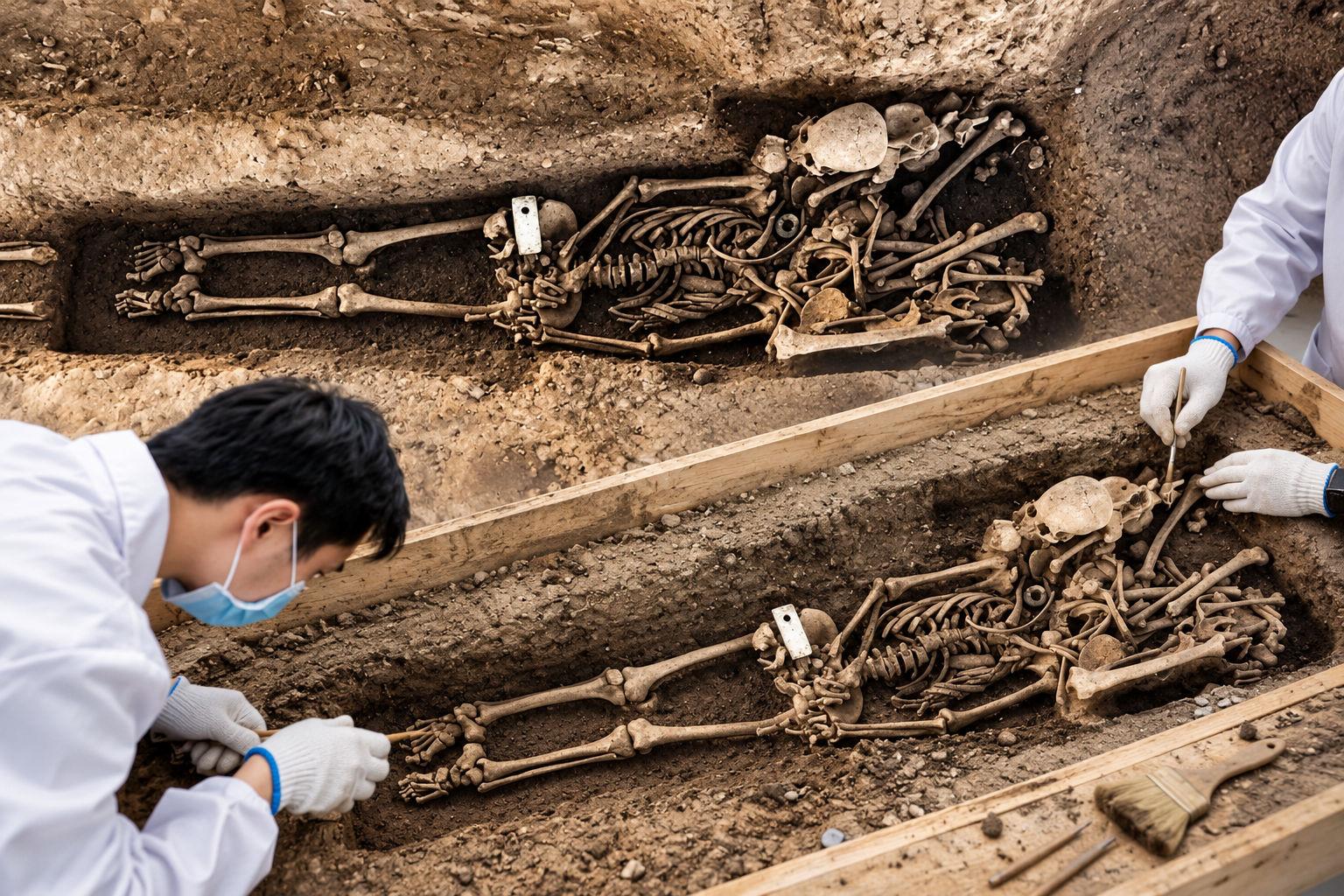
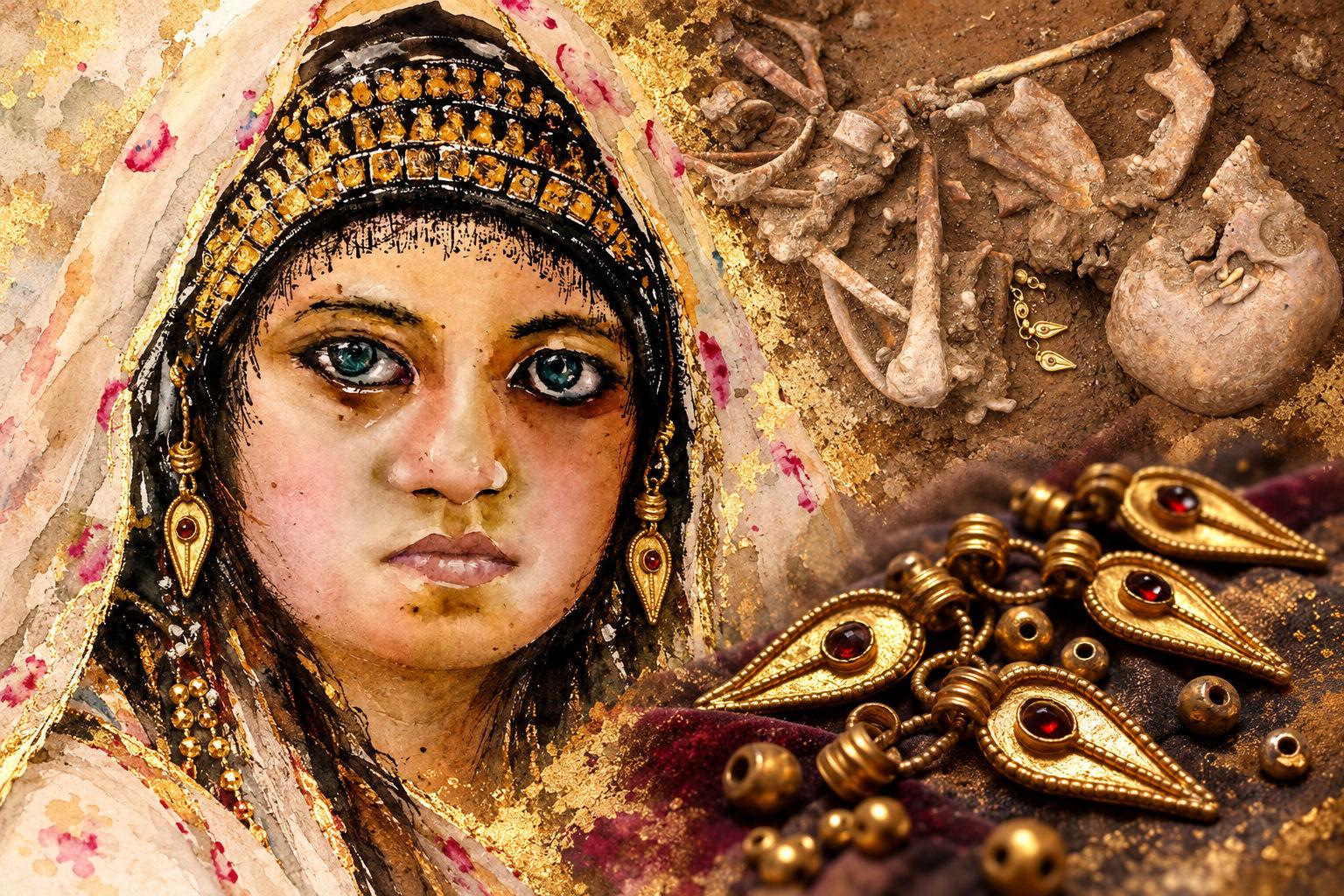
The Durie-linked haplogroup I2a1b1a1a1a also opens a much older window onto the past. Not direct ancestors in any provable genealogical sense, but related or linked ancient samples carrying nearby paternal signatures appear across Britain, Ireland, and continental Europe: Medieval England Augustinian Friars ATP_PSN_527, Neolithic Germany Esperstedt I0172x, Celtic Briton Cliffs End Farm England I14866, Neolithic Wales Orchid Cave Denbighshire I16491, Iron Age East Lothian Scotland I16418, MacAurthur Cave Oban Argyll and Bute Scotland I2657, Ancient Primrose Grange Ireland prs012 and prs010, Bell Beaker Wiltshire Upavon England I4949, Ancient Carrowmore Ireland car004, and Neolithic Ireland CAK534. What that gives us is not a family tree but a deep archaeological backdrop: a paternal lineage seen among farmers, foragers, island communities, and later medieval religious burials, reminding us that a surname like Durie is historically recent, while the genetic branches behind it stretch back through thousands of years of movement and settlement.
Read more about Clan MacArthur
If you carry the Durie surname, have Fife roots, or simply want to see how family tradition and ancient DNA sometimes echo one another, this is exactly the sort of story worth exploring further. Upload your DNA to MyTrueAncestry and see whether you match Clan Durie, its linked haplogroup I2a1b1a1a1a, or related ancient DNA samples from Scotland, Britain, and Ireland.
Comments