Clan MacNicol
– 3 min read


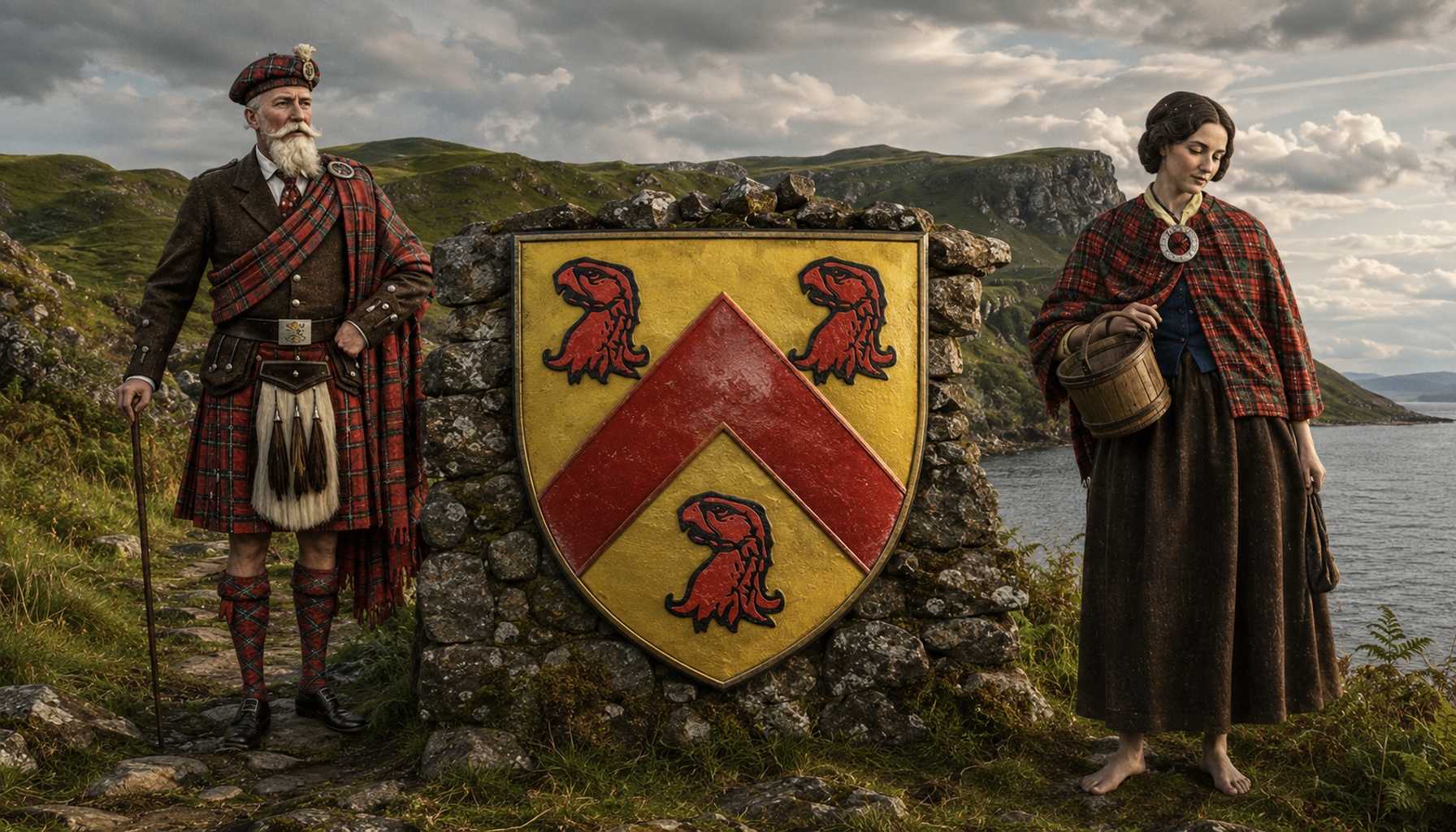
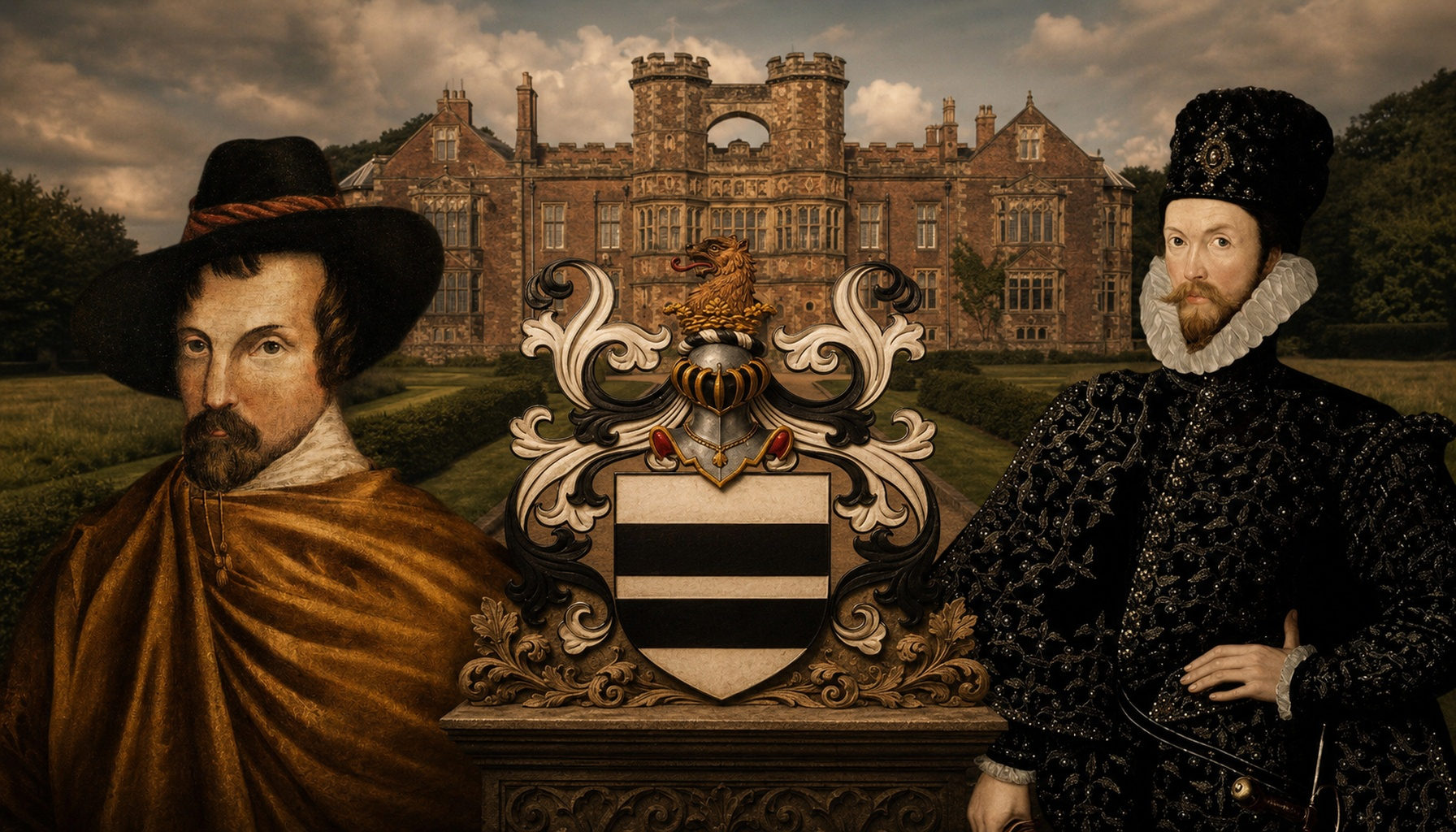
Clan MacNicol was one of the old island families of the Highland north, rooted above all in Skye, Lewis, and the wider Hebridean world where Gaelic and Norse traditions met across sea lanes rather than land roads. The surname is usually understood as a Christian patronymic, linked to Nicol or Nicholas, but in the Hebrides that name lived in a landscape shaped just as much by longboats, kin networks, local lordship, and coastal movement as by parish record books. For MacNicol heritage, the sea is not just scenery. It is part of the family story. The clan belongs to that distinctive Gaelic-Norse zone where identity was preserved through oral memory, service to regional powers, attachment to place, and the remarkable staying power of a surname carried from island to island.
In haplogroup terms, Clan MacNicol is here linked with the primary family haplogroup R1b1a1b1a1a2c1a5c1b1a. That does not mean every MacNicol line will carry exactly the same paternal signature, because clans, like all historical families, were social as well as biological communities. But it does place the MacNicols within a broader paternal story that fits the deep population history of Britain and the North Atlantic world rather well: continuity, movement, and the layering of identities over a very long timespan. One early named figure is Maknakill, recorded in 1320, a reminder that by the early 14th century the family was already visible in the written record, even if much of its earlier history still lives in place names, ruins, and tradition.
Read more about Clan MacKinnon
A key location anchor for the family is Caisteal Mhic Cneacail, usually rendered as the Castle of the MacNicols, on the Isle of Scorrybreac near Portree in Skye. This is exactly the kind of site that tells us how Hebridean clan history really worked: not a gigantic royal fortress, but a strategically placed coastal stronghold tied to kinship, local power, and oversight of maritime movement. The site stands on a rocky promontory, using the natural defensibility of the coast in the way so many western seaboard strongholds did. It is traditionally associated with the MacNicols before later shifts in regional power. Even in ruin, it speaks volumes about a clan identity built around seaborne connections, watchfulness, and command of place. Yes, it can still be visited in the sense that the remains and landscape are there to be explored on foot with proper care, and that is part of its charm: this is not an abstract family memory, but a real bit of Skye still sitting in the weather, looking out to sea.
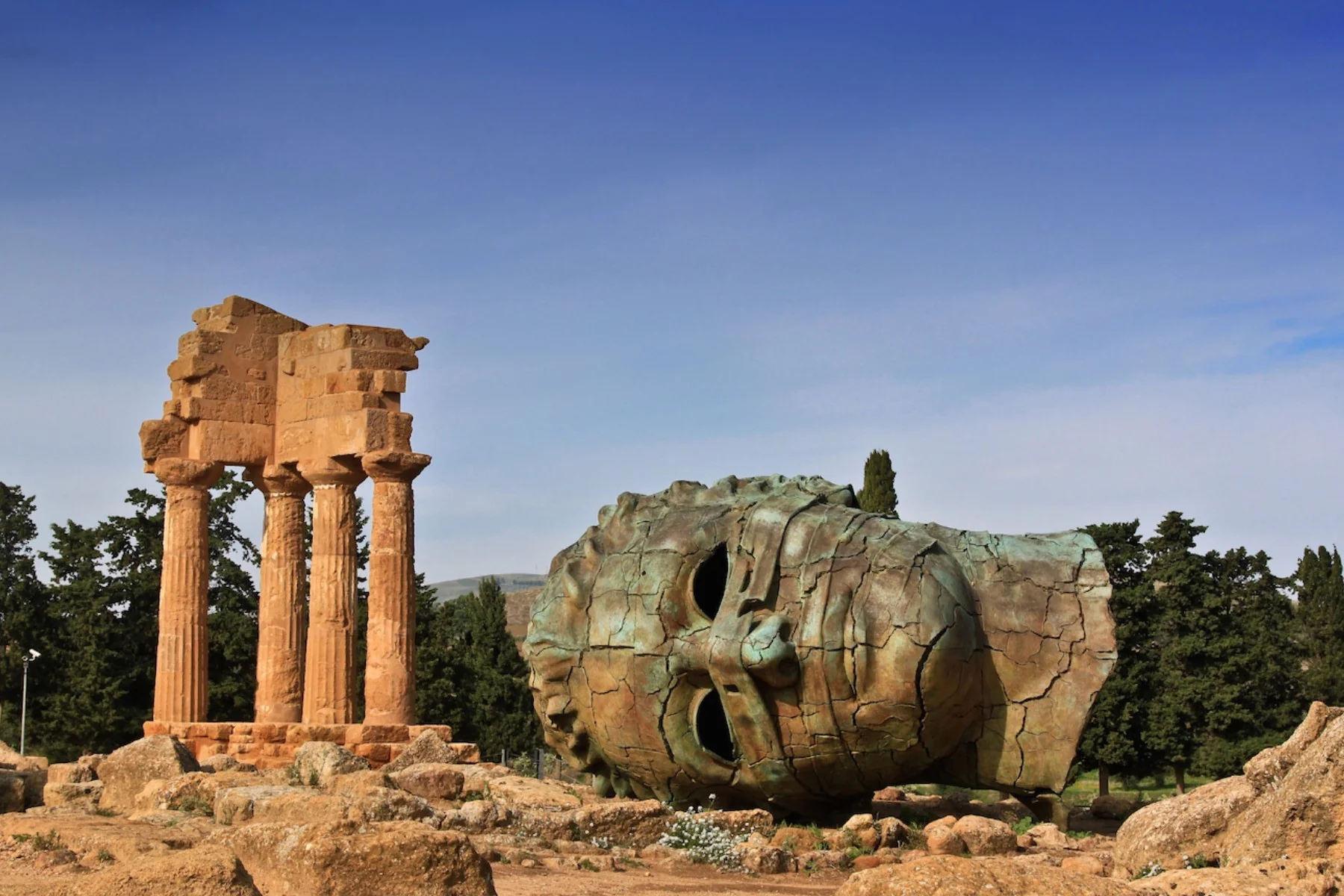
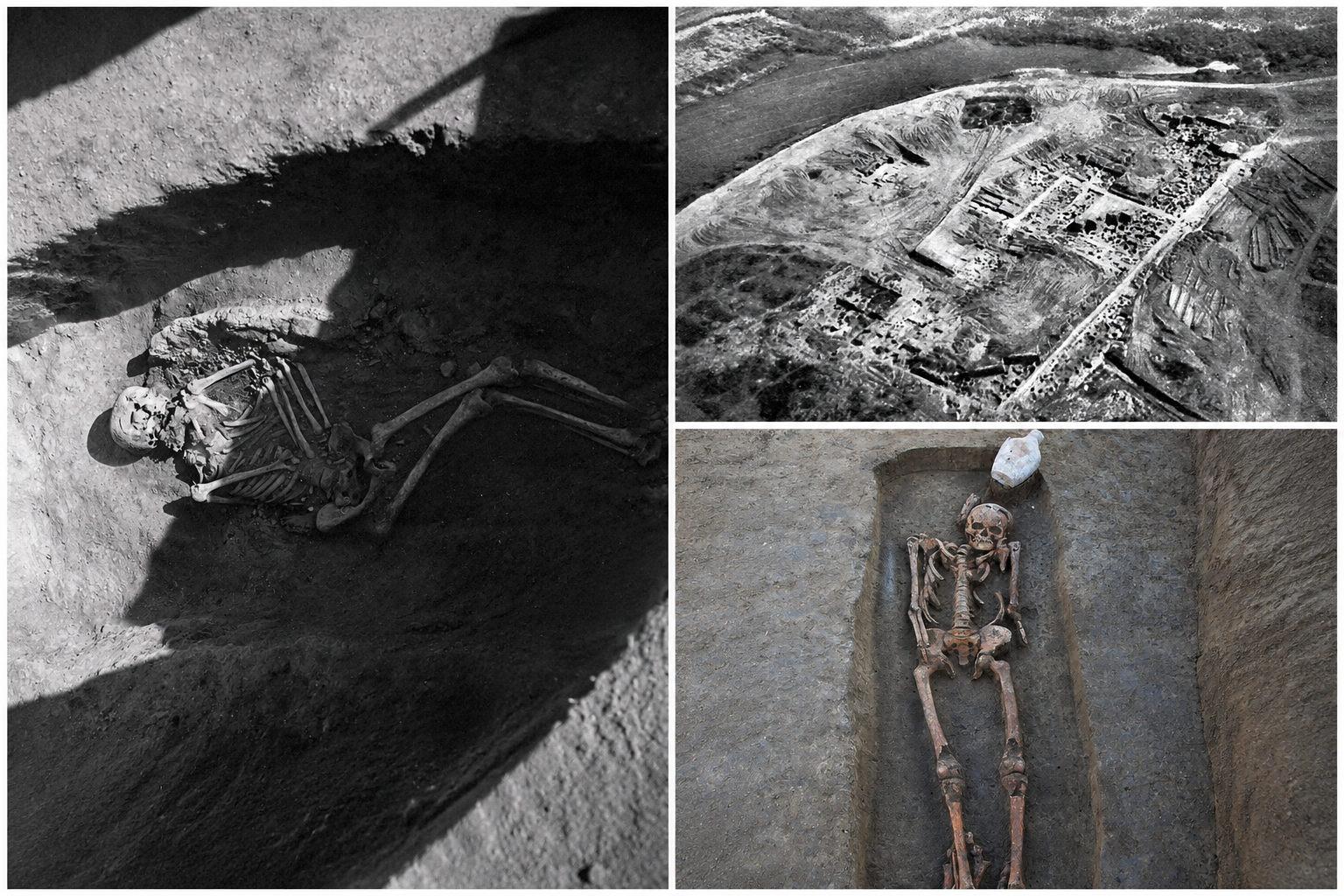
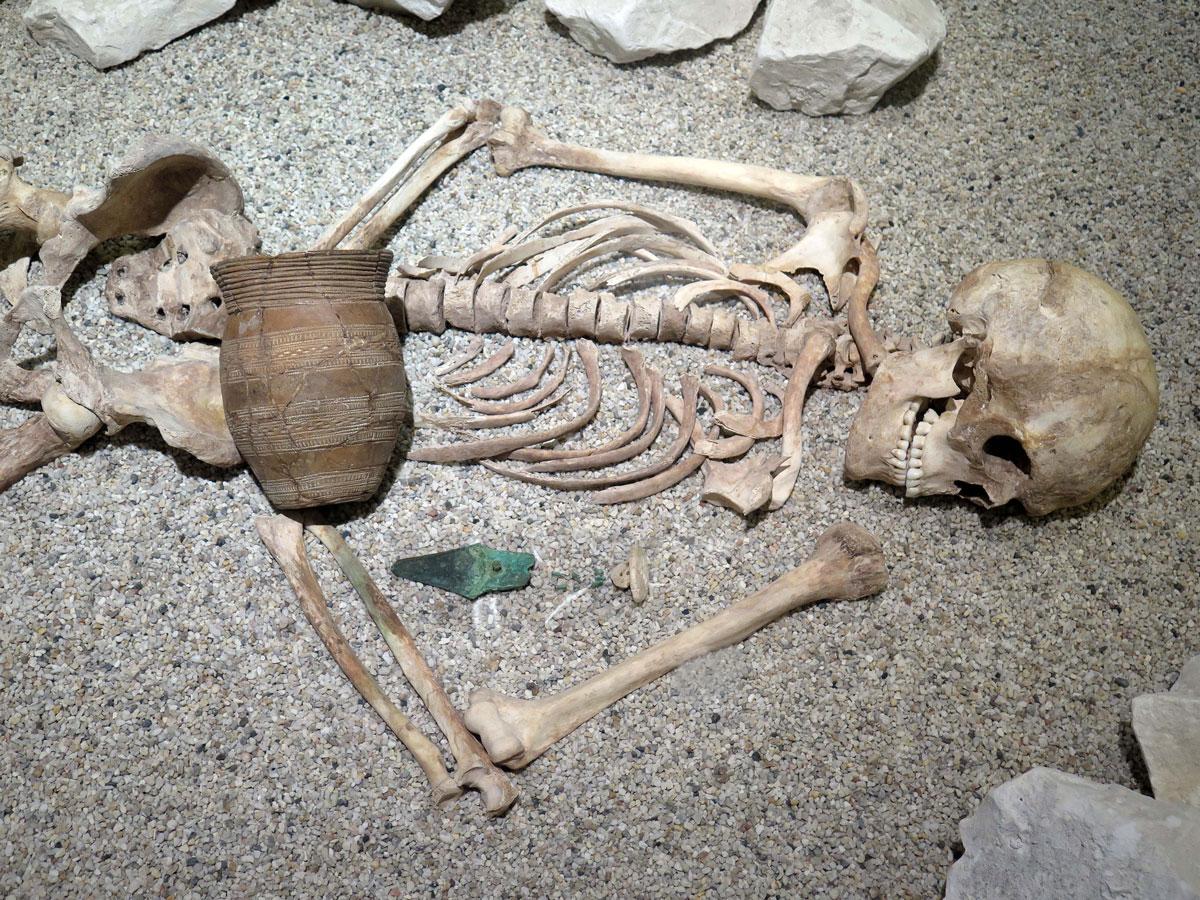
The MacNicol-associated haplogroup R1b1a1b1a1a2c1a5c1b1a also connects the story to a wider set of ancient DNA samples from Britain and northern Europe. These are not proofs of direct descent from Clan MacNicol, and it is important not to overclaim, but they are related or linked examples that help sketch the older paternal landscape behind later island clans. Among them are Anglo-Saxon Kingdom of Northumbria Yorkshire Britain Fox Holes Cave Clapdale Ingleborough Hill (I16392), Germanic Weklice Poland (R10626), Iron Age Hill Fort Fin Cop Derbyshire England (I20628), Celtic Briton Stanton Harcourt Oxfordshire (I21272), Celtic Briton Stanton Harcourt Oxfordshire (I21277), Viking Age Skara Varnhem Sweden (VK405), and Bronze Age Covesea Cave Scotland (I3132). What is striking here is the spread: Bronze Age Scotland, Iron Age Britain, Celtic Britons, Anglo-Saxon England, Viking Age Scandinavia, and the wider Germanic world. That is exactly the sort of layered background you might expect behind a Hebridean clan whose historical world sat at the crossroads of Gaelic, Norse, and British traditions.
If you carry the MacNicol name, or suspect island roots in Skye, Lewis, or the Hebrides, this is the fun part: DNA can sometimes add another layer to the family story. Upload your DNA to MyTrueAncestry and see whether you match Clan MacNicol, its linked haplogroup R1b1a1b1a1a2c1a5c1b1a, or related ancient DNA samples from Britain, Scotland, and the Viking world.
Comments