Clan Chisholm

– 2 min read


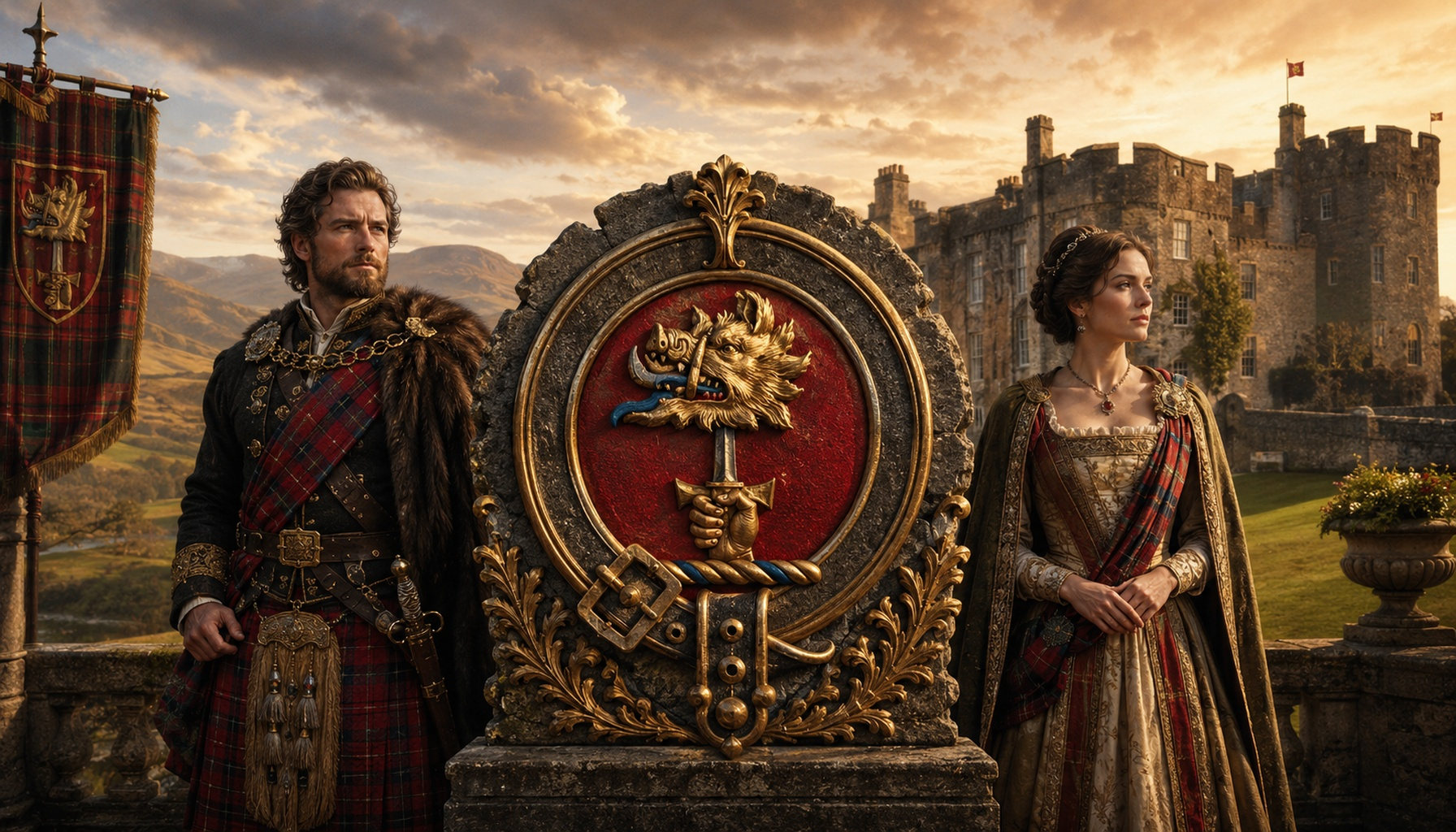
Clan Chisholm was a Highland Scottish clan rooted above all in Strathglass in Inverness-shire, where family, land, memory, and authority were bound tightly together in the old Highland way. Their heritage is tied to chiefship, military service, heraldry, and fierce loyalty to kin and territory, all gathered under the famous motto Feros Ferio, often rendered as I am fierce with the fierce. In genetic terms, the primary family haplogroup associated here is I1a1b1a1e2e, a paternal line with wider northern European depth that offers an intriguing companion to the clan's historical story.
The Chisholms appear in the medieval record in forms such as Cheseholme, and one early named figure is Sir Robert de Cheseholme in 1359. Like many Scottish families, their earlier origins seem to point south before the clan became fully identified with the Highlands. Yet what matters historically is not a tidy single point of origin, but the way the family grew into a Highland clan through landholding, service, alliance, and endurance. Over time the Chisholms became one of those names that carried more than genealogy alone: it meant a place in Strathglass, a chief to follow, arms to bear, and a shared identity that could survive warfare, changing land systems, and later dispersal across the wider world.
Read more about Clan Mackenzie
The great location anchor for Clan Chisholm is Erchless Castle, near Struy in Strathglass, on the Beauly River in the Highlands. This became the seat of the chiefs and still does a remarkable amount of historical heavy lifting: it turns the clan from an abstract surname into something visible, territorial, and stubbornly real. The present building is largely a tower house with later additions, developed across the sixteenth and nineteenth centuries, and it stands on a site long associated with the chiefs of Clan Chisholm. Architecturally it is very much the sort of Highland stronghold one hopes for, with the layered look that comes from adaptation rather than neat original design. It remained in Chisholm hands for centuries and is one of the clearest surviving symbols of the clan's connection to Strathglass. The castle and grounds have been used as a visitor attraction in modern times, so it is reasonably supported to say that Erchless Castle can still be visited, though practical access may vary by season and ownership arrangements.
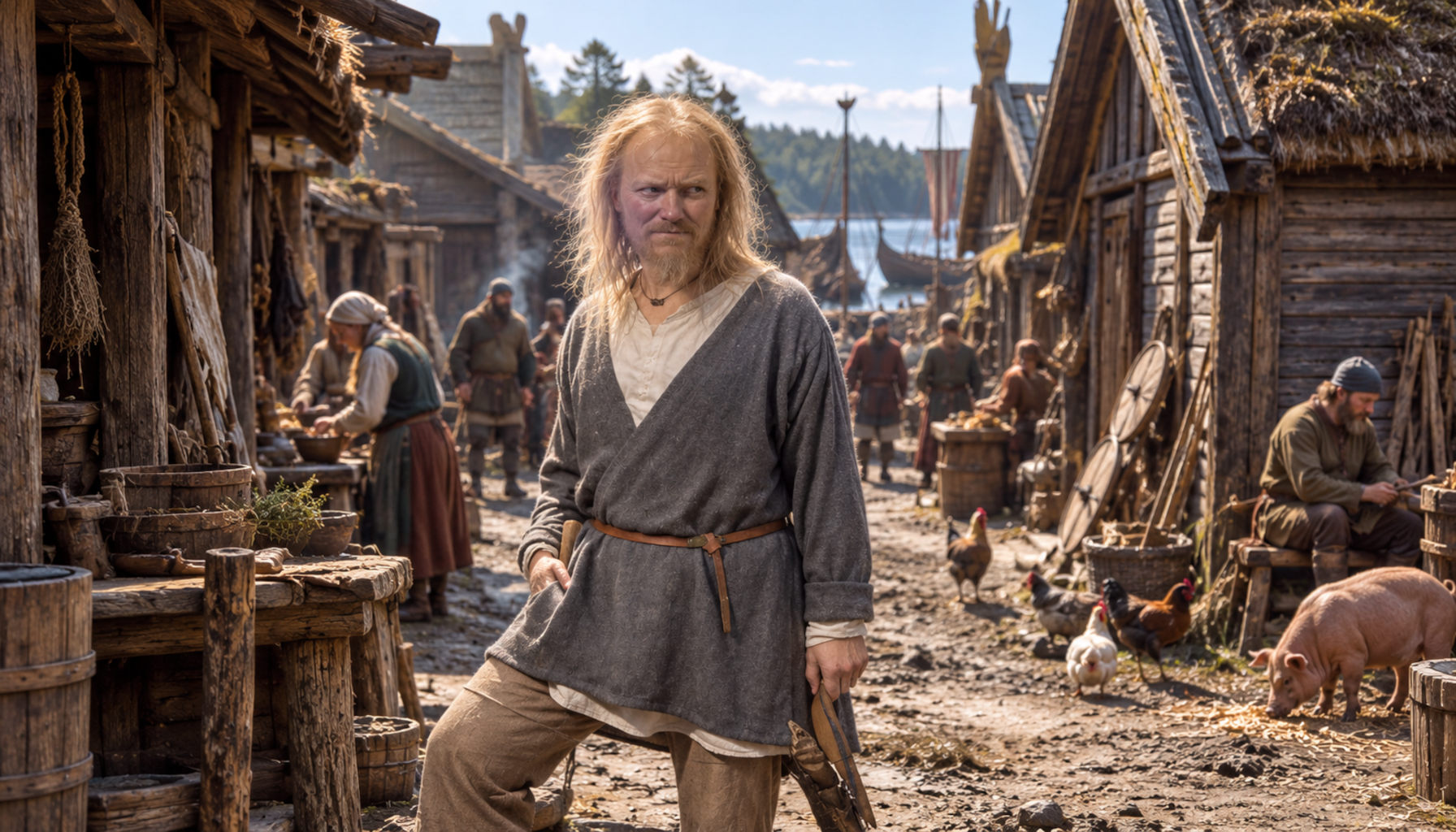
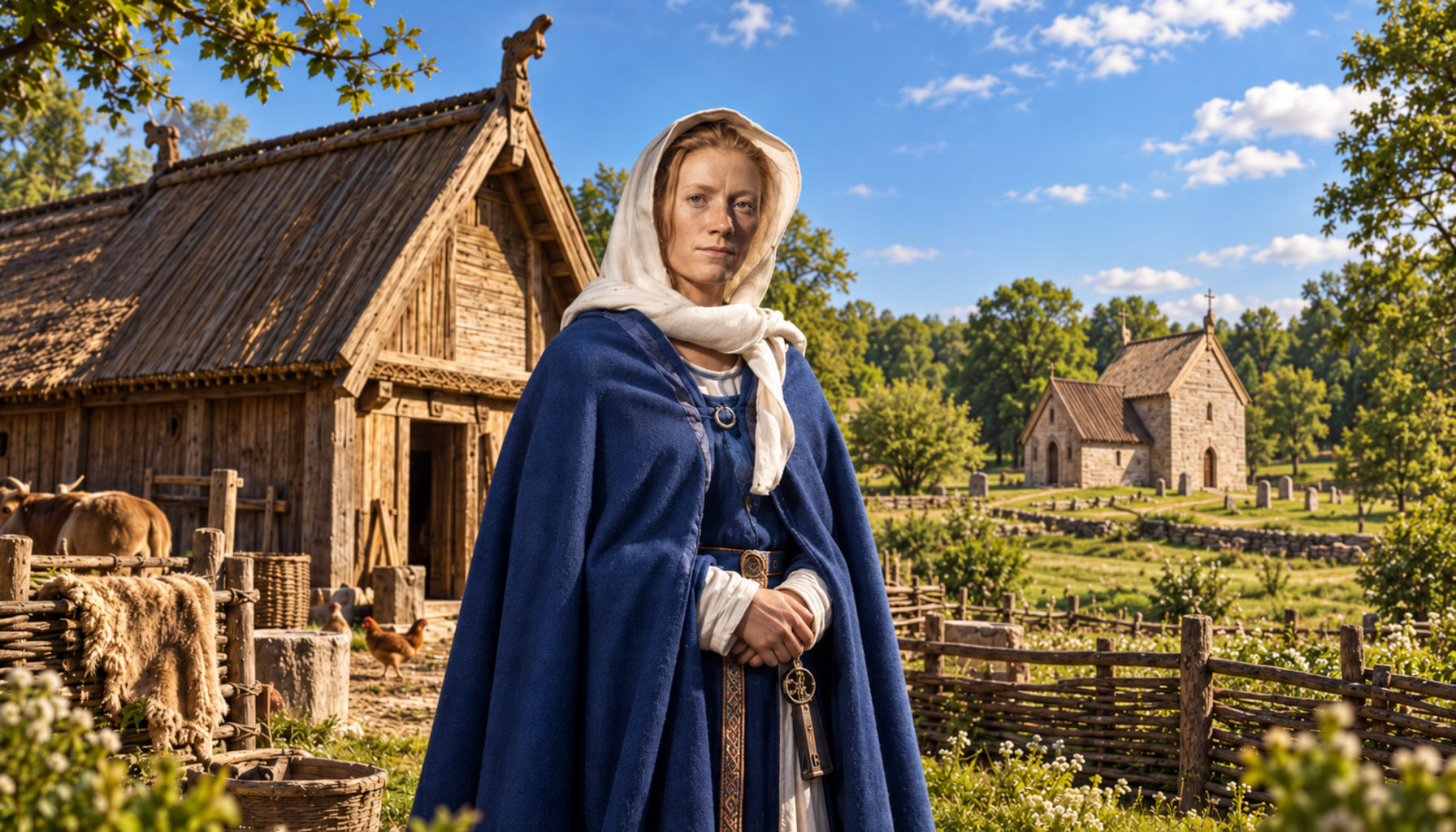
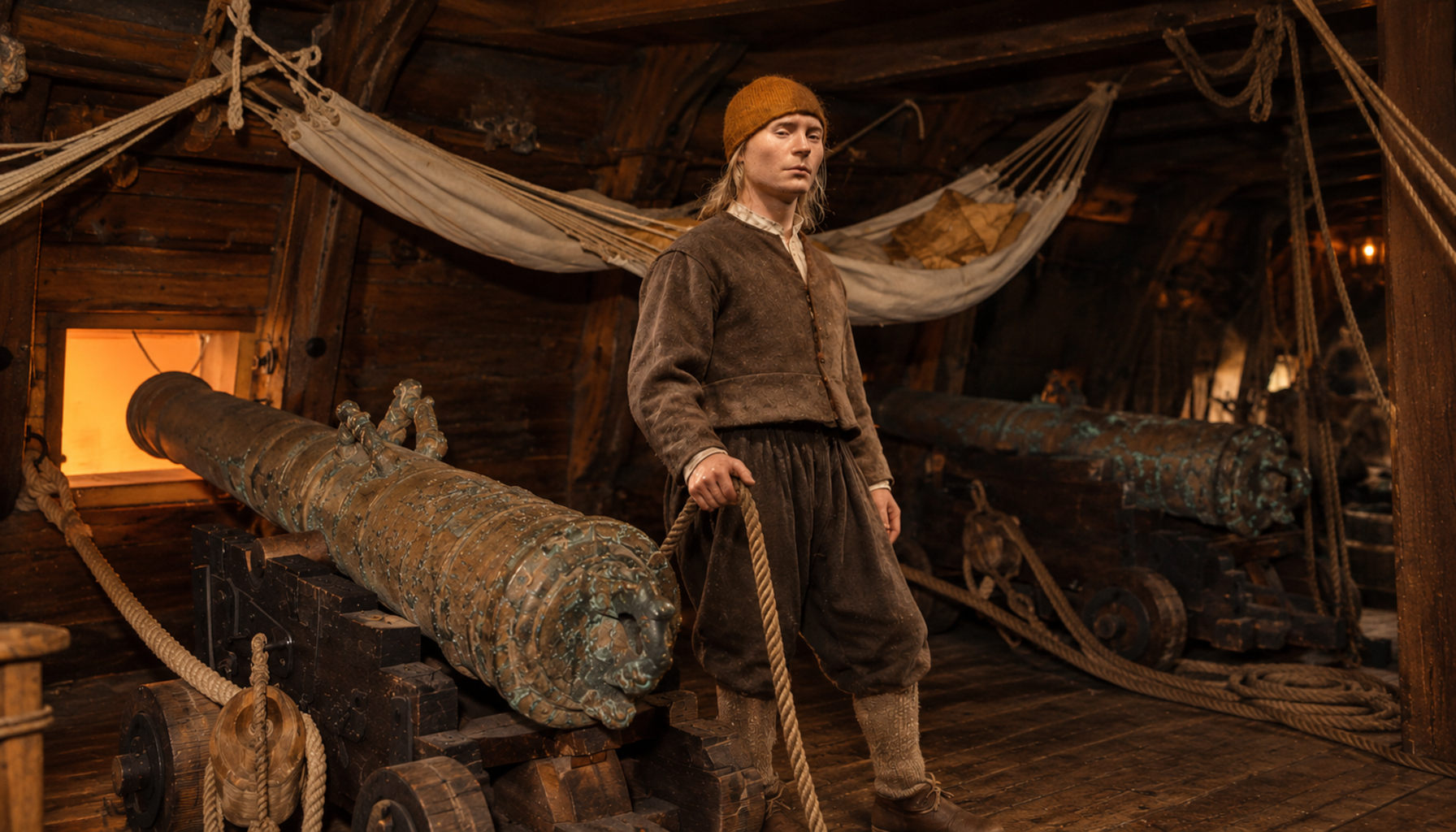
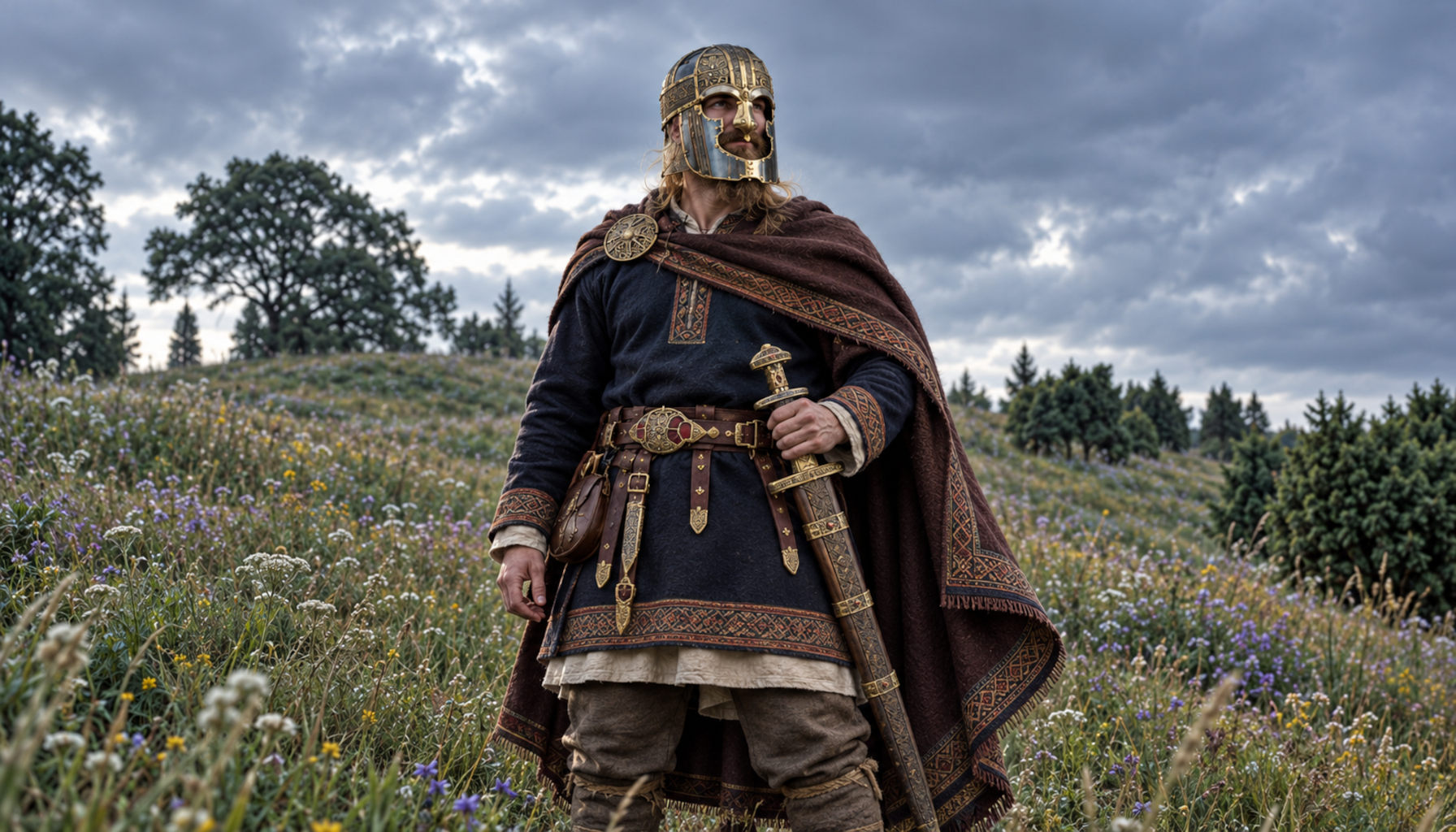
From the ancient DNA side, haplogroup I1a1b1a1e2e belongs to a wider paternal landscape often linked with northern Europe, especially areas touched by Germanic and Scandinavian movement. Related or linked ancient samples include Iron Age Pommerania Gdansk Wielbark PCA0480, Viking Age Sweden Uppsala Enbacken enb200, Early Viking Age Hundstrup Sealand Denmark VK296, Vendel Age Saaremaa Salme II-J VK549, and Vendel Age Saaremaa Salme II XXVIII VK511. These men are not evidence of direct descent to Clan Chisholm, and it would be quite wrong to pretend otherwise. What they do provide is a vivid genetic backdrop: they show that the same broader paternal branch was present in Iron Age and Viking Age northern Europe, in exactly the world of mobility, war bands, sea routes, and regional identities that helped shape the ancestry of many later families across Britain and beyond.
If Clan Chisholm is part of your story, this is where the paper trail and the deep past become especially interesting together. Upload your DNA to MyTrueAncestry to see whether you match the family group associated with Clan Chisholm or related ancient DNA samples linked to haplogroup I1a1b1a1e2e, and set that evidence beside the historical world of Strathglass, Erchless Castle, and Highland clan memory.
Comments