The Noble House of De Vere

– 2 min read


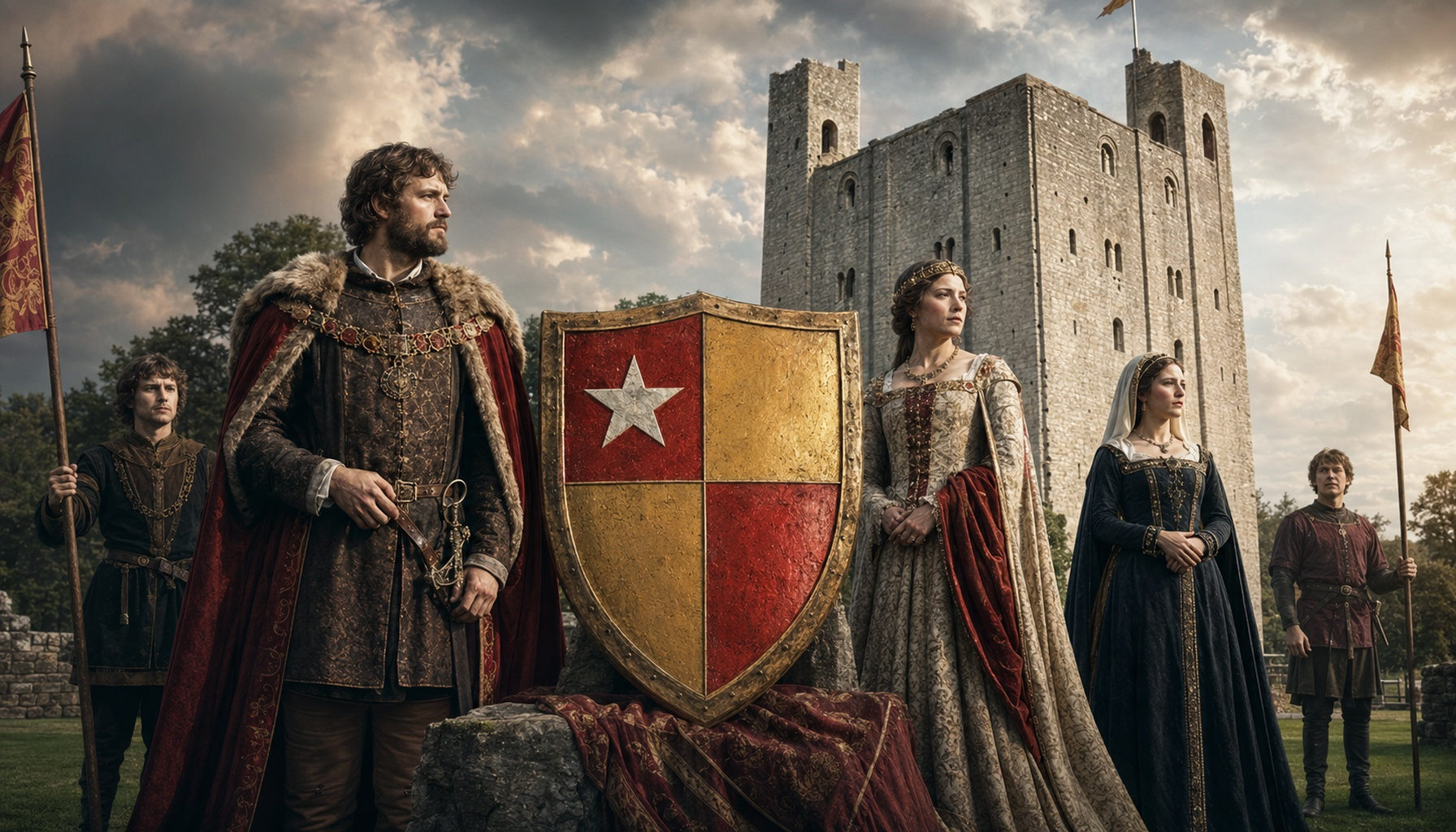
The de Vere family was one of the great Norman noble houses of England, a dynasty that arrived from the Continent in the wake of the Norman Conquest and planted itself firmly in English soil. Their name is usually linked above all with the Earls of Oxford, one of the oldest and most prestigious earldoms in the kingdom. In genetic tagging terms, the primary family haplogroup associated here is I1a1b1a1e1a, a line with deep northern European roots. The story of the de Veres is, in many ways, the classic high-medieval aristocratic story: foreign in origin, English in destiny, and powerful through land, office, military duty, and careful marriage.
The family likely took its name from Ver, or Ver-sur-Mer, in Normandy, which places them squarely in that world of ambitious Norman lords who crossed the Channel and remade England after 1066. Once established, they did not merely survive; they flourished. Aubrey de Vere I, recorded by 1112, stands among the early builders of the family's position. His descendants expanded that foundation through royal service and political presence at court, turning continental beginnings into a thoroughly English aristocratic identity. Over generations the de Veres accumulated estates, fortified prestige with heraldry and titles, and became part of the long continuity of the English peerage rather than a brief flash of conquest-era success.
Explore the House of de Warenne
If one place anchors the de Vere story, it is Hedingham Castle in Essex. This was the great seat of the Earls of Oxford and remains one of the most impressive survivals of Norman aristocratic England. The keep, built in the late 11th to early 12th century, is particularly striking, a tall and rather formidable Romanesque tower that still gives a strong sense of what noble power looked like in stone. It was not just a home but a statement: status, authority, permanence. The surrounding earthworks and later house add layers to the site's long history, but the keep is the real voice of the early de Vere world, speaking of conquest, lordship, and the determination to endure. Better still, Hedingham Castle can still be visited today, which means the family landscape is not merely a thing in manuscripts but a physical place you can stand in and experience.
Read more about the Noble House of Bohun
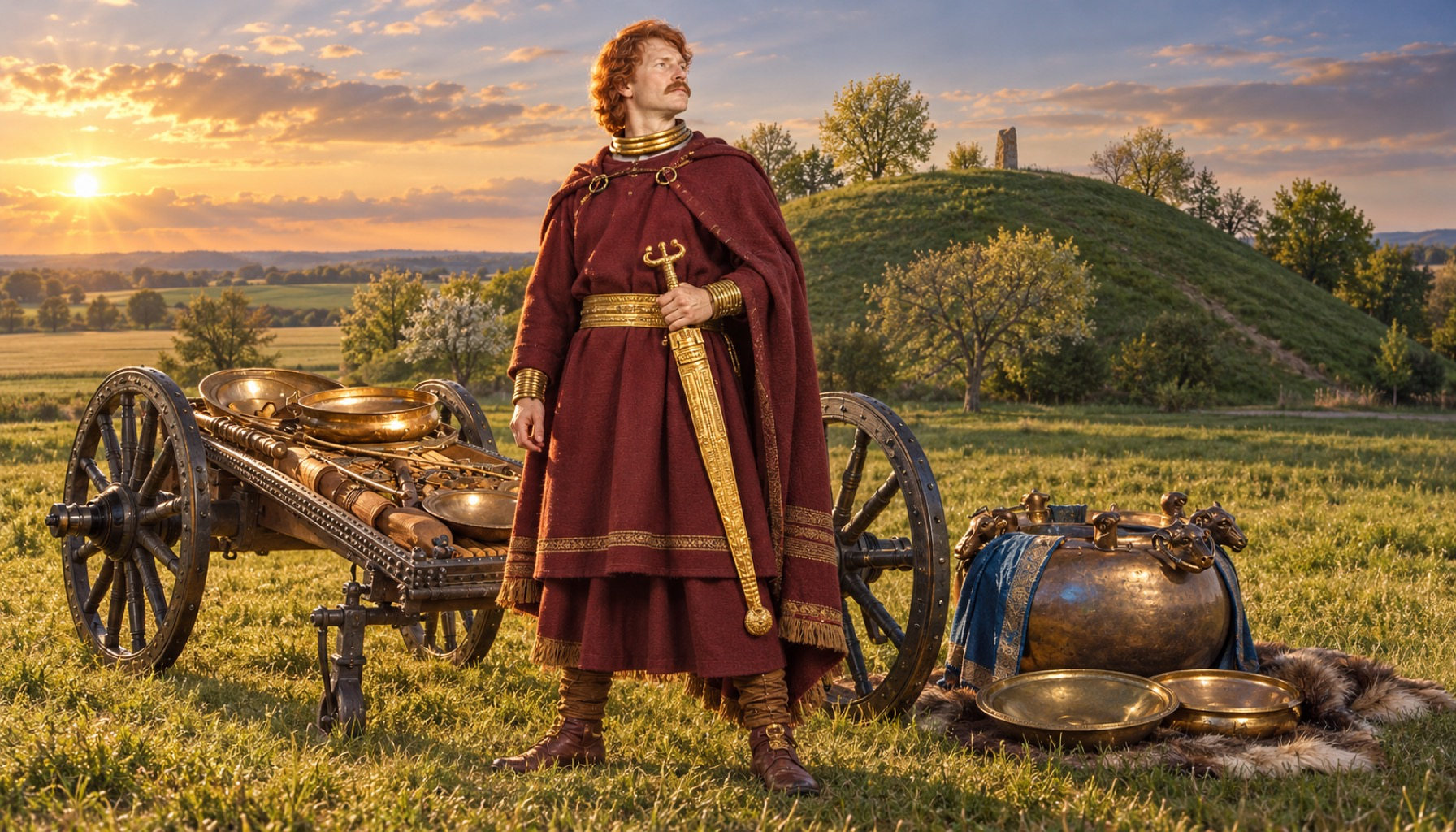
From an ancient-DNA perspective, the I1a1b1a1e1a tag linked with the de Vere family sits within a wider northern European genetic story rather than proving direct descent from any excavated individual. Related or linked samples include Iron Age Pommerania Gdansk Wielbark (PCA0480), Early Viking Age Hundstrup Sealand Denmark (VK296), Early Viking Age Hundstrup Sealand Denmark (VK297), Vendel Age Saaremaa Salme II-J (VK549), and Vendel Age Saaremaa Salme II XXVIII (VK511). These finds help sketch the older world from which such paternal lines emerged: the Baltic, southern Scandinavia, and the wider northern sphere that fed into the medieval populations later known to England as Danes, Norsemen, and Normans. That does not make a medieval de Vere a direct continuation of any one buried warrior, but it does place the family haplogroup in a historically meaningful landscape of migration, movement, and elite formation.
If the de Vere story sparks your curiosity, the next step is wonderfully direct: upload your DNA to MyTrueAncestry and see whether you match the de Vere family profile or related ancient DNA samples connected to haplogroup I1a1b1a1e1a. It is a fascinating way to place your own results against the long human backdrop of Norman expansion, medieval lordship, and the deeper northern European past.



Comments