The Noble House of Bohun
– 3 min read


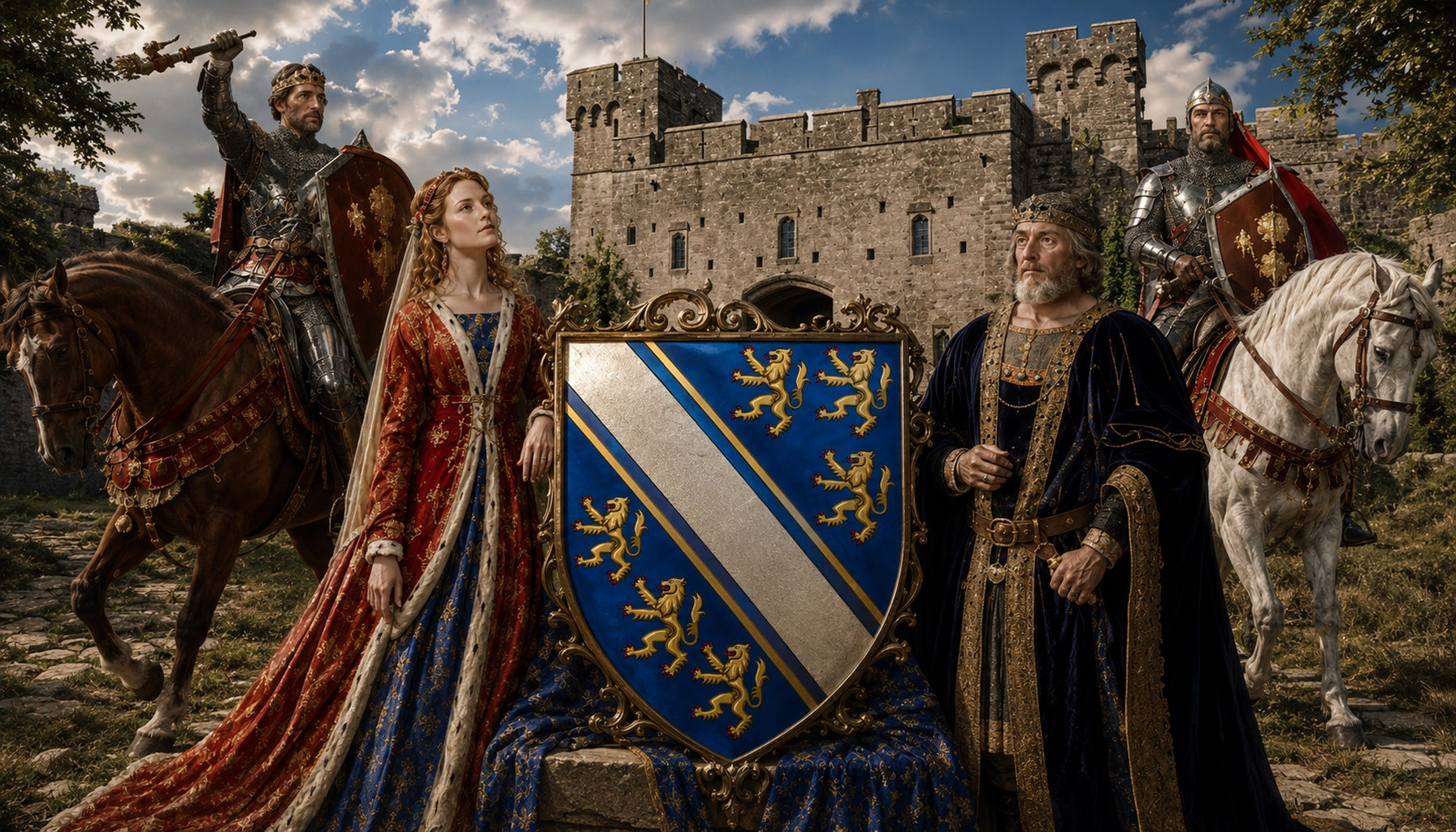
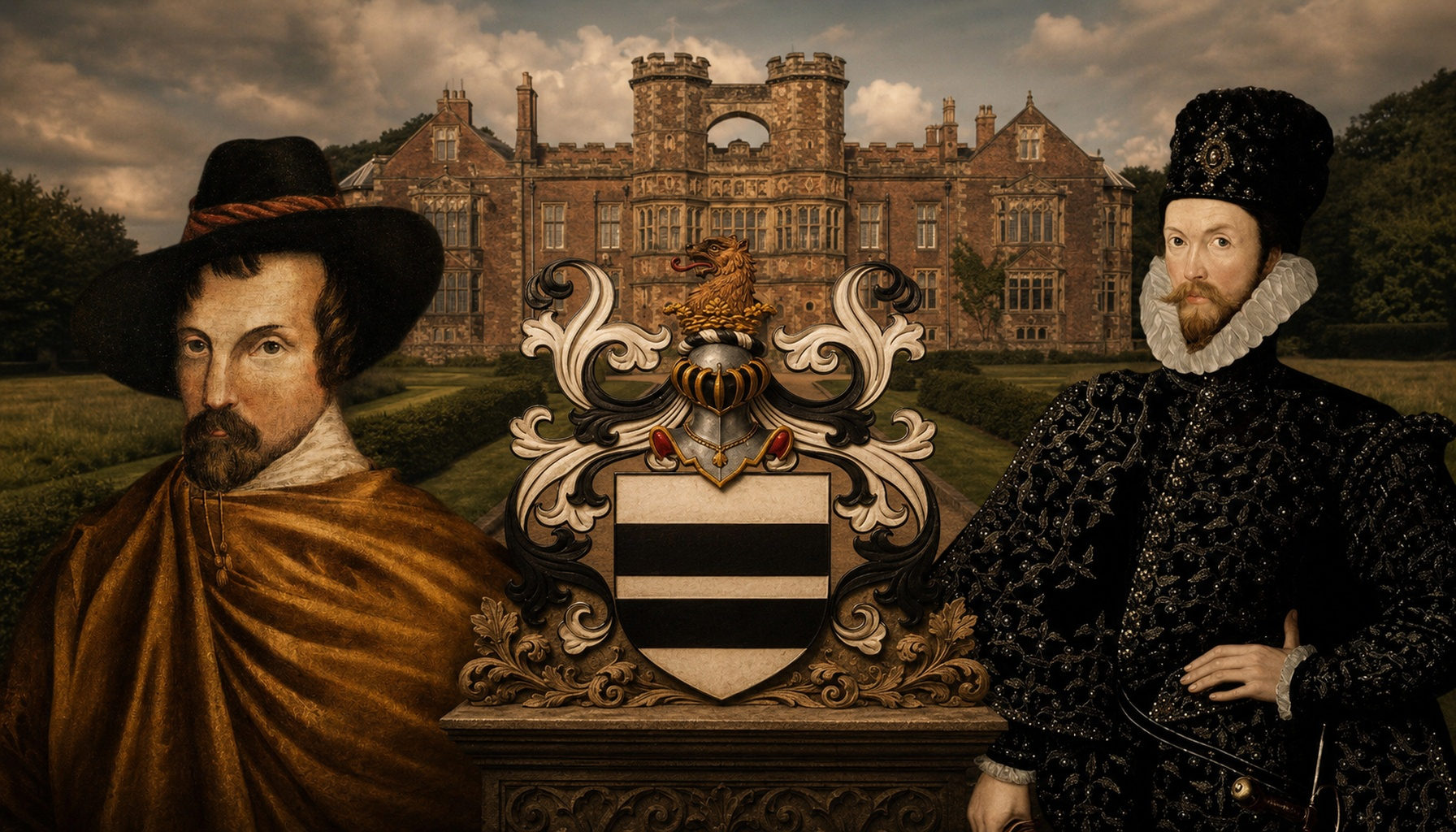
The Bohuns were one of the great Anglo-Norman noble houses of medieval Britain: magnates of England, power-brokers in the Welsh Marches, royal servants, castle-builders, and holders of some of the highest aristocratic ranks in the realm. Their linked and primary family haplogroup is R1b1a1b1a1a2c1a4a. Like so many post-Conquest families, they emerged from the world created after 1066, when ambitious lords from Normandy and its orbit were planted across England and along the volatile frontier with Wales. From that frontier society of war, land grants, homage, and marriage strategy, the Bohuns rose with remarkable speed.
The family name points back to Bohon in Normandy, a reminder that these were not originally an ancient English dynasty but part of the wider Anglo-Norman aristocratic transplant. Yet once established in Britain, they became deeply woven into English and Welsh border history. Their story is the classic magnate pattern: estates accumulated through inheritance and royal favour, authority exercised through marcher lordship, and prestige amplified by heraldry, castles, and carefully chosen marriages. Humphrey de Bohun (1035-1094) stands near the beginning of that rise, a figure associated with the first generation of Norman expansion. Centuries later, William de Bohun (1312-1360), created Earl of Northampton, shows the family at full aristocratic maturity: close to the crown, militarily important, and unmistakably part of the governing elite of medieval England. Through dynastic marriage, the Bohuns became tied to royal and princely lines, which is why their legacy long outlived the direct male line itself.
If you want one place that anchors Bohun history in stone, Caldicot Castle in Monmouthshire does the job beautifully. The site began with an early Norman earth-and-timber stronghold after the conquest of the region, but it was later rebuilt in substantial stone and developed into the impressive fortress still visible today. The castle has a great shell keep, curtain walls, towers, gatehouse, and a strong enclosed form that speaks very clearly to marcher politics: this was not just a nice residence, but a statement of control in a borderland where power had to be defended, seen, and performed. The Bohuns were among the important lords associated with Caldicot, and the castle reflects exactly the sort of world in which they flourished: lordship balanced between local domination, military readiness, and aristocratic display. Better still, Caldicot Castle survives as a historic monument and can still be visited today, making it one of those rare places where the Bohun story feels less like parchment and more like landscape.
Read more about the House of Mortimer
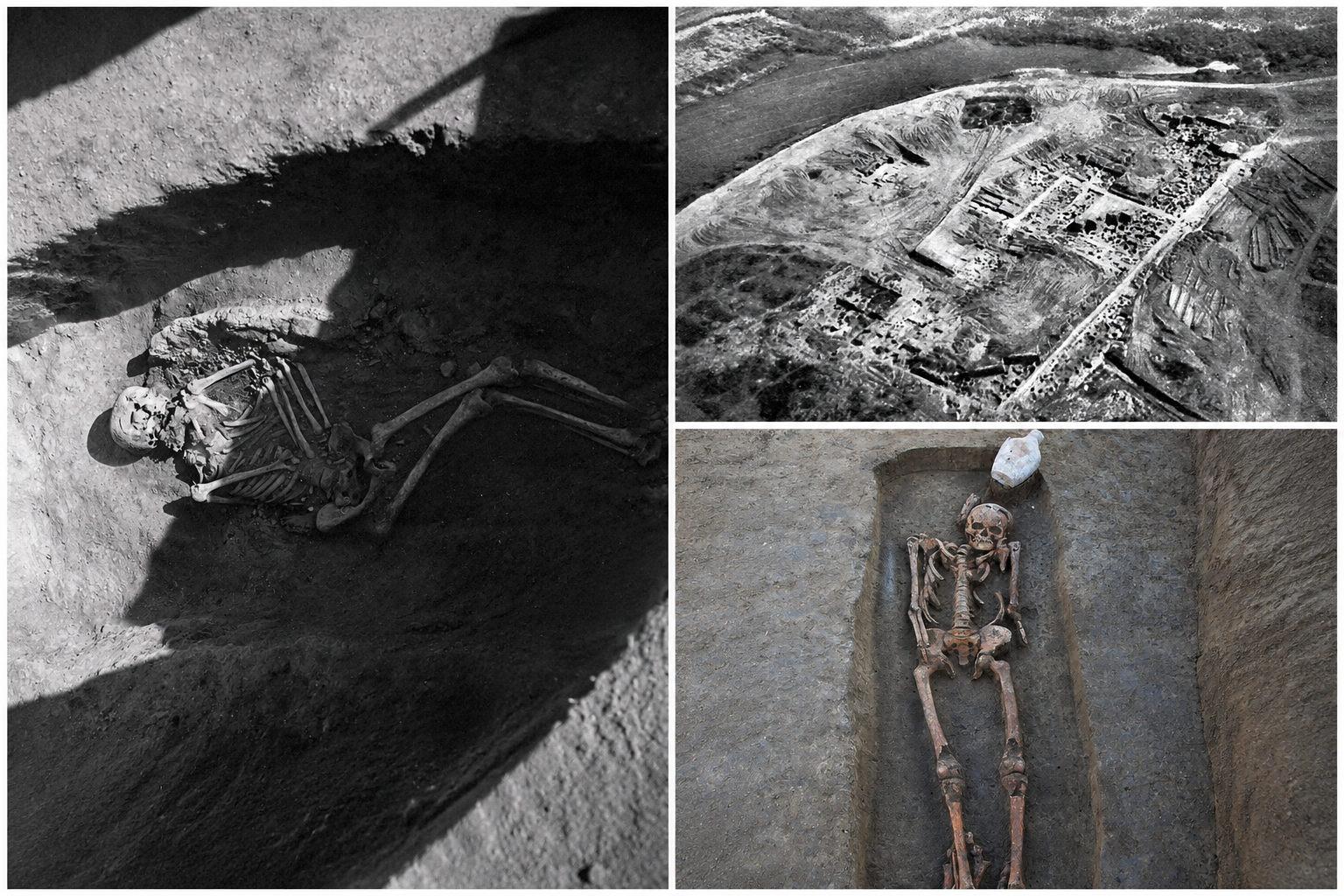
From a DNA point of view, the Bohun-linked haplogroup R1b1a1b1a1a2c1a4a sits inside a very widespread western European paternal story, and the related ancient samples attached to this branch offer a wonderfully broad archaeological backdrop rather than a claim of direct descent. Among the linked individuals are a notable cluster from Celtic Durotriges burials at Duropolis, Winterborne Kingston in England, including WBK12, WBK20, WBK29, WBK41, WBK05, WBK30, WBK43, WBK06, WBK08, WBK18, and WBK191, alongside later and wider finds such as Iron Age Wales Glamorgan St Fagans (I5440), Iron Age Cantii East Kent Ramsgate (I19909), Saxon Hinxton (12880A and 12884A), Early Anglo-Saxon Buckland Dover (BUK055), Early Medieval Suffolk Lakenheath (LAK010), Post-Roman Worth Matravers Dorset (I11580), Medieval Ireland Kilteasheen samples KIL025, KIL015, and KIL012, Pict-era Orkney Mine Howe (CGG018915 and CGG018915x), Bronze Age Orkney Links of Noltland (KD061), Late Bronze Age Covesea Caves Moray (I2859x), and even related medieval or earlier examples from northern Spain, Belgium, France, Italy, Croatia, Hungary, Austria, Portugal, and beyond. What that suggests, in broad terms, is that this paternal line belongs to a deep and well-travelled Atlantic and western European ancestry stream that was present in Britain long before the Norman age and continued through Celtic, Roman, post-Roman, and medieval populations. In other words, the Bohuns belong to a medieval noble world, but the deeper genetic backdrop linked to their haplogroup reaches into a much older human story.
Explore Roman and Early Medieval Britain DNA
The Bohuns are a splendid example of how family history, frontier politics, and genetics can sit together without being muddled together. Medieval power was built through land, warfare, office, and marriage; DNA adds a deeper population background, not a fairy tale pedigree. If you have Bohun connections in your family tree, or simply an interest in Anglo-Norman and marcher ancestry, you can upload your DNA to MyTrueAncestry and see whether you match the Bohun family group or related ancient DNA samples linked to haplogroup R1b1a1b1a1a2c1a4a.
Comments