Clan Crowley
– 2 min read


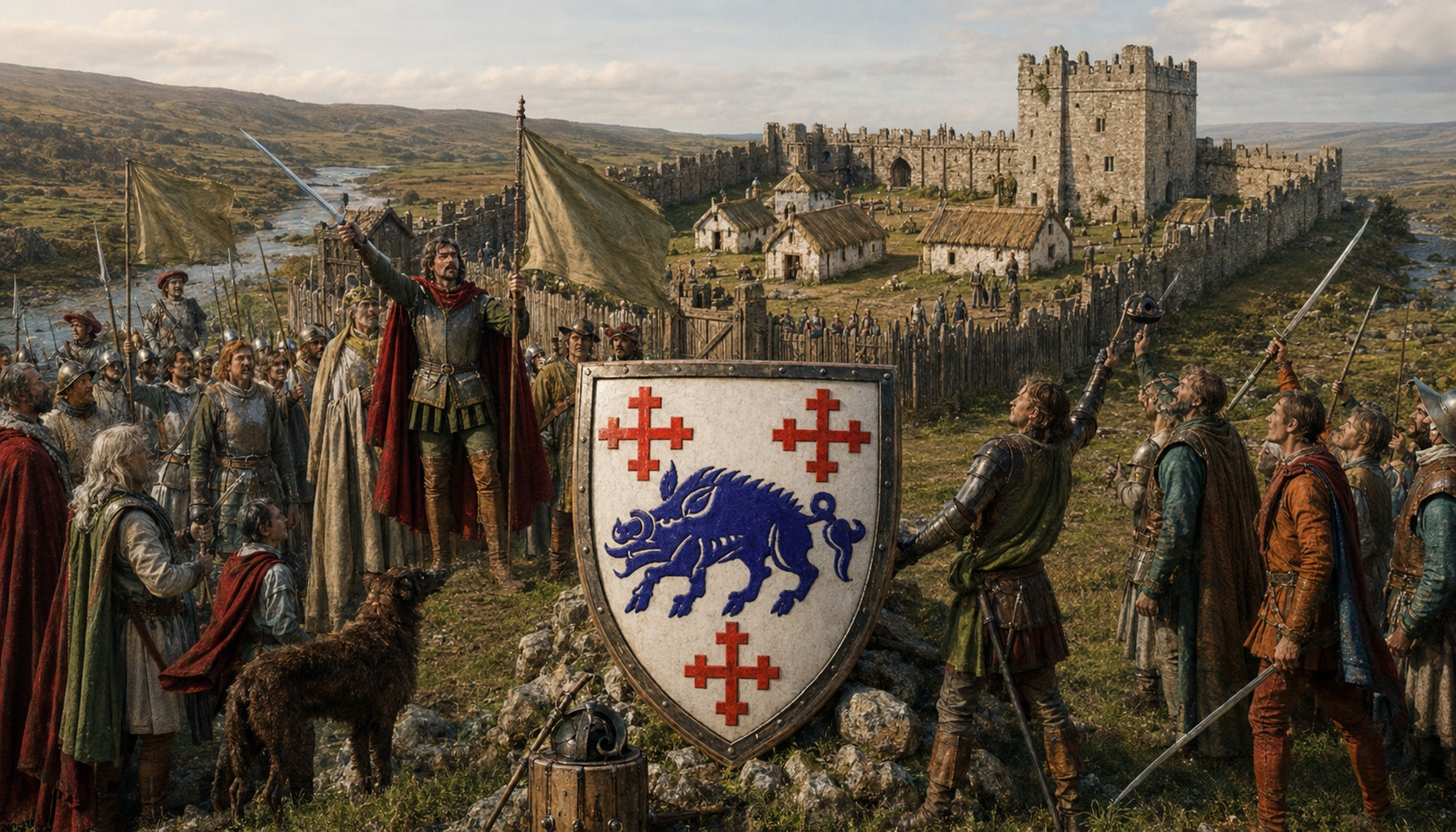
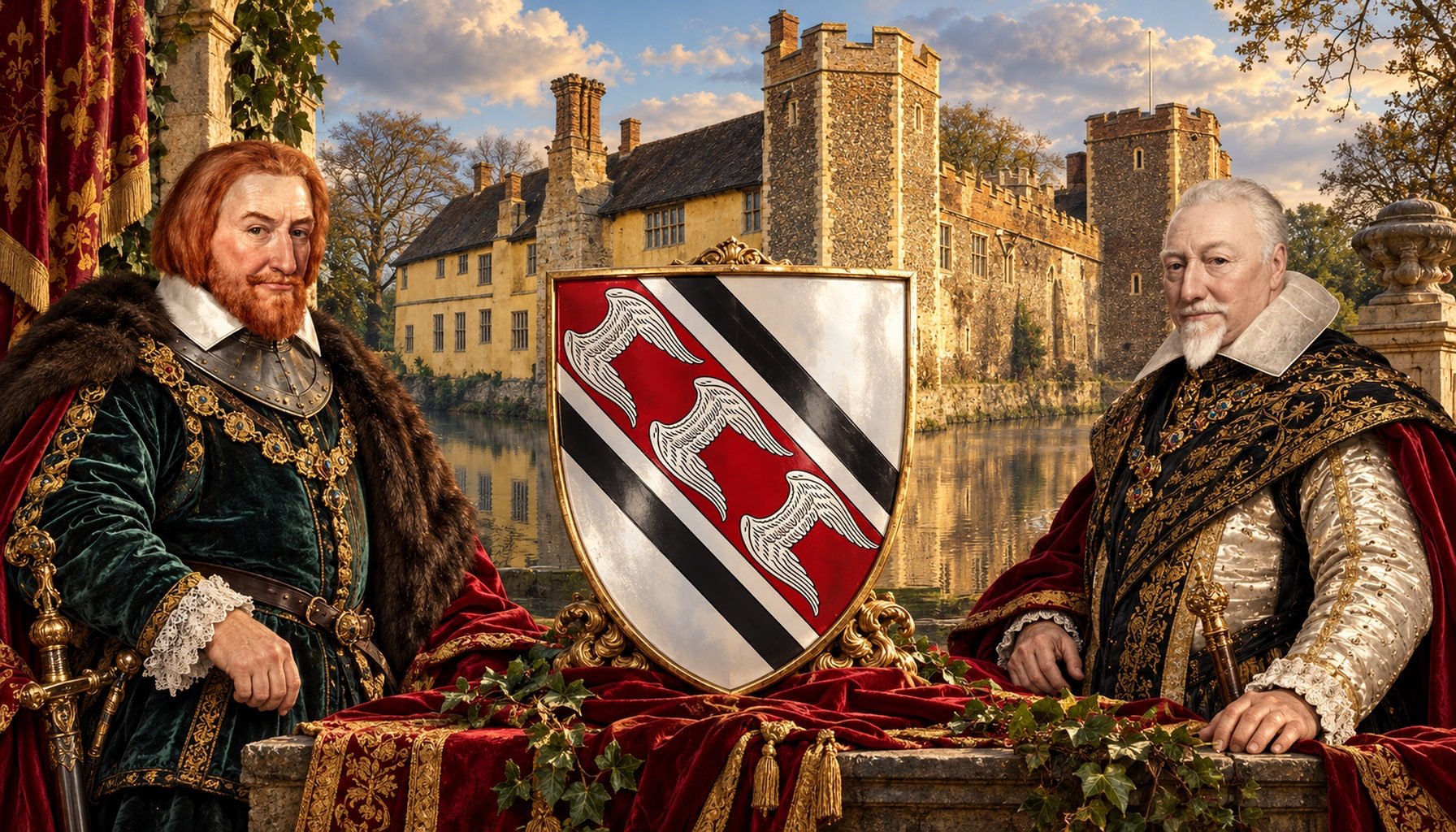
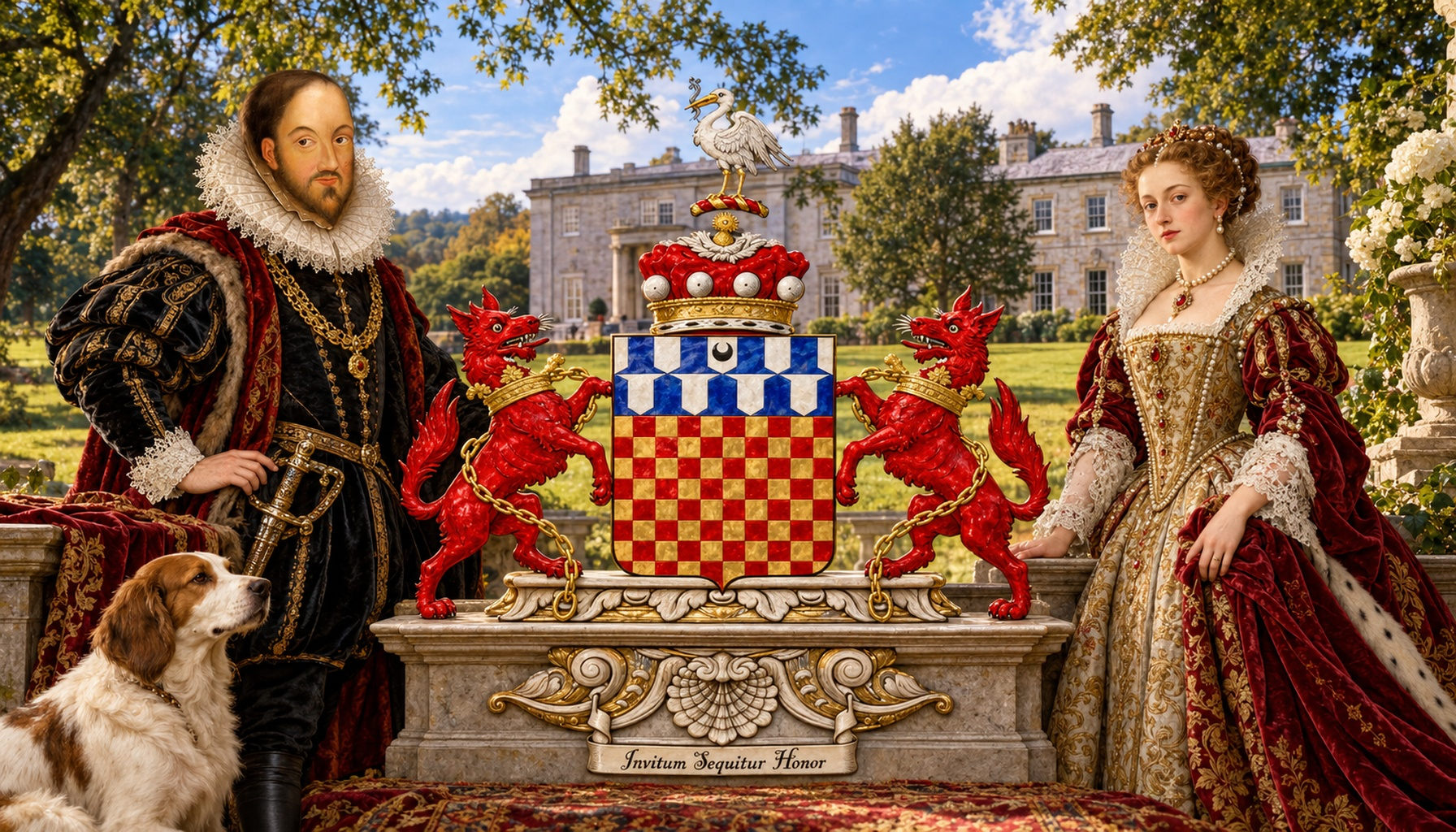
Clan Crowley was a Gaelic Irish family of Munster, rooted in the south of Ireland and remembered through the long, durable traditions of surname, kinship, and place. In broad historical terms, the Crowleys belong to that very Irish pattern in which a family name was more than a label: it marked belonging, local standing, memory, and continuity across generations. The surname is closely associated with the Gaelic world of southern Ireland, especially Munster, and is here linked with the haplogroup R1b1a1b1a1a2c1a3a2a1b1a, a paternal line often found in populations connected with Atlantic and Celtic western Europe.
The story of the Crowleys is not one of a single dramatic rise and fall, but something more interesting and more typical of Irish history: endurance. Through late medieval lordship, Tudor expansion, anglicization, land pressure, migration, and the great scattering of the Irish diaspora, Crowley families carried their identity onward through community memory, local service, and inherited attachment to ancestry. A named figure such as Auliff OCrowley, recorded in 1488, gives us a glimpse of the surname in historical view, standing there in the late medieval world just before Ireland entered one of its most transformative periods.
Read more about Clan OSullivan
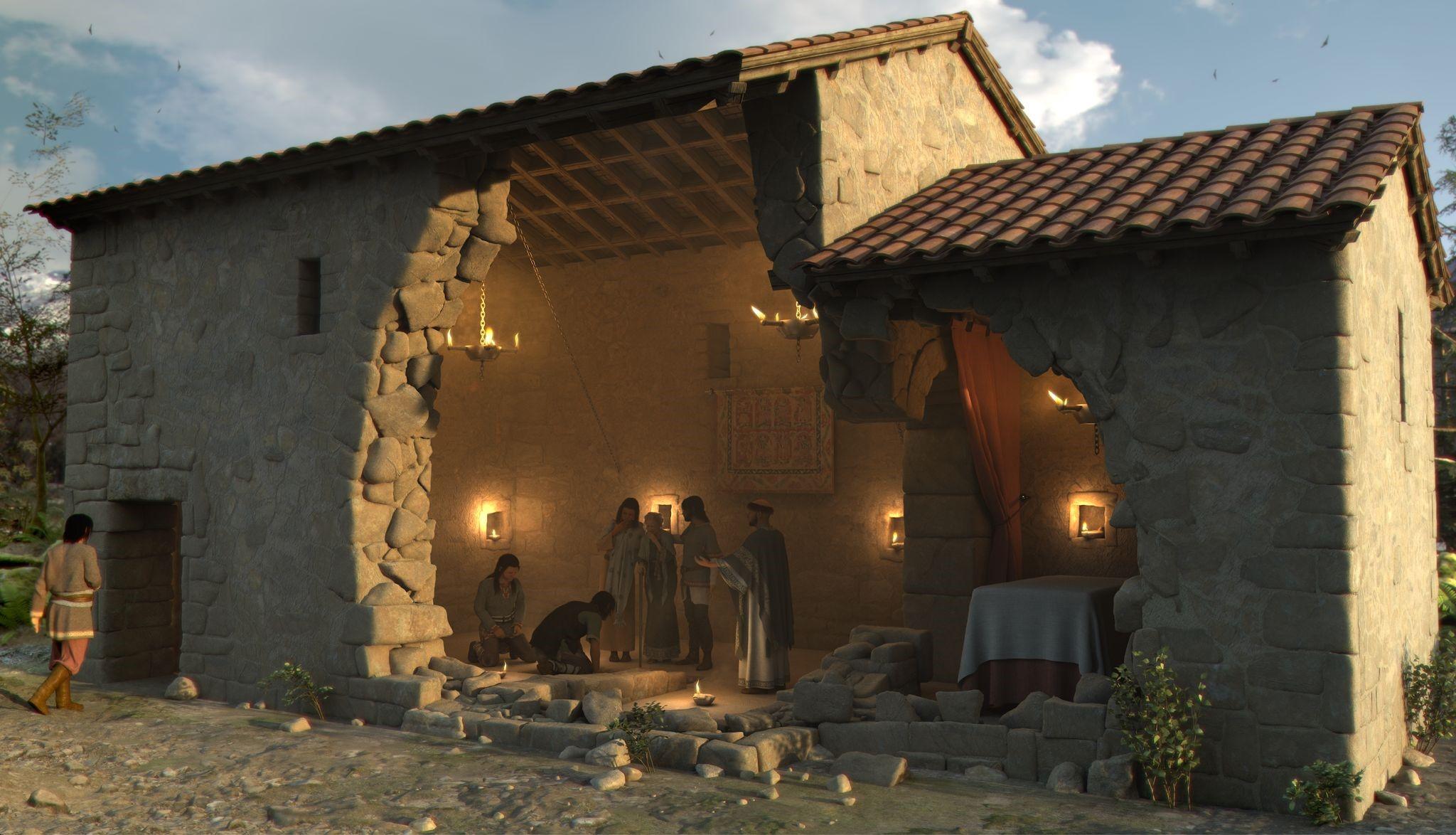
A useful location anchor for the family story is Crowley Castle in County Cork, a small fortified tower house associated with the Crowley name and the landscape of southwest Munster. As described by the castle record, it stands near Kilshannig and reflects the familiar Irish late medieval pattern of a defended residence rather than a storybook fortress: compact, vertical, practical, and deeply tied to local power and residence. These tower houses were the working architecture of Gaelic and Gaelicized Ireland, built for status, security, and oversight of nearby lands. Crowley Castle, even in ruin, still gives that unmistakable sense of a family planted in its own terrain, watching roads, fields, and river country with one eye on neighbors and another on politics. It remains a visible historic site and, as a ruin recorded and photographed as a standing monument, can still reasonably be visited from the outside by those exploring the heritage landscape of County Cork.
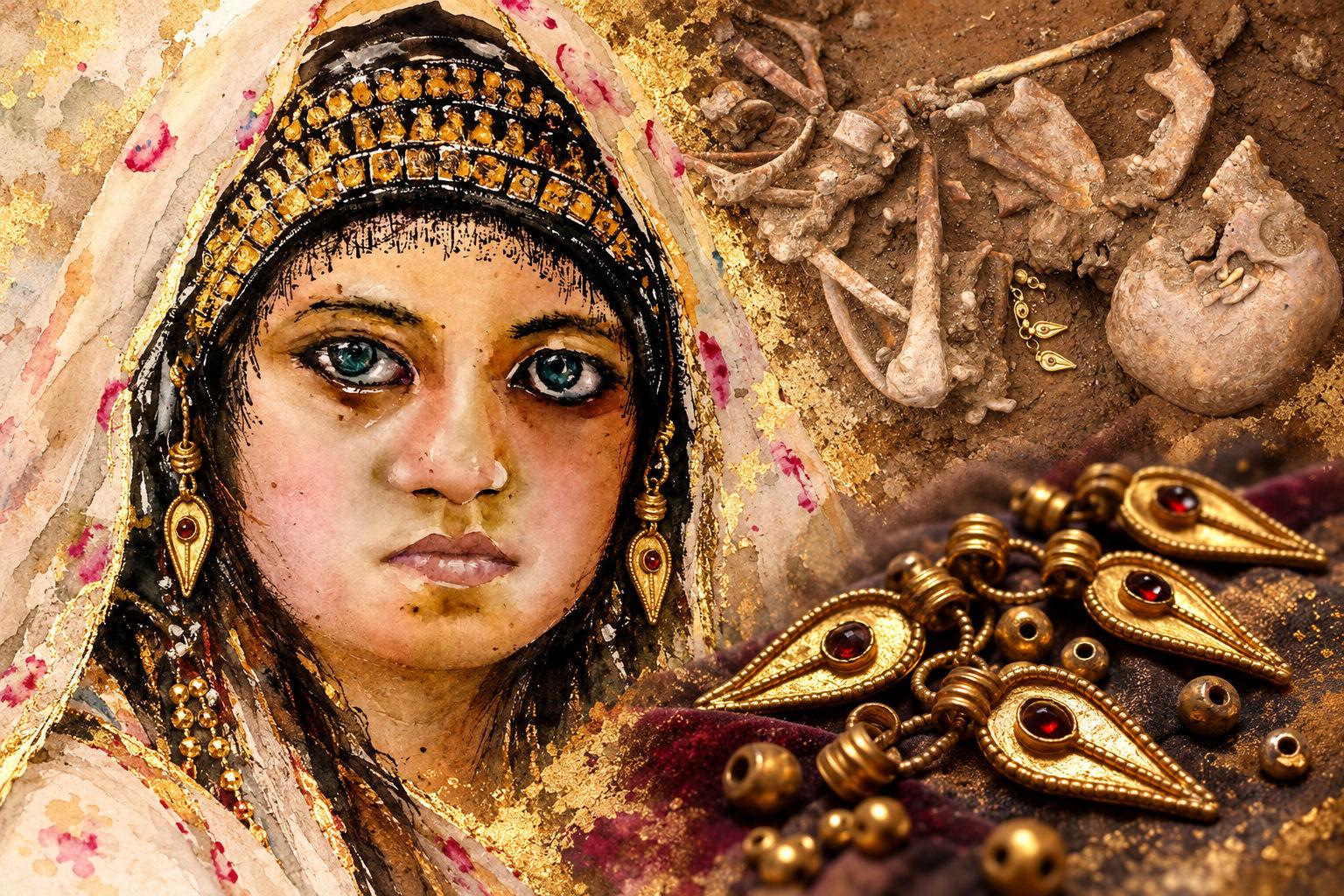
On the DNA side, the primary Crowley family haplogroup given here, R1b1a1b1a1a2c1a3a2a1b1a, sits within a wider paternal world strongly associated with later prehistoric and historic western Europe. Related or linked ancient samples under this branch include a striking cluster from Celtic Durotriges burials at Duropolis, Winterborne Kingston in England, including WBK12, WBK20, WBK29, WBK41, WBK05, WBK30, WBK43, WBK06, WBK08, WBK18, and WBK191. Other linked samples stretch across time and space: Bronze Age Orkney at Links of Noltland (KD061), Bell Beaker and Bronze Age burials in Wiltshire, Bedfordshire, Cambridge, South Lanarkshire, and the Thames valley, Iron Age examples from Somerset and Battlesbury Bowl, a Copper Age Irish sample from Rathlin2B, and later finds from Roman Croatia, Roman Portugal, Gaul, Belgium, Germany, and Austria. None of this proves direct descent from any one individual, of course, but it does place the Crowley-linked paternal line within a deep archaeological network of Atlantic and Celtic-era Europe, one that fits very neatly with a Munster Gaelic surname preserved into the modern age.
Explore ancient DNA and Celtic origins
If you carry the Crowley surname, have Munster roots, or simply suspect an Irish Gaelic family connection, this is exactly the sort of story DNA can help you explore more deeply. Upload your DNA to MyTrueAncestry to see whether you match Clan Crowley, this R1b1a1b1a1a2c1a3a2a1b1a lineage, or related ancient samples from Iron Age, Bronze Age, and early medieval Europe.
Comments