Clan Cotter
– 3 min read


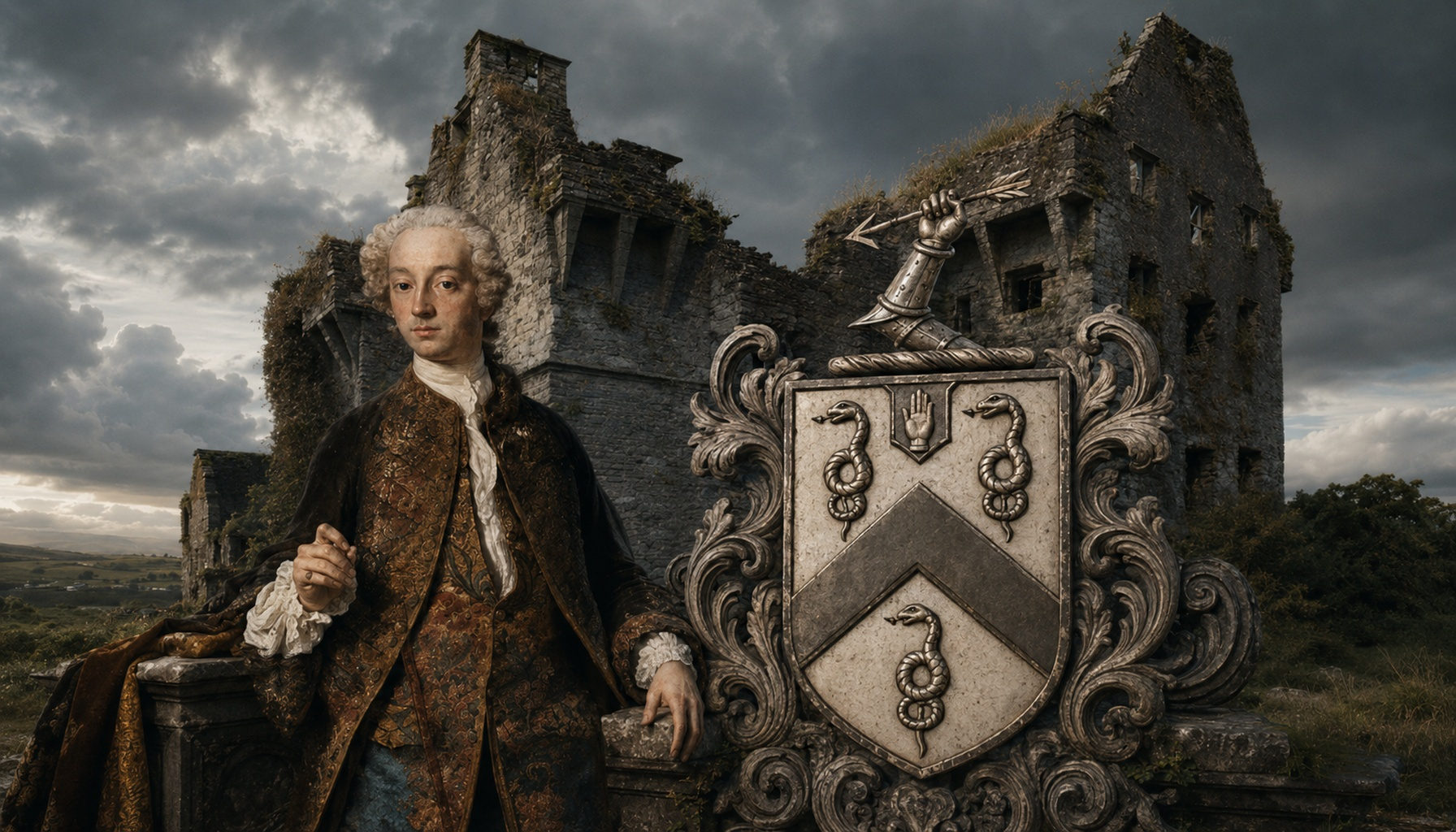
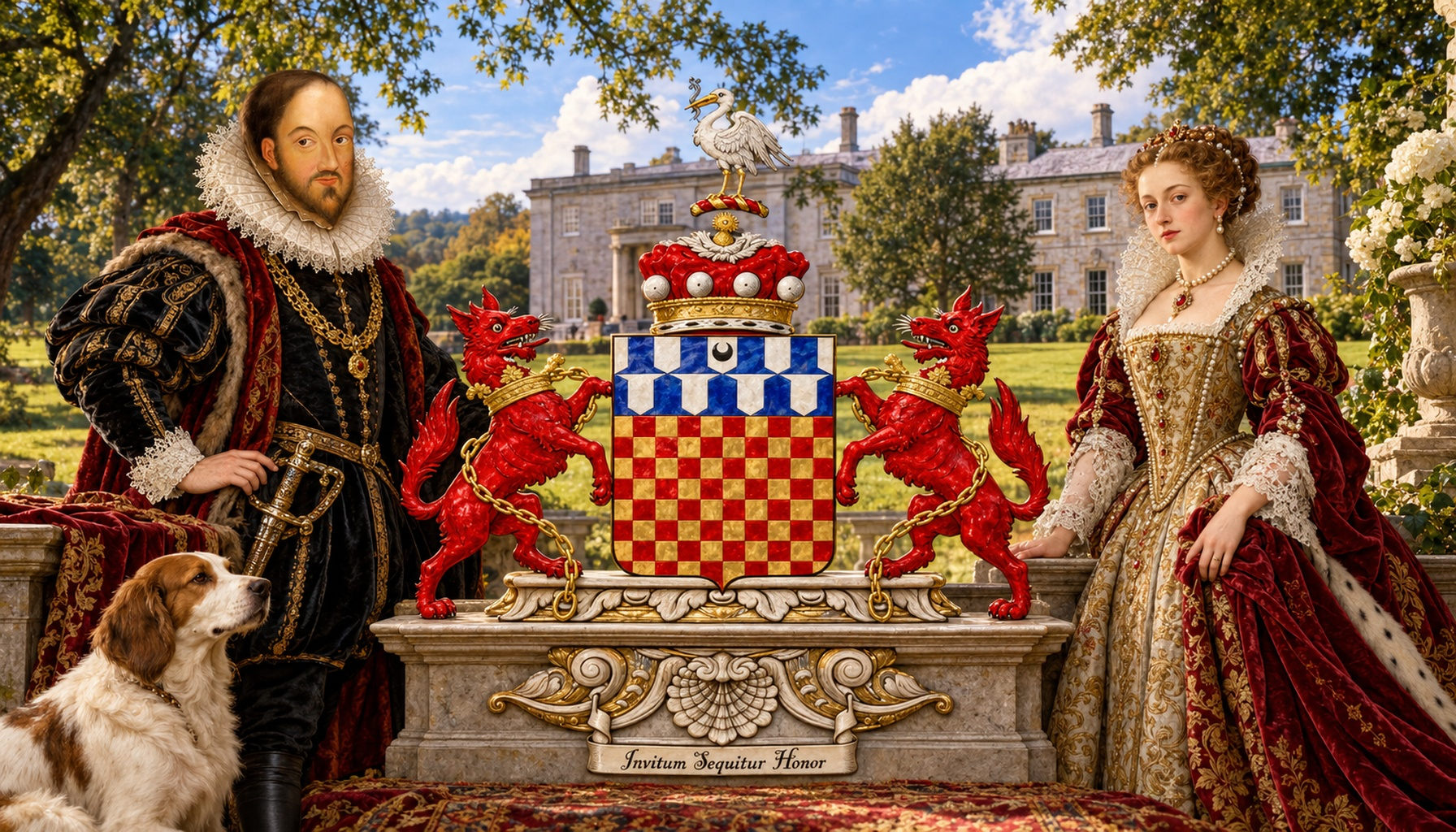
Clan Cotter was a Munster Irish family rooted in the south of Ireland, remembered for regional loyalty, local standing, and a surname that endured through centuries of upheaval. In genetic tagging terms, the primary family haplogroup linked here is R1b1a1b1a1a1c2b1b4d, a branch within the great Atlantic-facing R1b world that turns up widely across western Europe. For the Cotters, though, the important story is not a bare code of letters and numbers, but a family identity shaped in Munster by service, kinship, land, and the ability to remain recognisably themselves while the political weather changed around them.
The Cotter name belongs to that very Irish pattern in which a family is both local and historical at once. In southern Ireland, especially in Munster, families rose not simply by grand conquest but by usefulness: maritime links, household service, landholding, military obligation, and community reputation. The clan-style memory of the Cotters reflects precisely that world. Their heritage carries echoes of Norse-Gaelic and later Irish development, and one striking named figure associated with the wider family story is Ottar, King of Dublin in 1142, a reminder that the name reaches back into the mixed seafaring societies of medieval Ireland. Over time, the Cotters weathered conquest, political rearrangement, migration, and adaptation, yet kept the surname alive as a badge of belonging.
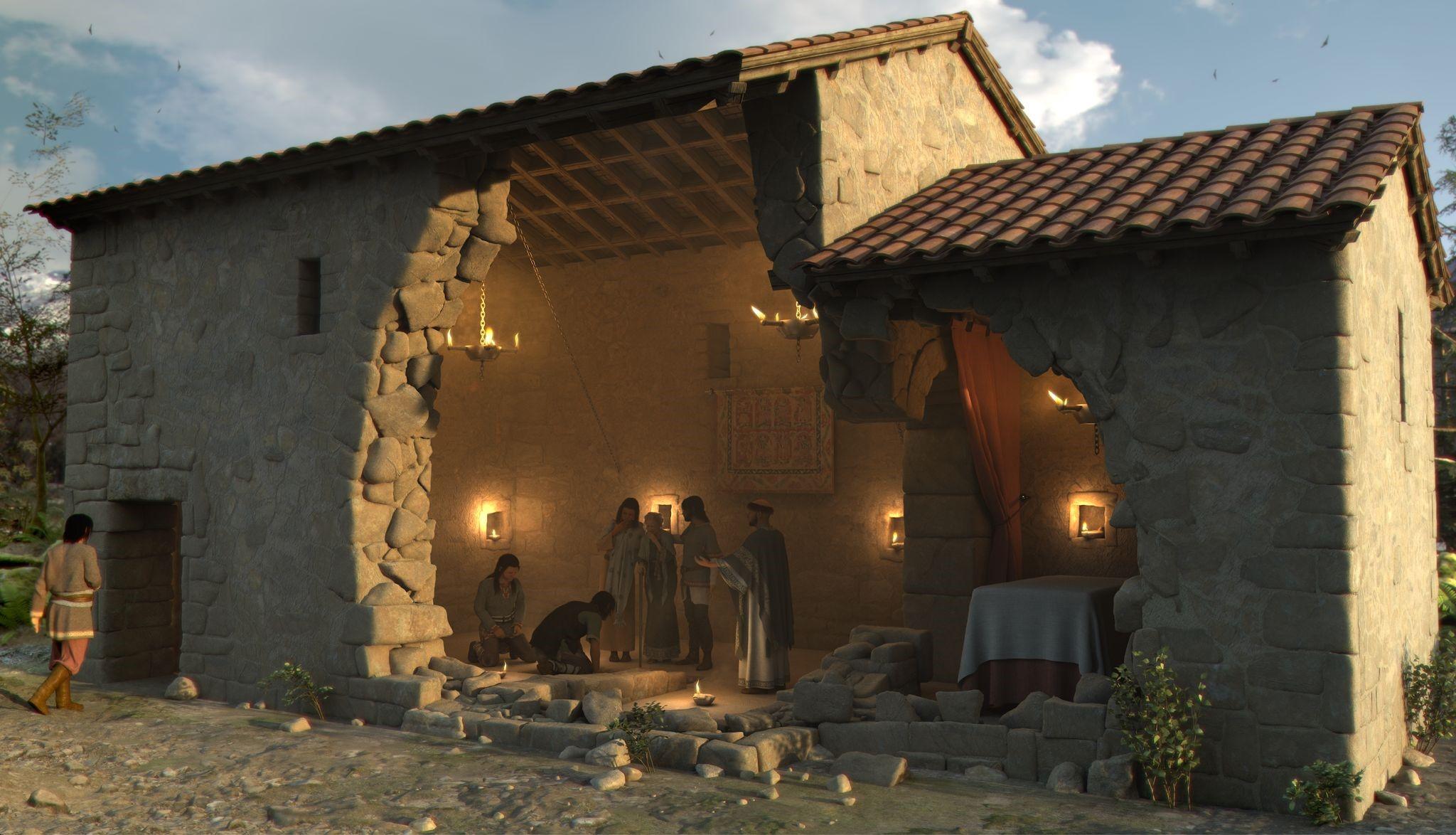
A strong location anchor for the family is Coppingerstown Castle in County Cork, near Rosscarbery, in the old heartland of west Munster. The site stands as a tower house with later additions, the sort of place that tells you at once how Irish family history actually worked: not fairy-tale castles on dramatic cliffs, but defended residences tied to estate management, local authority, and the daily business of surviving in a contested countryside. Coppingerstown Castle is associated with the Coppinger family, but as a landscape marker it belongs to the same south Irish world in which families like the Cotters established and defended status across generations. The building preserves traces of that layered history, with its tower-house character and later domestic adaptations, and it remains a tangible reminder of how Munster lineages were anchored in place as much as in pedigree. It appears to survive as a visible historic structure, so it can still be visited from the outside at least, depending on access conditions and local arrangements.
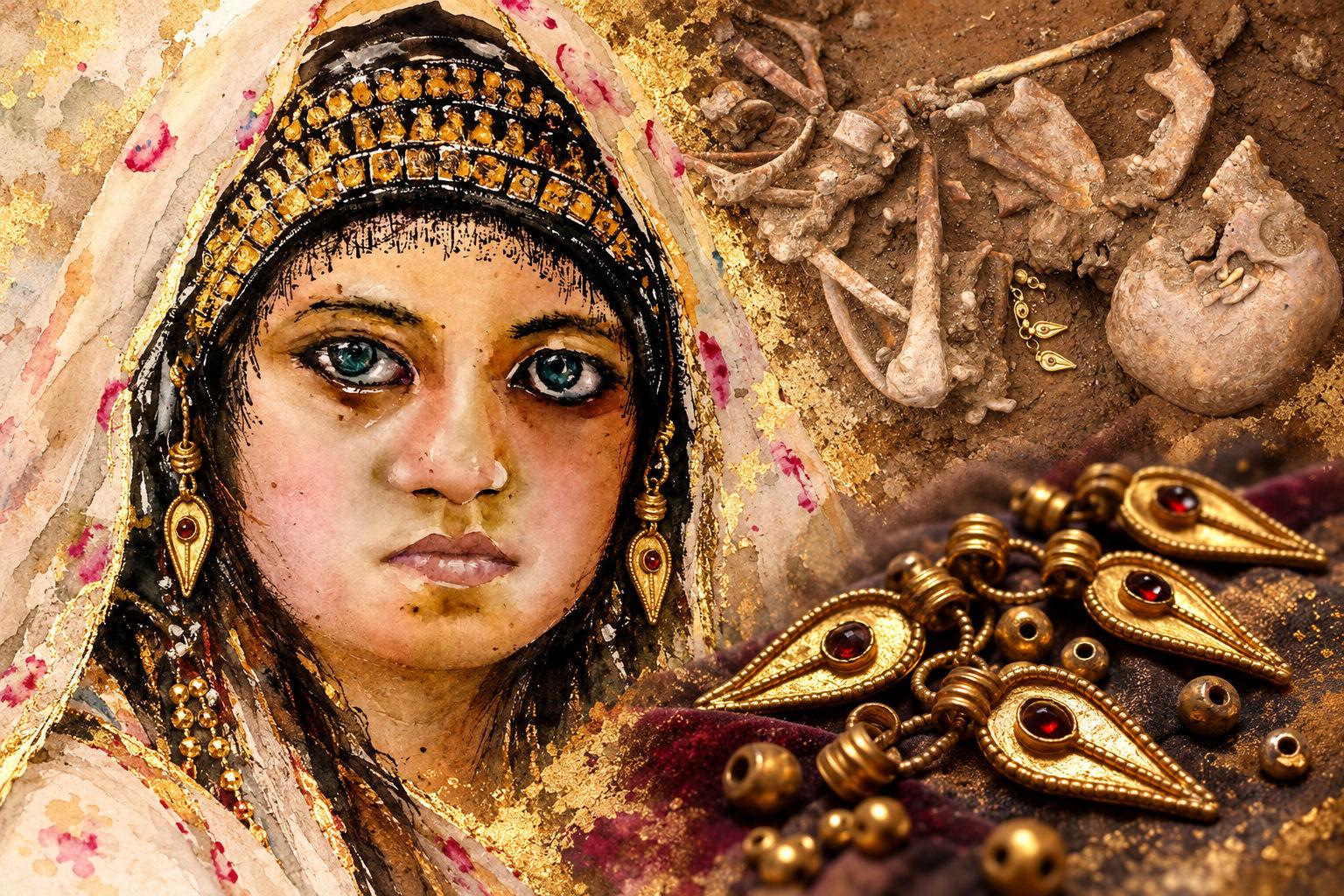
From the ancient-DNA side, the haplogroup tag R1b1a1b1a1a1c2b1b4d links Clan Cotter to a wider web of related or haplogroup-near male lines found across medieval and earlier Europe. Samples often cited in that orbit include Medieval Belgium Sint-Truiden Groenmarkt ST2397, Medieval Belgium Outsider Sint-Truiden Onze-Lieve-Vrouwekerk ST1189, Royal Tombs of Aigai Macedonia Elite Tomb I DEM3235, Medieval Belgium Sint-Truiden Onze-Lieve-Vrouwekerk ST2320, Early Medieval Yorkshire England Norton Bishops East Mill I17274, Carolingian Era Groningen Netherlands GRO023, Viking Age Galgedil Funen Denmark VK134, and Viking Age Skara Varnhem Sweden VK424. That does not mean these individuals were Cotters, nor that the Cotters descend directly from any one of them. What it does show is that the broader paternal lineage sits in a deep European historical landscape stretching from Viking Age Scandinavia and early medieval England to the Low Countries and even elite burials in ancient Macedonia. It is a fine example of how a modern Irish family story can rest inside a much older and much wider human past.
Explore medieval Sint-Truiden DNA
If you carry the Cotter surname, have Munster roots, or simply suspect your family belongs to this durable southern Irish world, DNA can add an intriguing extra layer to the paper trail. Upload your DNA to MyTrueAncestry to see whether you match Clan Cotter, or show connections to related ancient DNA samples linked with haplogroup R1b1a1b1a1a1c2b1b4d and its wider historical network.
Comments