Clan Cochrane

– 3 min read


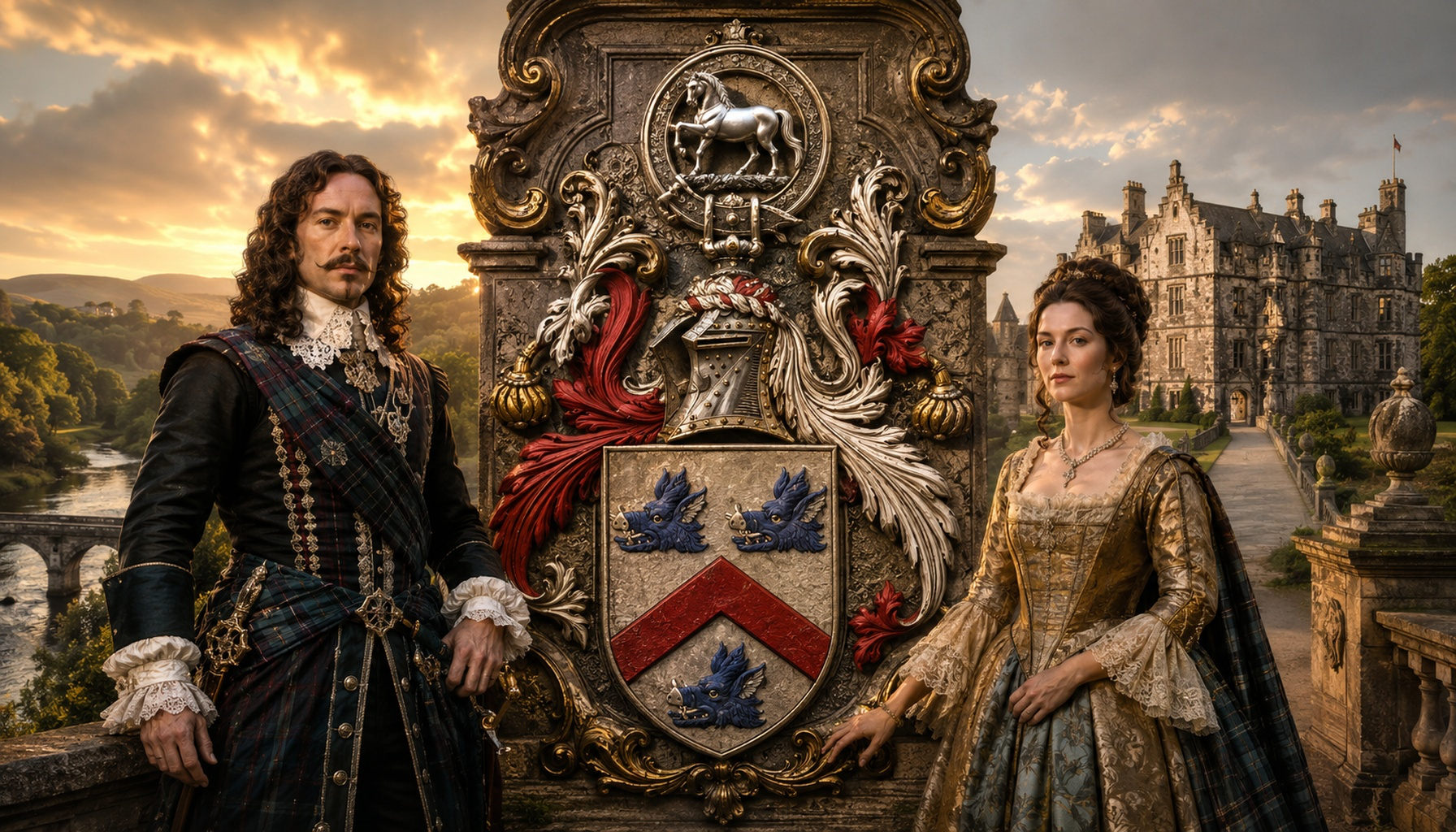
Clan Cochrane was a Scottish Lowland family of territorial character, rooted above all in Renfrewshire and Ayrshire, and remembered for the particular kind of prestige that came not from Highland romance but from land, service, and patient advancement. The name itself is tied to place, which is often the giveaway in Lowland history: these were families whose identity was built through estates, local influence, crown service, and the long business of staying important. In genetic tagging terms, the primary family haplogroup associated here is R1a1a1b1a3a1b3c1b, a paternal line found across a wide swathe of northern and eastern Europe and later historical populations linked to Britain and the North Sea world.
The Cochranes emerge in the record as a family shaped by medieval Scotland's changing political landscape, where loyalty, legal tenure, and military usefulness could turn landed men into magnates. Waldenus De Cochrane, dated here to 1240-1300, belongs to that earlier stratum of documented family history, when surnames were still closely tied to local possession and standing. Over time the family rose far beyond merely local rank. Their story came to include estate continuity, heraldic identity, public duty, military and political office, and eventually titled distinction in the peerage through the Earls of Dundonald, a dignity associated with the family from 1669 to the present. Their motto, Virtute et Labore, by courage and labor, suits them rather well: not a slogan of idle grandeur, but one of work, service, and earned authority.
Read more about Clan Cunningham
A useful location anchor for thinking about Cochrane heritage is Auchindoun Castle in Moray, a dramatic ruin in the north-east of Scotland. Although not the original territorial cradle of the clan in the Renfrewshire-Ayrshire zone, it offers the sort of physical setting that helps make sense of noble and landed Scottish history more broadly: power expressed through masonry, lordship, and a commanding view over movement through the landscape. The castle, standing on a hill above the River Fiddich, was built in the 15th century and passed through the hands of major families including the Ogilvies and Gordons. It was caught up in the feuding and violence of 16th- and 17th-century Scotland, including a notorious burning in 1592, and today survives as an evocative roofless shell under state care. Yes, it can still be visited, and it is exactly the kind of place where ruined walls do the talking if you let them: less a fairy-tale fortress than a hard reminder that Scottish noble history was built on control, conflict, and endurance.
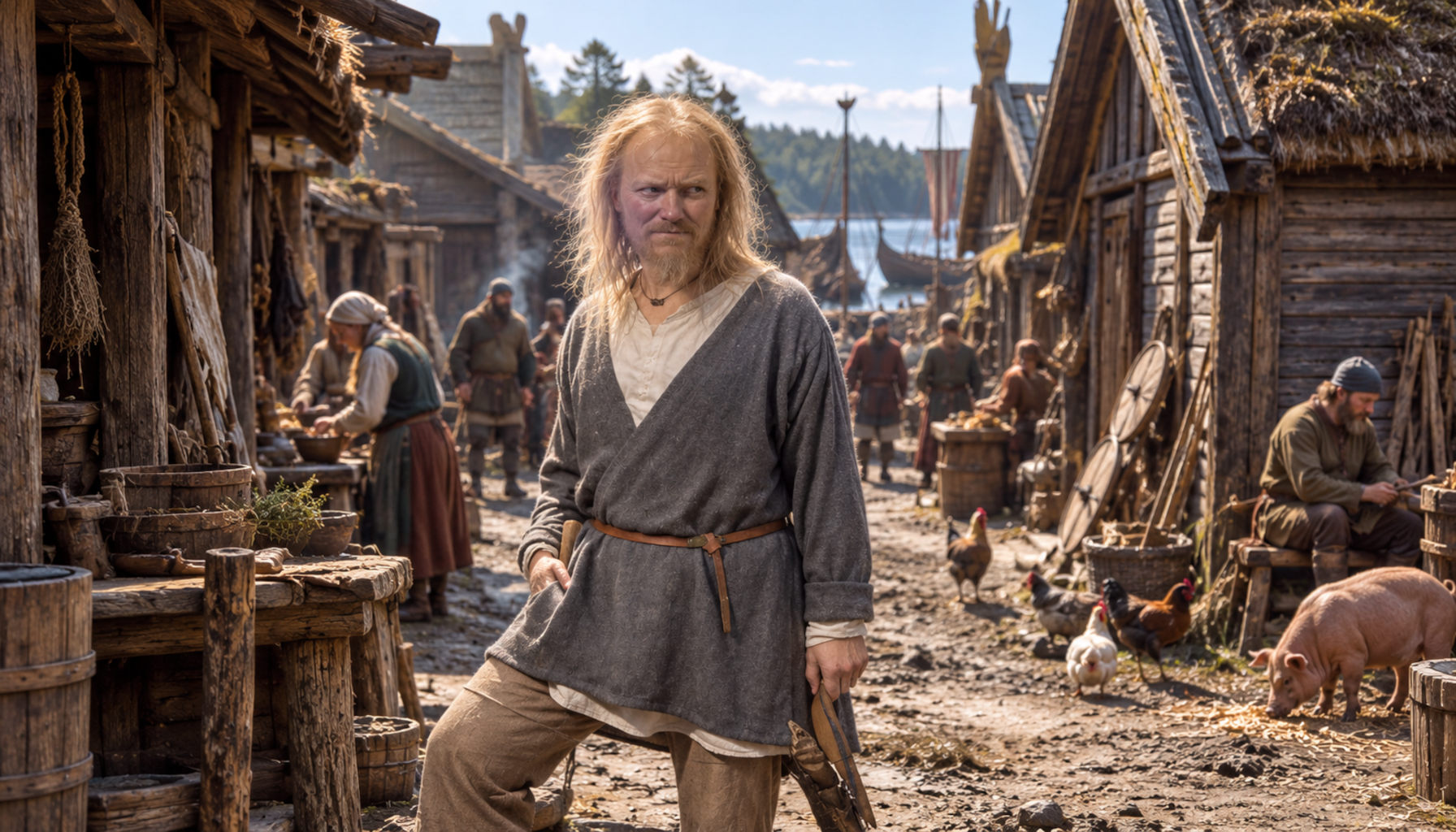
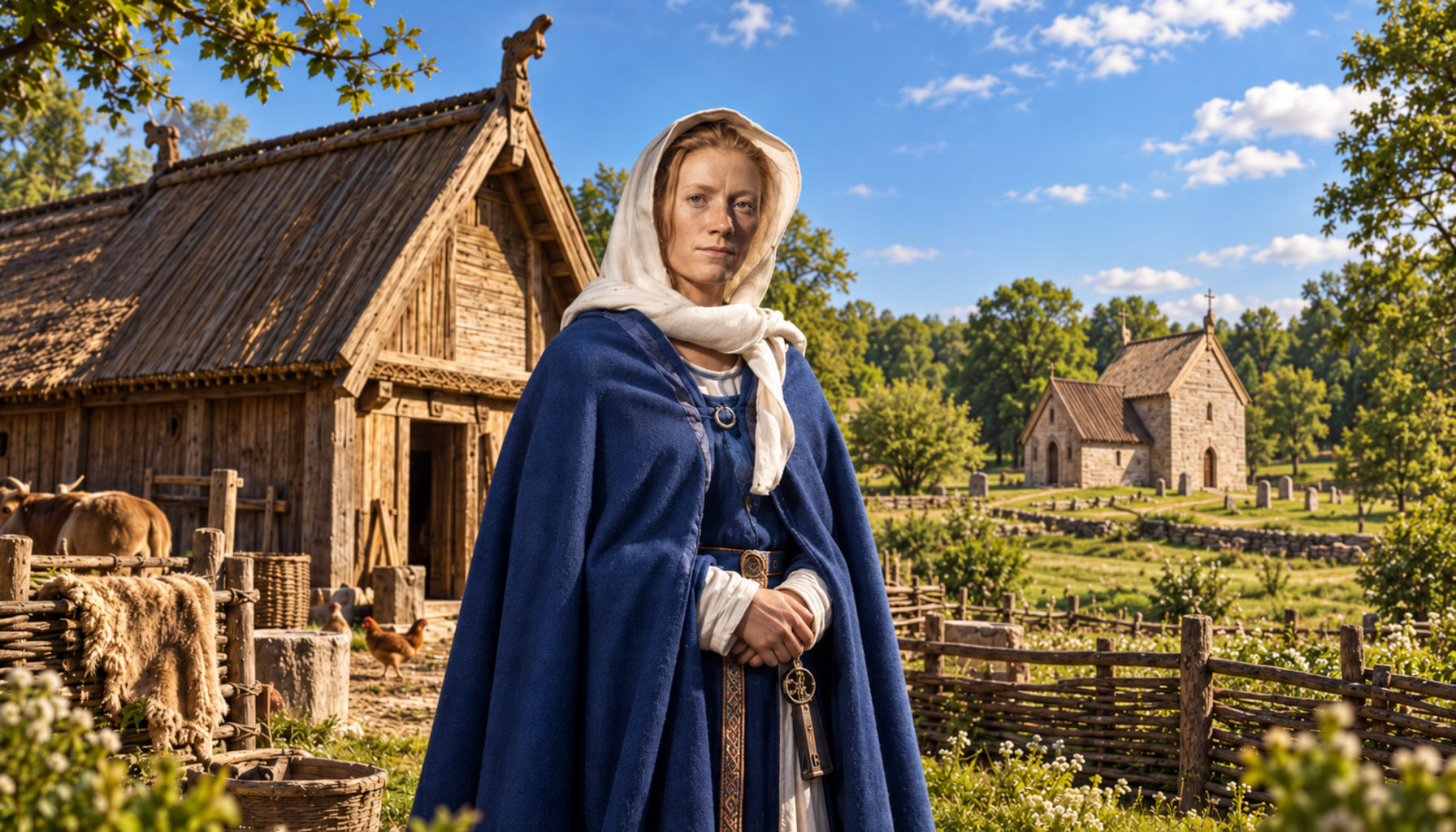
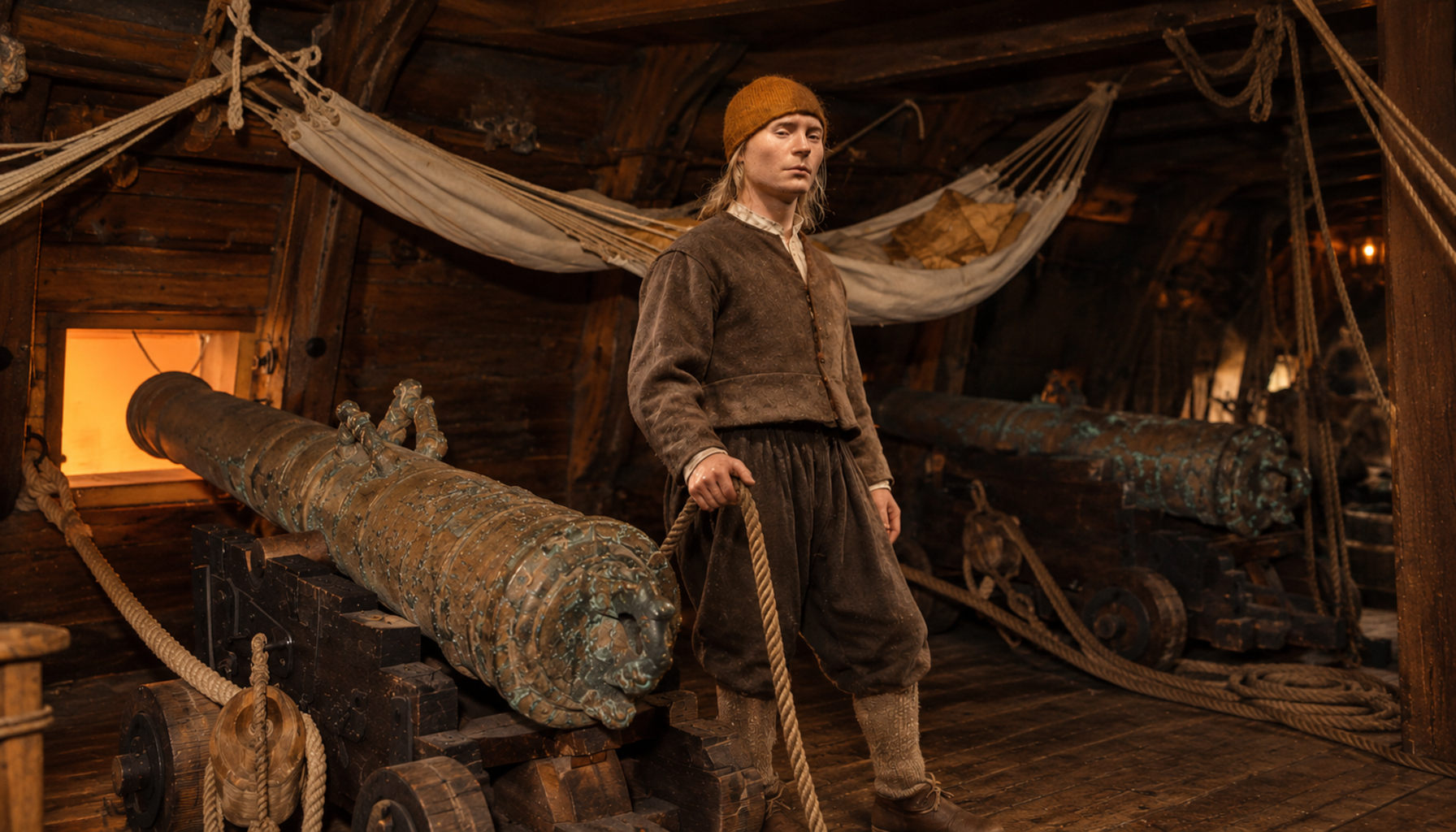
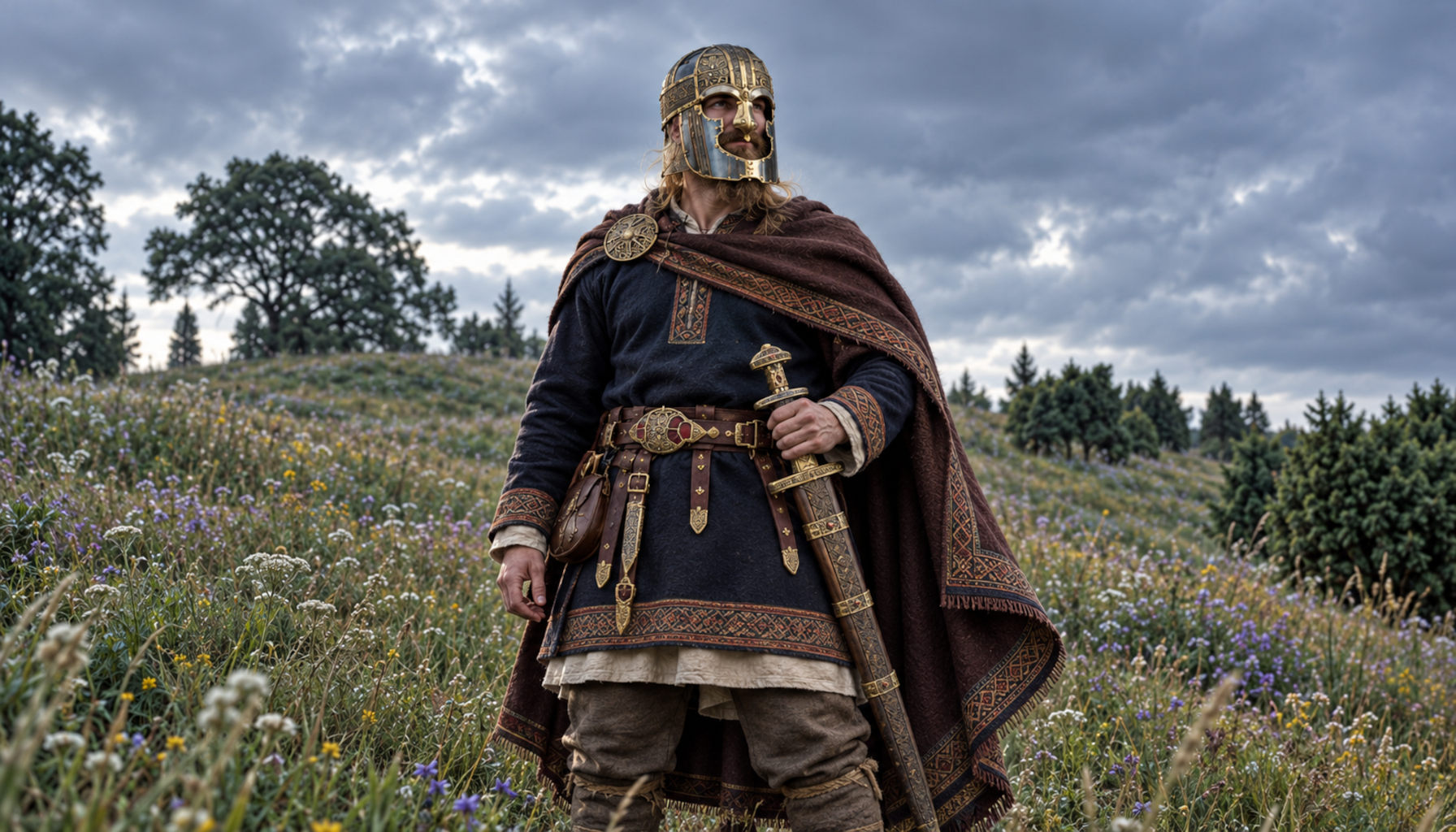
For the deeper DNA backdrop, the haplogroup R1a1a1b1a3a1b3c1b links the Cochrane line to a broader web of ancient and historic paternal signatures rather than proving descent from any one excavated person. Related or linked samples include Historic St. Mary City Chapel Field Cemetery, Maryland (I15285), Germanic Tribe Denmark Sjaelland Lillevasby (CGG107454), Viking Age Halogaland Holm (CGG107030), Pre-Viking Western Norway Skongeneshelleren (CGG107009), Anglo-Saxon Sedgeford, Norfolk (SED006), Early Medieval Polhill, Kent (POH006), Viking St. Brice Massacre, Oxford (VK172), Iron Age Telemark, Norway (VK390), and Iron Age Islandbridge, Dublin (VK546). Taken together, these do not make a neat little family tree, and thank goodness for that, because history is rarely neat. What they do suggest is that this paternal line belongs to the same larger northern European world that fed into Britain through Iron Age movement, North Sea exchange, Anglo-Saxon settlement, and Viking-era mobility.
If Clan Cochrane is part of your family story, the next step is to test the paper trail against the deeper record of DNA and archaeology. Upload your DNA to MyTrueAncestry to see whether you match the family haplogroup R1a1a1b1a3a1b3c1b or show connections to related ancient samples from Britain, Scandinavia, and the wider North Sea world.
Comments