Clan Shaw

– 2 min read



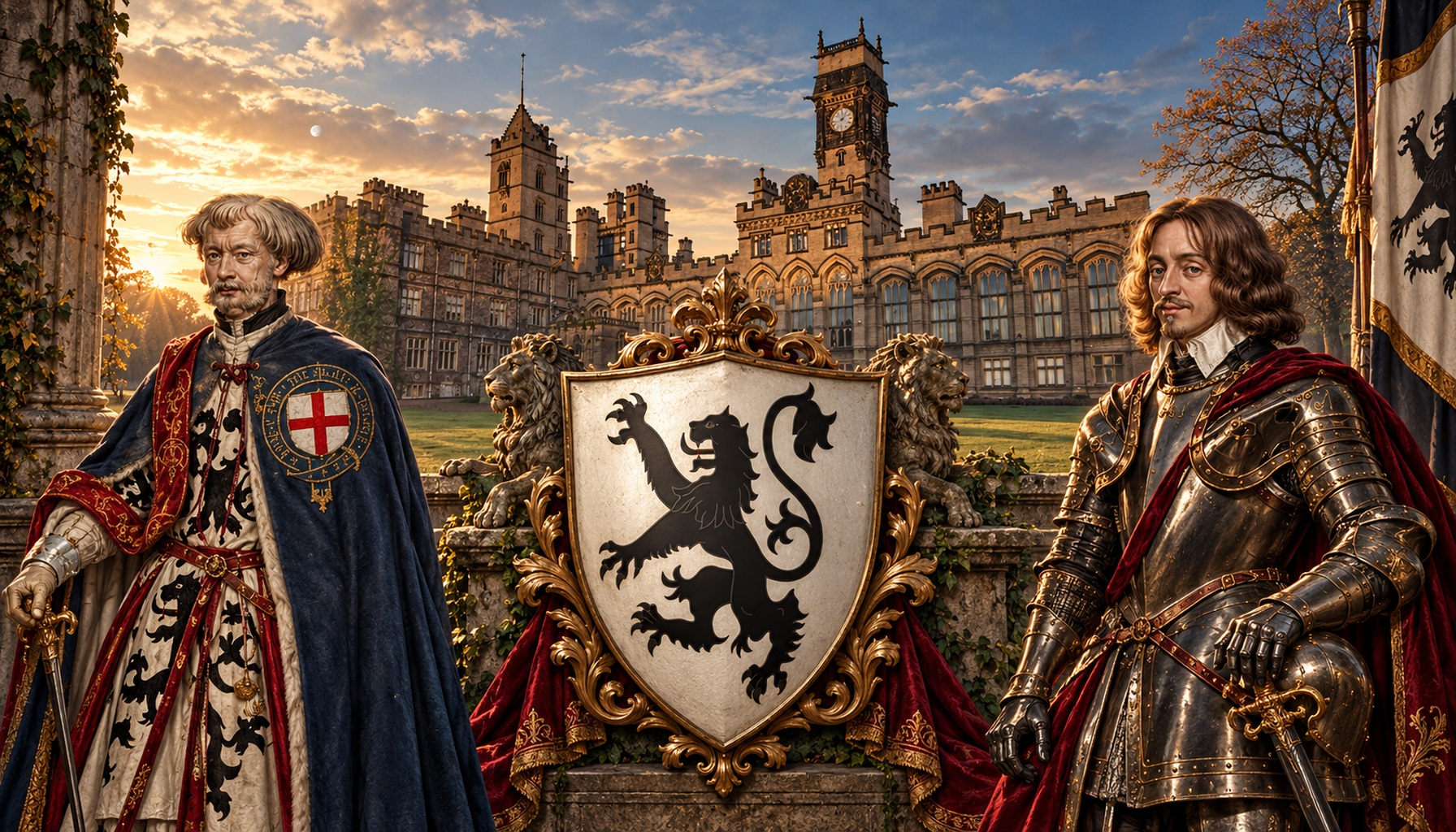
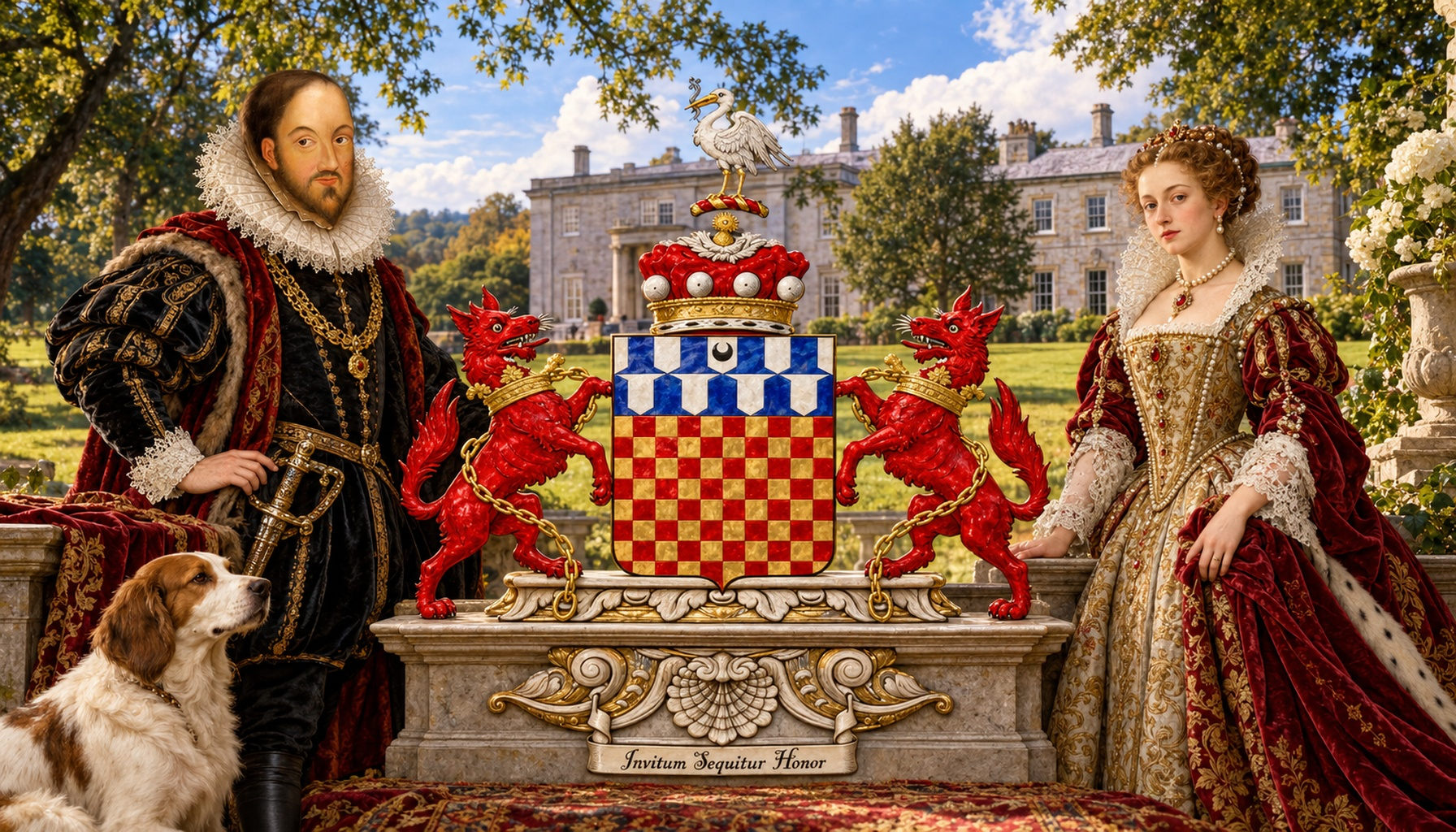
Clan Shaw was a Highland Scottish kindred rooted above all in Rothiemurchus in Badenoch and closely bound into the great Clan Chattan confederation, that remarkable Highland alliance in which kinship, war service, mutual defense, and political practicality all went hand in hand. In that world, a clan was not simply a surname group but a living network of loyalty, memory, and obligation. The Shaws carried a strong Gaelic identity and are often understood through that wider confederated-clan pattern: local authority, fighting reputation, heraldic tradition, chiefship, and a deep sense that family was something defended as much as inherited. Primary family haplogroup: R1b1a1b1a1a1c2b2a1b1b1a1.
The clan's story emerges from the medieval Highlands, where names, lands, and allegiances were never static things. Here, in the wooded and strategically important country around Rothiemurchus, families survived by forging alliances as much as by holding territory. One early named figure is Shaw Macghillechrist Mhic Iain, recorded in 1370, a reminder that the clan appears in history not as an abstract tartan image but as real people in a very contested landscape. Clan Shaw's heritage includes participation in clan battles, the maintenance of chiefship traditions, and the preservation of a family identity that endured through the changing fortunes of Highland Scotland.
A useful location anchor for the wider Shaw story is Dounreay Castle, on the north coast of Caithness near Thurso. The surviving structure is a ruined 16th-century tower house, built in a landscape that has been important for far longer than the tower itself suggests. Like so many Scottish castles, it is less a fairy-tale palace than a hard, practical statement of authority in stone: a defended residence, a watchpoint, and a marker of local power. Dounreay later became famous because of the nearby nuclear establishment, but the castle still carries the older atmosphere of northern Scotland's layered past, where Norse, Gaelic, and later Scottish political worlds all brushed against one another. As a ruin, it is generally known and visible as a historic site, so it can still be visited in reasonable terms, though visitors should always check local access conditions.
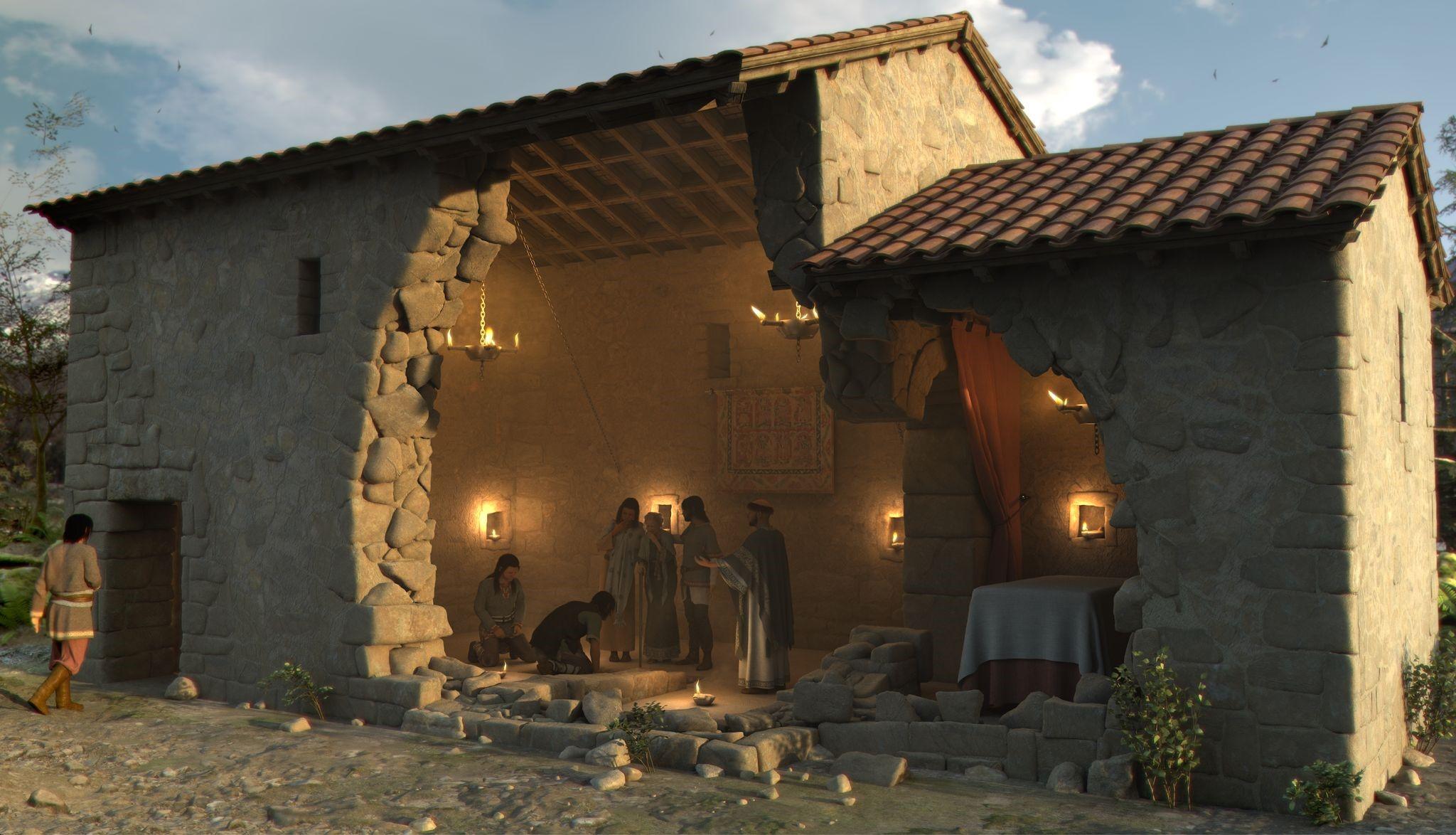
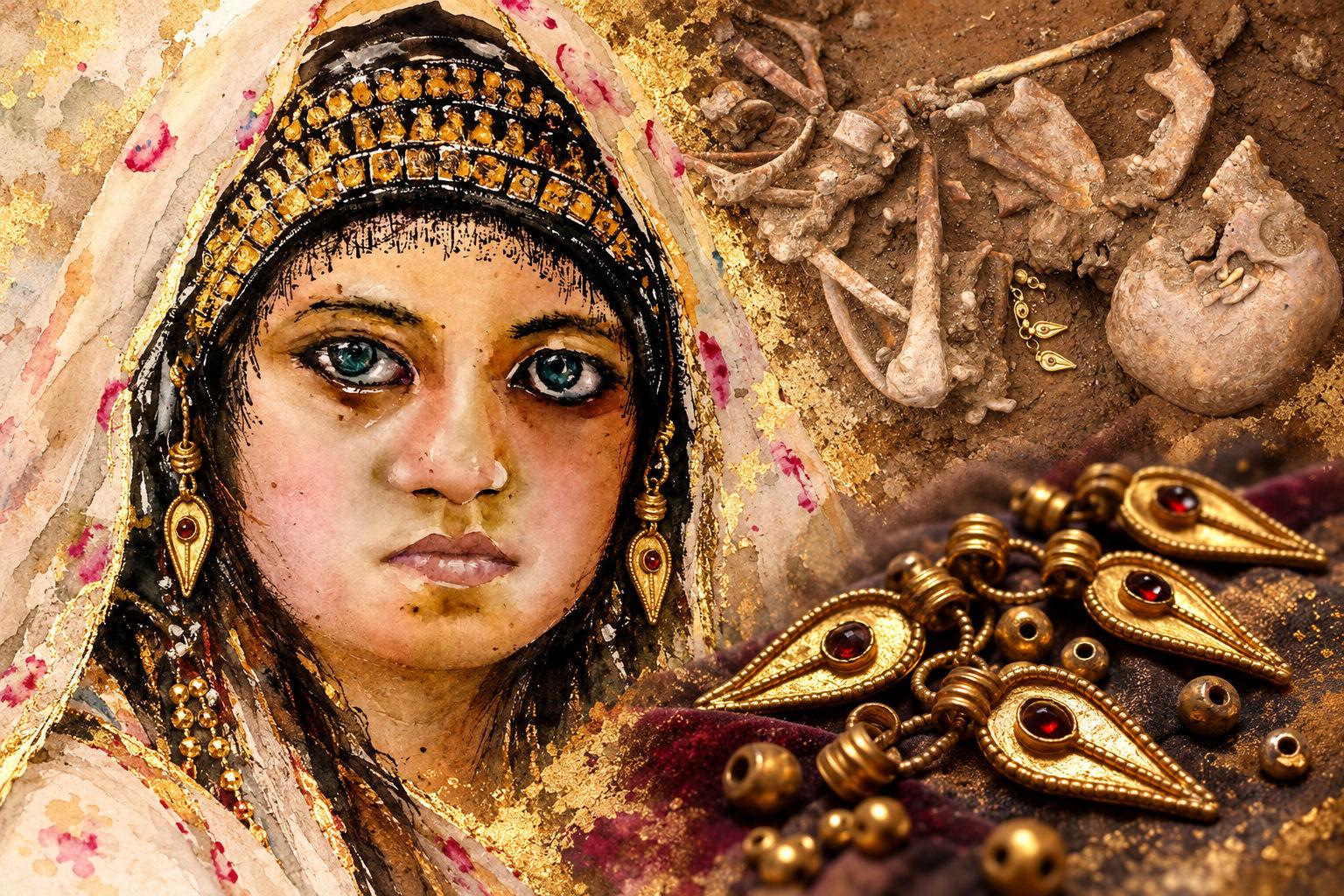
From the ancient DNA side, the Shaw-linked haplogroup R1b1a1b1a1a1c2b2a1b1b1a1 belongs to a wider northwestern European paternal story rather than to one provable single clan line. Related or linked samples assigned to this branch or nearby contexts include Medieval England Cambridge St Johns Hospital (ATP_PSN_78), Medieval Belgium Outsider Sint-Truiden Onze-Lieve-Vrouwekerk (ST1186), Jute Early Roman Era Denmark Jutland Bog War Alken Enge (CGG019209), Early Anglo Saxon Period Hatherdene Close Cambridgeshire England (HAD011), Early Medieval Polhill Kent England (POH008), and Viking Age Oland Island Sweden (VK444). These do not prove direct descent from Clan Shaw, of course, but they do place the haplogroup in a rich archaeological corridor stretching across the North Sea world, from Jutland and Sweden to England and the Low Countries, exactly the kind of interconnected zone that shaped later British and Highland ancestry.
Read more about Clan MacPherson
If Clan Shaw is part of your family story, then you are looking at more than a surname: you are looking at a Highland inheritance built from alliance, memory, and survival. Upload your DNA to MyTrueAncestry to see whether you match Clan Shaw, the primary haplogroup R1b1a1b1a1a1c2b2a1b1b1a1, or related ancient DNA samples from the wider medieval and North Sea world.
Comments