Clan MacKintosh
– 3 min read


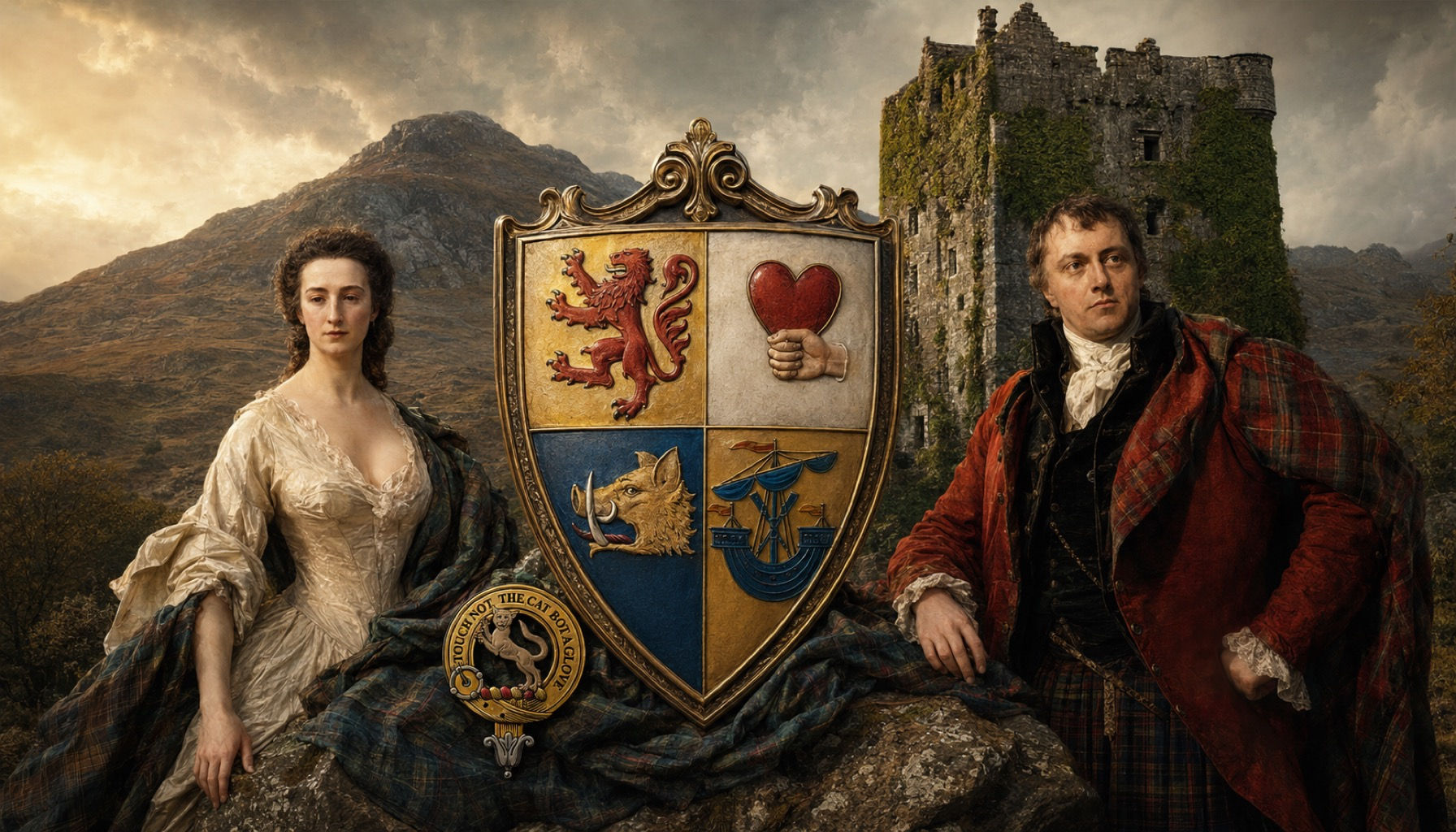
Clan MacKintosh was one of the great Highland kindreds of Scotland, rooted above all in Inverness-shire and bound up with the long, complicated leadership of the Clan Chattan confederation. In historical terms, the MacKintoshes belong to that classic Highland pattern: a Gaelic-origin lineage that grew through chiefship, military service, marriage alliances, landholding, and a talent for holding authority in a region where authority was never simply given, but constantly negotiated. Their primary linked haplogroup here is I2a1b1a2b1a2a3b1a1, with related lines and branches best understood as part of a broader paternal story rather than a single simple bloodline.
The family tradition reaches back into the 12th century, and one of the early names often associated with the wider ancestry around the clan story is Shaw MacDuff, dated to about 1160. Whether one approaches the MacKintoshes through charters, clan tradition, heraldry, or the politics of the Highlands, what emerges is a family that stood at the hinge between kinship and power. They were not merely local lairds with a tartan memory attached later; they were figures in the making of Highland politics, chiefs who represented not just their own name but, through Clan Chattan, a wider confederated strength of allied families and fighting men.
The MacKintosh name itself became inseparable from leadership. Chiefs of the clan were expected to do many things at once: defend lands, manage rivalries, maintain ties with the Crown when useful, and preserve standing among neighboring Highland powers. This is why MacKintosh history feels so alive. It is not a neat march from founder to descendant, but a restless story of loyalties, raids, marriages, feuds, service, and survival. Their heraldry, castle associations, and military reputation all belong to that broader Highland world where family identity was both personal and political.
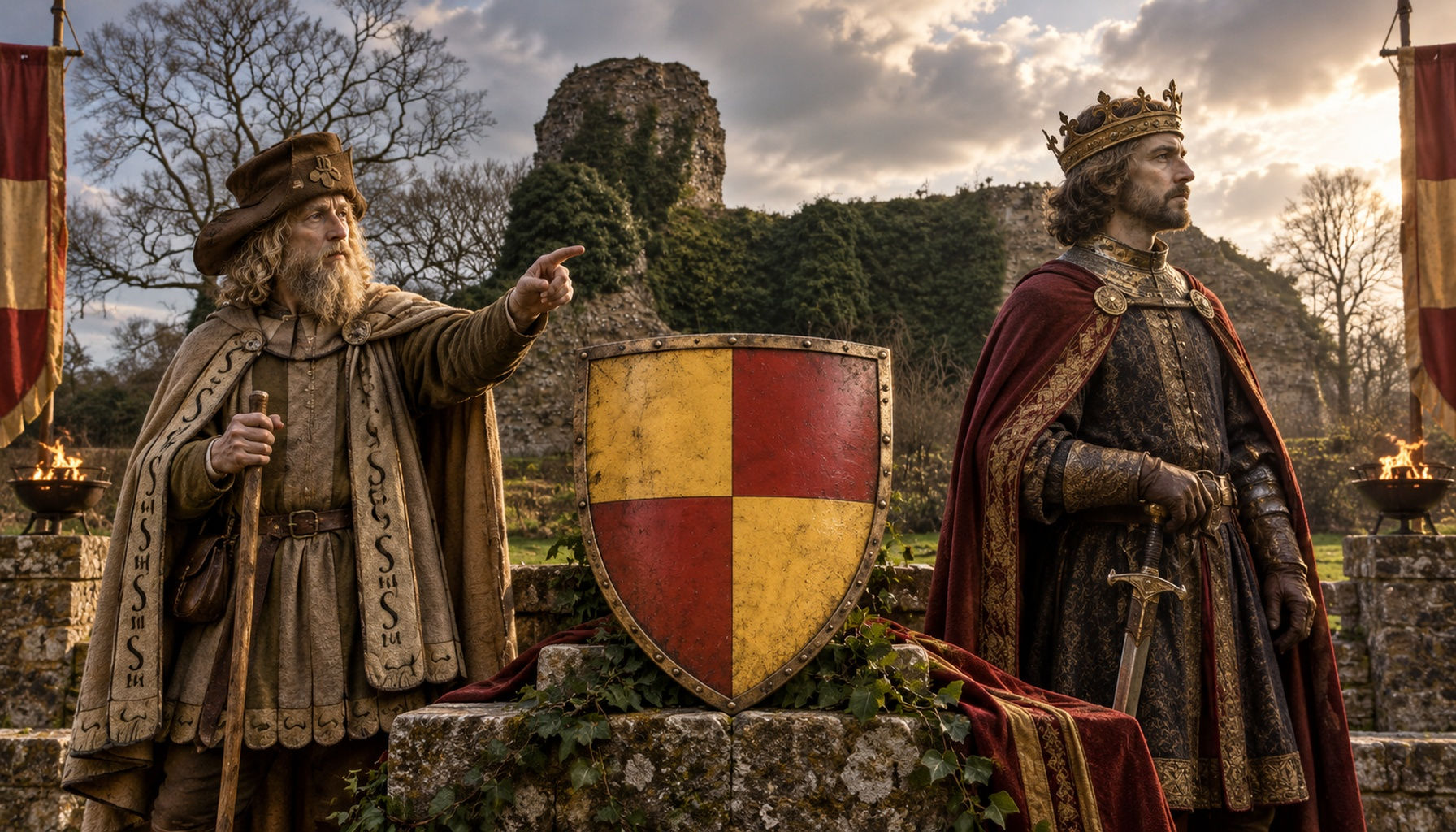
Moy Castle is one of the clearest physical anchors for Clan MacKintosh heritage. Standing near Loch Moy, south of Inverness, it is a compact tower house associated with the chiefs of the clan and later family residence in the heart of MacKintosh country. The present structure is generally dated to the 15th or early 16th century, and like so many Highland towers it is less a romantic palace than a tough, practical stronghold: thick-walled, defensible, and designed for a landscape in which security mattered. It is also remembered in connection with the Jacobite period and the famous episode known as the Rout of Moy in 1746, when government forces were tricked into retreat near the castle. In other words, Moy is not just a picturesque relic; it sits directly inside the historical theatre of Highland conflict, clan prestige, and political drama. The castle survives as a historic ruin and, yes, it can still be visited from the outside as a standing landmark in the landscape, which gives it that rare power of making clan history feel suddenly close and tangible.
Read more about Clan MacPherson
For those interested in the deeper paternal background linked with the MacKintosh primary haplogroup I2a1b1a2b1a2a3b1a1, there are several related ancient DNA samples across northern and western Europe that help sketch the wider prehistoric and early medieval landscape. These include Medieval Belgium Sint-Truiden Onze-Lieve-Vrouwekerk, sample ST0552; Danii Tribe Denmark Sjaelland Koge, sample CGG107415; Jute Early Roman Era Denmark Jutland Bog War Alken Enge, sample CGG019202; Iron Age Denmark Eastern Sjaelland Varpelev, sample CGG107412; Early Anglo Saxon Period Buckland Dover England, sample BUK037; Merovingian Grave North Rhine-Westphalia Germany Alt-Inden, sample IND006; Anglo-Saxon Sedgeford England Norfolk, sample SED017; and Gothic Kecskemet-Mindszenti Transtisza Hungary, sample A181019. These are not evidence of direct descent from named MacKintosh chiefs, nor should they be treated as family members in any literal sense. What they offer instead is a linked genetic backdrop showing how related paternal lines moved through Iron Age, Migration Period, and medieval Europe before later becoming part of the ancestry streams found in the British Isles and Highland Scotland.
If Clan MacKintosh is part of your story, the next step is to test it against both history and ancient DNA. Upload your DNA to MyTrueAncestry and see whether you match Clan MacKintosh, its related haplogroup I2a1b1a2b1a2a3b1a1, or linked ancient samples from medieval and Iron Age Europe.
Comments