Clan MacPherson
– 3 min read


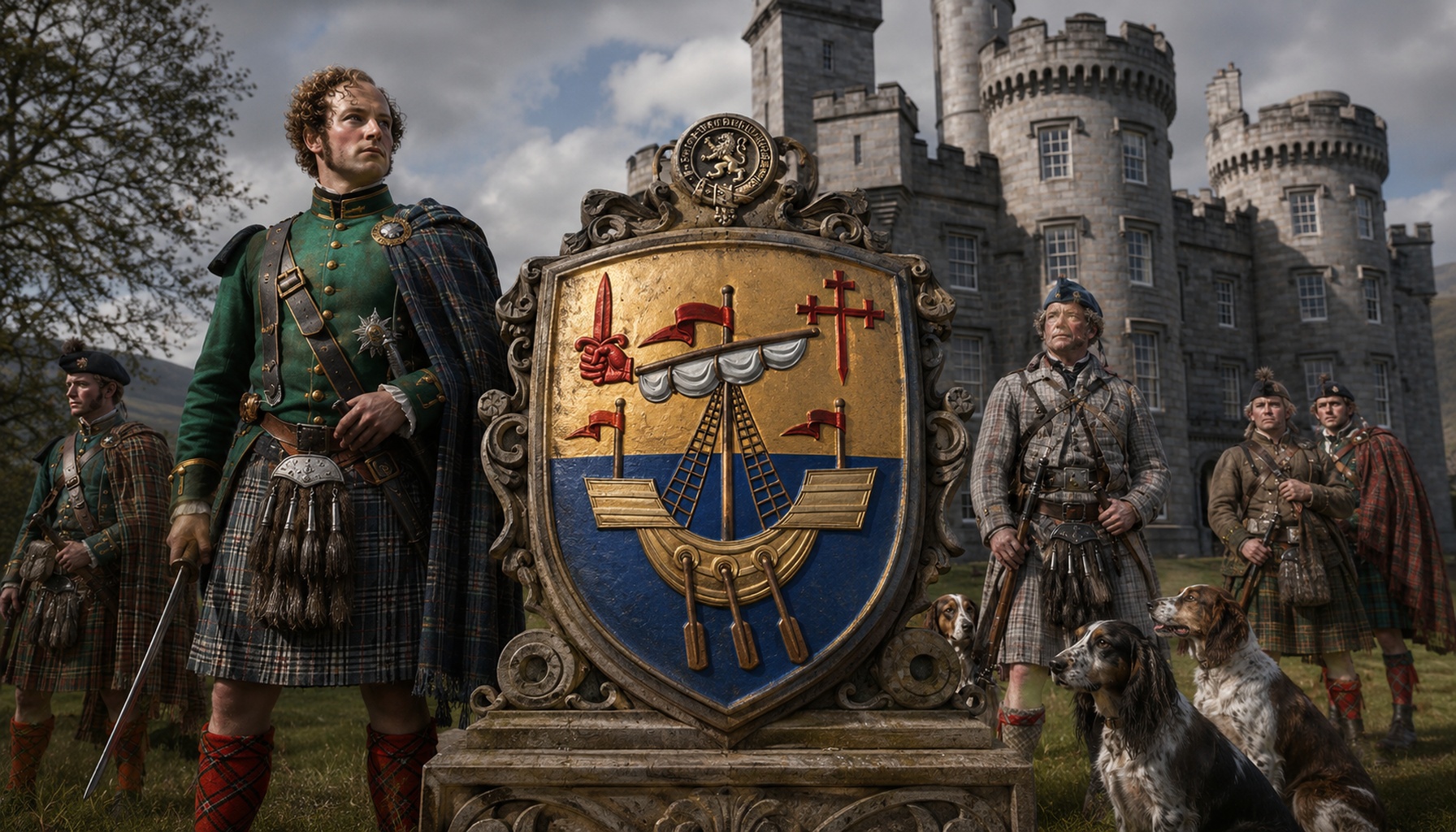
Clan MacPherson was one of the great Highland kindreds of Badenoch, in the central Highlands of Scotland, and an important part of the wider Clan Chattan confederation. In historical terms, the MacPhersons grew out of Gaelic kinship, local chiefship, military obligation, and the hard practical business of holding land in a rugged region where family, alliance, and reputation mattered enormously. Their heritage is wrapped up with warriors, heraldry, oral tradition, and the famous Clan Chattan motto, Touch not the cat but a glove. Haplogroup tags linked with this family tradition include R1b lineages, with the primary family haplogroup here noted as R1b1a1b1a1a2c1a2a3a.
The name MacPherson is commonly understood as Mac a' Phearsain, usually rendered as "son of the parson," and the clan's early story sits in that wonderfully Highland space where ecclesiastical ancestry, local power, and martial leadership all blur together. Their historic heartland in Badenoch placed them in a strategic Highland zone between Strathspey and the routes south and east, so they were never simply an isolated mountain family. They were part of a living political network. Among notable figures are Ewen Macpherson of Cluny, a leading Jacobite chief after the Rising of 1745, and Sir John Macpherson of Sleat, an imperial statesman who became acting Governor-General of India. Like other major Highland houses, the MacPhersons carried prestige not just through bloodline, but through service, loyalty, and the ability to endure changing times.
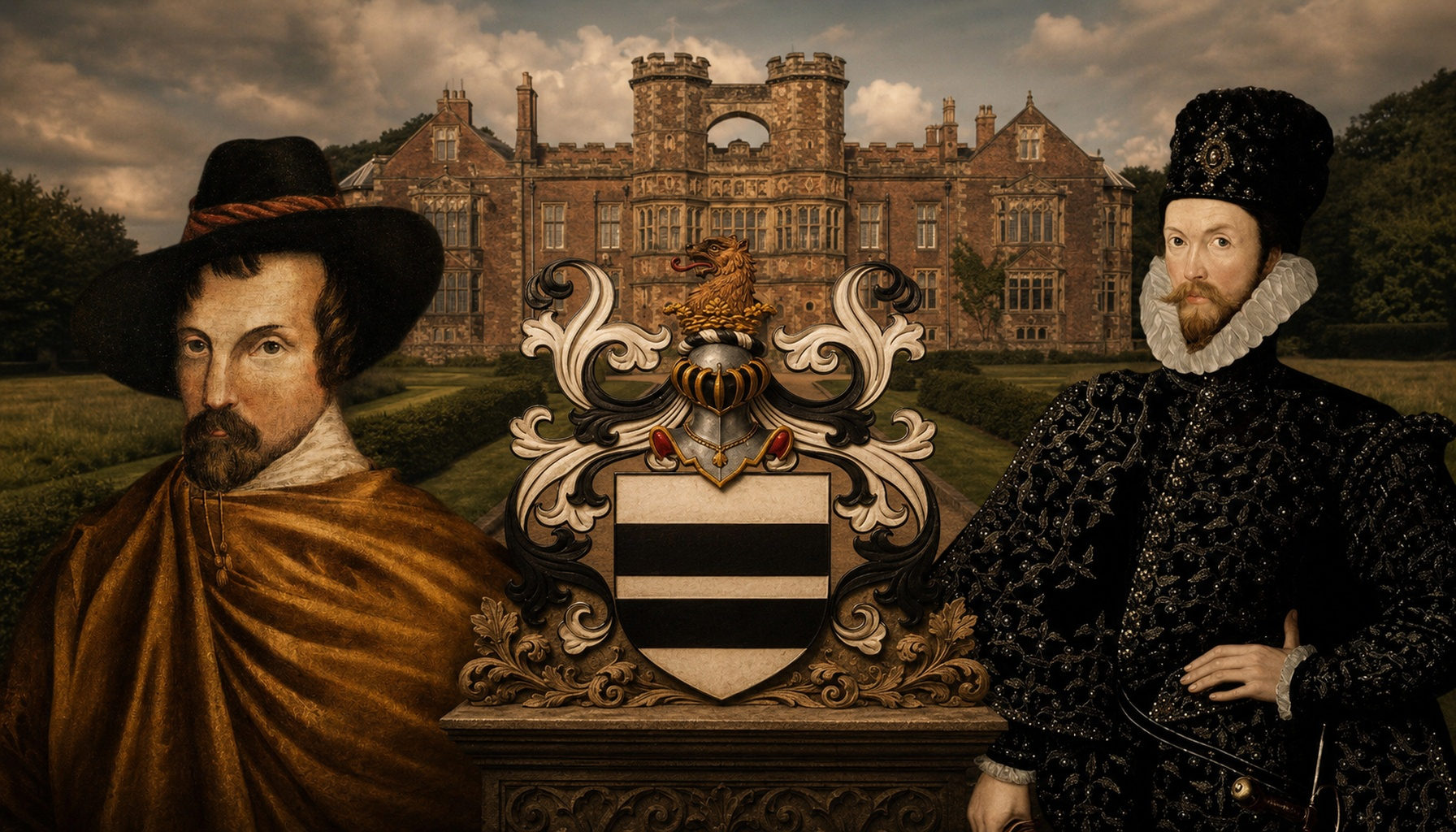
No place anchors the later story of Clan MacPherson more clearly than Cluny Castle in Aberdeenshire, the seat associated with the chiefs of Clan Macpherson. The present castle was built in the 19th century in a dramatic baronial style for the Macpherson-Cluny family, replacing an earlier house on the estate. It stands above the River Dee and is famous for its grand silhouette of towers, battlements, and romantic Highland ambition, even though it lies east of the older Badenoch heartland. That shift itself tells a historical story: clans were not static relics of the Middle Ages, but families adapting to new wealth, new politics, and new forms of status. The estate remains one of the best-known MacPherson landmarks, and Cluny Castle can still be visited in a limited sense through arranged events and selected openings, so for many descendants and history lovers it remains a real and visible point of connection rather than merely a name in a genealogy.
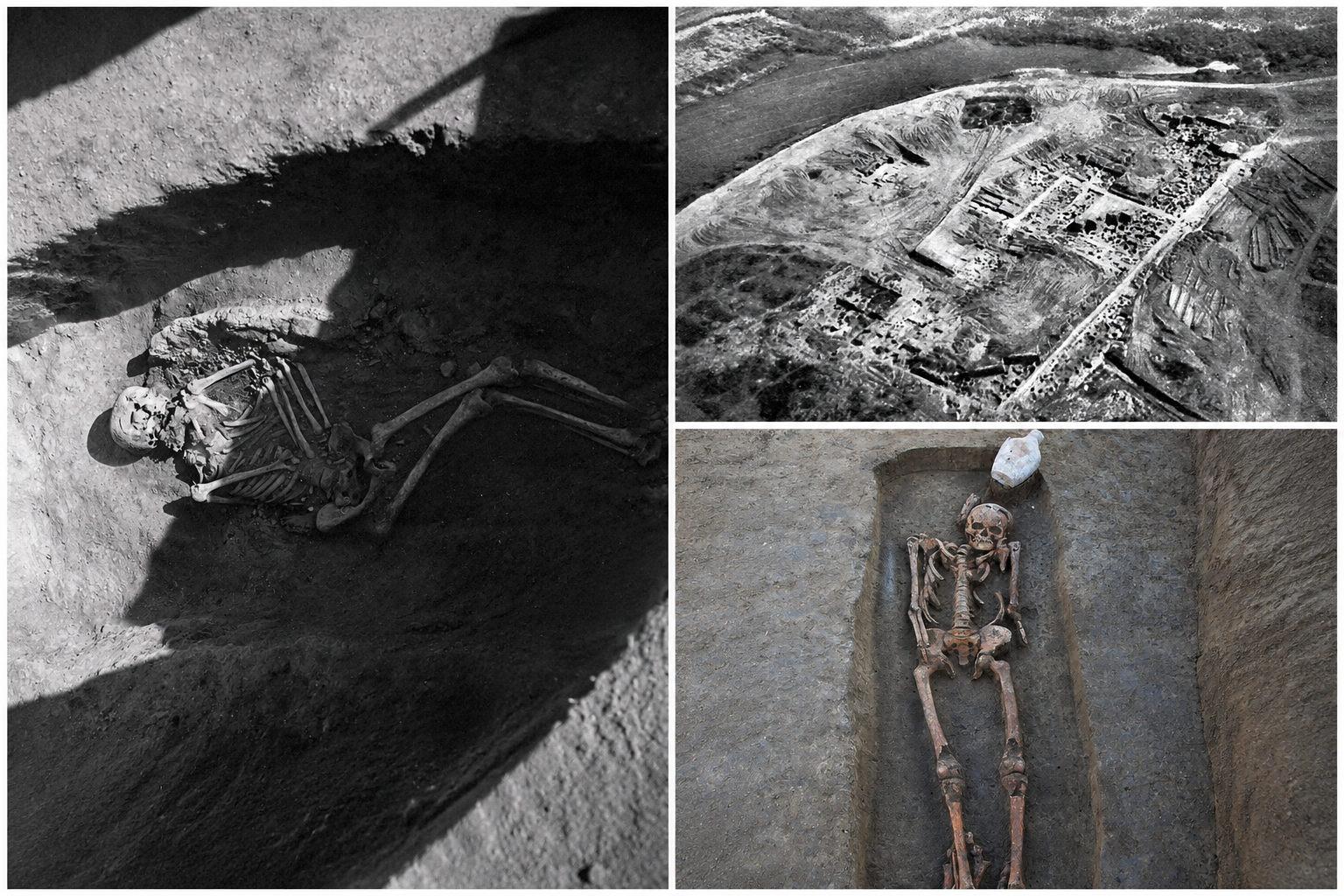
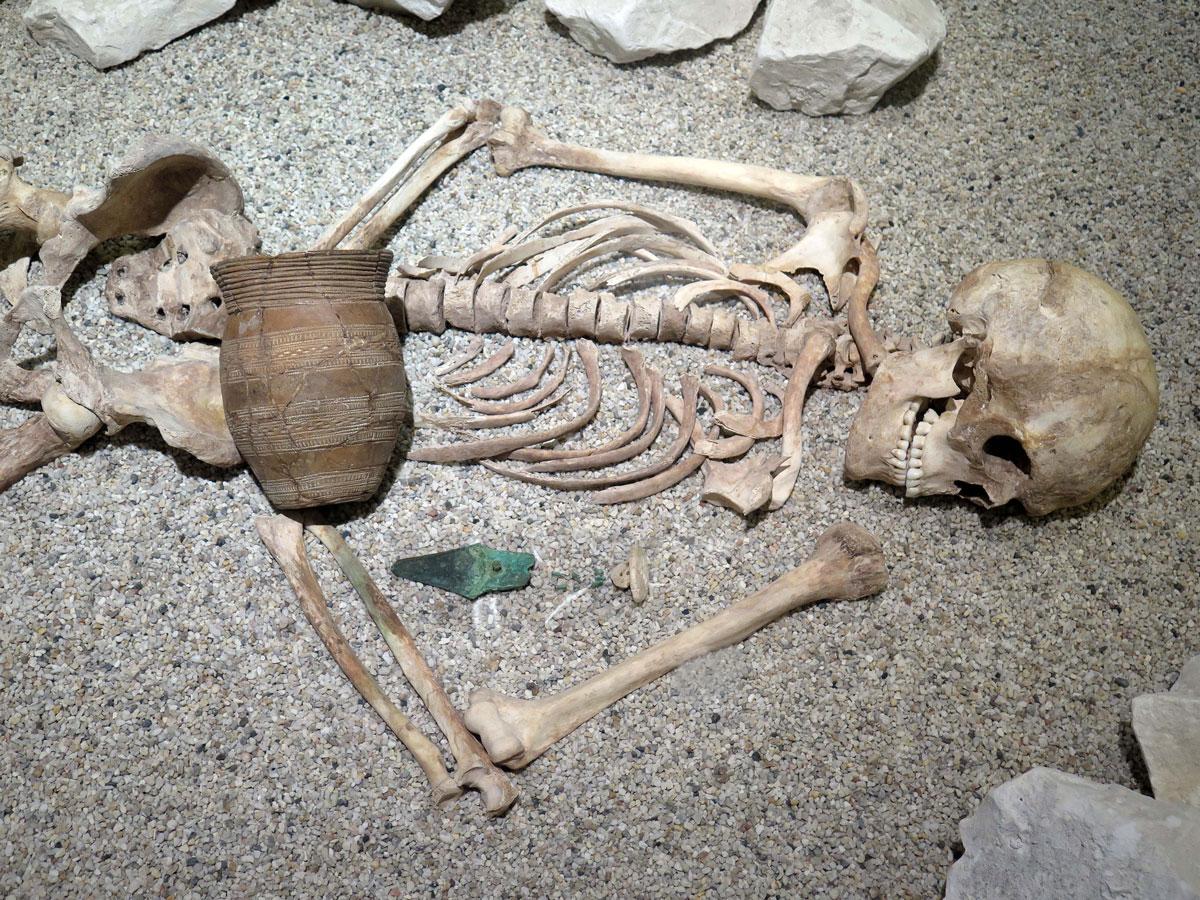
From an ancient DNA perspective, the MacPherson haplogroup tag R1b1a1b1a1a2c1a2a3a belongs to a much wider northwest European story rather than to one provable single medieval ancestor. Related or linked samples under this branch appear across a striking spread of time and place: Celtic Durotriges burials from Duropolis at Winterborne Kingston in England including WBK12, WBK20, WBK29, WBK41, WBK05, WBK30, WBK43, WBK06, WBK08, WBK18, and WBK191; Celtic Briton East Kent I13730; Iron Age Worlebury I11991; Iron Age Roundhouse Bu, Orkney I2982; Iron Age Hillfort Battlesbury Bowl I21309; Post Roman Worth Matravers I11580; Bronze Age finds such as Orkney KD061, Trumpington Meadows I3256, Amesbury Down I2417, Upavon I4950, Bedfordshire I7576 and I7577, Boatbridge Quarry South Lanarkshire I5473, Early Bronze Age Thames I5377, and Rathlin2B from Copper Age Ireland; alongside later examples from Roman, late Roman, early medieval, Merovingian, and medieval contexts such as I26776 from Zadar, R10656 from Klosterneuburg, R10488 from Conimbriga, ST2025 and ST1308 from Sint-Truiden, IND013 from Alt-Inden, VK27 from Sandoy Church in the Faroe Islands, and CGG023699 from Gallic France. These do not demonstrate direct descent from any one sample to Clan MacPherson. What they do show is that the lineage linked with this family belongs to a deep archaeological pattern stretching through Bronze Age, Iron Age, Roman, and medieval western Europe, very much the sort of long continuity one might expect behind a major Highland clan identity.
If you carry MacPherson ancestry, or simply suspect your roots run into Badenoch and the Clan Chattan world, DNA can add another layer to the paper trail and the stories handed down in families. Uploading your DNA to MyTrueAncestry lets you explore whether you match Clan MacPherson patterns or show links to related ancient samples from Celtic Britain, Bronze Age Scotland, Iron Age England, or later medieval Europe.
Comments