Clan MacRae
– 3 min read


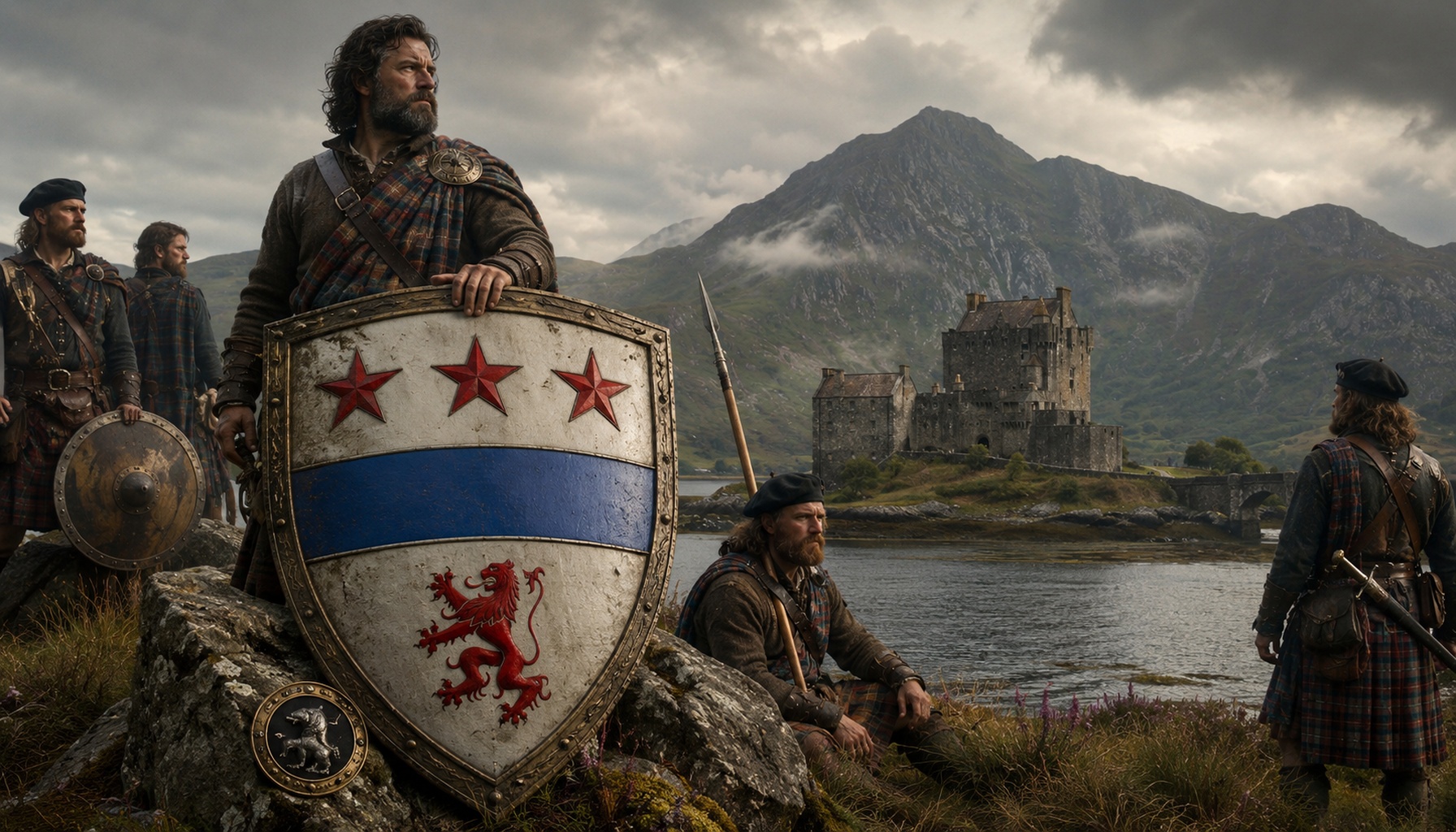
Clan MacRae was one of the best known service clans of the northern Highlands, rooted above all in Kintail in Ross-shire and closely bound to the world of west Highland sea lochs, passes, and defended strongholds. Their story is not that of a great independent kingdom-sized clan, but something in a way more revealing of how Highland society actually worked: kin groups bound by Gaelic tradition, military obligation, local reputation, and fierce loyalty. The MacRaes became especially associated with the Mackenzies, serving as trusted fighting men, bodyguards, and defenders of key places. In family DNA terms, the primary haplogroup linked here is R1b1a1b1a1a2c1a1f1a1b1, a branch within one of the major western European paternal lineages. Haplogroups linked with Clan MacRae: R1b1a1b1a1a2c1a1f1a1b1.
The surname is generally understood as Gaelic in origin, usually taken as Mac Rath, often rendered as "son of grace" or connected with a personal name, and its rise belongs to the medieval Gaelic world of the western and northern Highlands. The MacRaes preserved identity through land, oral memory, heraldry, and service, and that matters because Highland clans were never just surnames on paper. They were social networks, military communities, and remembered families tied to very particular landscapes. Among notable figures, James MacRae (1677-1748), later Governor of Madras, stands out as an example of how a Highland family name could travel far beyond Kintail while still carrying the weight of clan memory with it.
Read more about Clan Mackenzie
No place anchors the MacRae imagination more strongly than Eilean Donan. The castle stands on a small tidal island where three great sea lochs meet, Loch Duich, Loch Long, and Loch Alsh, in one of the most dramatic settings in Scotland. That landscape is not just picturesque wallpaper. It explains the history. This was a strategic point controlling movement between sea routes and inland glens, and in the later medieval and early modern Highlands it mattered enormously. Eilean Donan became a stronghold of the Mackenzies of Kintail, and the MacRaes were remembered as some of its most loyal defenders, so much so that they were sometimes styled the "constables of Eilean Donan" in clan tradition. The castle that visitors see today is a reconstruction based on the ruined site, after the original fortress was destroyed in 1719 during the Jacobite era, but it still powerfully evokes the old Highland military world of watchfulness, alliance, and local pride. Yes, it can still be visited, and for anyone interested in Clan MacRae it is one of those rare places where landscape, architecture, and family memory all meet in plain sight.
Explore another northern Highland clan
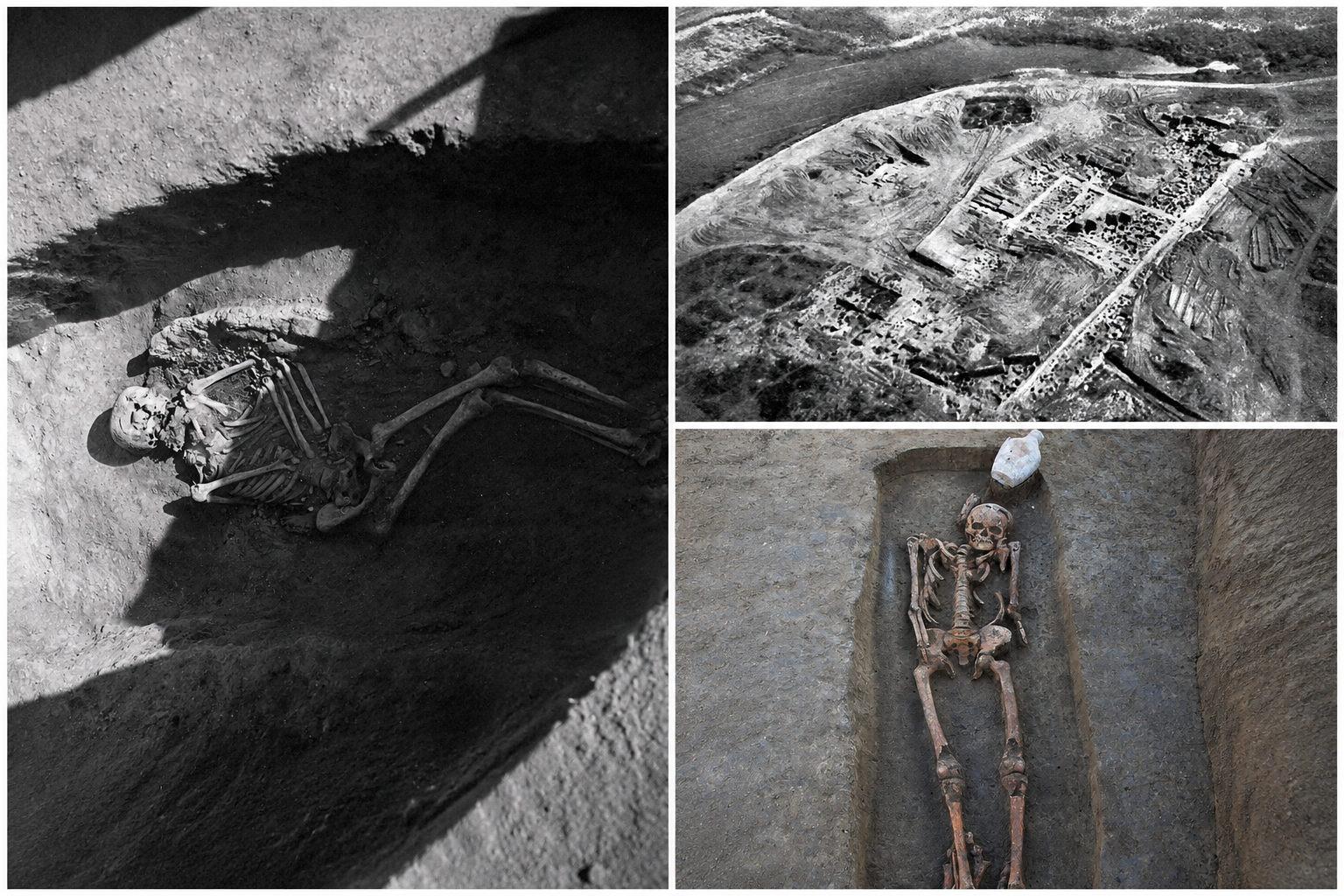
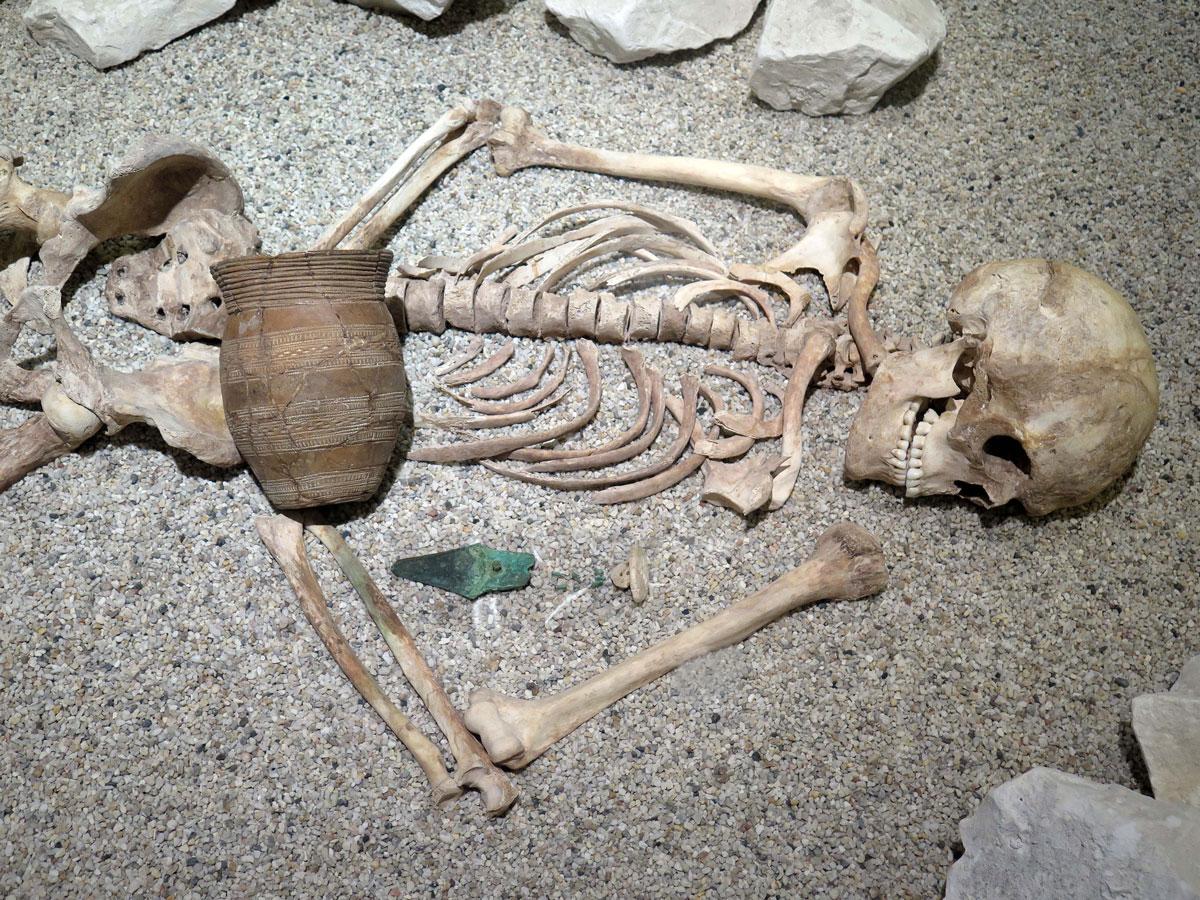
From a DNA perspective, the MacRae-associated haplogroup R1b1a1b1a1a2c1a1f1a1b1 sits within a wider northwestern European story rather than a single neat clan-only line. Related or linked ancient samples assigned to this branch or nearby context include several Celtic Durotriges individuals from Duropolis at Winterborne Kingston in England such as WBK12, WBK20, WBK29, WBK41, WBK05, WBK30, WBK43, WBK06, WBK08, WBK18, and WBK191, alongside samples like Celtic Briton Oxfordshire Yarnton England I21182, Iron Age Worlebury Somerset England I11991, Iron Age Hillfort Battlesbury Bowl England I21309, Bell Beaker Wiltshire Upavon England I4950, Bronze Age Amesbury Down Wiltshire England I2417, Bronze Age Trumpington Meadows Cambridge England I3256, Bronze Age Bedfordshire England I7576 and I7577, Bronze Age Boatbridge Quarry South Lanarkshire Scotland I5473, Early Bronze Age England Thames I5377, and Ireland Copper Age Rathlin2B. Beyond Britain and Ireland, related linked examples also appear in places such as Imperial Roman Era Zadar Croatia I26776, Late Roman Conimbriga Portugal R10488, Early Medieval Belgium Sint-Truiden Groenmarkt ST2025, Medieval Belgium Outsider Sint-Truiden Onze-Lieve-Vrouwekerk ST1308, Merovingian Grave Alt-Inden IND013, and Medieval Age Faroe Islands Sandoy Church VK242. None of this proves direct descent from any named ancient person, of course. What it does show is that the broader paternal lineage connected with this MacRae tag has deep roots across Celtic, post-Roman, and medieval Europe, fitting rather well with the long, layered background behind Highland paternal ancestry.
Read more about another Highland clan
If Clan MacRae is part of your family story, DNA can add another layer to the old themes of place, kinship, and memory. Upload your DNA to MyTrueAncestry to see whether you match Clan MacRae, its primary haplogroup R1b1a1b1a1a2c1a1f1a1b1, or any of the related ancient DNA samples that illuminate the deeper background of the Highlands and the wider Celtic world.
Comments