Clan Currie
– 3 min read


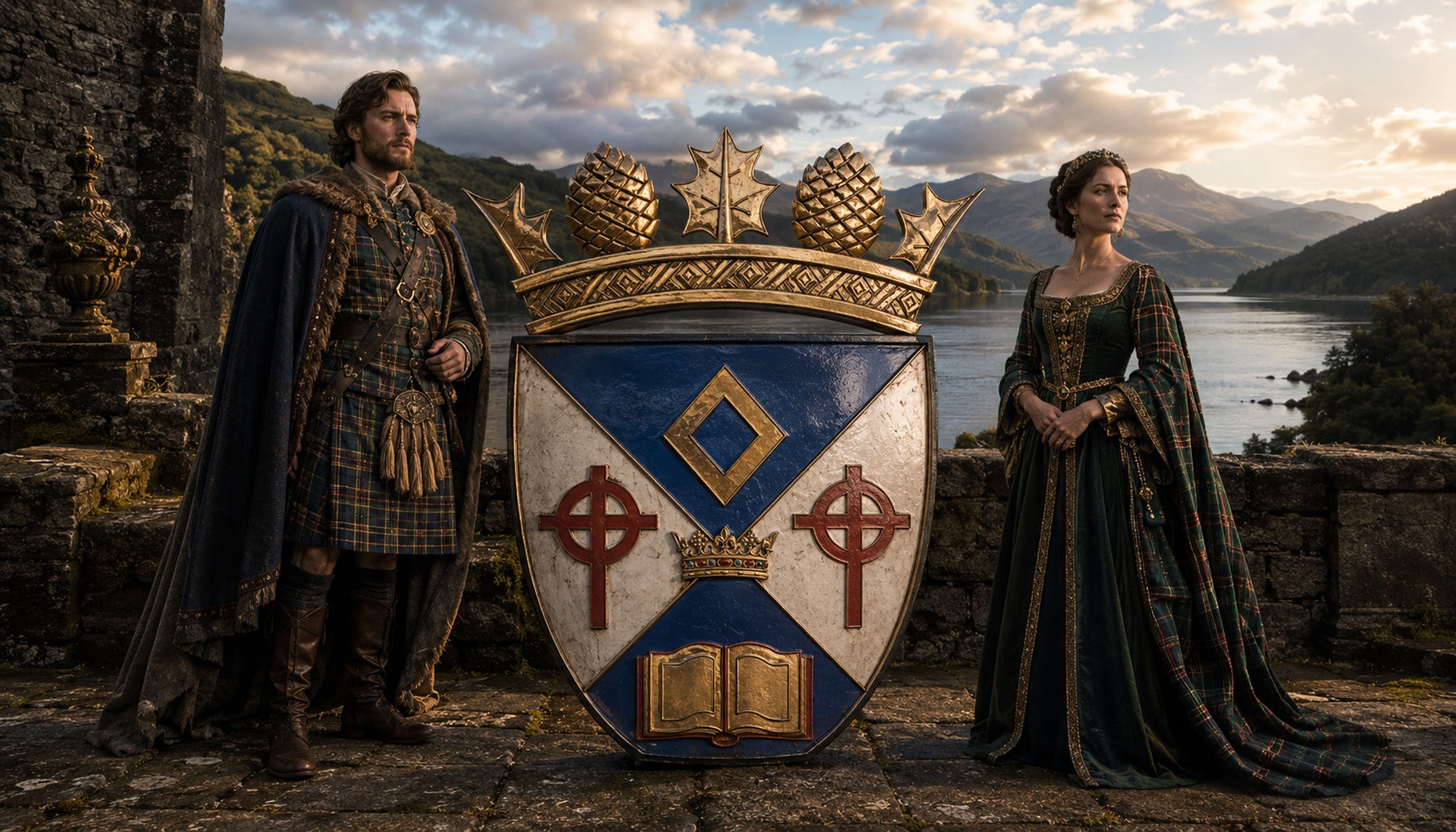
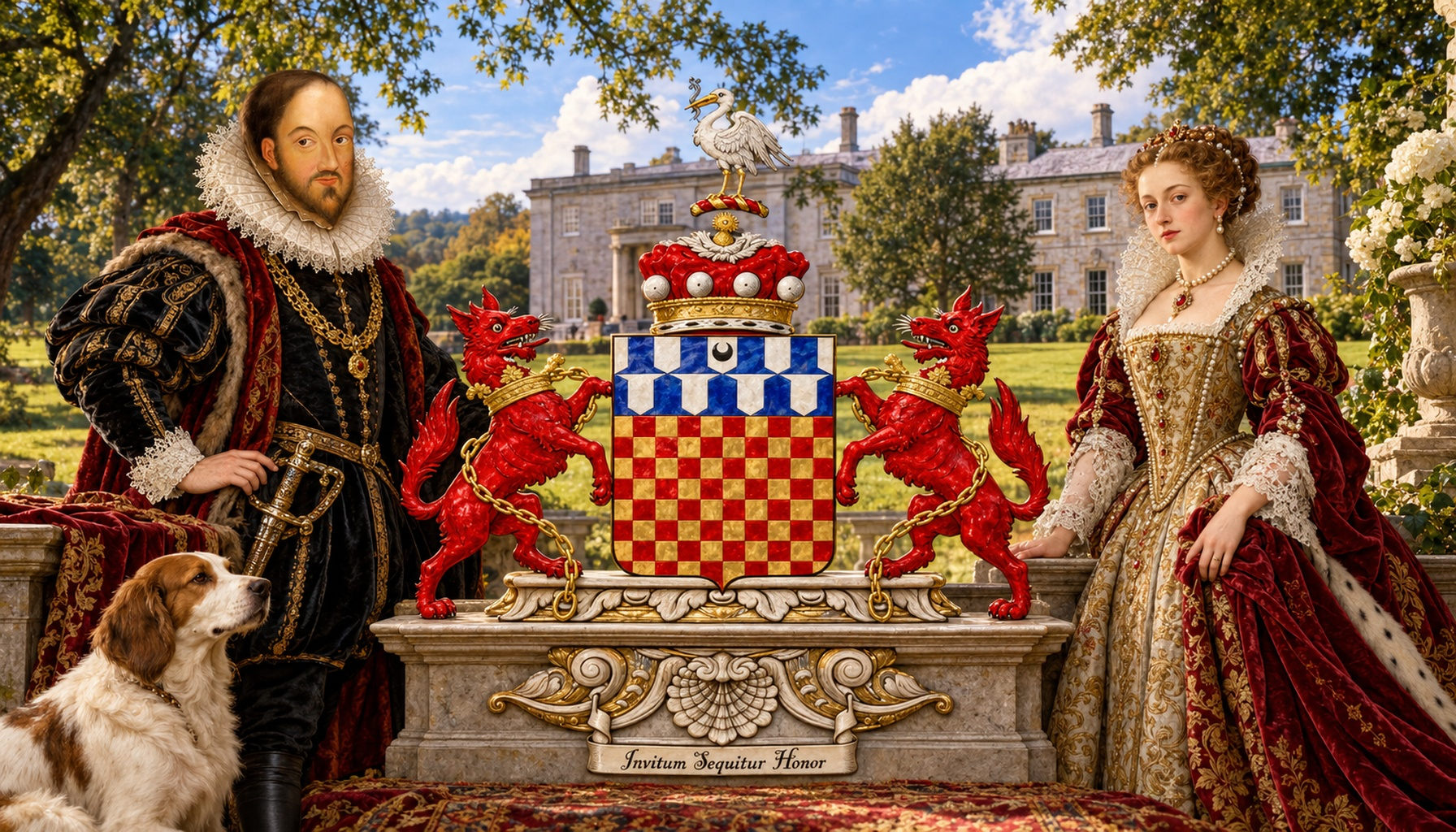
Clan Currie was a Scottish clan rooted in the Gaelic world of the western Highlands and Islands, and remembered not simply as a fighting kin-group but as part of that older, richer fabric of clan society in which poets, historians, musicians, and hereditary learned families held real standing. The name appears in several Scottish contexts, but in Highland cultural memory the Curries are especially associated with bardic tradition, service to powerful Gaelic households, and the preserving of genealogy, praise poetry, and communal remembrance. Their primary family haplogroup is linked here as R1b1a1b1a1a1c1a1, a branch within the great Atlantic-facing R1b family so common in the histories of western Europe.
That matters because the Curries represent a side of Scottish history that is sometimes pushed into the background by tartan-and-broadsword storytelling. In Gaelic society, memory was power. A family that could recite descent, preserve alliances, compose formal verse, and keep the past alive was doing something politically important. Clan Currie belongs to that world. One early named figure is Piers de Curry, recorded in 1263, a reminder that the surname appears in medieval documentary life as well as later oral tradition. Over time, Currie heritage came to reflect continuity through language, education, kinship service, and inherited cultural authority as much as through landholding alone.
Read more about Clan MacCrimmon
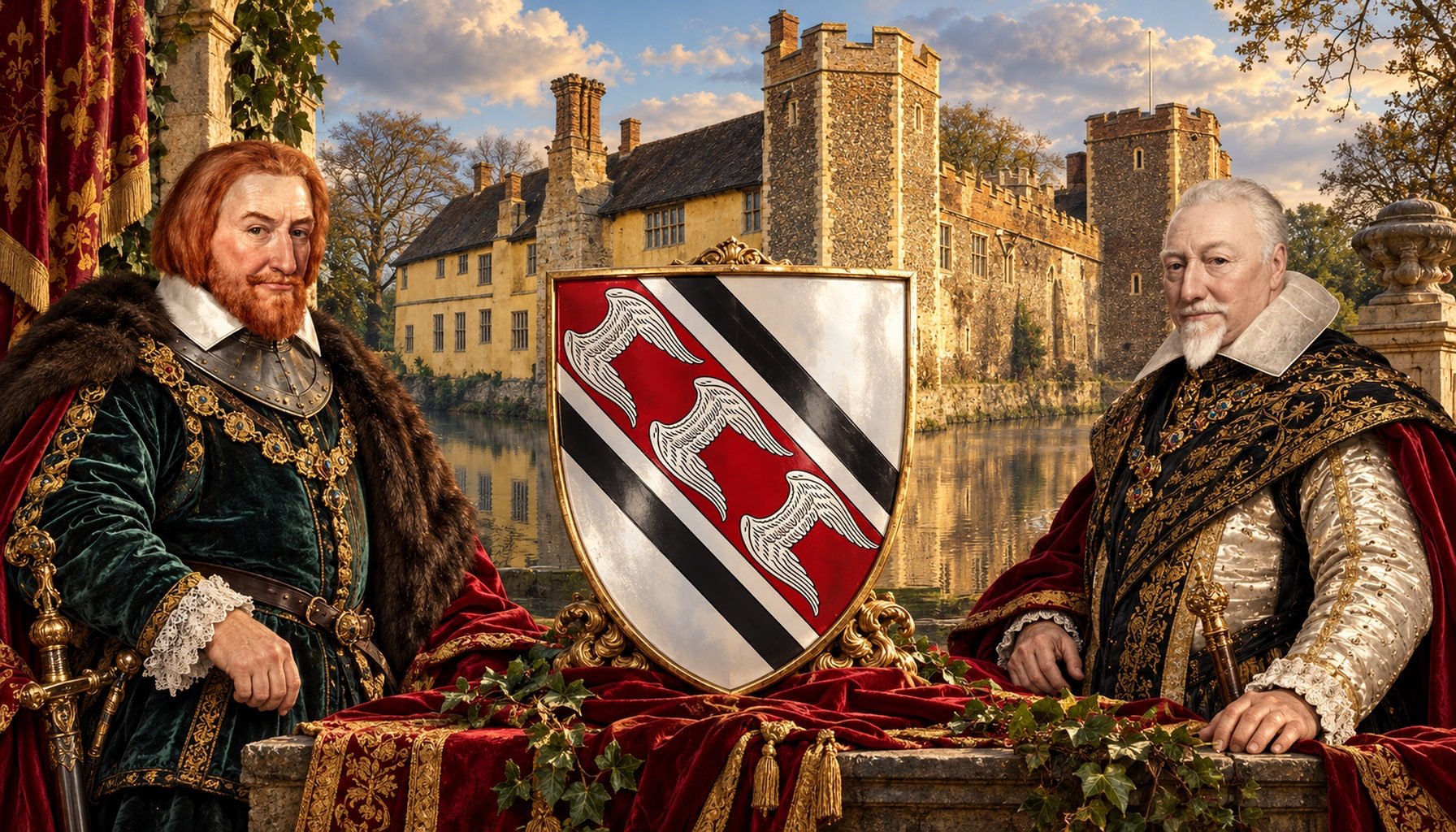
One useful location anchor for the wider Currie story is Wigtown Castle in southwest Scotland, in the old royal burgh of Wigtown in Galloway. The castle, originally established in the 12th century and later altered in the 13th century, stood in a strategically important region where Gaelic, Norse-Gaelic, Anglo-Norman, and royal Scottish influences all met and jostled. It was not one of those impossibly romantic Highland eyries perched on a loch, but a working stronghold in a contested political landscape, tied to lordship, administration, and regional control. The remains today are fragmentary, but that is part of their fascination: they speak to the layered, broken, rebuilt nature of medieval Scottish history itself. Wigtown and its castle belong to the same broad western world in which families like the Curries moved through systems of service, patronage, and local identity. The site can still be visited, at least in the sense that the surviving remains and historic location in Wigtown are accessible to modern visitors interested in the medieval landscape.
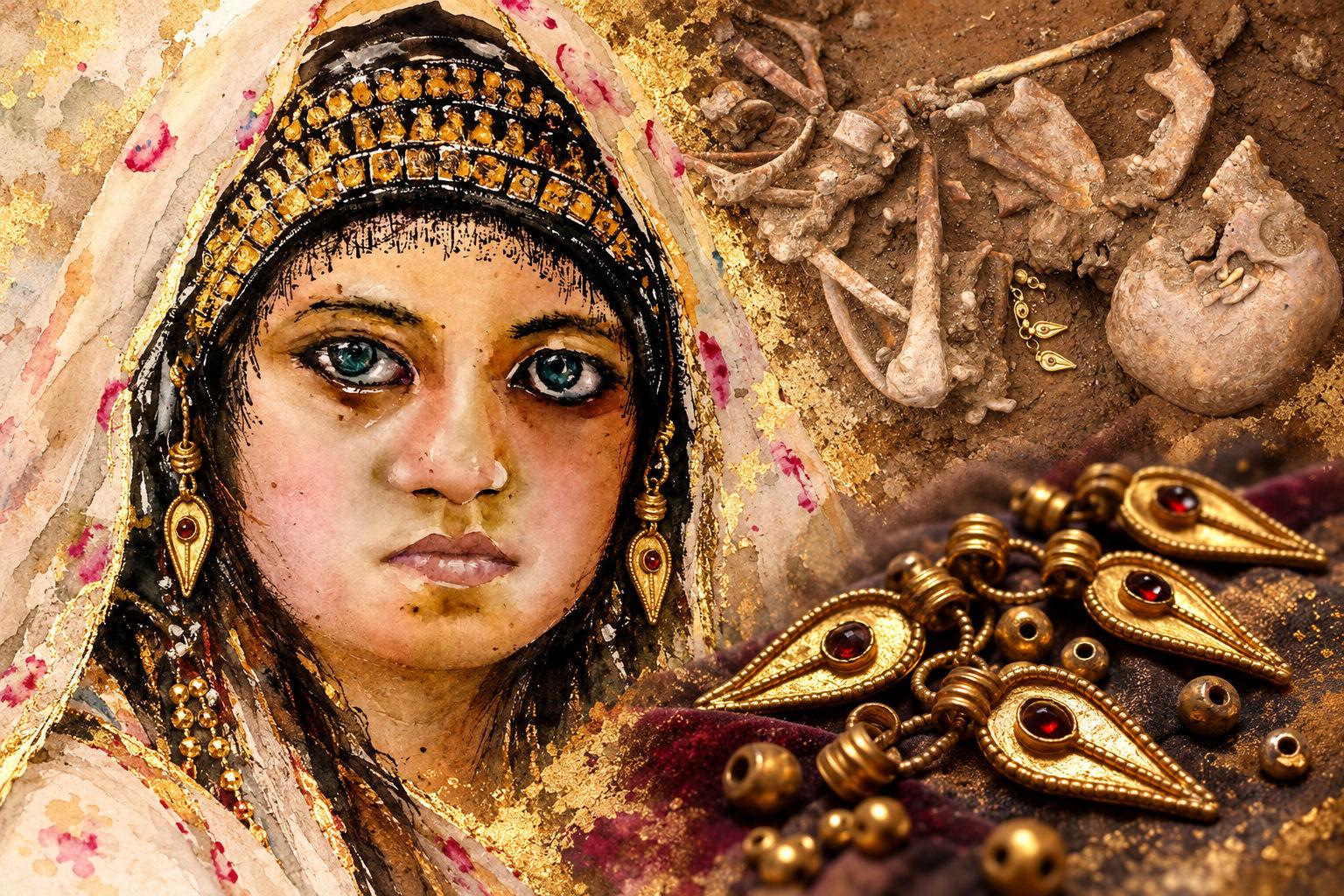
The Currie haplogroup tag here is R1b1a1b1a1a1c1a1, and while no responsible historian should leap from a modern family tradition to a claim of direct descent from named ancient individuals, it is still illuminating to look at related or linked ancient DNA samples carrying the same broader paternal signature. These include Lombard-associated samples from Collegno in northern Italy such as COL_069, COL_069b, and COL_069x; Hungarian knightly burials including PER01 and PER03-1; medieval individuals from Aalborg in Denmark and Sint-Truiden in Belgium; Iron Age Belgic and Suessiones-linked samples from Bucy-le-Long in France; Batavi-associated individuals from Valkenburg in the Netherlands; Anglo-Saxon era burials from West Heslerton, Buckland Dover, and Dunum; a Norman-era Lincoln Castle sample; and still deeper links stretching back to Iron Age Britain, Bell Beaker North Holland, Bronze Age Bohemia, and Roman contexts in Italy and Austria. What this shows is not a neat family tree, but the remarkable geographical spread of related R1b paternal lines across Iron Age, Roman, early medieval, and high medieval Europe. In other words, the Currie story sits within a much older web of western European male-line ancestry that long predates the clan system itself.
Explore Ancient DNA in Post-Roman Britain
If you carry Currie ancestry, this is a wonderful invitation to think beyond a simple surname origin and into the deeper world of Gaelic memory, learned families, and long-range genetic history. Uploading your DNA can help you see whether you match Clan Currie, and whether you show links to related ancient DNA samples from medieval Britain, the North Sea world, or continental Europe. It is one of the best ways to connect family tradition with the bigger human story written in both documents and bones.
Comments