Clan MacEwan

– 3 min read


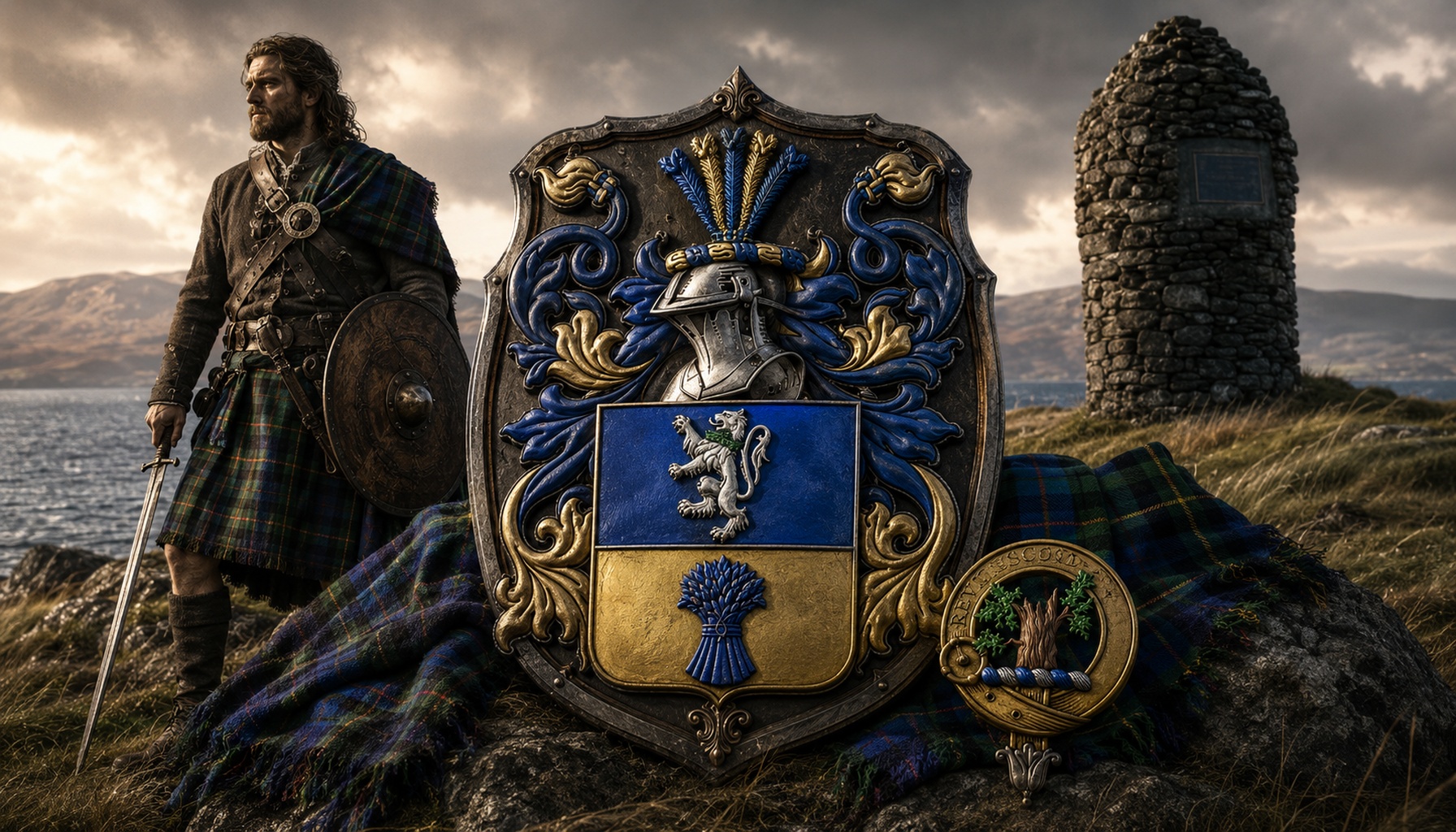
Clan MacEwan was one of the old Gaelic kindreds of western Scotland, most closely associated with Argyll and the wider Highland seaboard, where family, land, service, and memory were tightly bound together. In that world, a clan was never just a surname. It was a web of descent, obligation, local standing, and shared attachment to place. The MacEwans belong very much to that western Highland pattern: Gaelic in identity, rooted in ancestral territory, and remembered through chiefship traditions, heraldry, and the stubborn continuity of the name across centuries of political upheaval. In DNA terms, the primary family haplogroup linked here is R1b1a1b1a1a2c1a5a2a1a1, a branch within the broader R1b line often found across Atlantic Europe.
The name itself points into the Gaelic world, and the clan emerged in a region where Norse, Gaelic, and later Scottish royal influence all overlapped, especially in medieval Argyll. This was a landscape of sea routes as much as land routes, of local lordship, kin alliances, and fierce loyalty to inherited ground. The MacEwans developed through family descent and regional authority rather than through some neat modern chartered identity. That is why their history feels so recognisably Highland: not a straight line, but a story of endurance. One named figure who appears in the record is Swene MacEwen in 1493, a reminder that even when documentation is sparse, the family stands clearly enough in the historical light to show continuity and standing.
Read more about Clan MacLachlan
The strongest location anchor for the clan is Castle MacEwen, traditionally associated with the MacEwans in Argyll, near Loch Fyne. Today it survives as a ruined fortification on a rocky height, and that setting matters. This was not just a picturesque perch for a postcard image, but a strategic site in the old Highland sense: it watched land, water, movement, and local territory. The remains are generally understood as those of a courtyard castle or fortified residence, later reduced to fragments, but still powerful as a place of memory. In many ways that is the real point of Castle MacEwen. Even in ruin, it ties the clan name to a specific Highland landscape and to the political world of medieval Argyll, where authority rested on kinship, defensible sites, and the ability to hold one's ground among competing powers. The site can still be visited as a ruin, which gives modern descendants and history lovers something rare: not just a story in a book, but an actual place where MacEwan heritage still clings to the stones and the hillside.
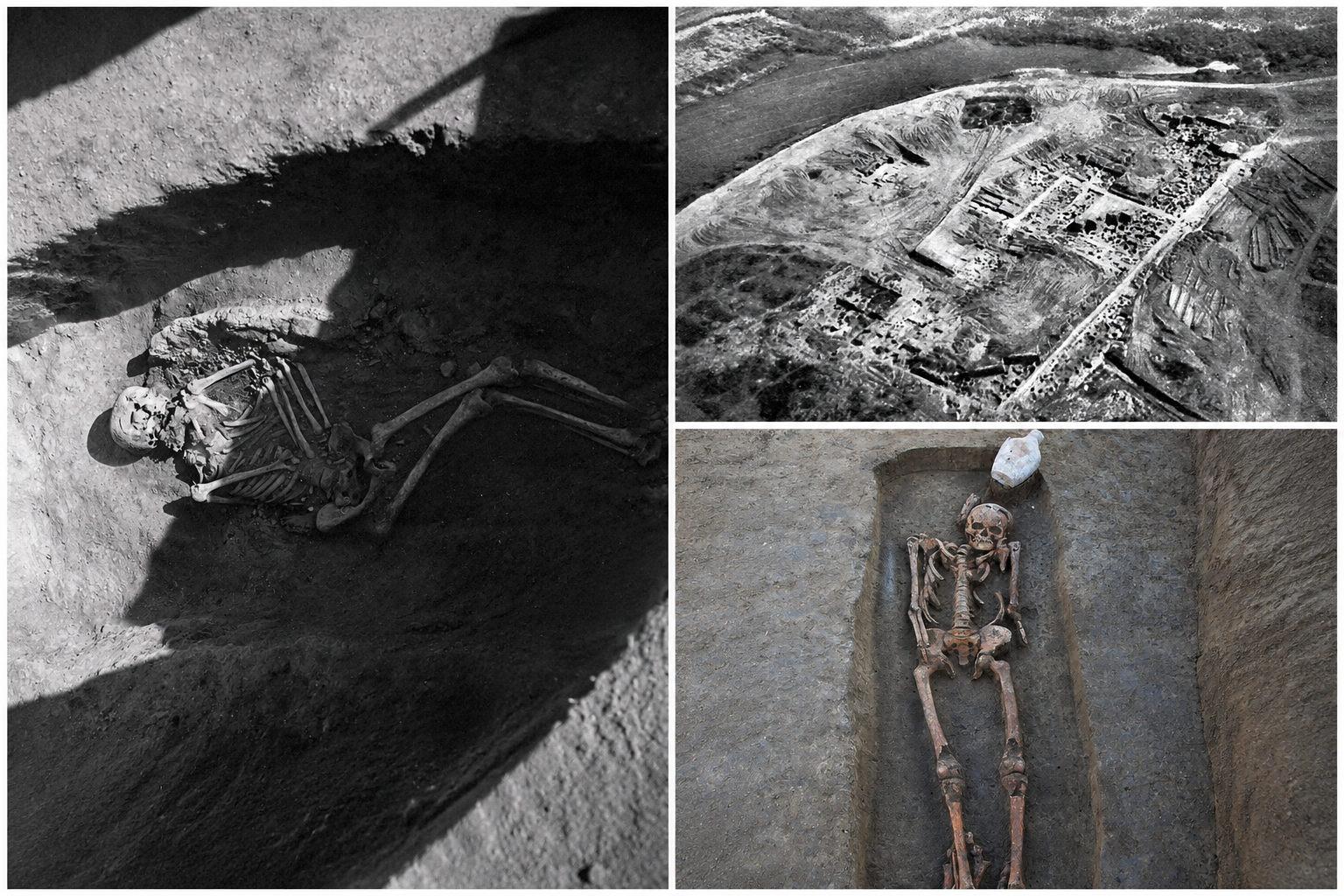
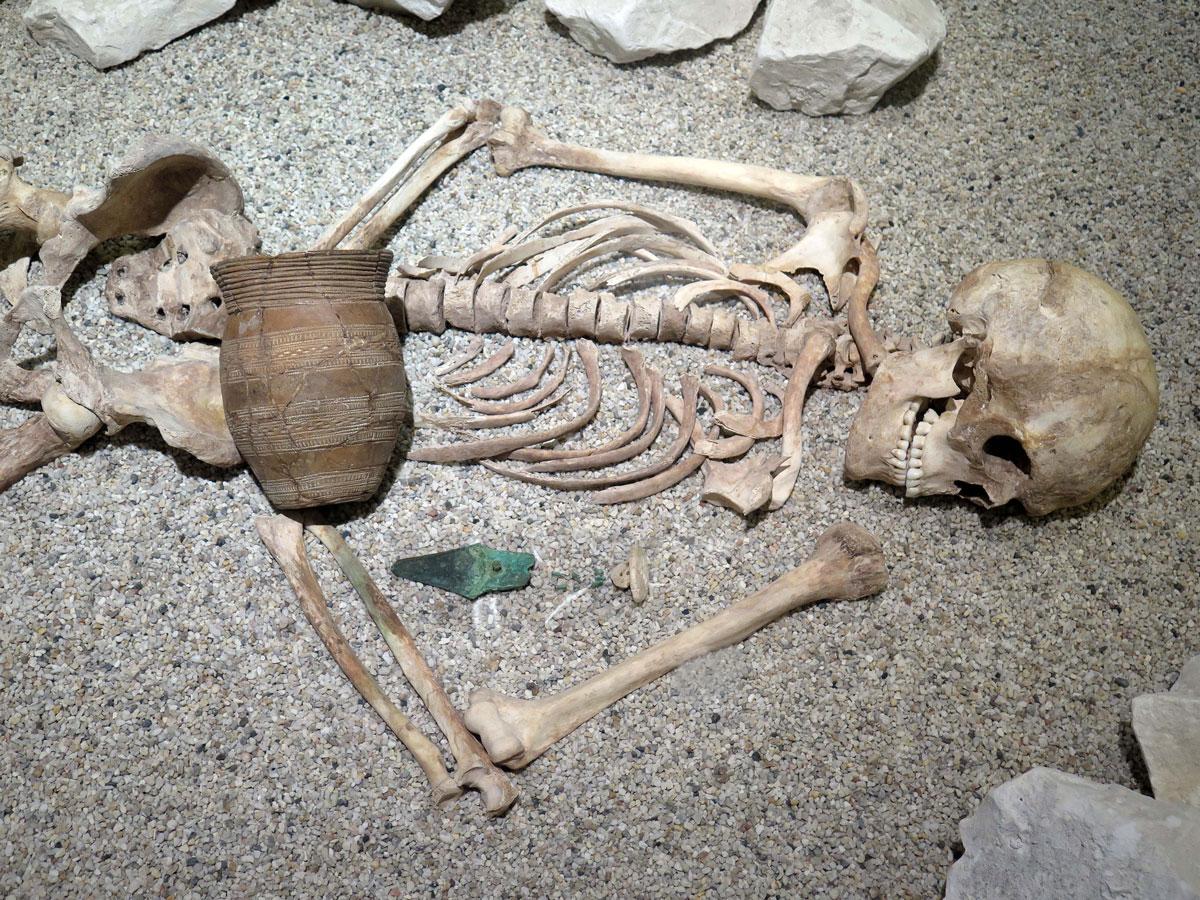
From an ancient DNA perspective, the haplogroup R1b1a1b1a1a2c1a5a2a1a1 links Clan MacEwan to a much deeper northwestern European story. Related or linked samples include Early Anglo Saxon Cemetery West Heslerton Yorkshire, sample I11586; Celtic Briton Carsington Pasture Cave Derbyshire, sample I12775; Celtic Briton Lechlade-on-Thames Gloucestershire, sample I12783; Celtic Briton Bradley Fen Cambridgeshire, sample I11156; Iron Age Gloucestershire Greystones Farm, sample I12785; and the well-known Copper Age Irish sample Rathlin1B. These do not prove direct descent from any one ancient individual, and it is important not to pretend otherwise. What they do show is that this paternal line belongs to a very old tapestry spread across Britain and Ireland, one that reaches from Copper Age Ireland through Iron Age and Romano-British communities into the early medieval world. For a western Highland clan like the MacEwans, that is a rather fitting backdrop: a family identity shaped locally in Argyll, but carried on a lineage with deep roots in the older populations of the Atlantic archipelago.
Read more about Clan Mackenzie
If you carry the MacEwan name, have Highland roots, or simply suspect your ancestry runs into the Gaelic west, DNA can add an intriguing extra layer to the paper trail. Upload your DNA to MyTrueAncestry to see whether you match Clan MacEwan, its primary haplogroup R1b1a1b1a1a2c1a5a2a1a1, or related ancient DNA samples from Britain and Ireland.
Comments