Clan Rutherford

– 3 min read


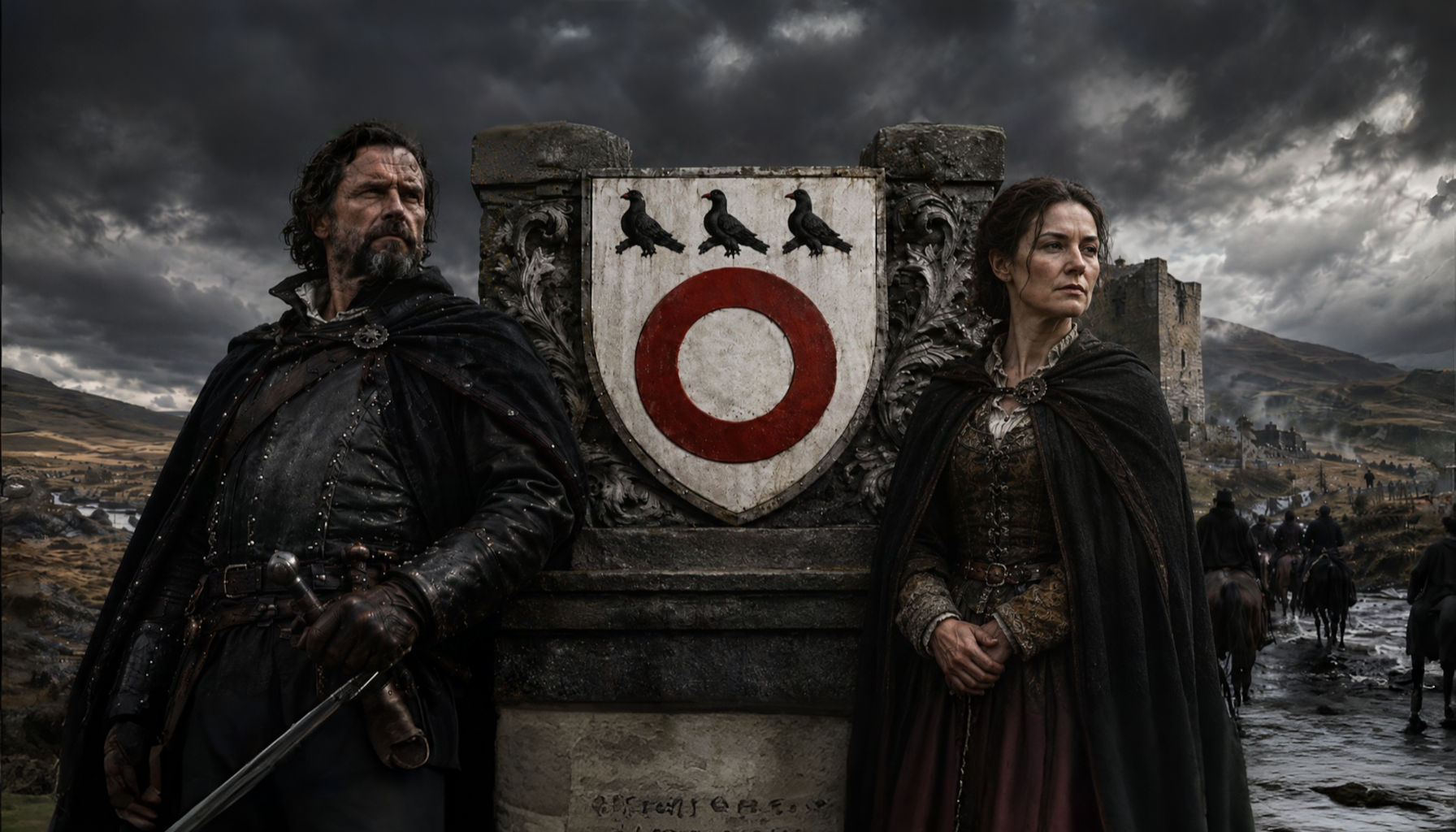
Clan Rutherford was one of the old Border families of Roxburghshire, shaped by the hard, practical world of southern Scotland, where land, loyalty, and survival were always tied to the Anglo-Scottish frontier. The surname is territorial, drawn from place, and that matters: this was a family anchored in the landscape itself, not simply floating through record books as a list of names. In genetic tagging terms, the primary family haplogroup associated here is R1b1a1b1a1a2c1a1, a branch within the great western European R1b line that appears again and again across ancient and medieval Britain and beyond.
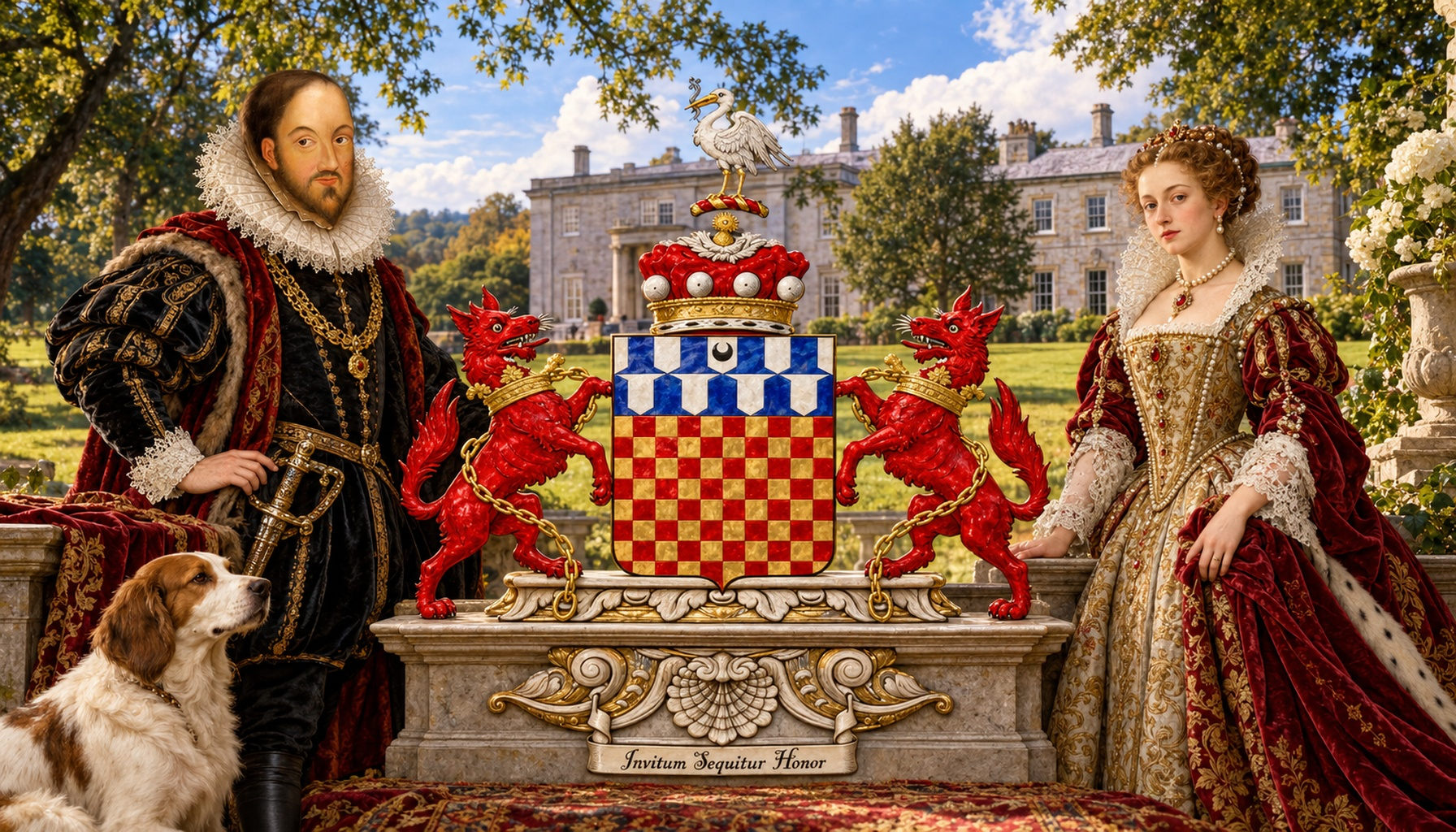
The Rutherfords belong to that very recognisable Border pattern: local landholders, men of service, kin-based operators in a region where law, feud, military obligation, and negotiation all sat uncomfortably together. This was not the theatrical Highlands of later romantic imagination, but a lived frontier society of watches, towers, raids, alliances, and adaptation. A very early figure, Robertus Dominus de Rodyrforde, is recorded around 1140, placing the family in the documentary light of the 12th century, when royal authority, church record-keeping, and territorial lordship were all tightening their grip on the Scottish Borders. Rutherford heritage grew out of exactly that world: landholding, heraldic identity, military duty, and the stubborn resilience of a surname that endured long after the old march society changed.
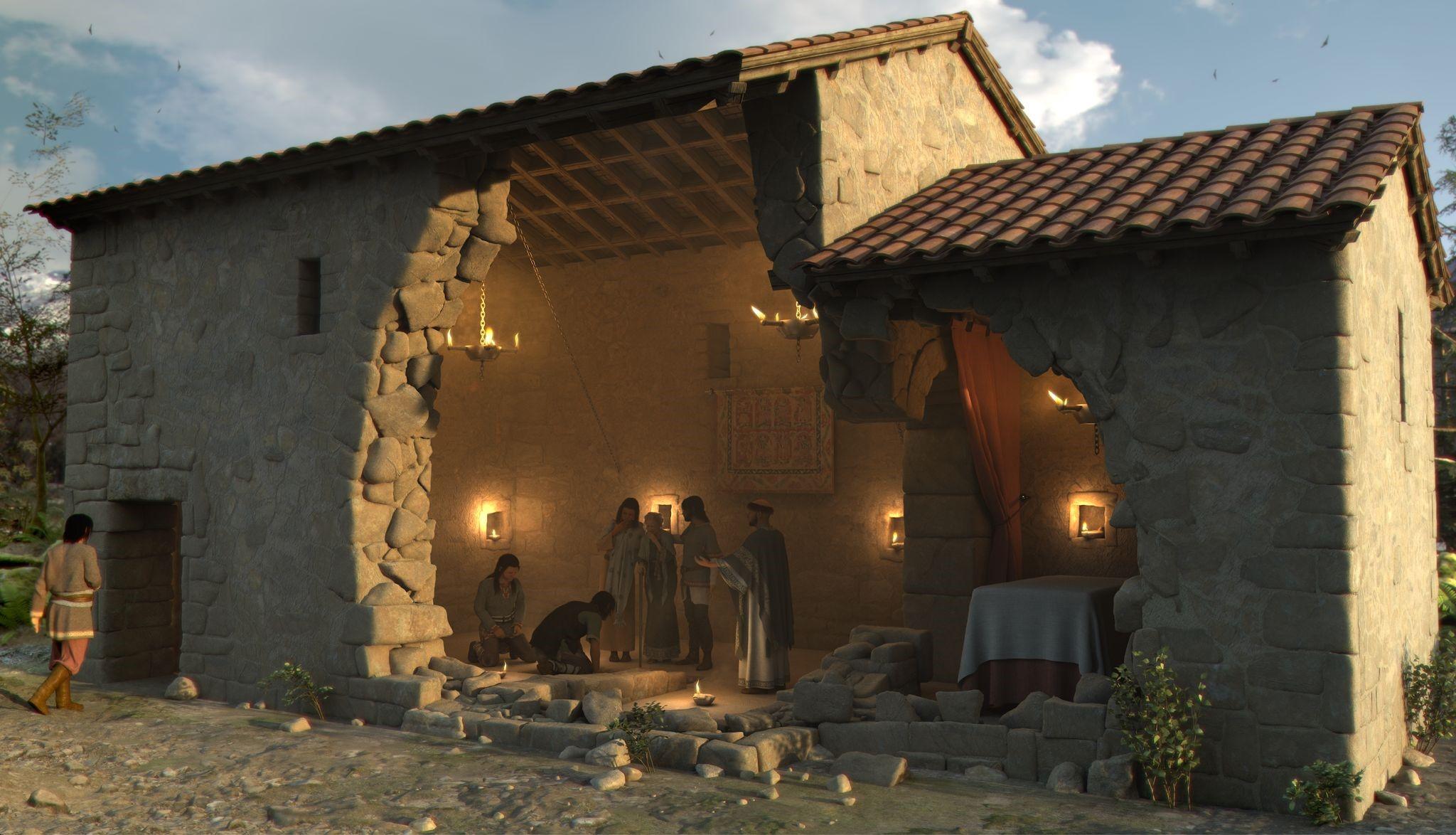
One especially important anchor for the family story is Hunthill Castle in the Jedburgh area of Roxburghshire. What survives there today is a roofless tower house with later alterations, standing on rising ground in exactly the sort of watchful Border position you would expect. The site, recorded by Canmore, preserves the remains of a fortified residence associated with the Rutherfords of Hunthill, and it captures the practical reality of Border lordship rather well: not a fantasy palace, but a defensible home, a statement of local power, and a family base in a contested countryside. The surviving masonry and layout still speak of layered occupation and adaptation over time, which is what Border strongholds so often are when you strip away the postcard version of the past. As a recorded historic site, it can still be visited from the outside and appreciated on location, provided visitors respect access conditions and the fact that many such ruins sit within working rural landscapes.
From an ancient DNA point of view, the R1b1a1b1a1a2c1a1 tag links Clan Rutherford into a much deeper and wider story than the medieval Borders alone. Related or linked samples carrying this branch appear in Roman Era England at Knobbs Farm Somersham (KNF006), among the Celtic Durotriges at Duropolis, Winterborne Kingston, including WBK12, WBK20, WBK29, WBK41, WBK05, WBK30, WBK43, WBK06, WBK08, WBK18 and WBK191, and in Roman Era Cambridge at Vicars Farm (VIC016). The same broader paternal trail also turns up in later contexts such as Medieval England Augustinian Friars (ATP_PSN_512, ATP_PSN_520), Cambridge St Johns Hospital (ATP_PSN_68), Medieval Ireland Kilteasheen samples including KIL025 and KIL015, Saxon Hinxton samples 12880A and 12884A, and northern British material such as Bronze Age Orkney Westray Links of Noltland (KD061), Pict-era Knowe of Skea samples, Mine Howe in Orkney, Iron Age Broxmouth in East Lothian, and Late Bronze Age Covesea Caves in Moray (I2859x). There are also linked finds farther afield, from northern Spain, Italy, Croatia, Belgium, Hungary, Denmark, Sweden, and the Low Countries. None of this proves direct descent from any one ancient individual, and it should not be read that way. What it does show is that the haplogroup branch associated with Rutherford heritage sits inside a long, well-travelled western and northern European paternal history, one that fits rather neatly with the Borderlands: old British roots, later Iron Age and Roman continuities, and medieval reshaping without any single simple origin story.
If you carry the Rutherford surname, have Rutherford lines in your tree, or simply want to see how your DNA connects to Border history and ancient Britain, this is where the story becomes personal. Upload your DNA to MyTrueAncestry and explore whether you match Clan Rutherford, the haplogroup R1b1a1b1a1a2c1a1, or related ancient samples from Roman, Iron Age, Pictish, and medieval contexts across Britain and Europe.
Comments