The House of Alexander
– 3 min read


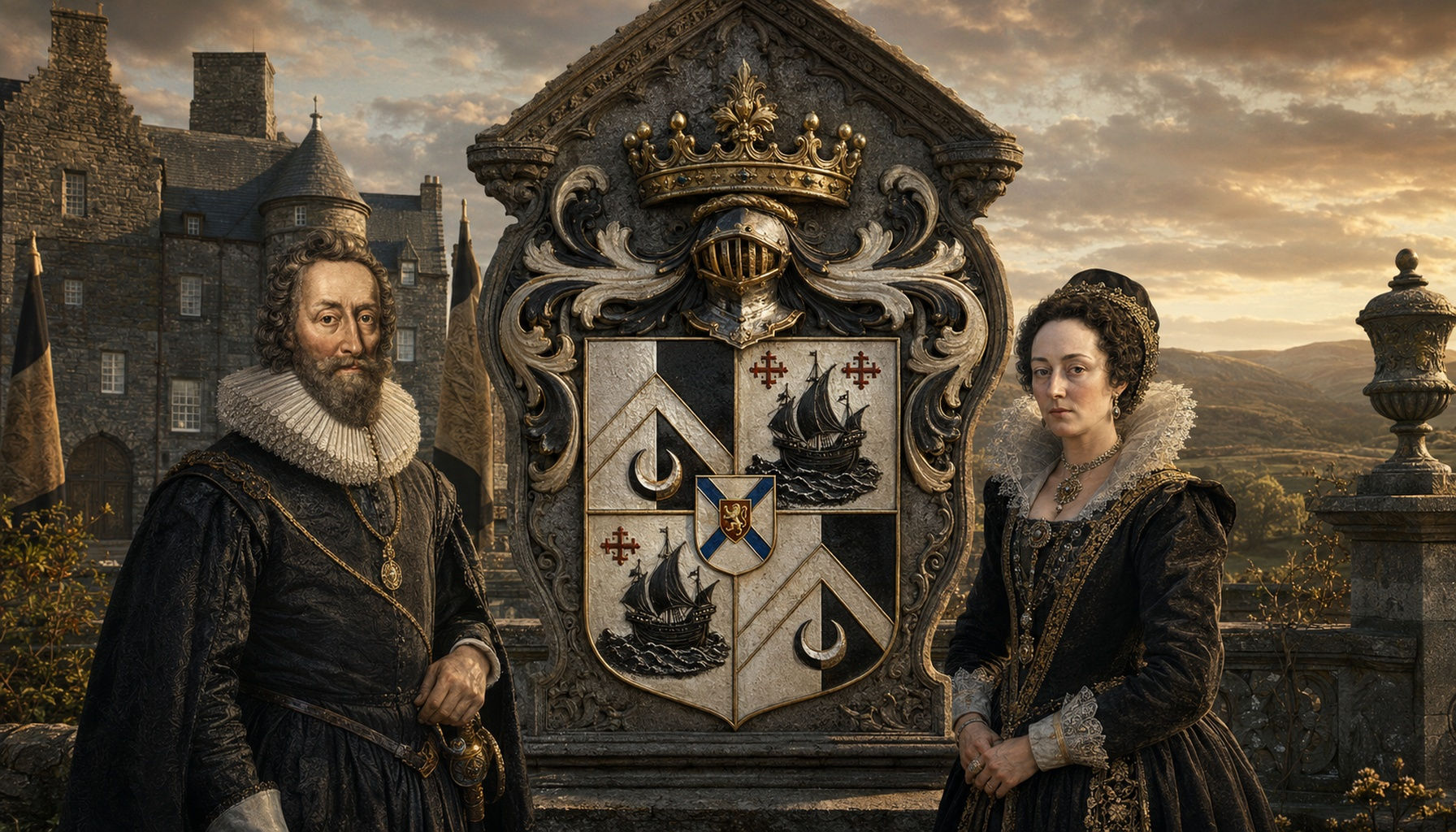
The House of Alexander belongs to that long European tradition in which a surname becomes more than a label and starts to act almost like a small historical monument. In Scotland especially, the Alexanders emerged as a family of standing rooted in service, landholding, public responsibility, and the careful preservation of lineage across generations. Their name itself carried unusual prestige. "Alexander" echoed the authority of the ancient world, above all the fame of Alexander the Great, but in Britain and Ireland it became thoroughly local too: a hereditary family name tied to places, estates, offices, and memory. In genetic tagging terms, the primary family haplogroup linked here is R1b1a1b1a1a2c1a5b1a1a2a1, a branch within the wider paternal landscape so often found across the British Isles and Atlantic Europe.
Historically, this is best understood not as a single fairy-tale dynasty descending unchanged from antiquity, but as a noble-family pattern that took shape in a very real medieval and early modern world. Families bearing the Alexander name grew from regional roots and made their way by loyalty, administration, military and civic service, and the stubborn continuity of inherited reputation. One of the most famous figures was William Alexander, 1st Earl of Stirling (1567-1640), courtier, poet, colonial promoter, and a man who embodied the ambitions of the Scottish crown in the age of James VI and I. Through him, the family name reached beyond Clackmannanshire into the larger story of Britain, empire, and aristocratic identity, while still remaining anchored in a particular Scottish landscape.
If you want the House of Alexander fixed to a map rather than floating in abstraction, Menstrie Castle is the place to look. Situated in the village of Menstrie in Clackmannanshire, at the foot of the Ochil Hills in central Scotland, the castle is a compact and handsome tower house strongly associated with the family and especially with William Alexander, 1st Earl of Stirling. What survives today is largely a restored sixteenth-century laird's house with crow-stepped gables and the sort of architectural seriousness that tells you this was not merely a home but a statement of status. It later fell into decline, as so many old family seats did, before restoration in the twentieth century brought it back into view. Menstrie Castle now functions as a heritage site and museum space connected with the story of William Alexander and Scottish links to Nova Scotia, so yes, it can still be visited. That matters, because places like this are where noble identity stops being an abstract pedigree and becomes stone, stair, chamber, and view.
Explore the Royal House of Stewart
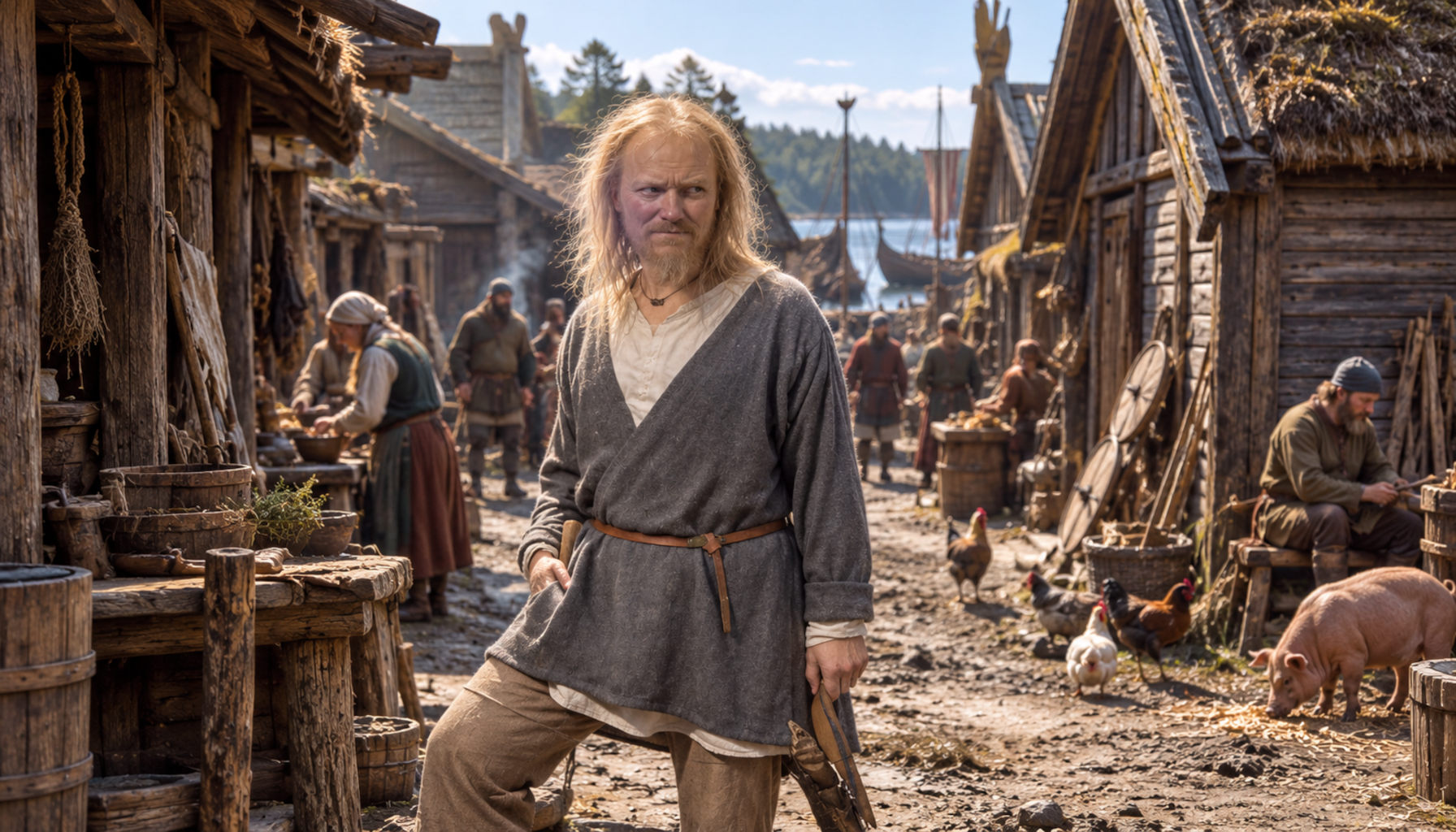
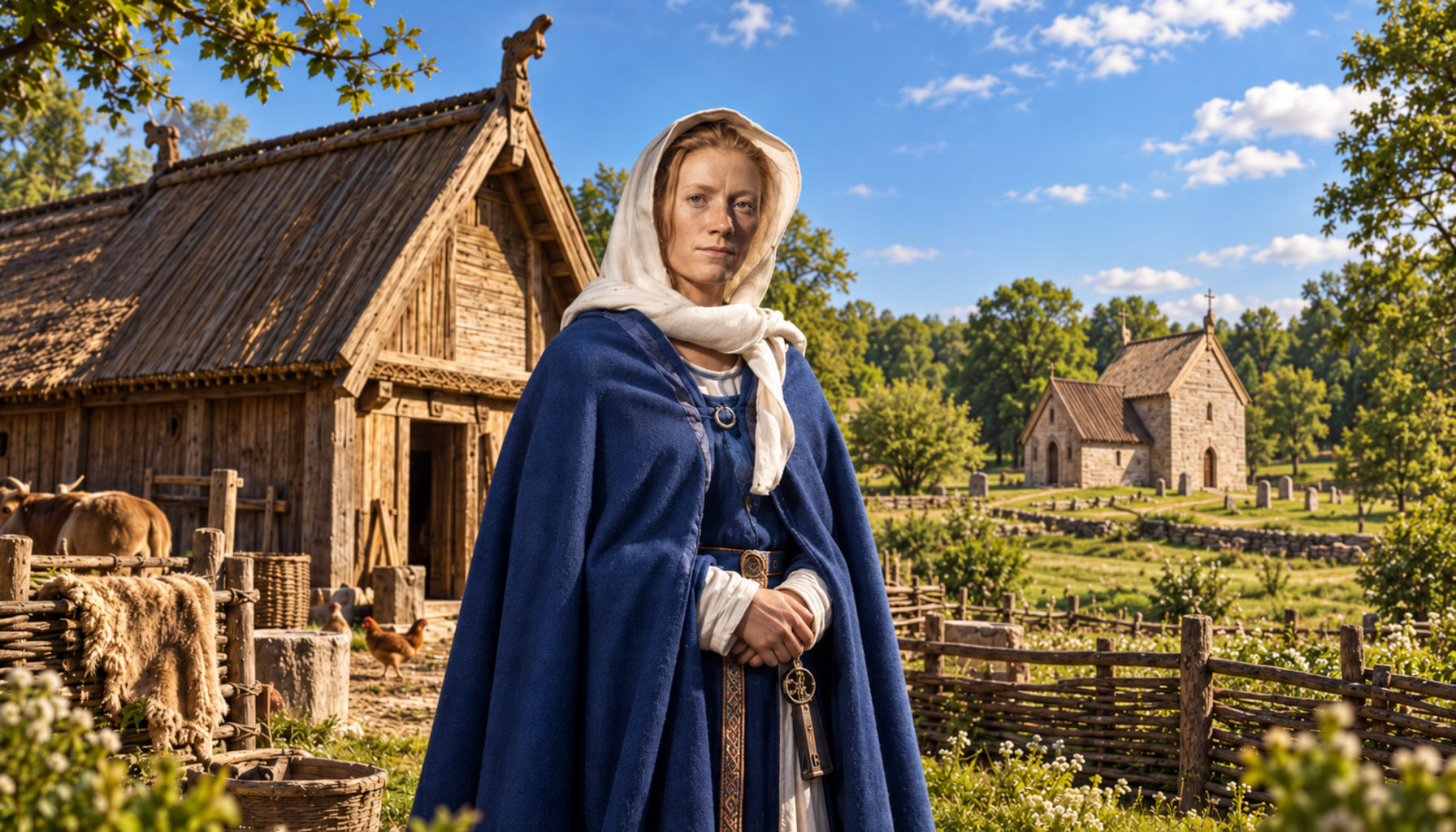
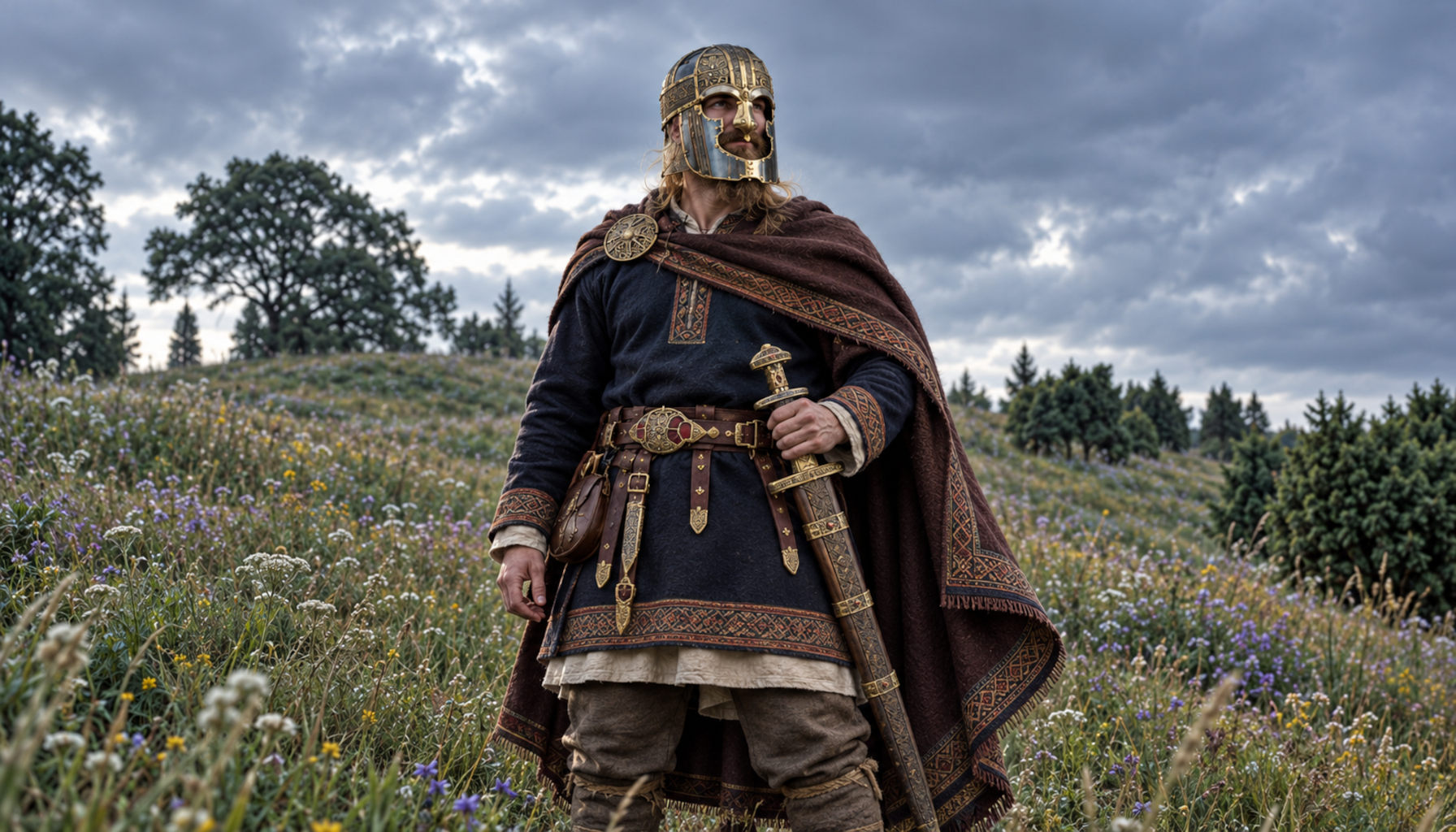
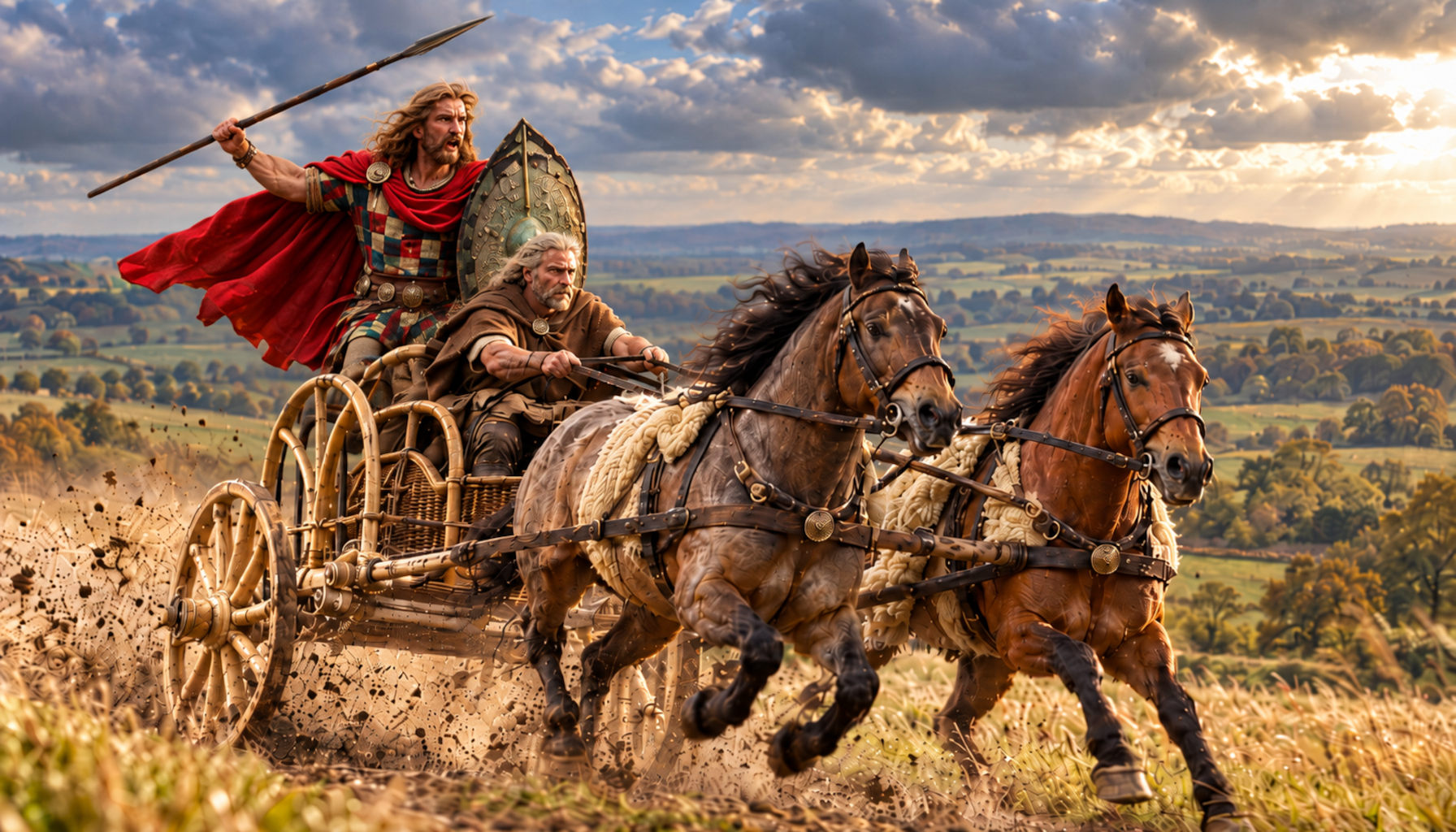
The haplogroup tag R1b1a1b1a1a2c1a5b1a1a2a1 places the House of Alexander within a much older web of paternal ancestry visible in ancient DNA from Britain, Ireland, and the North Atlantic world. Related or linked samples include Early Anglo Saxon Cemetery West Heslerton, Yorkshire (I11586), Anglo Saxon Oakington, England (OAI012), Celtic Briton individuals from Carsington Pasture Cave, Derbyshire (I12778 and I12775), Lechlade-on-Thames, Gloucestershire (I12783), Bradley Fen, Cambridgeshire (I11156), Iron Age Middle Wallop Suddern Farm (I16611), Iron Age Greystones Farm, Gloucestershire (I12785), the Copper Age Rathlin1B from Ireland, and even the Danish-Gaelic Viking age Iceland sample SSG-A2. These do not prove direct descent from the Alexanders to any one ancient person, and we should be careful about that. But they do place the family within a recognizable genetic and historical corridor: Iron Age Britons, later Celtic-speaking communities, Anglo-Saxon era populations, Irish Bronze Age and Copper Age lineages, and the mixed Norse-Gaelic world that helped shape medieval Britain and the Atlantic fringe.
The House of Alexander is a reminder that family history lives at several levels at once: in grand names, local castles, remembered ancestors, and the far older patterns now glimpsed through DNA. If you have Alexander roots, or surnames from the same Scottish and British world, you can upload your DNA to MyTrueAncestry and see whether you match the House of Alexander story or any of these related ancient DNA samples.
Comments