Clan Dempsey

– 3 min read


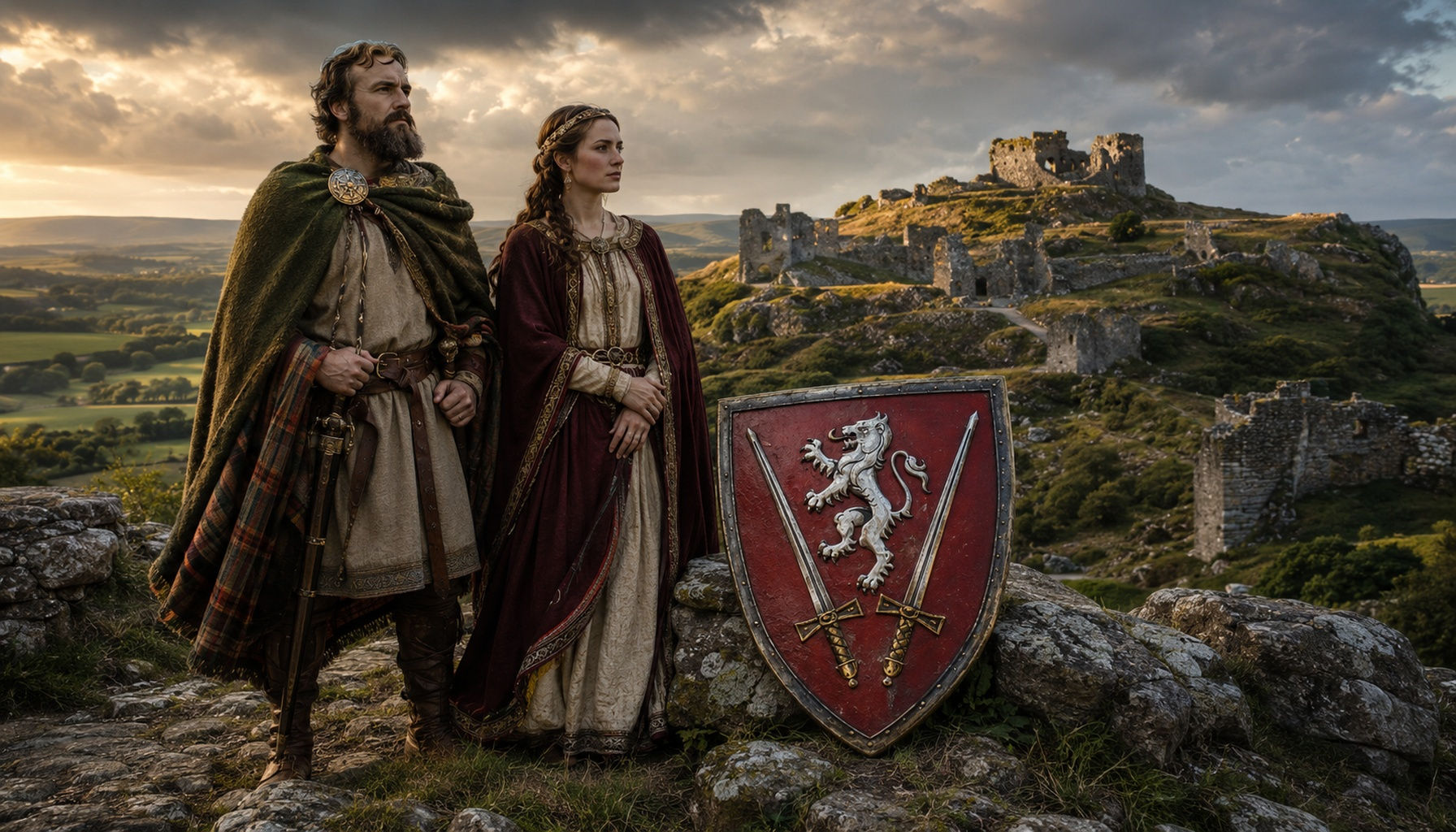
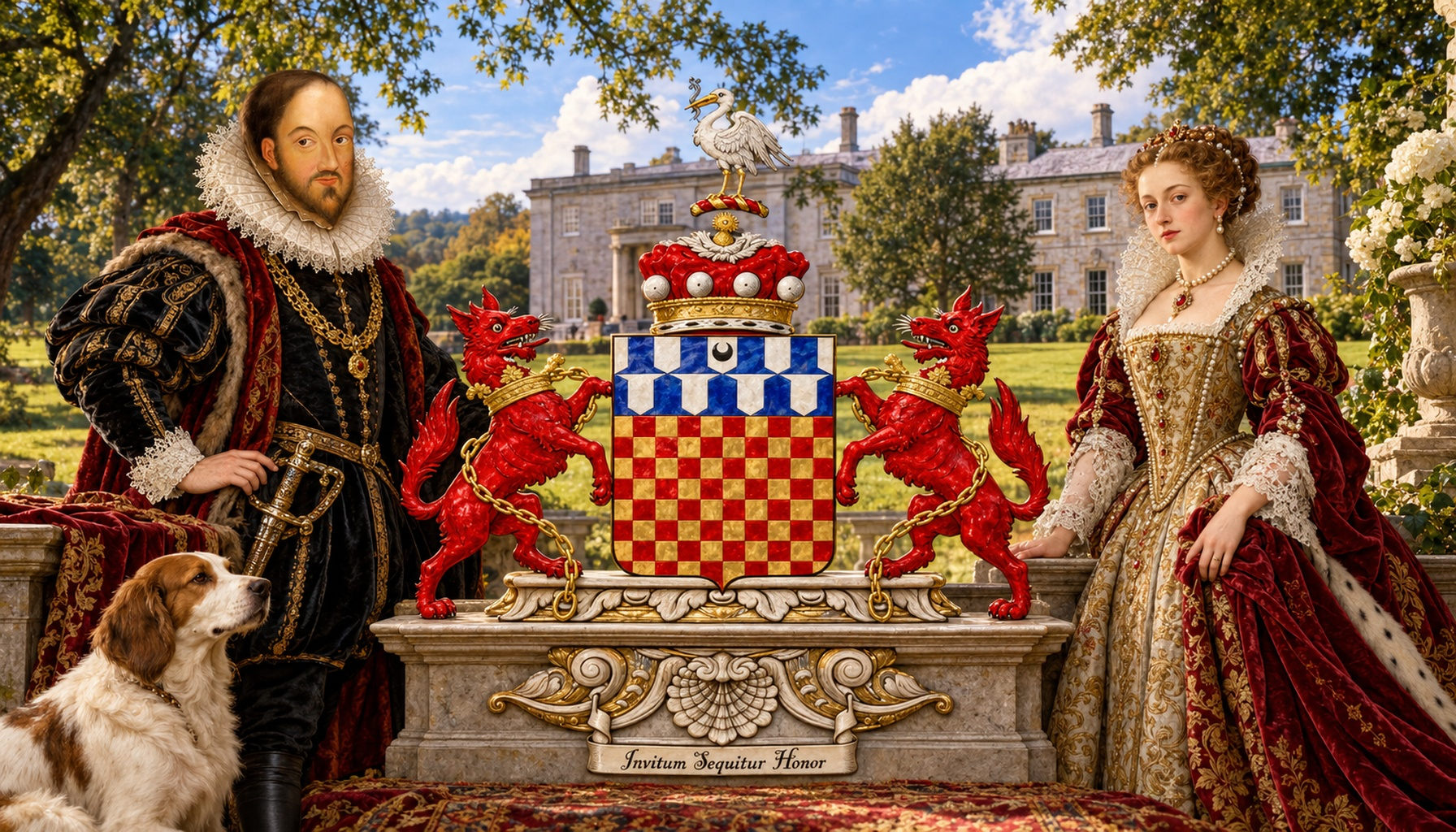
Clan Dempsey was a Gaelic Irish family of Leinster, rooted in the old kin-based world of medieval Ireland, where power rested on ancestry, land, fighting strength, and the loyalties of a local people. The surname is generally linked to the Irish O Diomasaigh tradition, later anglicized as Dempsey, and it belongs to that distinctly Irish pattern of lordship in which a family was not simply a surname but a political community. In haplogroup terms, the primary family line here is tagged to R1b1a1b1a1a2c1a4a, a branch associated with wider Atlantic and Insular European paternal history.
What makes the Dempseys so interesting is that they stand for something bigger than one lineage alone. They represent the Gaelic Irish clan pattern at full stretch: descent from remembered ancestors, authority tied to territory, martial reputation, and a stubborn continuity through conquest, anglicization, and migration. Their story belongs especially to the midlands of Leinster, in what became associated with the old lordship of Clann Mhaoilughra and the region around modern County Laois. Even when political conditions changed drastically under Norman pressure and later English rule, the family identity endured through genealogy, local memory, and the simple survival of the name. A figure such as Muirchertach MacDempsey, recorded in 1189, gives us a glimpse of the clan already operating in that turbulent high medieval landscape, where Irish dynasties, church foundations, rival lordships, and incoming powers all jostled for control.
Read more about Clan Mac Murchada
One of the strongest location anchors for Dempsey heritage is Lea Castle in County Laois, near Portarlington. The site stands in a landscape deeply tied to the old Gaelic midlands and later frontier politics between Irish and Anglo-Norman power. Lea Castle is best known as a ruined tower house and fortified site, with later phases of building and conflict layered into it, rather than a neat one-period monument. That is precisely what makes it so evocative. Places like Lea were not just military structures; they were statements of control over land, roads, river crossings, tenants, and local prestige. In the medieval and early modern centuries, this part of Leinster was a zone where Irish lordship, colonial expansion, rebellion, confiscation, and rebuilding repeatedly collided. The surviving ruins still give a sense of that hard-edged history, and yes, the castle can still be visited as a visible historic ruin from the exterior, which makes it a valuable stop for anyone tracing Dempsey country on the ground.
From the ancient DNA angle, the haplogroup R1b1a1b1a1a2c1a4a connects Clan Dempsey to a broad and fascinating web of related or linked male-line samples across Britain, Ireland, and parts of Atlantic and western Europe. These do not prove direct descent from the clan, and it is important not to pretend otherwise, but they do help place the Dempseys inside a much older population story. Among the linked samples are multiple Celtic Durotriges burials from Duropolis at Winterborne Kingston in England, including WBK12, WBK20, WBK29, WBK41, WBK05, WBK30, WBK43, WBK06, WBK08, WBK18, and WBK191, alongside Iron Age and Celtic Briton individuals from Kent, Oxfordshire, Somerset, Wiltshire, Yorkshire, Hampshire, Wales, and Scotland. There are also related examples from Medieval Ireland at Kilteasheen in Roscommon, from Pict-era Orkney, Bronze Age Orkney and Moray, and further afield from northern Spain, Gaul, Belgium, Croatia, Italy, Germany, Hungary, and Viking Age Scandinavia. In other words, the Dempsey haplogroup sits within a deep archaeological background that long predates surnames, but fits well with the broader genetic landscape from which later Gaelic Irish kindreds emerged.
Explore ancient DNA and Celtic origins
If you carry the Dempsey name, or suspect Dempsey roots in Leinster or the Irish diaspora, DNA can add another layer to the family story. It will not replace the records, the place-names, or the history, but it can help show whether you match the wider genetic world linked with this family and with ancient samples connected to haplogroup R1b1a1b1a1a2c1a4a. Upload your DNA to MyTrueAncestry and see whether your results echo Clan Dempsey or the older population histories that formed the world they came from.
Comments