Clan Dwyer
– 2 min read


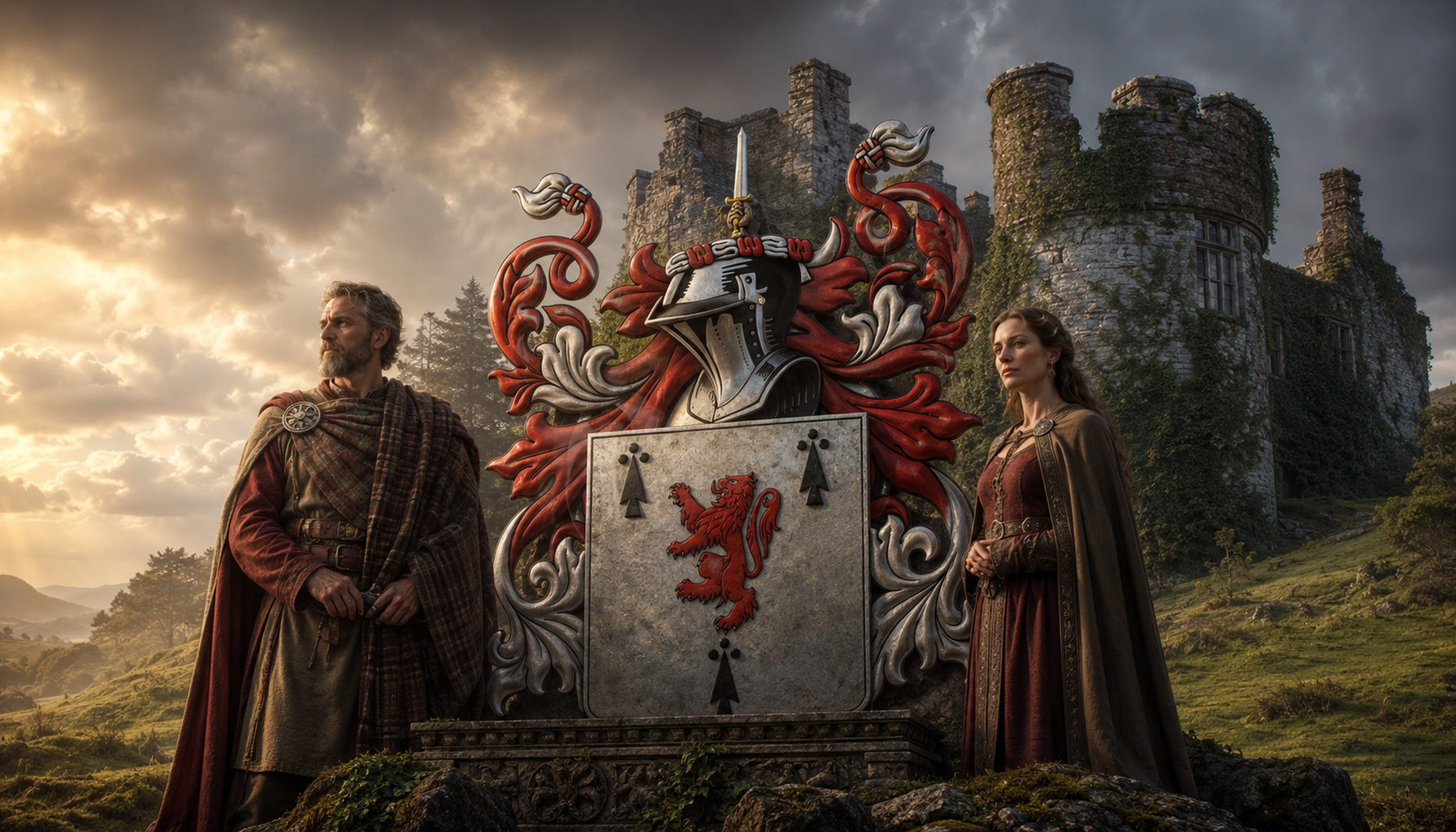
Clan Dwyer was a Gaelic Irish family of Munster, strongly associated with Tipperary and with the older territorial world of southern Ireland, where kinship, land, military obligation, and memory of descent all mattered enormously. The surname is linked to the O Duibhir tradition, and like many Irish clan names it carried more than a label: it signalled belonging, ancestry, and place. In genetic tagging terms often associated with the family, the primary haplogroup is R1b1a1b1a1a2a, a branch within the broader western European paternal landscape. Haplogroups linked with Dwyer heritage are therefore best discussed under R1b and, more specifically here, R1b1a1b1a1a2a.
Historically, the Dwyers fit a recognisable Munster Gaelic pattern. They were part of a society built around lineages, local lordship, remembered forebears, and the stubborn continuity of family identity through changing political regimes. Even when power shifted and outside pressure increased, surname memory, genealogy, and oral tradition helped keep the clan's identity intact. One early named figure associated with the tradition is Dubhuir mac Spealain (183), a reminder that behind the later surname stands an older personal and dynastic world. The importance of the Dwyers lies not in some romantic mist, but in something much more interesting: the practical endurance of a Gaelic family through centuries of upheaval, migration, and reinvention.
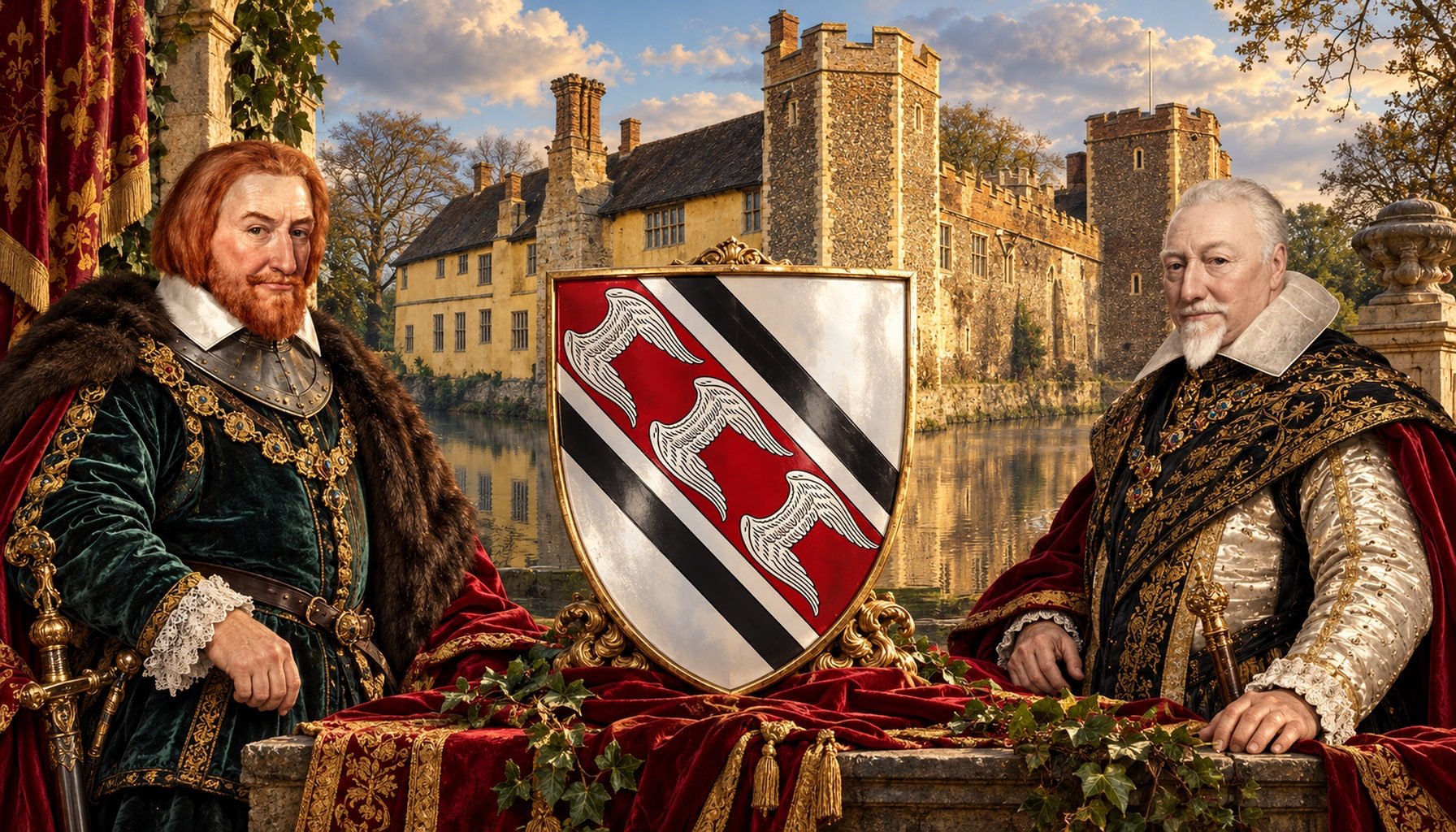
A strong location anchor for Dwyer heritage is Killenure Castle in County Tipperary, a site that captures the mixture of family memory and landscape so characteristic of Irish history. Killenure is presented as a restored tower house with deep roots in the local Gaelic and later historic story of the region. In plain terms, it is the sort of place that makes ancestry feel concrete: stone walls, defensible position, and the sense that family history was not abstract at all, but lived in fields, roads, rivalries, and household alliances. The castle's own history, as outlined by its custodians, reflects layers of occupation, restoration, and continuity rather than a single frozen medieval moment. It stands in the Tipperary countryside as a useful reminder that clans such as the Dwyers were rooted in real territorial networks, not just in pedigrees. Reasonably speaking, yes, Killenure Castle can still be visited through its modern heritage and accommodation presence, which makes it a rare chance to connect a surname tradition with an actual surviving place.
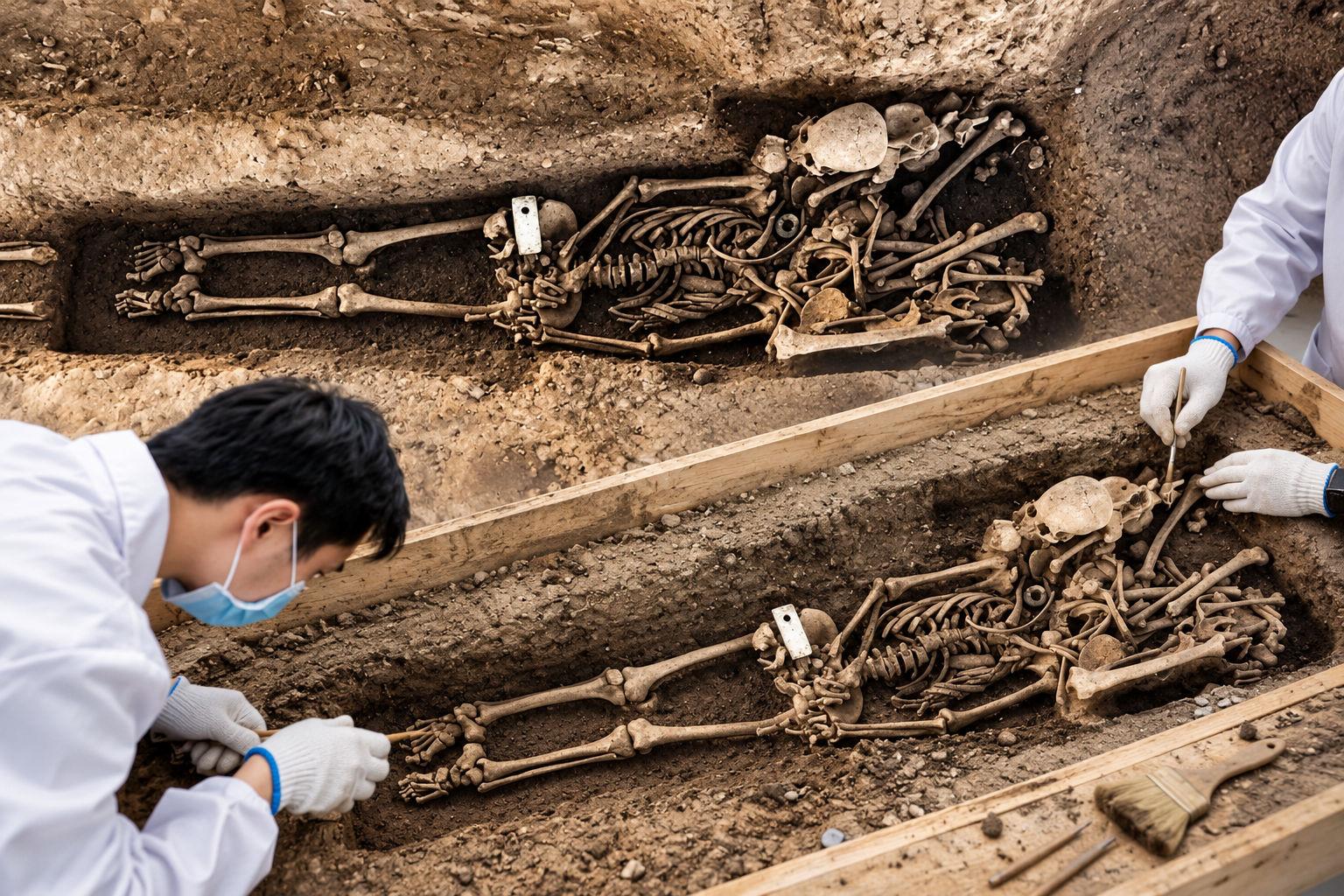
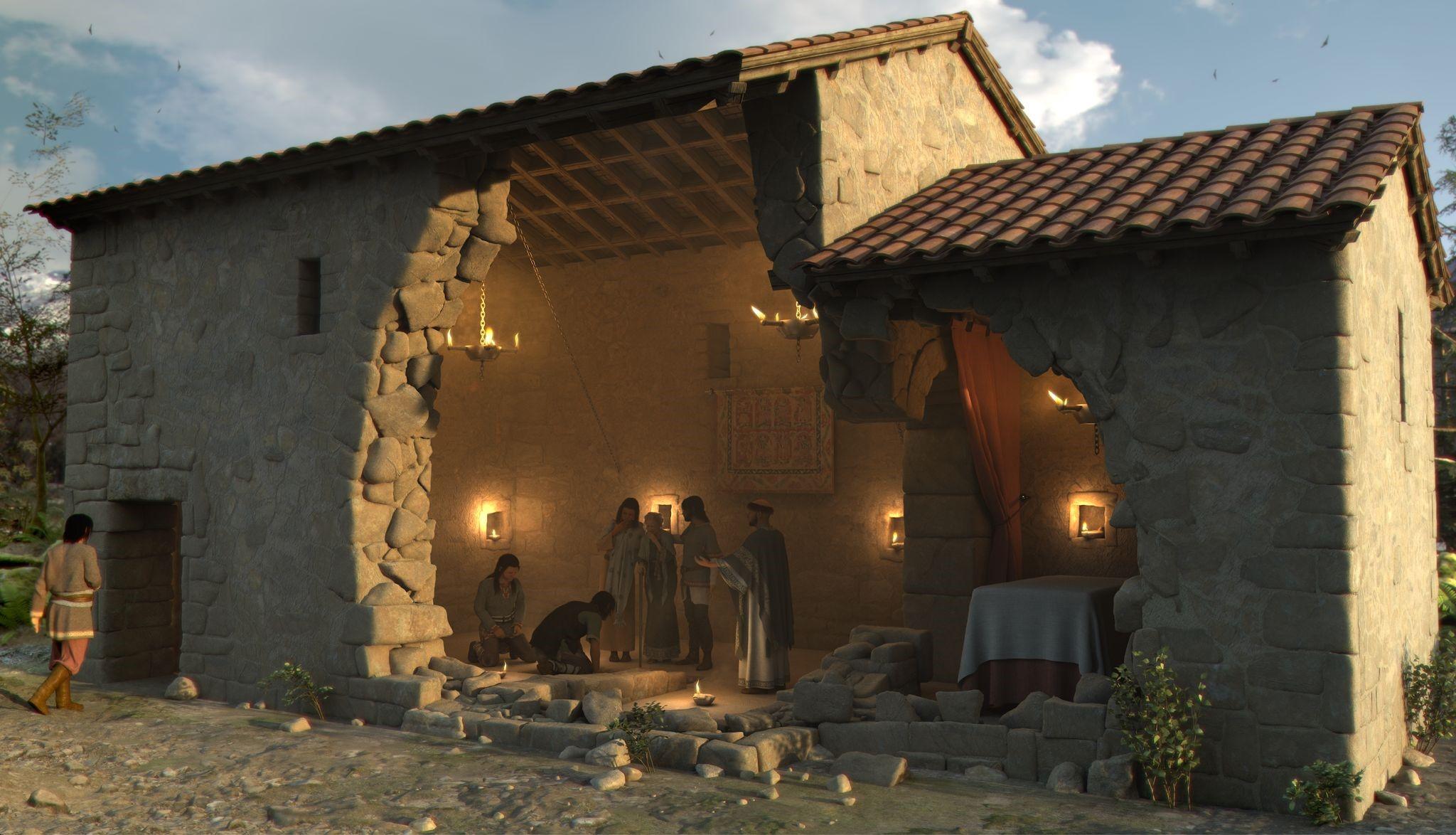
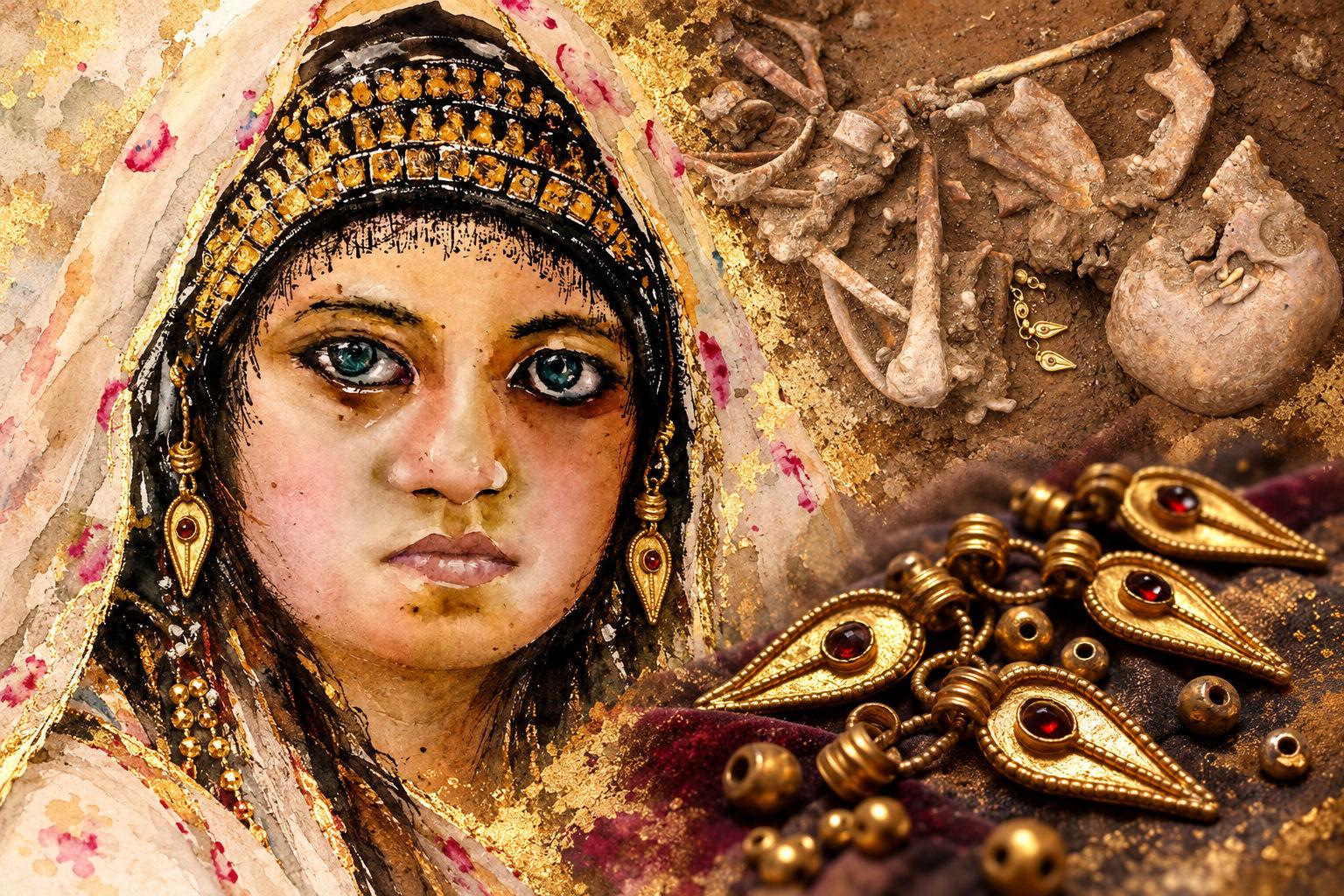
For readers interested in deep ancestry, R1b1a1b1a1a2a-linked ancient DNA samples provide useful context, though not proof of direct descent from any one individual. They show how lineages related to this paternal branch appear across a remarkably wide historical map: among Medieval Northern Spain samples from Las Gobas such as ldo066, ldo037, ldo046, ldo048, ldo040, and ldo062; in elite Celtic burials from Germany including Magdalenenberg MBG013, Asperg-Grafenbuehl APG001 and APG003, Ludwigsburg Roemerhuegel LWB001, and Hochdorf HOC001; in Roman and post-Roman Britain through samples like NWC009, FEN008, ARB003, and DUX003; and in Iron Age and Romano-British linked contexts such as the Durotriges burials at Duropolis, including WBK103, WBK106, WBK17, WBK36, WBK192, WBK10, WBK105, and WBK23. That is not a Dwyer family tree, of course. But it does place the clan's tagged haplogroup within a long-running Atlantic and Celtic-facing genetic world stretching from Bronze Age and Iron Age Europe into medieval western regions that would later feed into the ancestry of Ireland.
Explore Neolithic Irish kinship and DNA
If you carry the Dwyer surname, have Munster roots, or simply want to know whether your DNA shows links to Clan Dwyer or to related R1b1a1b1a1a2a ancient samples, you can take the next step by uploading your DNA to MyTrueAncestry and exploring the evidence for yourself.
Comments