Clan Ryan
– 3 min read


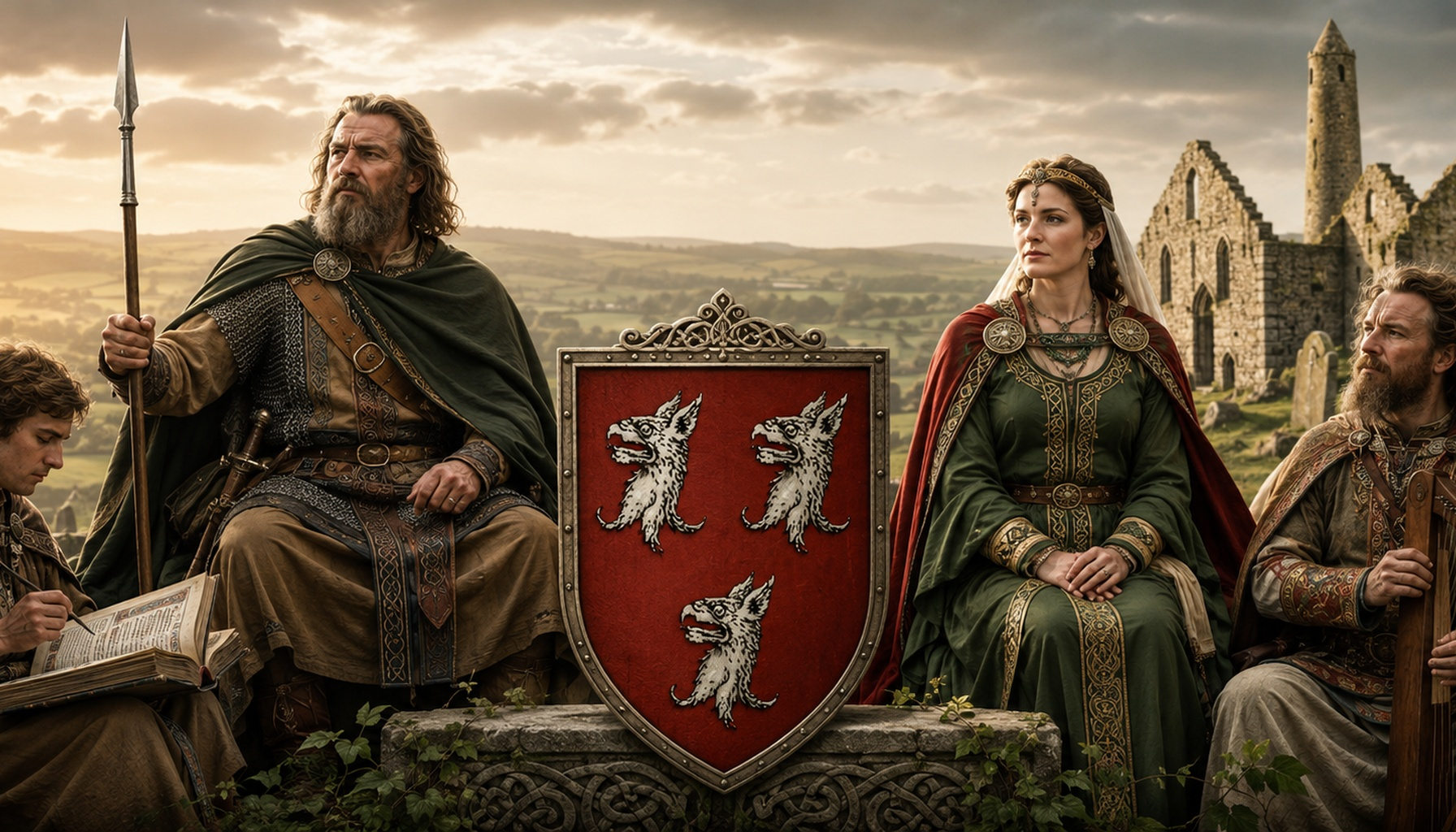
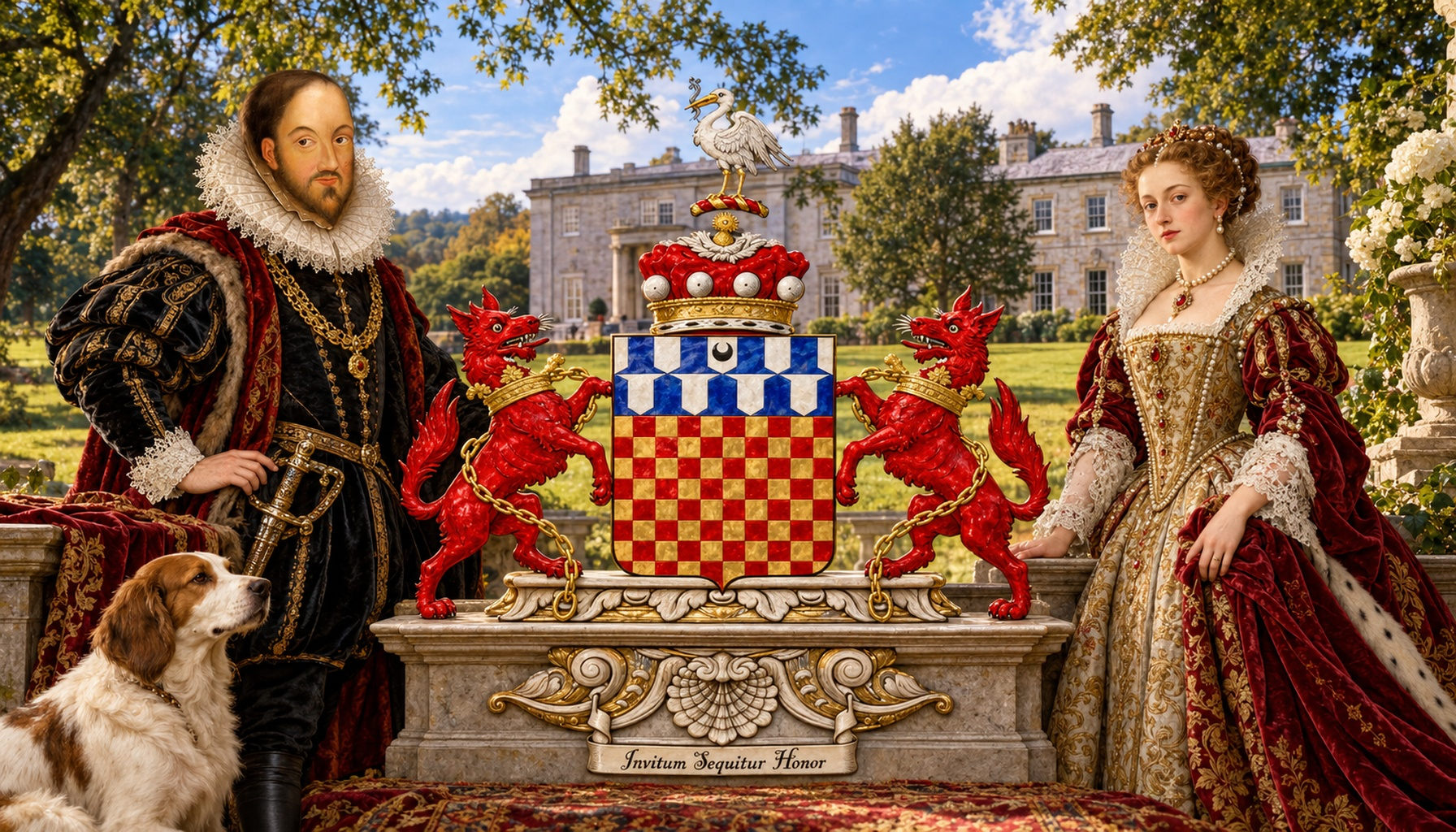
Clan Ryan was one of the many enduring Gaelic Irish families whose identity was carried not by a single castle or one dramatic founder alone, but by surname, kinship, locality, and memory. The name Ryan, from the older Irish O Riain, belongs to that deeply rooted Irish tradition in which ancestry and place were bound tightly together. In broad heritage terms, the Ryans came out of the Gaelic world of Ireland, especially associated with Munster and most famously with County Tipperary, where branches of the family became strongly embedded in the historical landscape. Their primary linked haplogroup here is R1b1a1b1a1a2a, a lineage found widely across Atlantic Europe and often turning up in ancient remains connected with Celtic, post-Roman, and medieval populations.
The Ryan story is, in many ways, the Irish story in miniature. This is a family name that survived the churn of lordship, invasion, anglicization, state pressure, migration, and diaspora, yet still remained recognizably Irish. That matters. Gaelic surnames were not just labels; they were vessels of descent and social belonging. Even when families moved, adapted spellings, or crossed oceans, the old identity could remain stubbornly alive. A named historical figure such as Righin mac Dubhghall, recorded in 1268, gives us a glimpse into that medieval naming world, where personal lineage still stood right at the center of identity. Clan Ryan therefore represents a classic Gaelic Irish surname pattern: ancestral descent, regional attachment, cultural endurance, and long family memory.
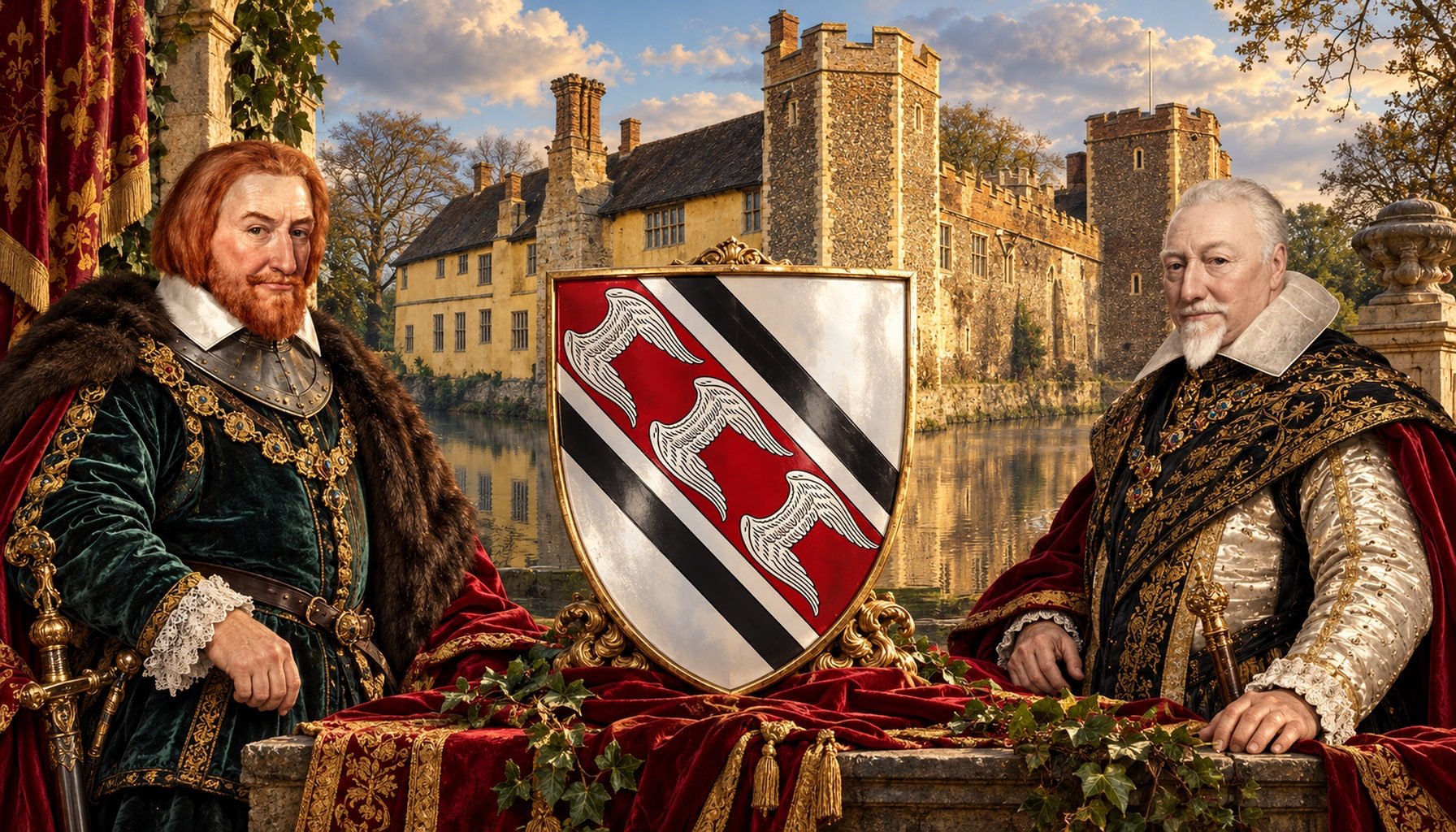
A useful location anchor for Ryan heritage is Castle Waller, in County Tipperary, in the wider Ryan country of central Munster. The site, as outlined in local historical material, stands in a layered landscape of estate history, older Gaelic territory, later landed transition, and architectural change. Like so many Irish houses and castle-sites, it is not just one building frozen in time, but part of a long sequence in which medieval inheritance, early modern rebuilding, and later estate life overlap. That is exactly the kind of place where Irish family history becomes tangible: not as a neat textbook line, but as a patchwork of landholding, alliance, adaptation, and memory. Castle Waller helps root the Ryan story in a real historical geography, one shaped by the old Gaelic order and then by the profound social rearrangements that followed. It is also a place that can still be visited in the broader sense of viewing and exploring the local historic landscape, which gives descendants and history-minded visitors a physical connection to the world in which Ryan heritage took shape.
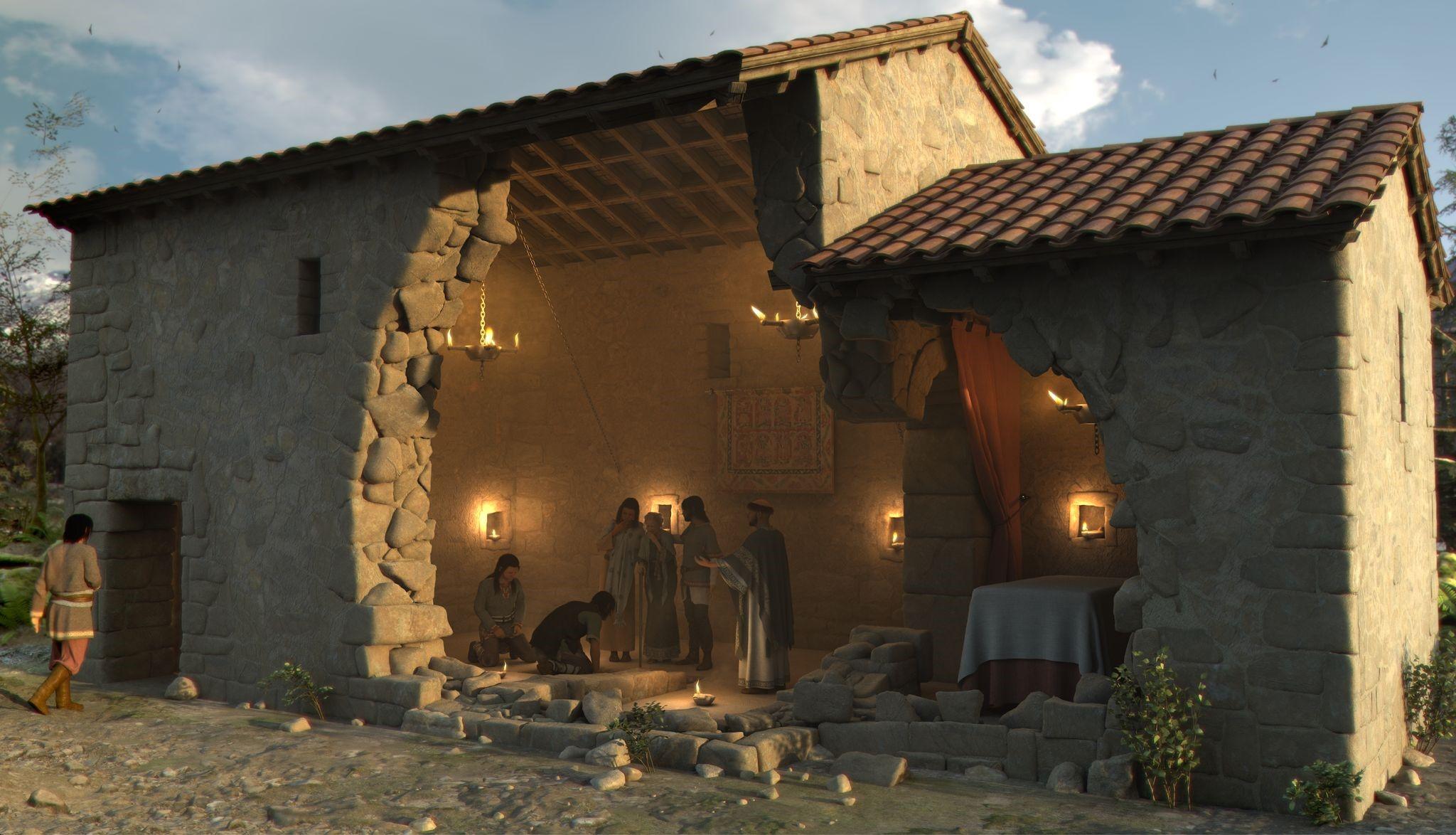
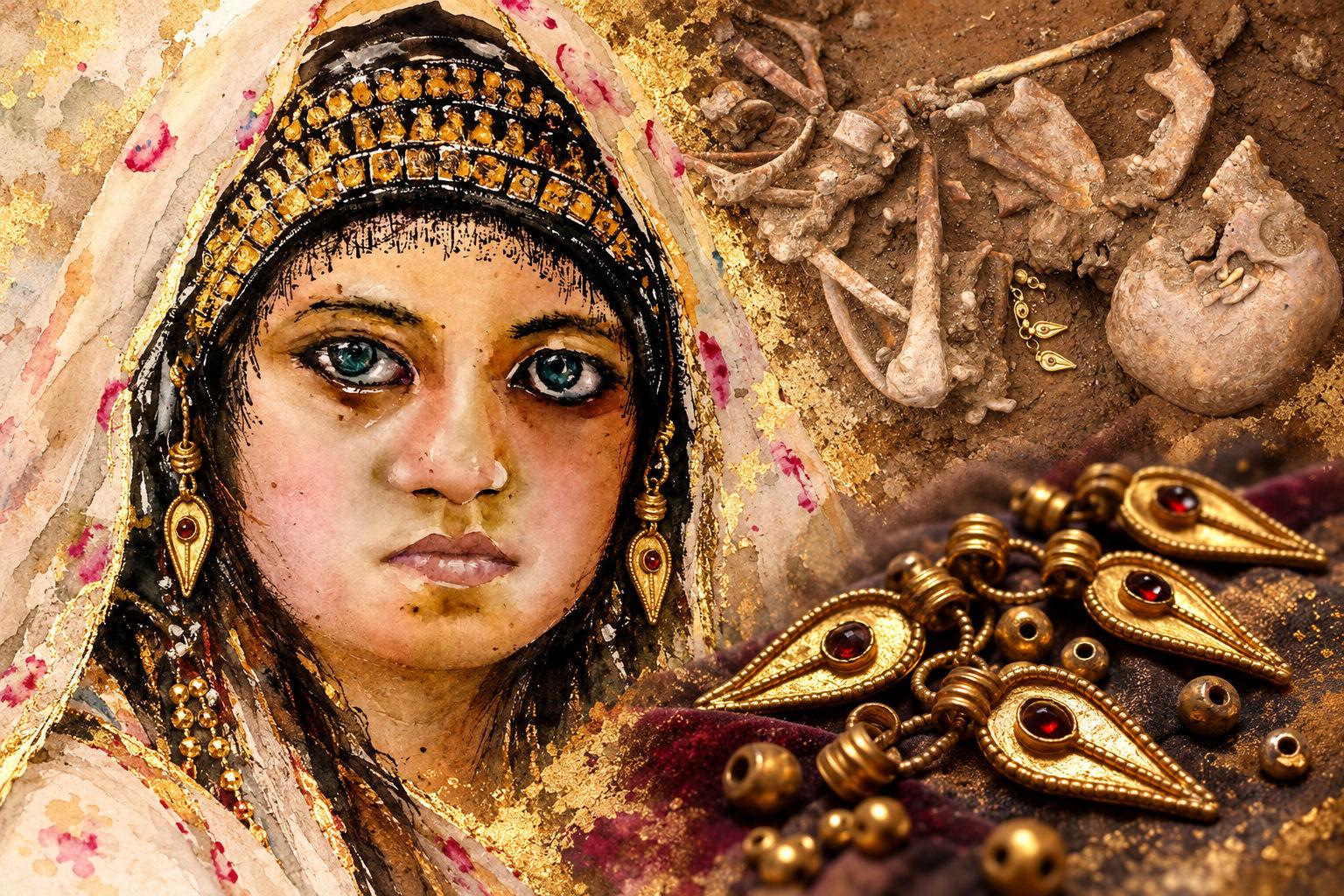
From a DNA perspective, the Ryan-associated haplogroup tag here is R1b1a1b1a1a2a. We should be careful: ancient DNA samples do not prove direct descent from any specific Ryan line. But they do show the wider prehistoric and historic world to which this paternal lineage was linked. Related or linked examples appear across a strikingly broad sweep of Europe, including Medieval Northern Spain at Las Gobas such as ldo066, ldo037, ldo046, ldo048, ldo040, and Dark Ages ldo062; elite Celtic burials in Germany such as MBG013, APG001, APG003, HOC001, HOC001b, and HOC001c; Roman and later Britain including NWC009, FEN008, ARB003, DUX003, and the Durotriges samples WBK103, WBK106, WBK17, WBK36, WBK192, WBK10, WBK105, and WBK23; and even Pict-era Scotland at Rosemarkie Cave with KD001 and related individuals. Seen together, these linked samples place the Ryan haplogroup within a very old west-European paternal horizon stretching from Bronze Age and Iron Age communities into the medieval world. In plain English: the deeper paternal ancestry behind the Ryan name sits in a long continuum that touched Celtic Europe, Roman Britain, Atlantic zones, and early medieval populations that helped form the genetic background of Ireland.
If you carry the Ryan name, or have Ryan ancestors in your tree, DNA can add another layer to the story alongside records and local history. Upload your DNA to MyTrueAncestry to explore ancient samples linked to haplogroup R1b1a1b1a1a2a and see how your family history may connect to the wider human past.
Comments