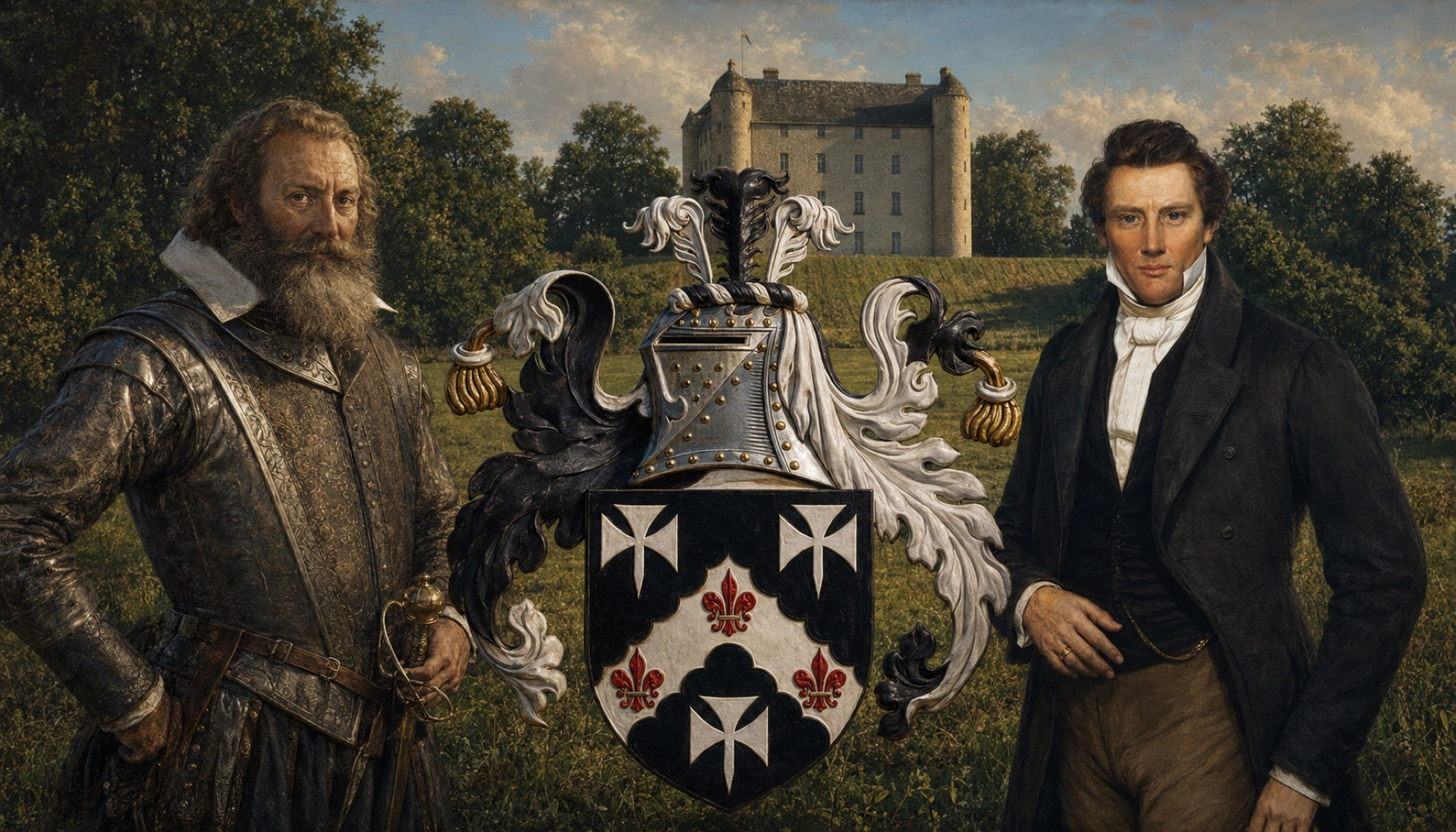
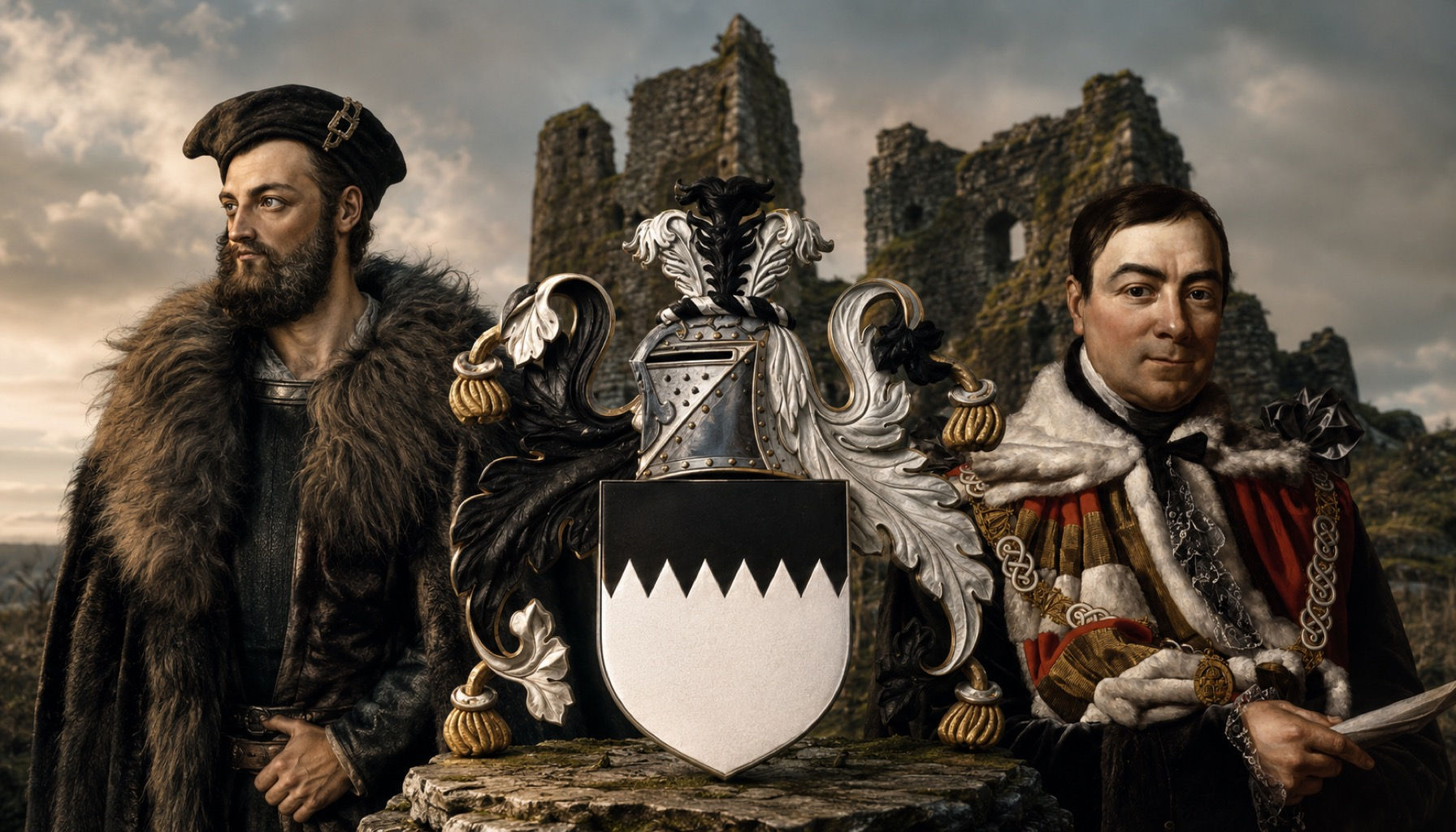
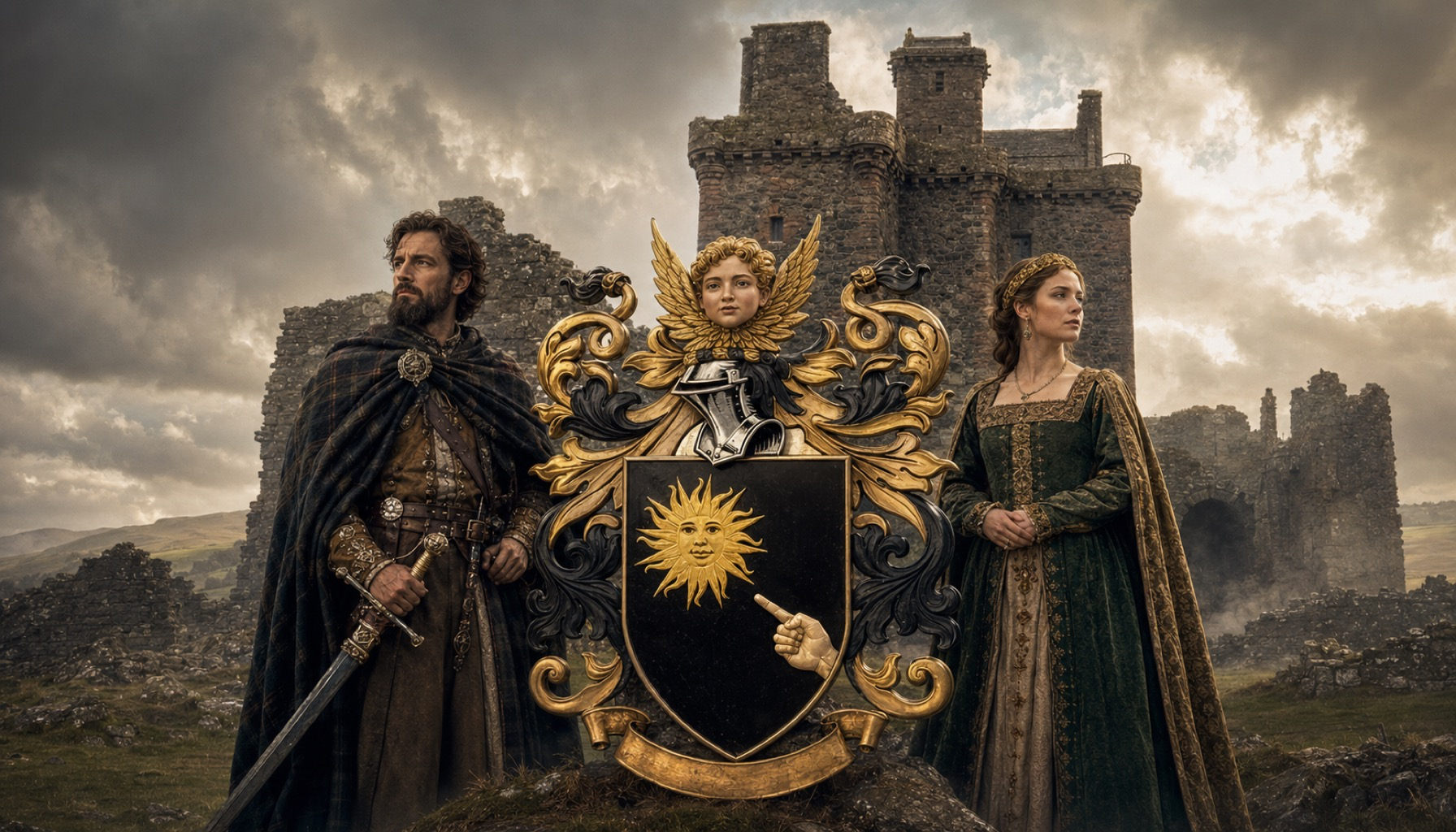
Haplogroups and Noble Lines The Noble House of De Vere Background The de Vere family was one of the great Norman noble houses of England, a dynasty that arrived from the Continent in the wake of the Norman Conquest and planted itself firmly in English soil. Their name is usually linked above all with the Earls of Oxford, one of By Caterina • 2 min read
Haplogroups and Noble Lines The House de Lugny House de Lugny Background The House de Lugny was a French noble family of Burgundy, rooted in the historic territory around Lugny in the Maconnais, and remembered above all as a landed provincial house whose identity was tied to estate, jurisdiction, and heraldic continuity. In haplogroup terms, the primary family By Caterina • 3 min read
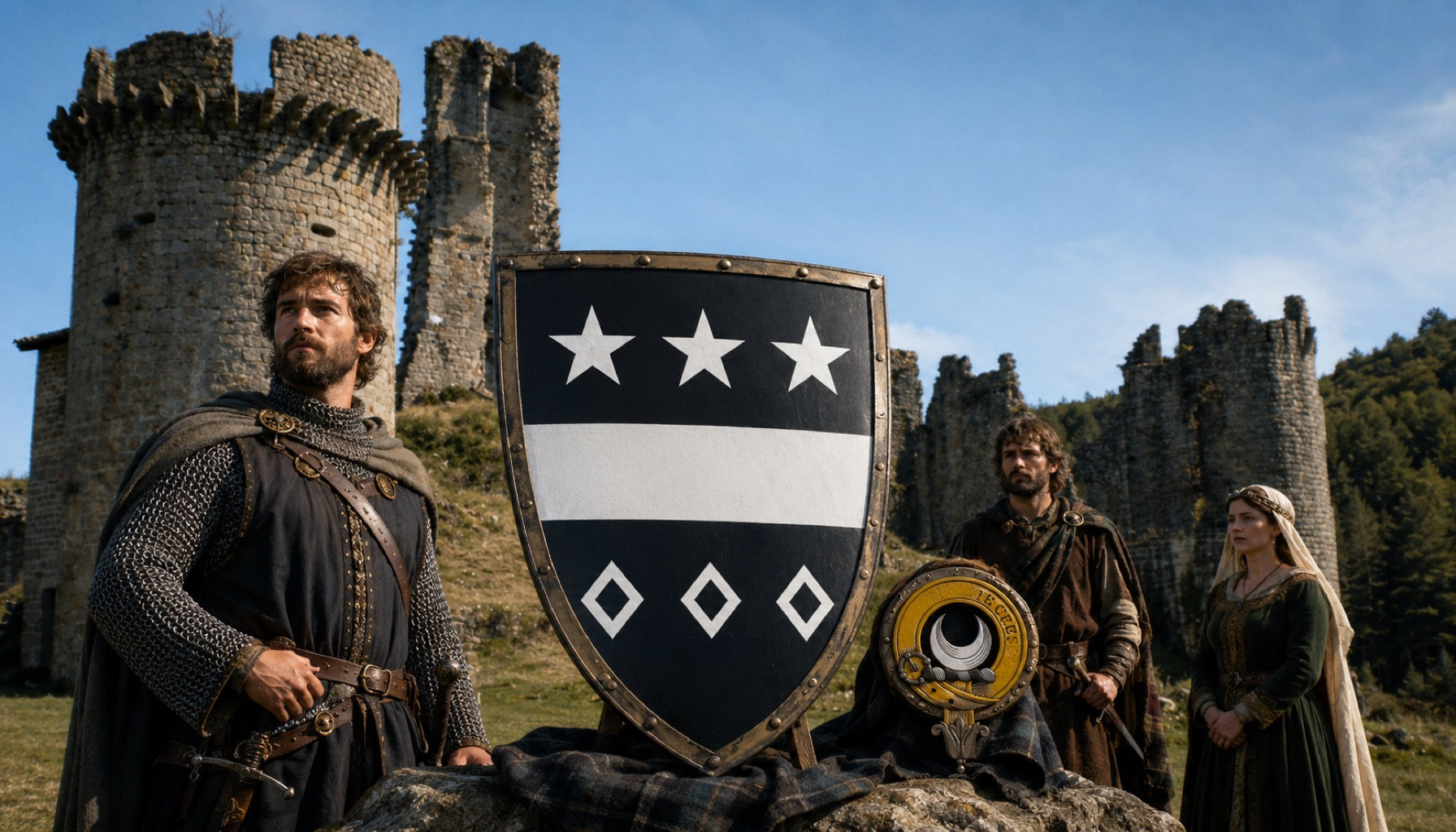
Haplogroups and Noble Lines Clan Gilmore Clan Gilmore Background Clan Gilmore was a Scottish and Irish family tradition shaped by Gaelic Christian naming, regional belonging, and a remarkably persistent surname identity. The name is commonly linked to forms meaning servant or devotee of Mary, placing it firmly within the devotional naming world of the western British By Caterina • 3 min read
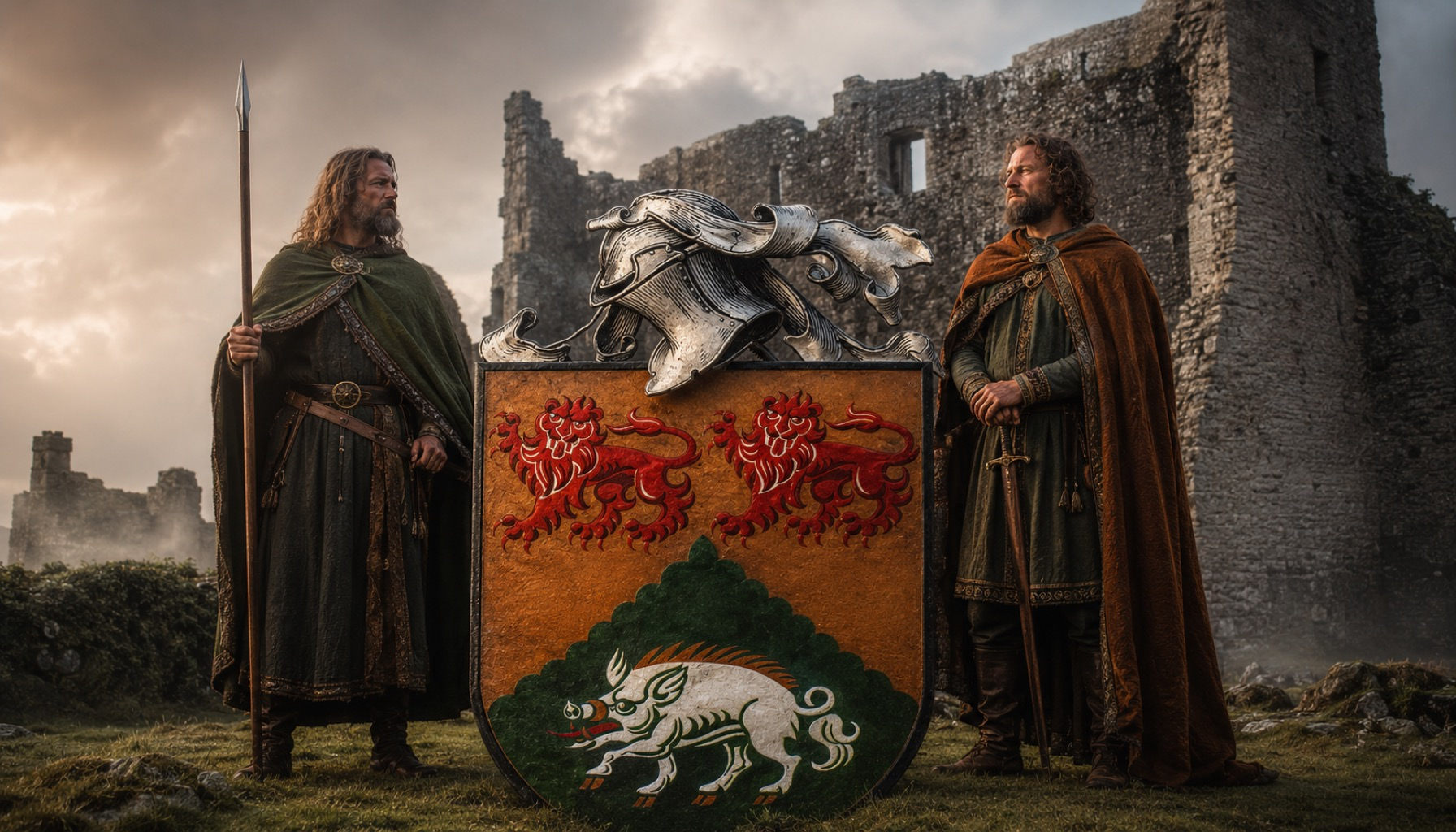
Haplogroups and Noble Lines Clan Fitzgerald Clan Fitzgerald Clan Fitzgerald was one of the great Norman-Irish noble families: a dynasty of lords, earls, soldiers, courtiers, rebels, and patrons whose power ran across medieval Ireland, especially through Kildare and Desmond. Their deeper family story begins not in Ireland itself but in the Norman-Welsh world of the 11th By Caterina • 3 min read
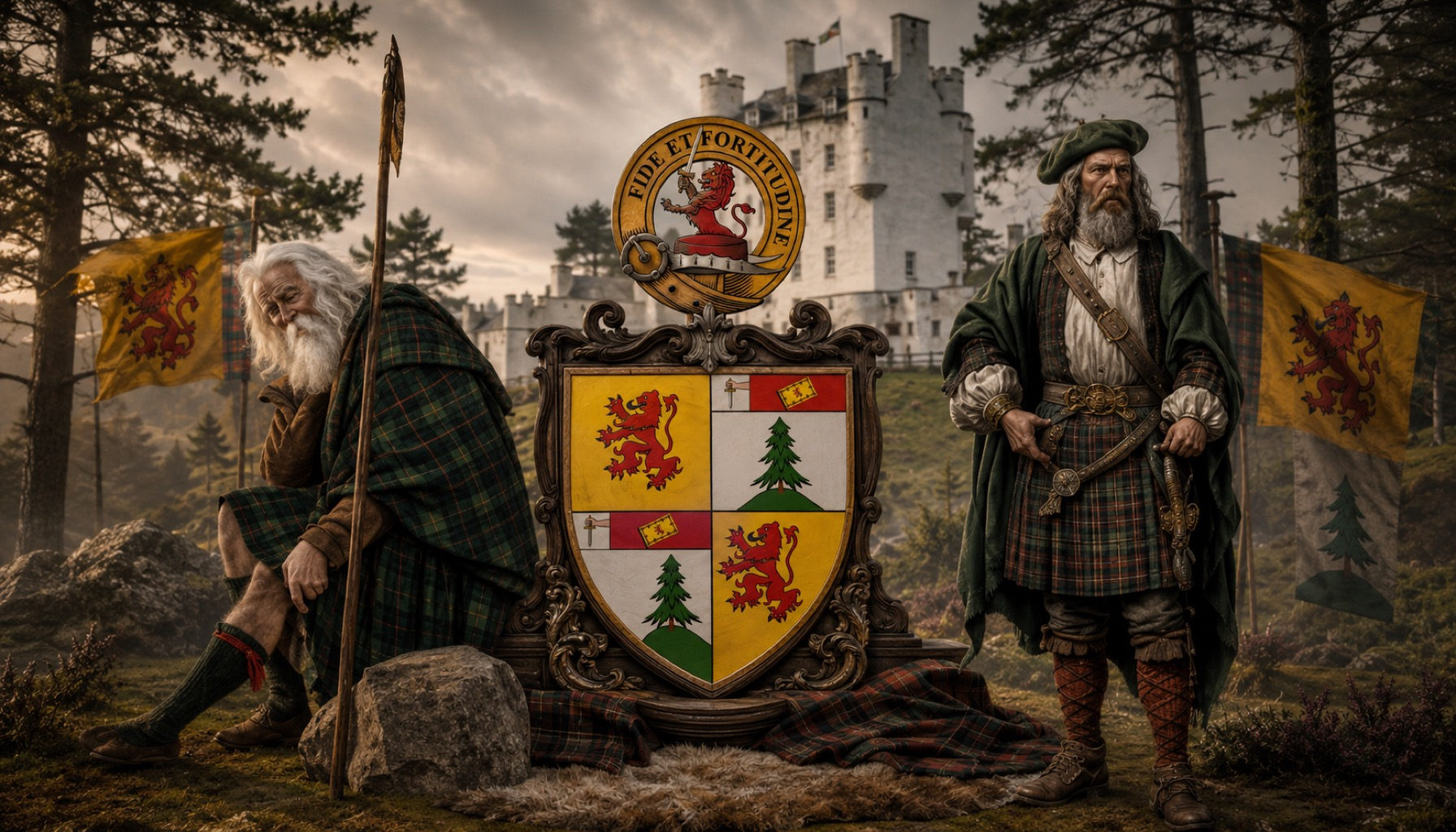
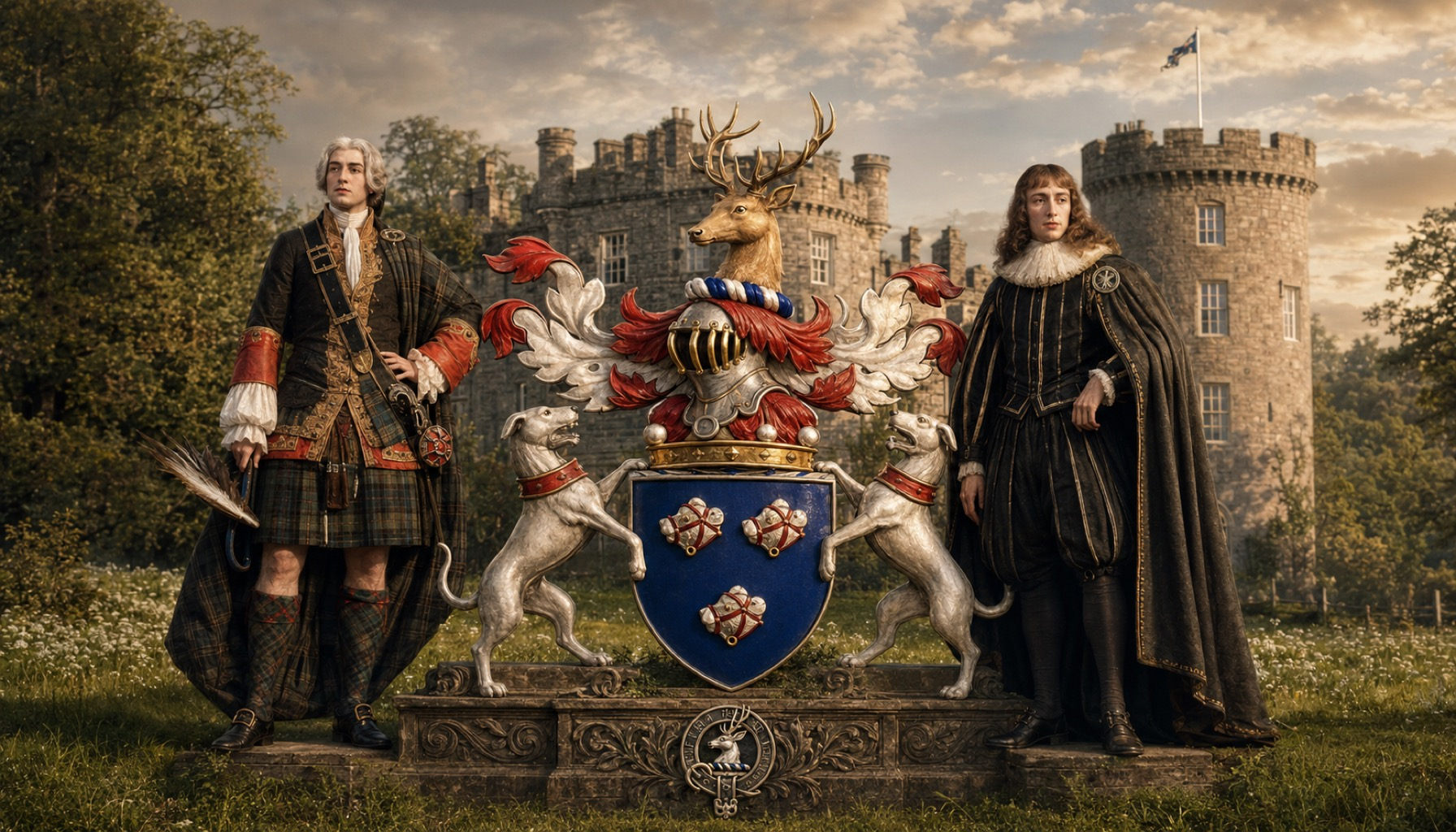
Haplogroups and Noble Lines Clan Farquharson Clan Farquharson Who they were and where they came from Clan Farquharson was a Highland Scottish clan rooted above all in Aberdeenshire, Braemar, and the eastern Highlands, a family shaped by Gaelic kinship, territorial loyalty, and the hard politics of Highland survival. Their story belongs to that classic Highland pattern By Caterina • 3 min read
Haplogroups and Noble Lines Clan Smith Clan Smith Background Clan Smith was, above all, a family tradition of work. The name comes from the smith's trade, one of the indispensable occupations of the British Isles, and it spread widely across Scotland, England, and beyond because every community needed skilled hands at the forge. A By Caterina • 3 min read
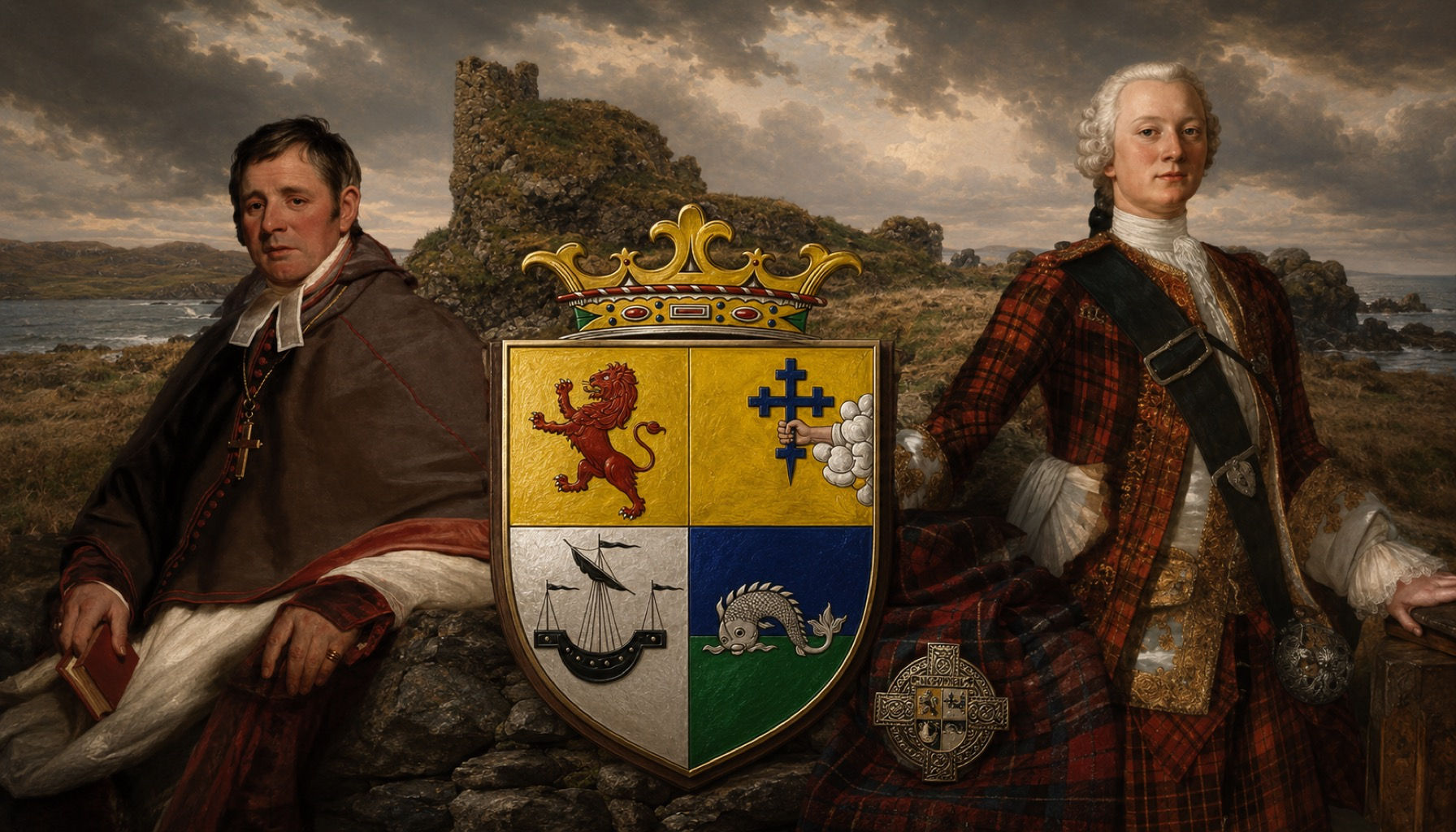
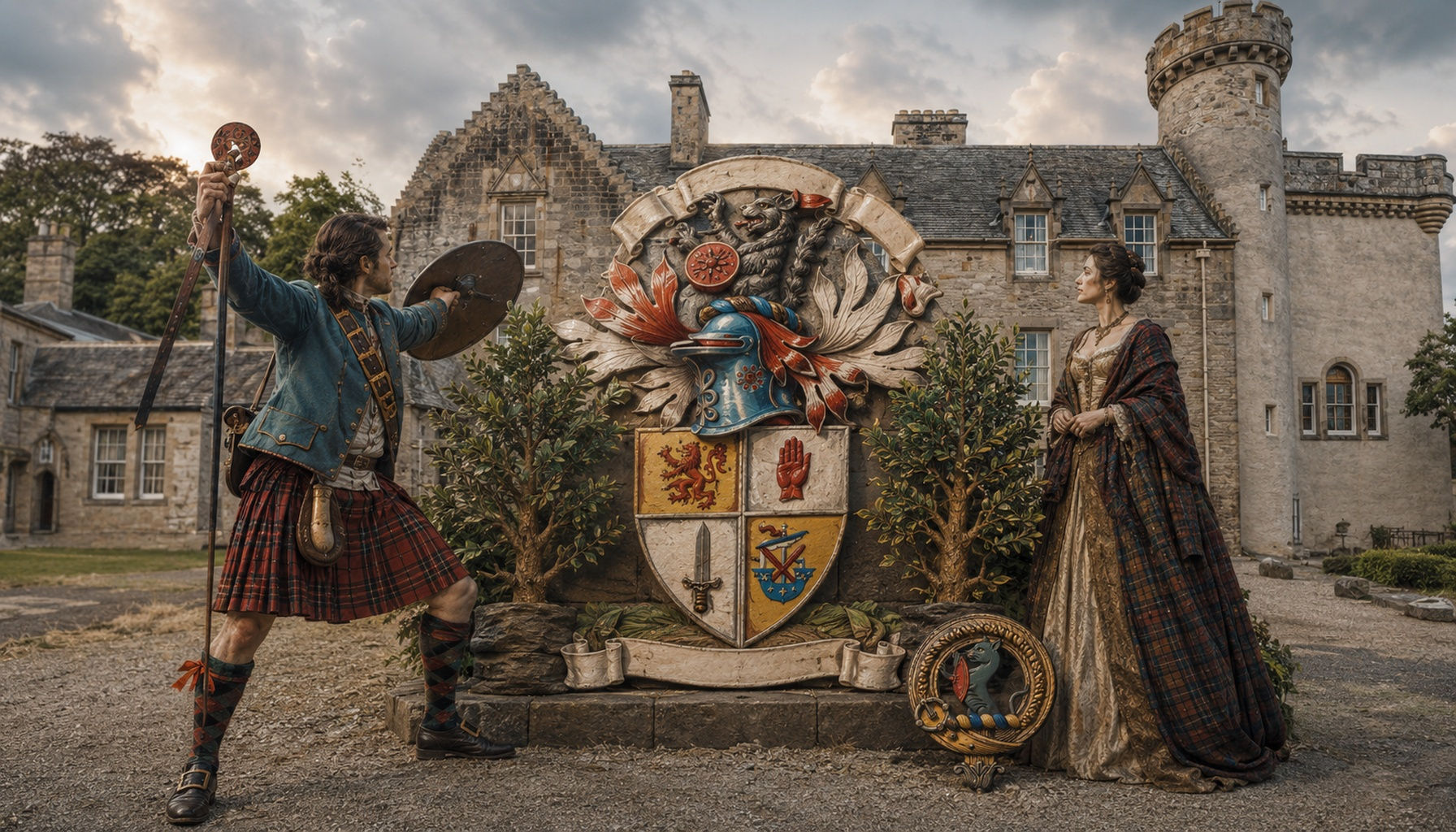
Haplogroups and Noble Lines Clan McDonnell Clan McDonnell Gaelic sea lords of the North Channel Clan McDonnell was one of the great Gaelic kindreds of the North Channel world, rooted in the wider Clan Donald tradition and active across western Scotland, the Hebrides, and Antrim in Ireland. They were not simply a land-based family in tartan By Caterina • 2 min read
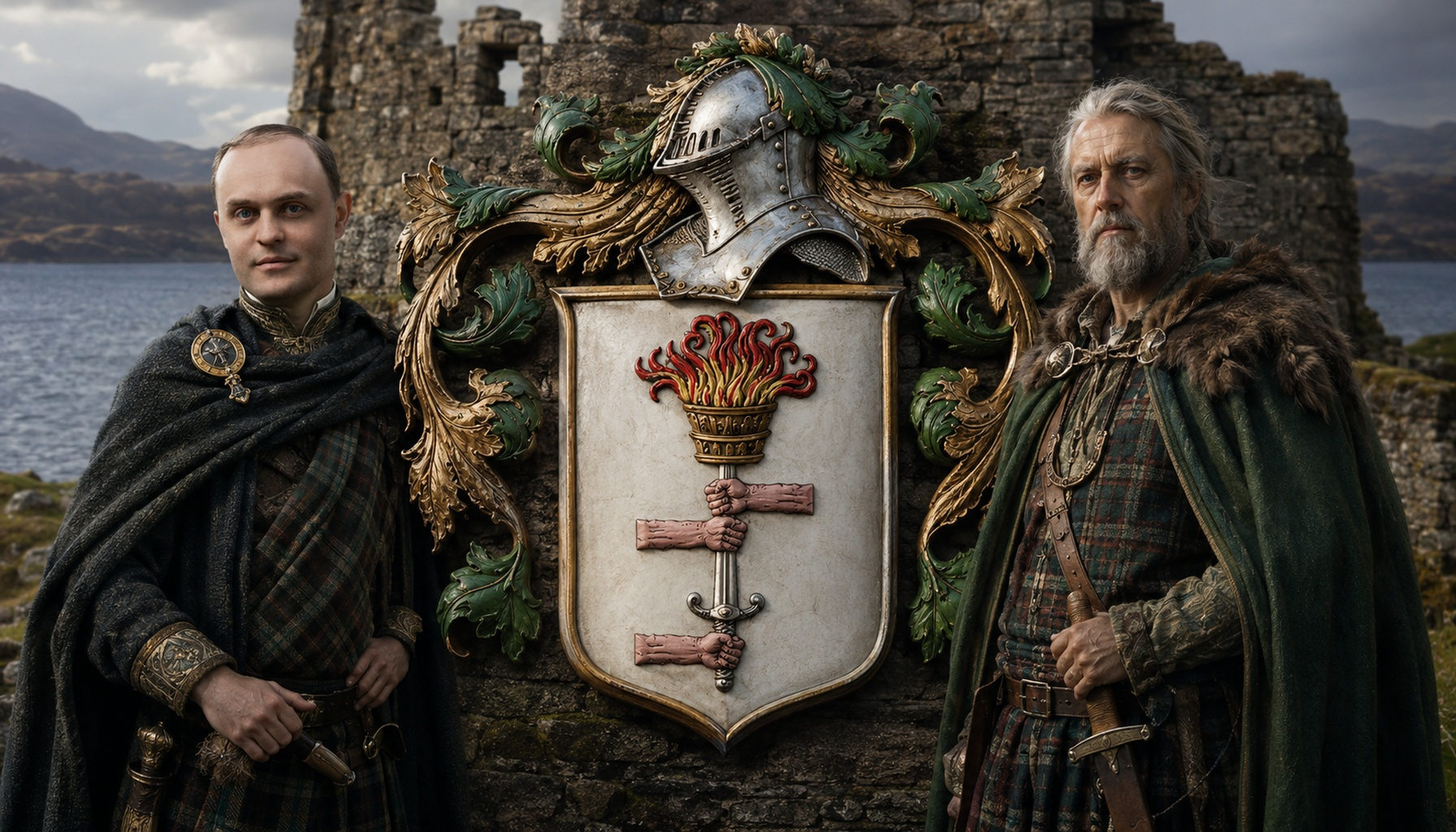
Haplogroups and Noble Lines Clan McKerrel Background Clan McKerrel was a Scottish family tradition rather than one of the great headline-grabbing chiefly dynasties, and that is precisely what makes it so interesting. Families like the McKerrels belong to the deep grain of Scottish history: Gaelic-rooted in identity, shaped by kinship, local loyalties, service, landholding, and the By Caterina • 2 min read
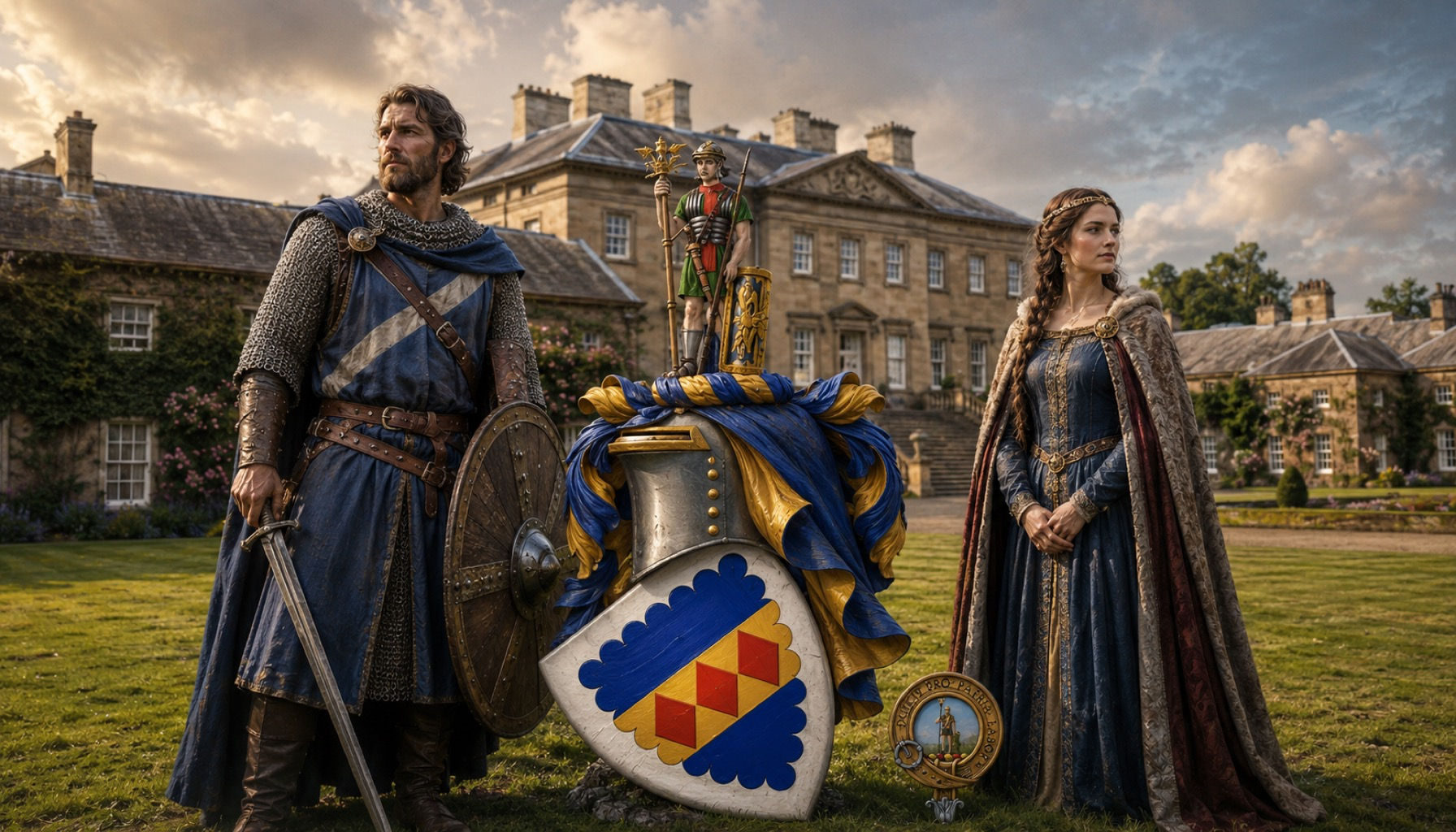
Haplogroups and Noble Lines Clan Forbes Clan Forbes Background Clan Forbes was one of the great landed families of northeastern Scotland, rooted above all in Aberdeenshire and closely tied to the political life of that region for centuries. Their story is not simply one of a surname surviving the ages, but of a powerful Scottish clan By Caterina • 3 min read
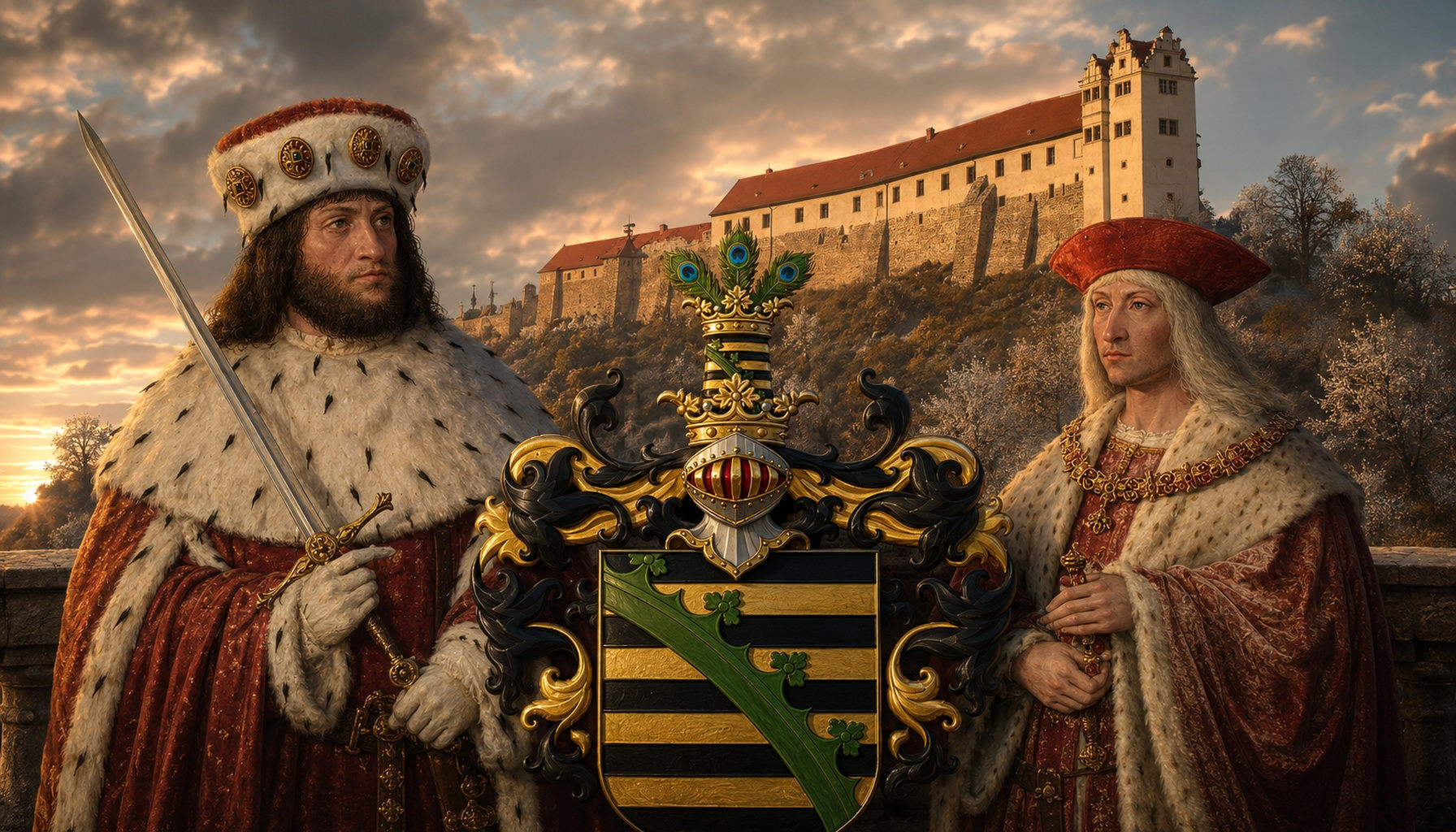
Haplogroups and Noble Lines The Royal House of Wettin Who were the House of Wettin? The House of Wettin was one of the great ruling dynasties of Germany, rooted above all in Saxony and carried forward through a long, almost stubborn continuity of lordship, marriage, inheritance, and political survival. Their primary family haplogroup is linked here as R1b1a1b1a1a1c1a1, a By Caterina • 3 min read
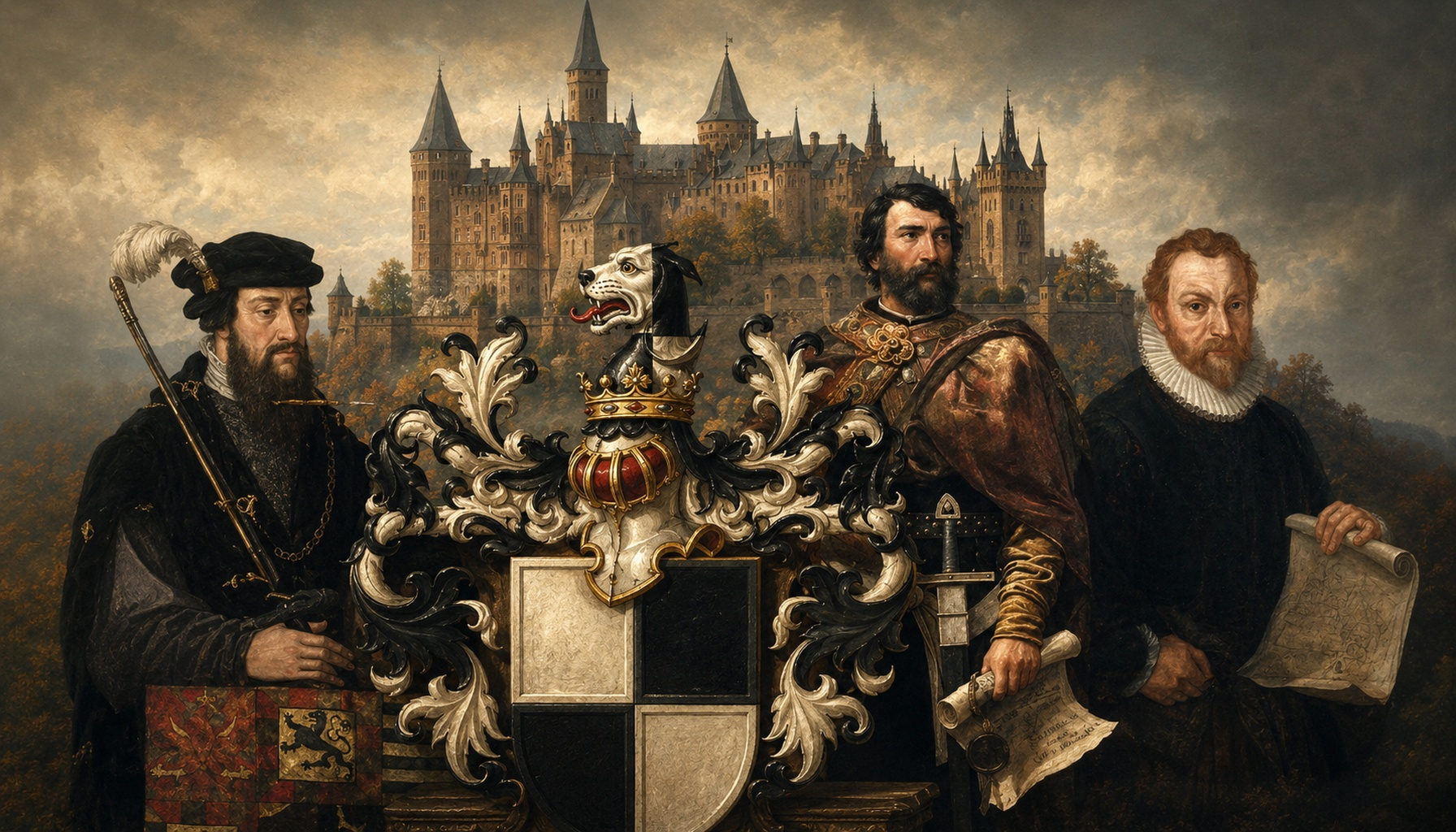
Haplogroups and Noble Lines The Royal House of Hohenzollern Royal House of Hohenzollern The House of Hohenzollern was one of the great ruling dynasties of German history, a family that began in the noble world of southwestern Germany and rose, over centuries, into the political heart of Brandenburg, Prussia, and finally the German Empire. In haplogroup terms, the primary By Caterina • 3 min read
Haplogroups and Noble Lines Clan MacBean Clan MacBean Highland origins and haplogroup Clan MacBean was a Highland Scottish family rooted in Inverness-shire, shaped by Gaelic kinship, local power, and the hard practical business of survival in the central Highlands. As part of the wider Clan Chattan confederation, the MacBeans belonged to that very Highland pattern in By Caterina • 3 min read
Haplogroups and Noble Lines Clan Le Poer Clan Le Poer Background Clan Le Poer was one of the great Norman-Irish noble families of medieval Ireland, rooted especially in County Waterford, and remembered today as much through the later surname Power as through the older French form. In broad historical terms, they belong to that very recognisable conquest-era By Caterina • 3 min read
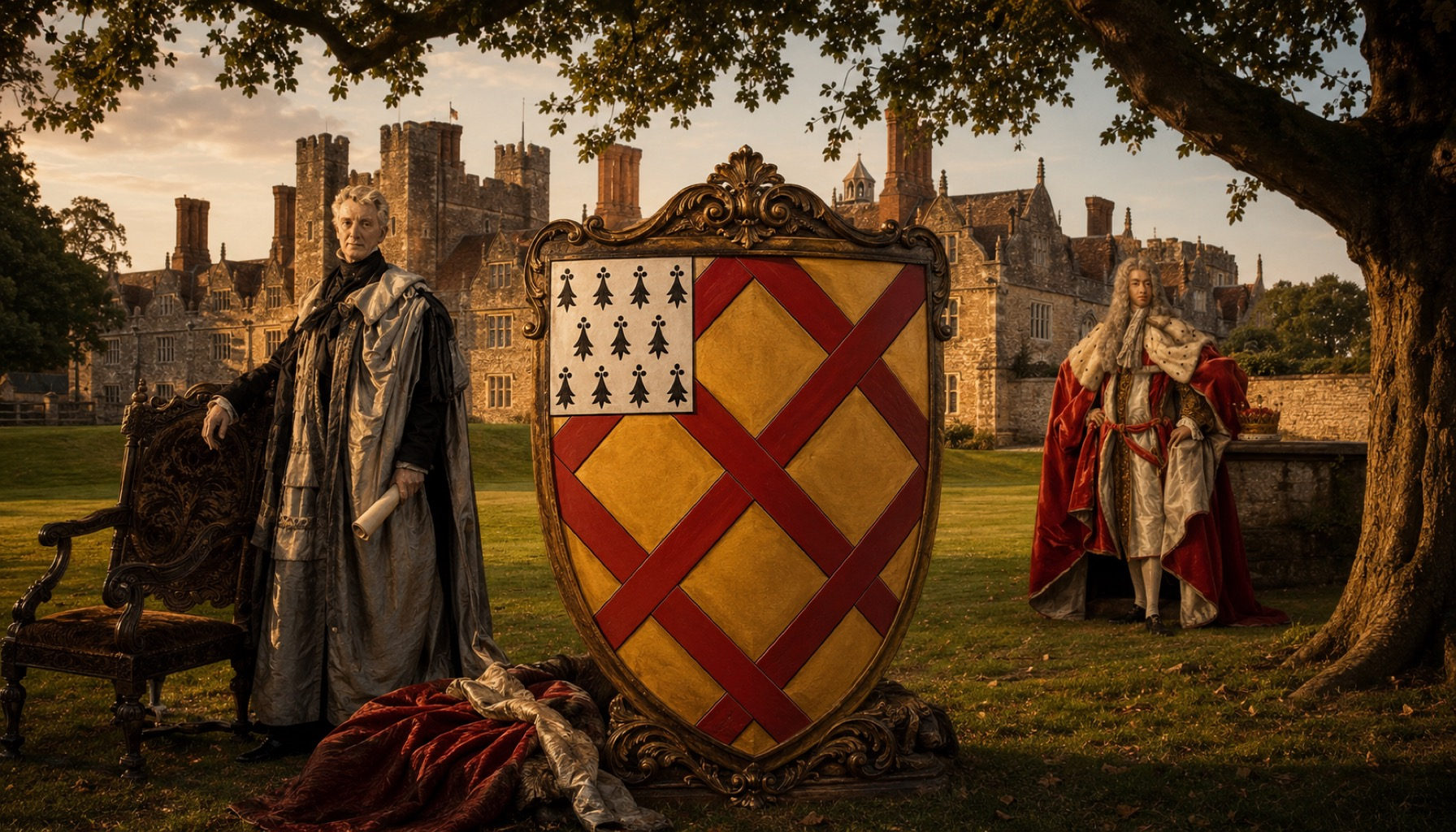
Haplogroups and Noble Lines The Noble House of Noel Who were the Noel family? The Noel family was an English noble and landed house whose standing rested on a very recognisable pattern in English history: land, office, marriage, heraldry, parliamentary service, and the steady preservation of family name across generations. In that world, reputation was never just about old By Caterina • 3 min read
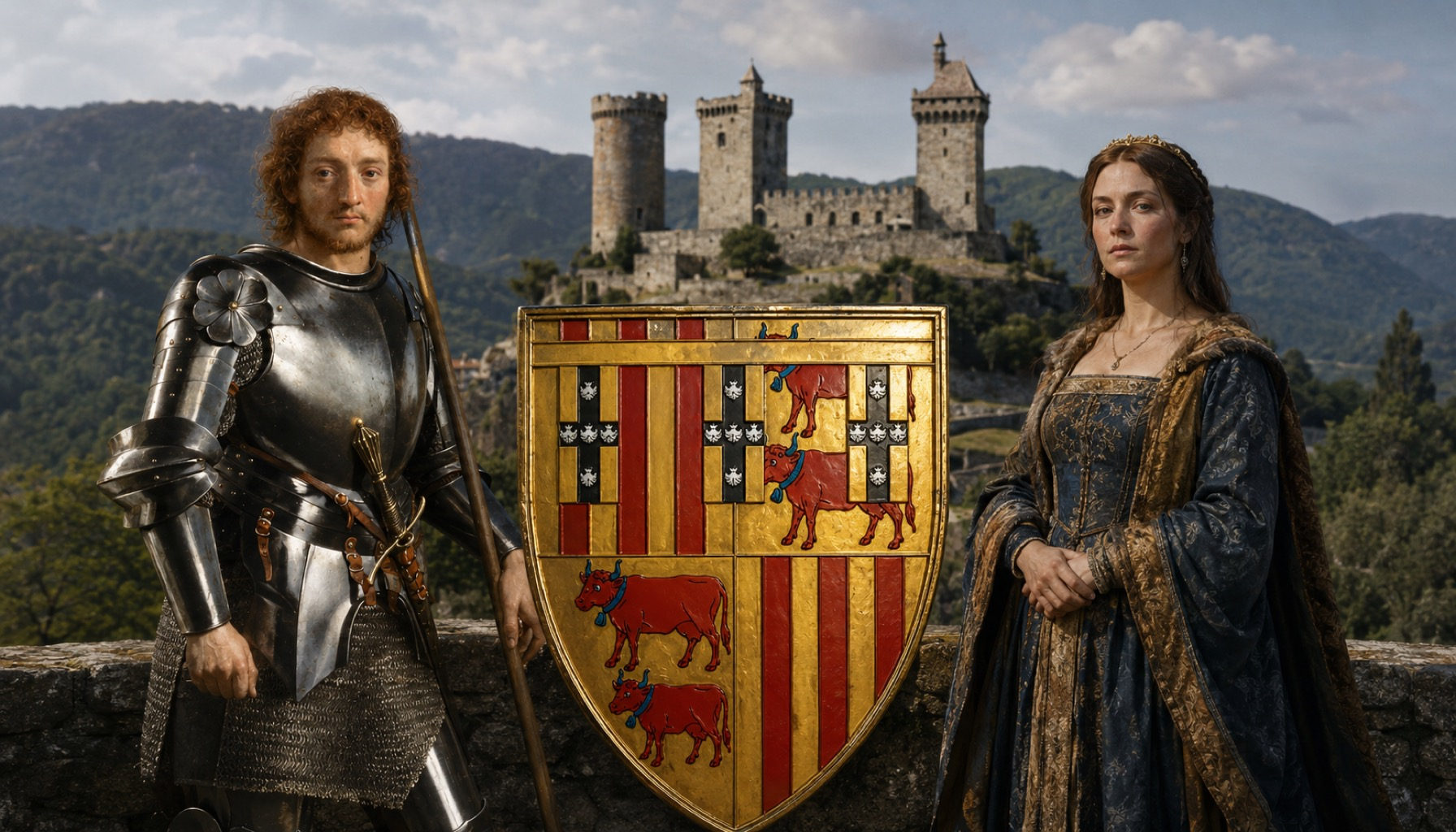
Haplogroups and Noble Lines The Noble House of Gaston Haplogroup R1b1a1b1a1a2c1a4a Background The Gaston family belongs to the long French tradition of noble and regional houses whose identity grew out of land, duty, and remembered ancestry. In that world, a family was not just a surname on parchment. It was a local power, a network of loyalties, a history By Caterina • 3 min read
Haplogroups and Noble Lines Clan Leask Clan Leask Background Clan Leask was one of the old landed families of northeastern Scotland, rooted above all in Aberdeenshire and remembered through estate, chiefship, heraldry, and long local service. In that very Scottish way, the family was not simply a surname drifting through time, but a territorial house tied By Caterina • 2 min read
Haplogroups and Noble Lines Clan Lamont Clan Lamont Background Clan Lamont was one of the old Gaelic kindreds of western Scotland, rooted above all in Cowal in Argyll, where sea, mountain, and kinship shaped power as much as any royal charter did. This was a Highland clan in the fullest sense: a community held together by By Caterina • 3 min read
Haplogroups and Noble Lines Clan Magennis Clan Magennis Background Clan Magennis, or Mag Aonghusa, was one of the great Gaelic families of Ulster, rooted above all in Iveagh in what is now County Down. They were not simply a surname but a ruling kindred: a lordship with land, followers, fighting men, client families, and the authority By Caterina • 3 min read
Haplogroups and Noble Lines Clan Mac Lochlainn Clan Mac Lochlainn Ulster royal kin, memory, and haplogroup links Clan Mac Lochlainn was one of the great Gaelic ruling kindreds of northern Ireland, rooted in Ulster and especially associated with the old power-world of Inishowen and the wider north-west. In the medieval Irish pattern, a clan like this was By Caterina • 3 min read
Haplogroups and Noble Lines Clan MacKintosh Clan MacKintosh Background Clan MacKintosh was one of the great Highland kindreds of Scotland, rooted above all in Inverness-shire and bound up with the long, complicated leadership of the Clan Chattan confederation. In historical terms, the MacKintoshes belong to that classic Highland pattern: a Gaelic-origin lineage that grew through chiefship, By Caterina • 3 min read
Haplogroups and Noble Lines Clan Mac Gobhann Clan Mac Gobhann Who the family was Clan Mac Gobhann was a Gaelic family tradition rooted in both Ireland and Scotland, with a name that tells you exactly where it began: Mac Gobhann means "son of the smith." That matters, because in older Gaelic communities the smith was By Caterina • 3 min read
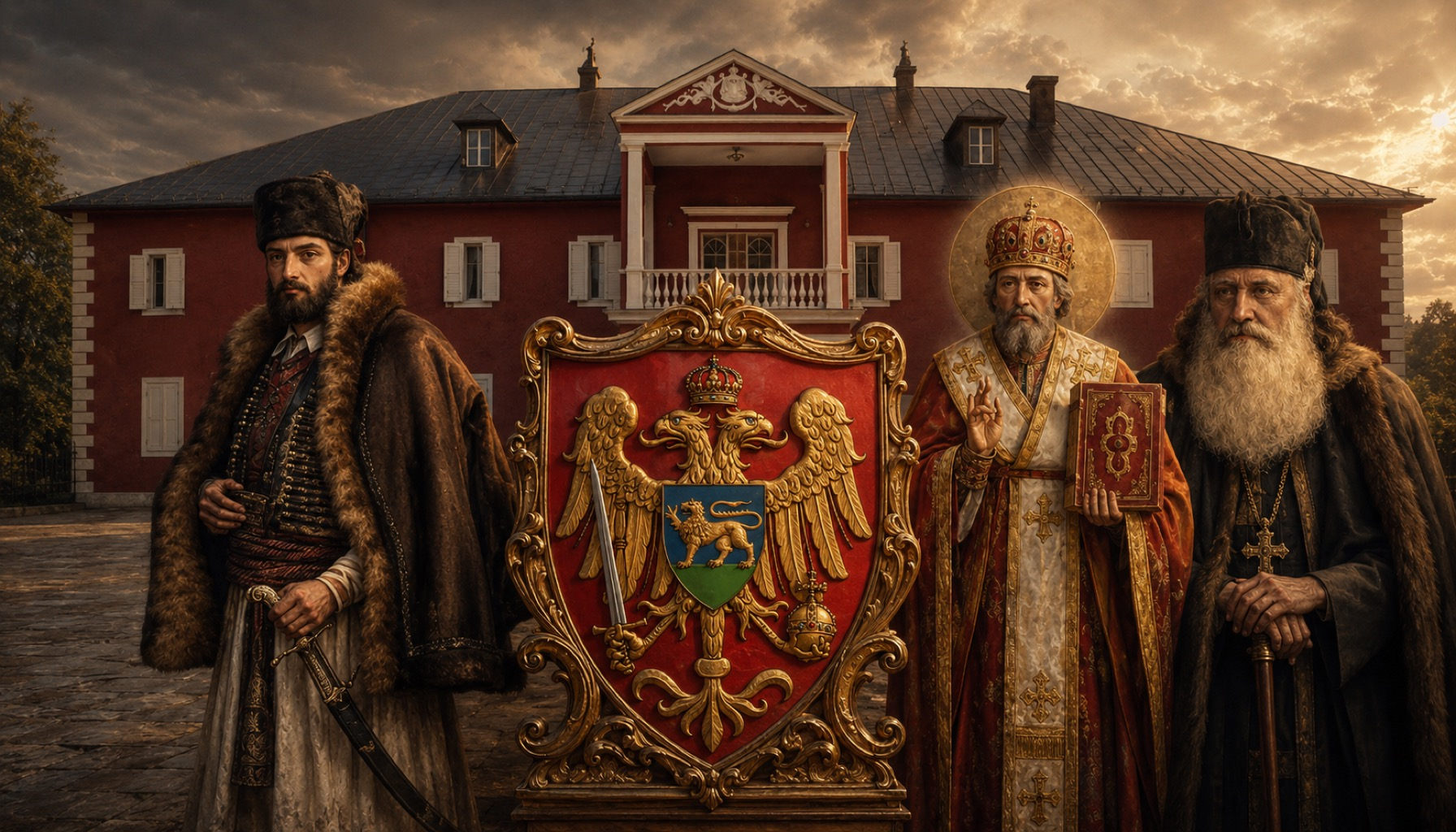
Haplogroups and Noble Lines The Royal House of Petrovic-Njegos Haplogroup E1b1b1a1b1a6a1 Who were the Petrovic-Njegos? The House of Petrovic-Njegos was the ruling royal and princely dynasty of Montenegro, rooted above all in Cetinje and tied to the Orthodox leadership that helped shape the country itself. Their story begins in the rugged mountain world of Old Montenegro, where political authority, By Caterina • 3 min read
Haplogroups and Noble Lines Clan Mac Donnchada Clan Mac Donnchada Clan Mac Donnchada was a Gaelic Irish lineage shaped by remembered descent, regional authority, and the stubborn continuity of surname and family memory. The name simply means "son of Donnchadh," but there is nothing small about that kind of naming. In the Gaelic world, a By Caterina • 3 min read
Haplogroups and Noble Lines Clan Mac Bradaigh Clan Mac Bradaigh Background Clan Mac Bradaigh was a Gaelic Irish family of Ulster, rooted in the older Irish world where kinship, territory, memory, and language mattered just as much as politics. The surname, later commonly rendered as Brady, belongs to that deeply Irish naming tradition in which a family By Caterina • 2 min read