Clan McKerrel

– 2 min read


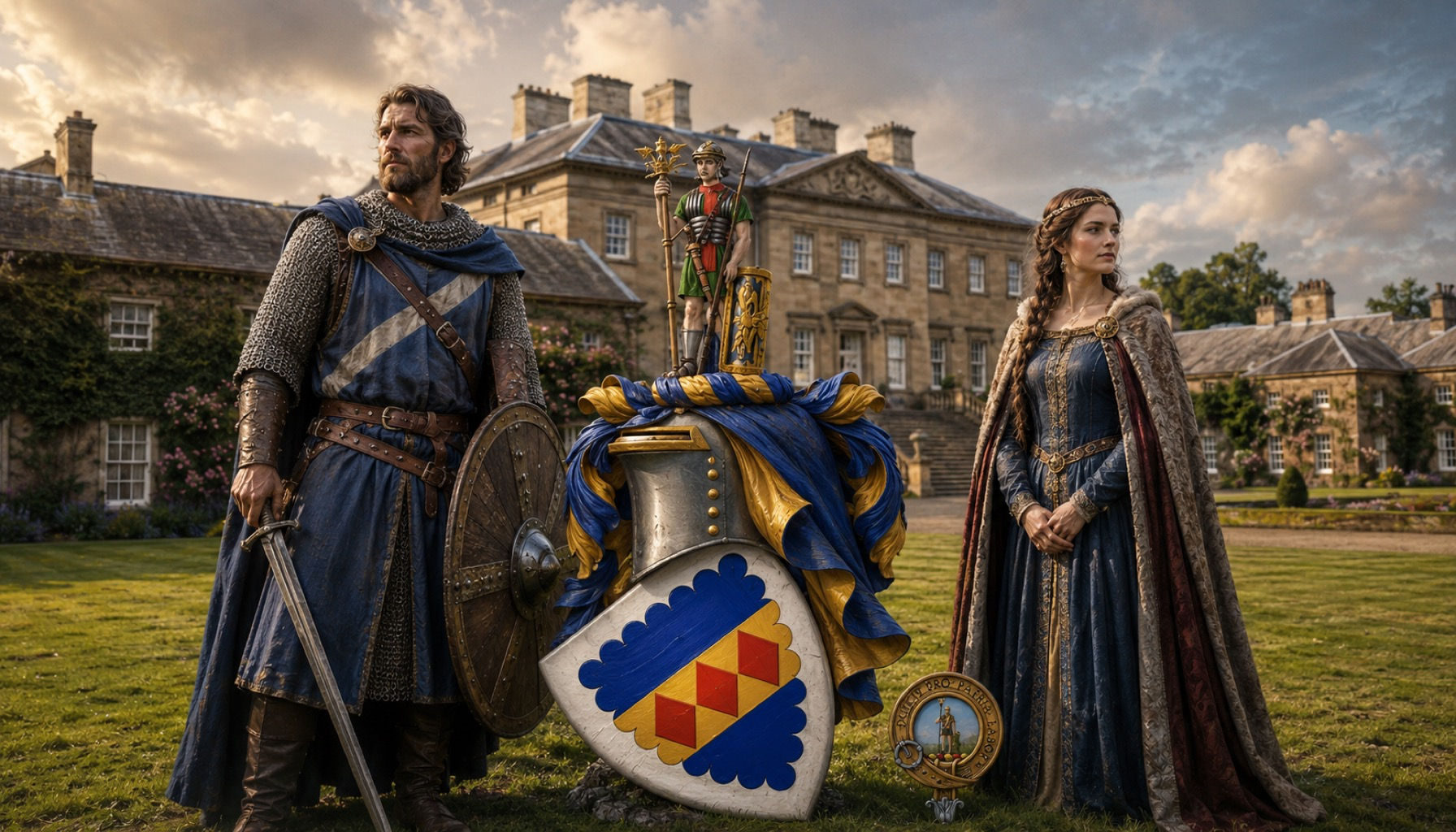
Clan McKerrel was a Scottish family tradition rather than one of the great headline-grabbing chiefly dynasties, and that is precisely what makes it so interesting. Families like the McKerrels belong to the deep grain of Scottish history: Gaelic-rooted in identity, shaped by kinship, local loyalties, service, landholding, and the stubborn continuity of surname across centuries. Their heritage is best understood not in terms of royal rank, but in the older Scottish pattern of belonging to a place, a community, and a remembered line. In DNA terms, the primary family haplogroup linked here is R1b1a1b1a1a2c1a4b2c1a, a branch within the wider R1b story so common across western Europe and very much at home in the historical landscapes of Britain and Ireland.
The name appears in variant spellings, as so many Scottish surnames do before spelling was pinned down by clerks and habit. That matters, because medieval record-keepers were not trying to help modern genealogists. Among the known early figures are Sir John Mckirel in 1388 and John Mckerrell, 1st Laird of Hillhouse, in 1490. Those scattered references tell us something important: the family was established enough to be recorded, tied to land and local standing, yet still part of that broad and very Scottish world in which identity rested on service, locality, and remembered descent rather than theatrical claims to princely grandeur. The McKerrel story likely grew out of the southwest Scottish sphere, where Gaelic, Scots, lordship, agriculture, and regional politics met and mixed over generations.
Hillhouse is the family location anchor most closely associated with the McKerrel name, and it gives the story a proper footing in the landscape. The grounds at Hillhouse are part of that very Scottish marriage of house, estate, and managed countryside: garden space, mature trees, pathways, and a designed setting that was never just decorative, but a statement of continuity, order, and family presence. Estates like this were practical as well as symbolic. They connected a surname to a visible patch of earth, to local tenants and neighbours, and to the rhythms of improvement, planting, enclosure, and household life. In other words, Hillhouse was not simply where the family lived; it was how the family made itself legible in the world. And yes, the grounds can still be visited, which is always a pleasure, because it means the McKerrel story is not trapped in parchment. It remains, at least in part, something you can walk through.
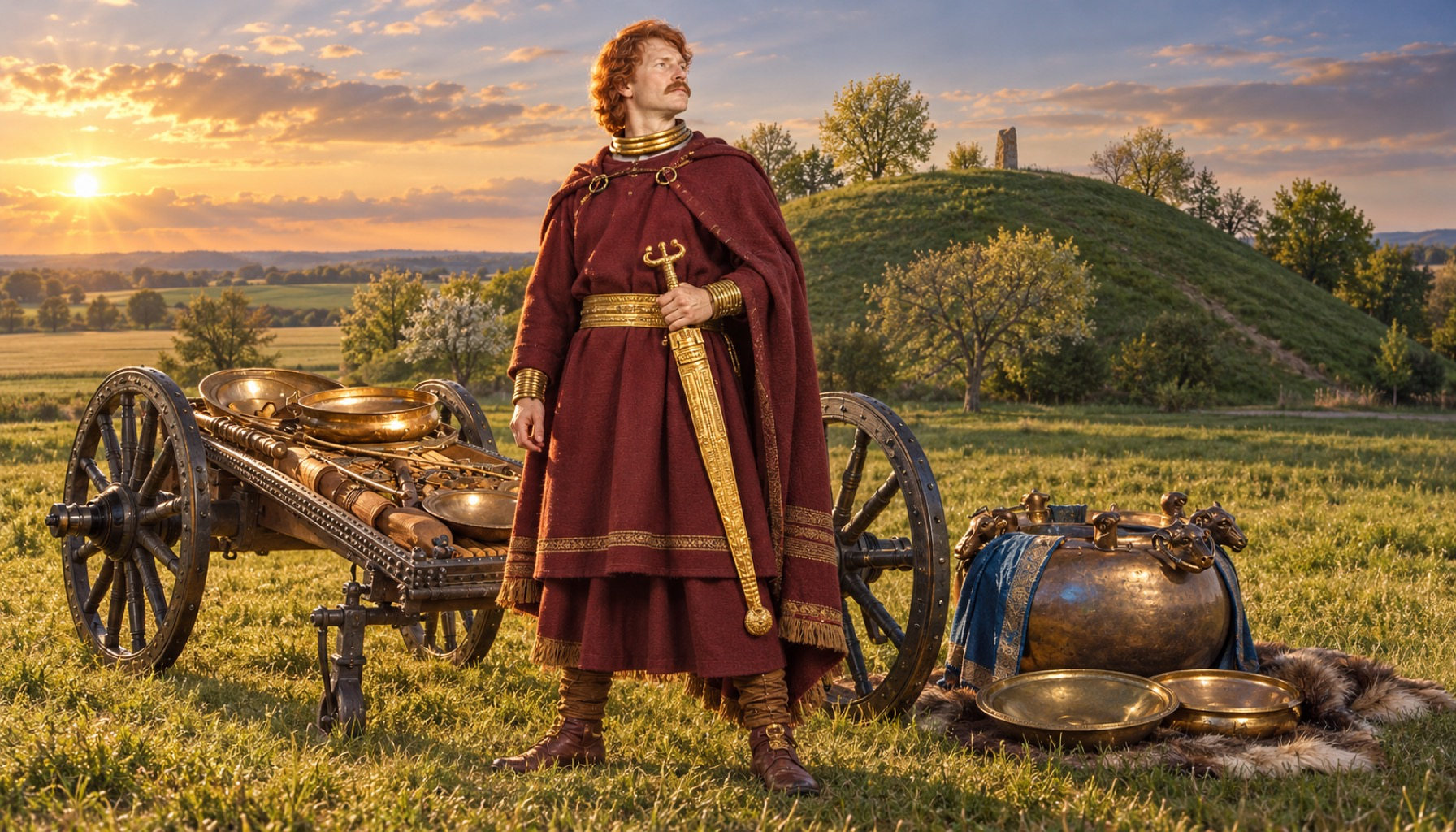
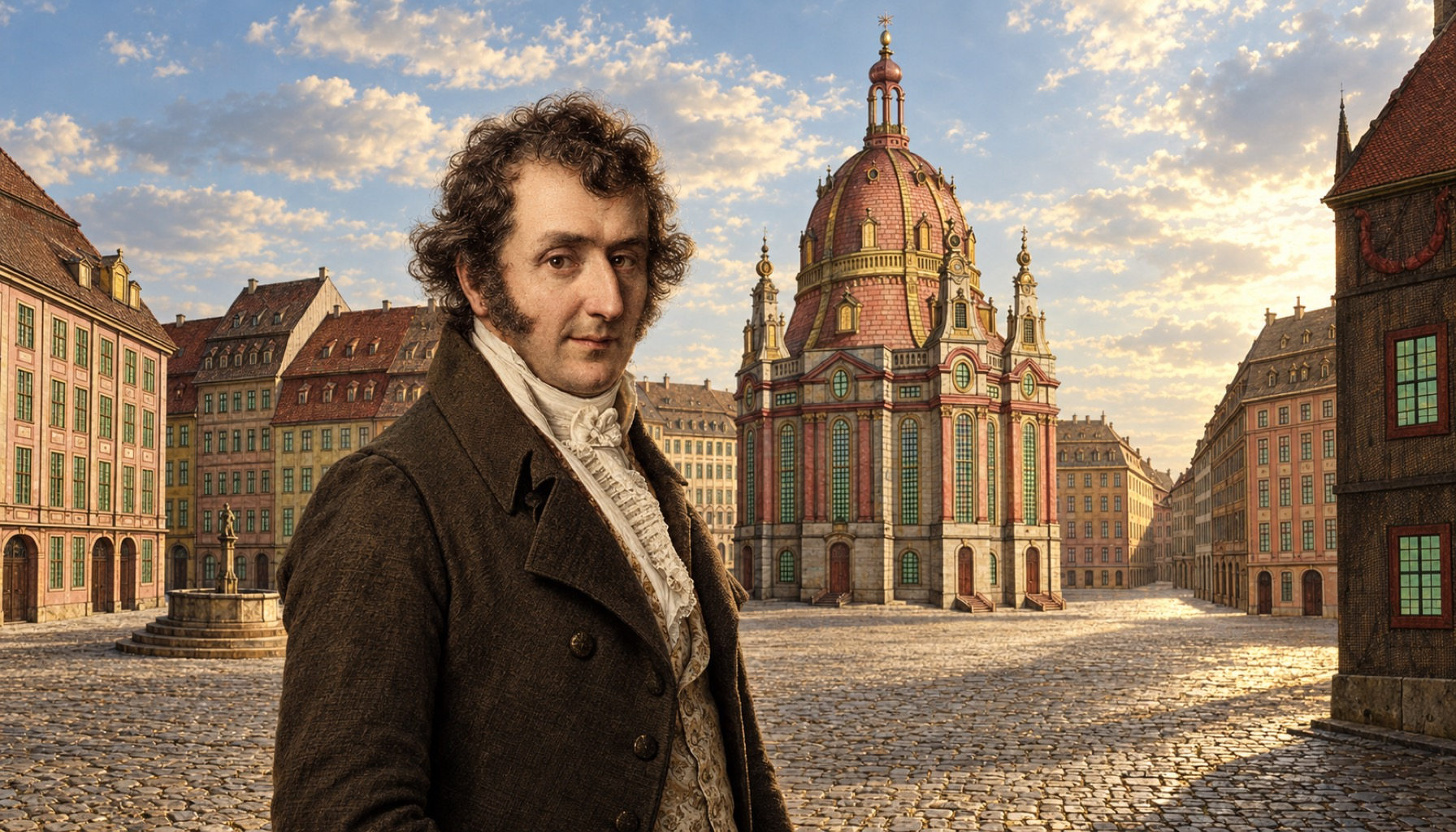
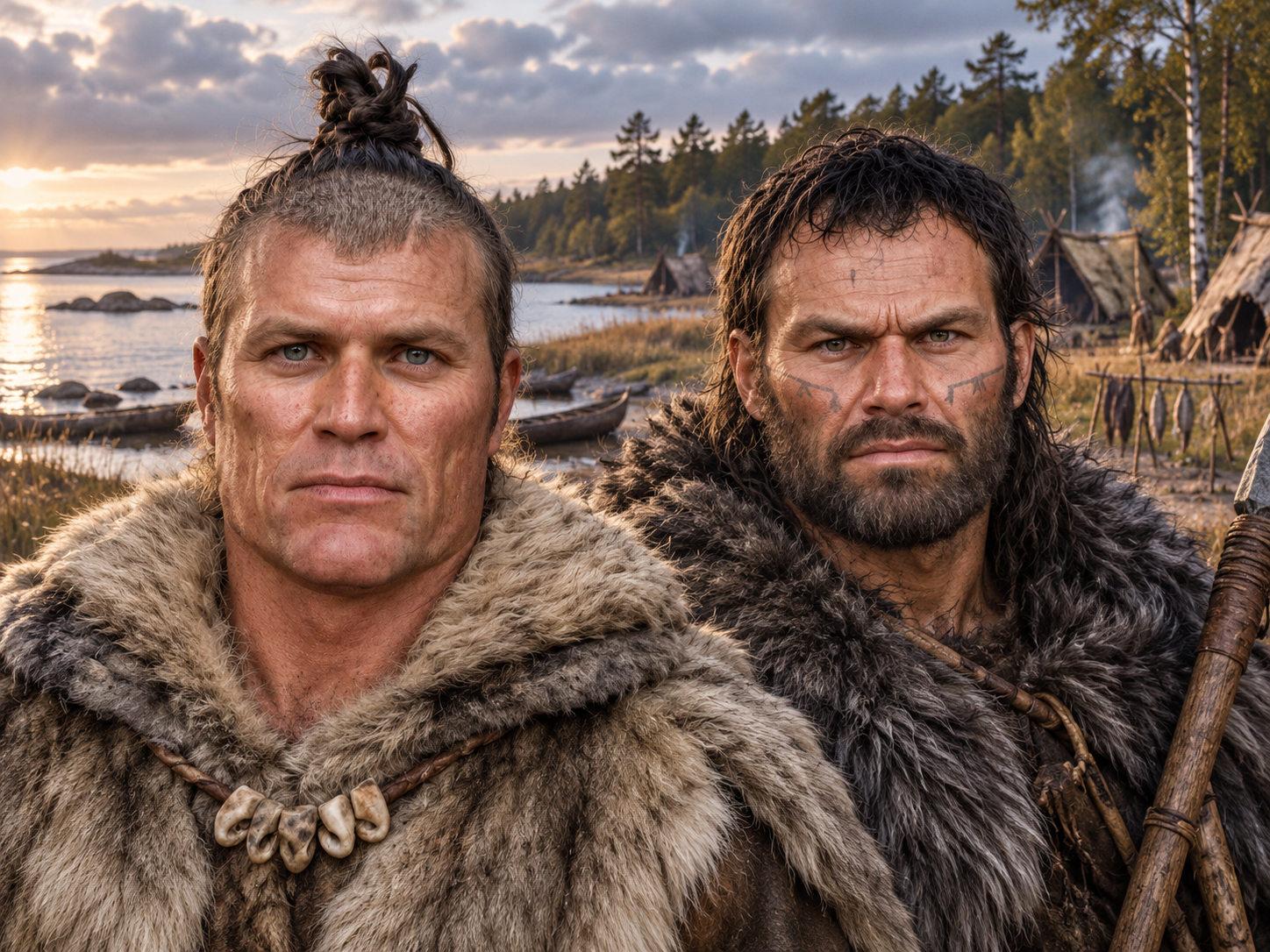
From the ancient DNA side, the haplogroup R1b1a1b1a1a2c1a4b2c1a links the McKerrel family story into a much wider map of western European paternal history. Related or linked ancient samples include Late Medieval England at Clopton, Cambridgeshire (ATP_PSN_1268), the Bronze Age Tollense Valley battlefield in Mecklenburg-Vorpommern, Germany (WEZ59), Medieval Ireland at Kilteasheen, Roscommon, Bishops Seat (KIL020), the Belgic tribal hillfort of Danebury in Hampshire (I17264), and Bronze Age Trumpington in England (I7640). These are not claims of direct descent from named individuals, and it is important not to pretend otherwise. But they do show the kind of deep-time paternal network into which a Scottish surname-clan such as McKerrel can be placed: one reaching across Britain, Ireland, and continental northwestern Europe through war bands, farming communities, medieval settlements, and long-settled regional populations.
Read more about Clan Mackenzie
If you carry the McKerrel name, have McKerrel ancestors in your tree, or simply suspect a connection to this Scottish surname tradition, uploading your DNA can add an entirely new layer to the paper trail. It is a chance to see whether your results align with the McKerrel family profile or with related ancient DNA samples from medieval Britain, Ireland, and deeper Bronze Age Europe.

Comments