Clan Mac Lochlainn
– 3 min read


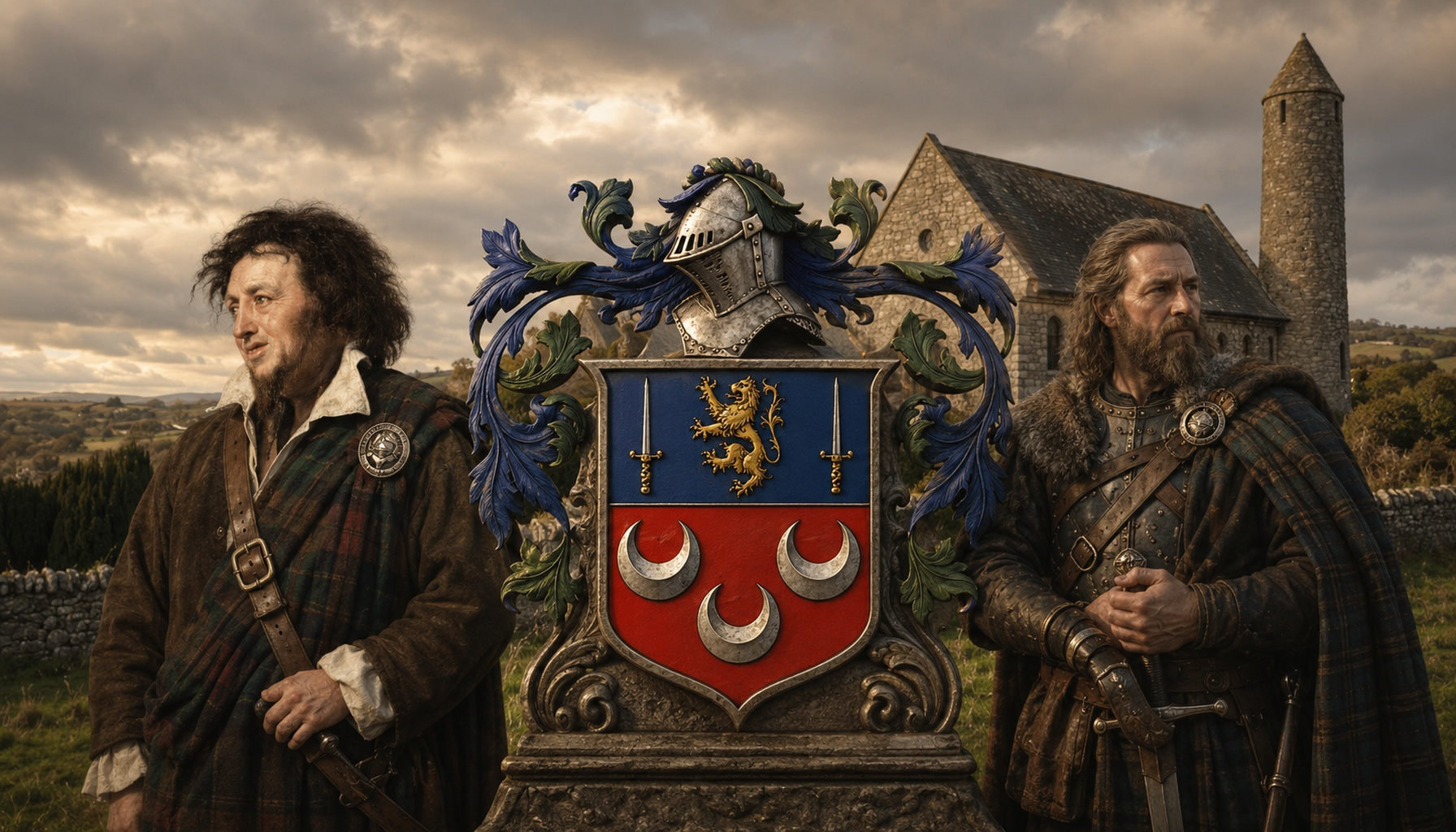
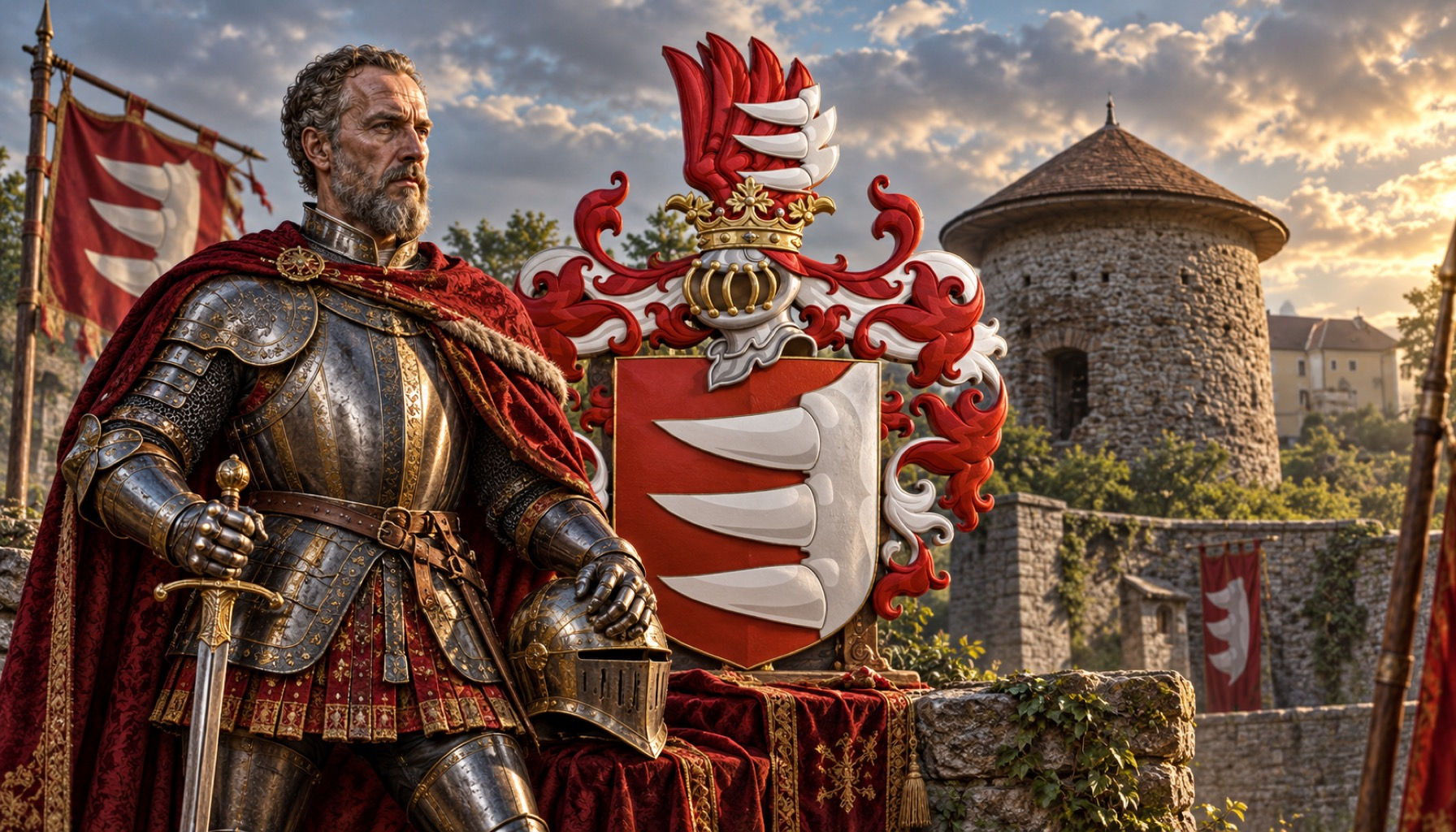
Clan Mac Lochlainn was one of the great Gaelic ruling kindreds of northern Ireland, rooted in Ulster and especially associated with the old power-world of Inishowen and the wider north-west. In the medieval Irish pattern, a clan like this was not just a surname group but a political machine built from kinship, landholding, alliances, fighting power, and the careful preservation of descent. The name Mac Lochlainn is tied to royal traditions and to the northern lordship order in which status came from ancestry as much as from the sword. In DNA tagging terms, the primary family haplogroup linked here is R1b1a1b1a1a2c1a1a1a1a1a1a1a1a2a.
What makes the Mac Lochlainn story so compelling is that it captures the wider Gaelic Ulster royal-clan pattern in miniature: regional sovereignty, bardic genealogy, remembered forefathers, and resilience through political upheaval. Even when conquest, anglicization, and migration altered the old world, the family memory endured. Among the best-known figures is Muirchertach Mac Lochlainn, who died in 1166, a major ruler whose career shows just how high this dynasty could reach in the last great age before the Anglo-Norman transformation of Ireland. Like many Irish kindreds, the Mac Lochlainn name carries both the grandeur of kingship tradition and the stubborn continuity of local identity.
A useful place to anchor this heritage in the landscape is Saul Monastery in County Down, one of the most resonant early Christian sites in Ireland. Tradition holds that Saint Patrick founded his first church there after landing nearby in the 5th century, and the place remained important as a religious focus over the centuries. The name Saul comes from Sabhall, meaning barn, recalling the site supposedly given to Patrick by the local ruler Dichu. What matters here is not just pious legend, but the way such places stitched together kingship, church patronage, territorial identity, and dynastic memory across Ulster. Medieval Irish power was never only about fortresses and cattle-raids; it also lived in monasteries, saints' cults, burial places, and landscapes people kept returning to. Saul remains a visitable heritage site today, with a church and monument marking its long association with Ireland's earliest Christian story, so it can still be reasonably included on a modern journey through the historical world that shaped northern Gaelic families.
From an ancient-DNA perspective, the Mac Lochlainn story sits comfortably within a wider north and west Irish genetic landscape rather than a single proven line of descent. The haplogroup tag R1b1a1b1a1a2c1a1a1a1a1a1a1a1a2a is linked with a number of related medieval Irish samples, especially from Ballyhanna, County Donegal, including individuals such as Sk197an, Sk197y, Sk197q, Sk197am, Sk197s, Sk197ab, Sk197u, Sk197t, Sk197r, Sk197ad, Sk197x, Sk197n, Sk197aa, Sk197z, Sk197ak, Sk197w, Sk197ai, Sk197m, Sk197ah, Sk197ag, Sk197v, Sk197ac, Sk197al, Sk197af, Sk197ae, Sk197o, Sk197aj, HAN197x, Sk197a, Sk197b, Sk197c, Sk197d, Sk197e, Sk197f, Sk197g, Sk197h, Sk197i, Sk197j, Sk197k, Sk197l, Sk197p, and HAN197, as well as Kilteasheen samples KIL041, KIL044, and KIL014 from Roscommon. These should be understood as related or linked comparators from medieval Ireland, not as direct evidence that any one sample was a Mac Lochlainn. Still, they are valuable because they place this family tradition within the real human biology of medieval Gaelic Ireland: communities, burial grounds, and paternal lines that survived in the same broad cultural world as the northern royal clans.
Read more about Clan Mac Suibhne
If Clan Mac Lochlainn is part of your heritage, the real fascination lies in seeing how surname history, medieval lordship, and ancient DNA can speak to one another. Upload your DNA to MyTrueAncestry to explore whether you match this family story or any of the related medieval Irish samples linked with haplogroup R1b1a1b1a1a2c1a1a1a1a1a1a1a1a2a.
Comments