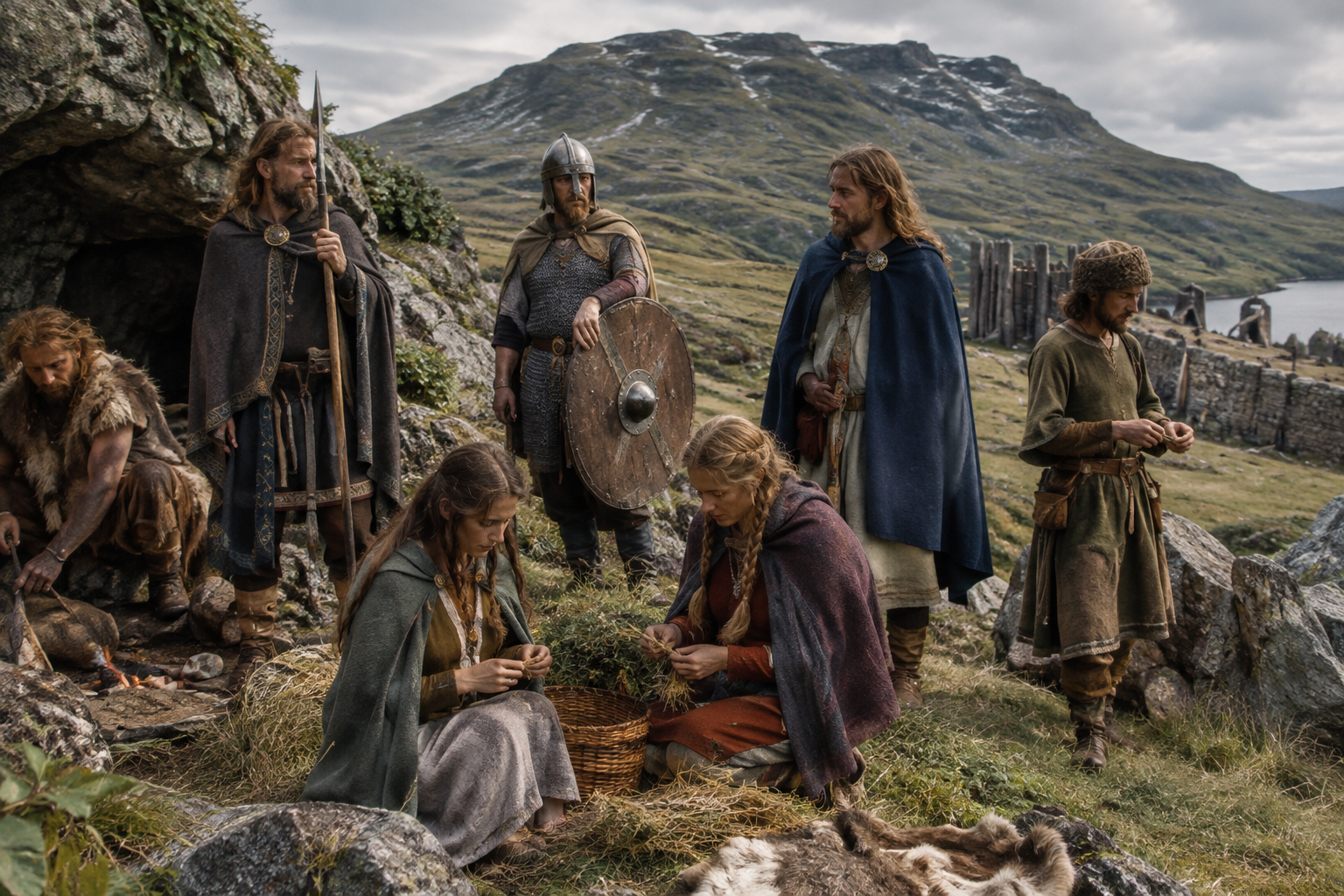
Haplogroups and Noble Lines Haplogroup R1b1a1b1a1a2c1a5c At Fox Holes Cave on Ingleborough Hill in Yorkshire, one early medieval man, sample I16392, anchors this haplogroup in a landscape that was already old with memory by around AD 725. He belonged to the world of Northumbria, a kingdom often described through kings, monks, and manuscripts, yet ancient DNA By Sven • 4 min read
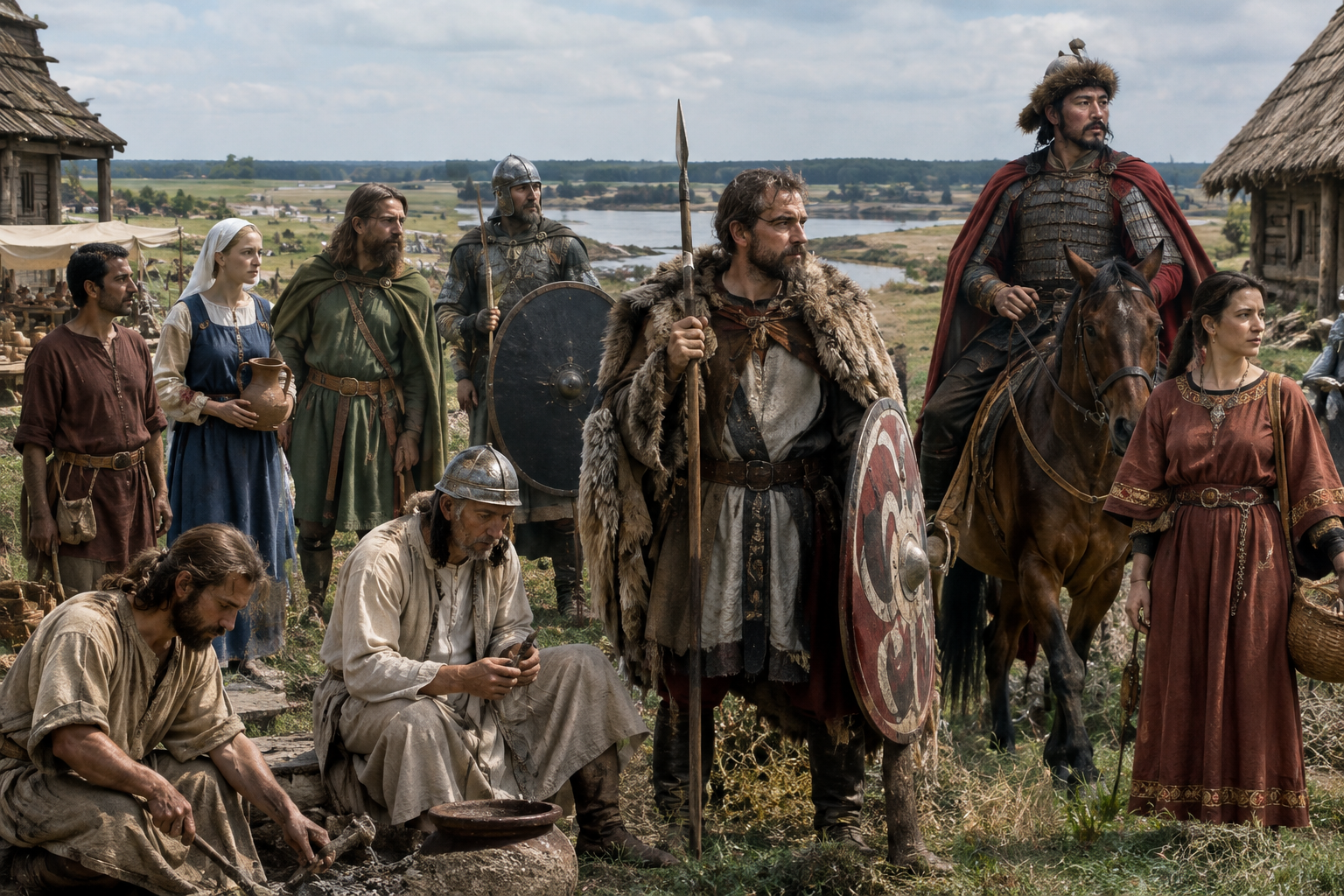
Haplogroups and Noble Lines Haplogroup I2a1b1a1b1a1a At Han Krum village in Bulgaria, one late antique grave has become an unexpectedly useful marker for tracing a paternal line through a turbulent stretch of European history. The individual known as I40932, described as a Gothic grave from around AD 400 and associated with the Aul of Kan Omurtag By Sven • 5 min read
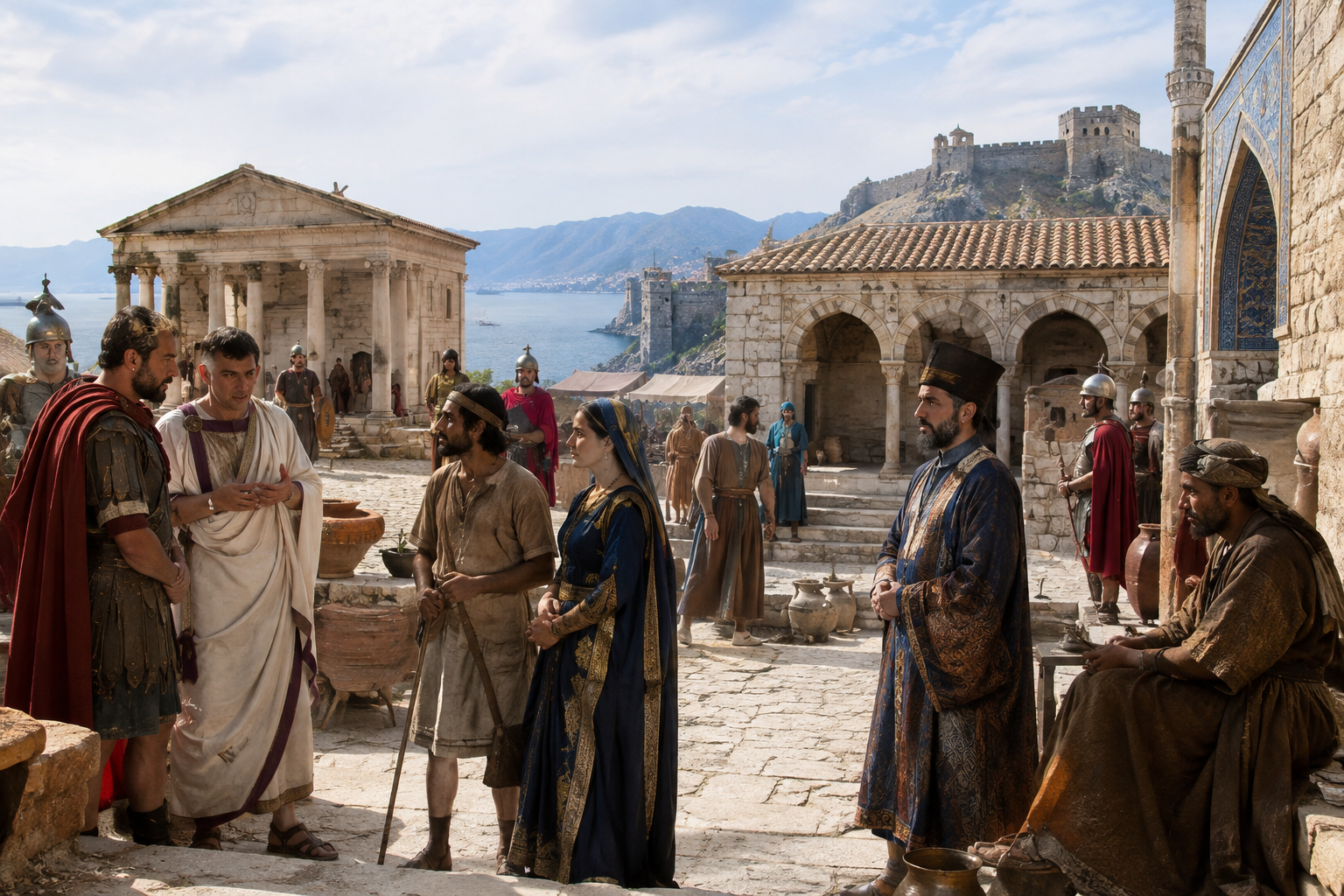
Haplogroups and Noble Lines Haplogroup J2a1a4b At Hvar-Radošević Palace on the Croatian island of Hvar, one late Imperial Roman male dated to around AD 400, sample I33888, carries a lineage associated here with J2a1a4b. That is already enough to make him interesting. Hvar sat in a part of the Adriatic world where Roman rule, seaborne movement, By Sven • 5 min read
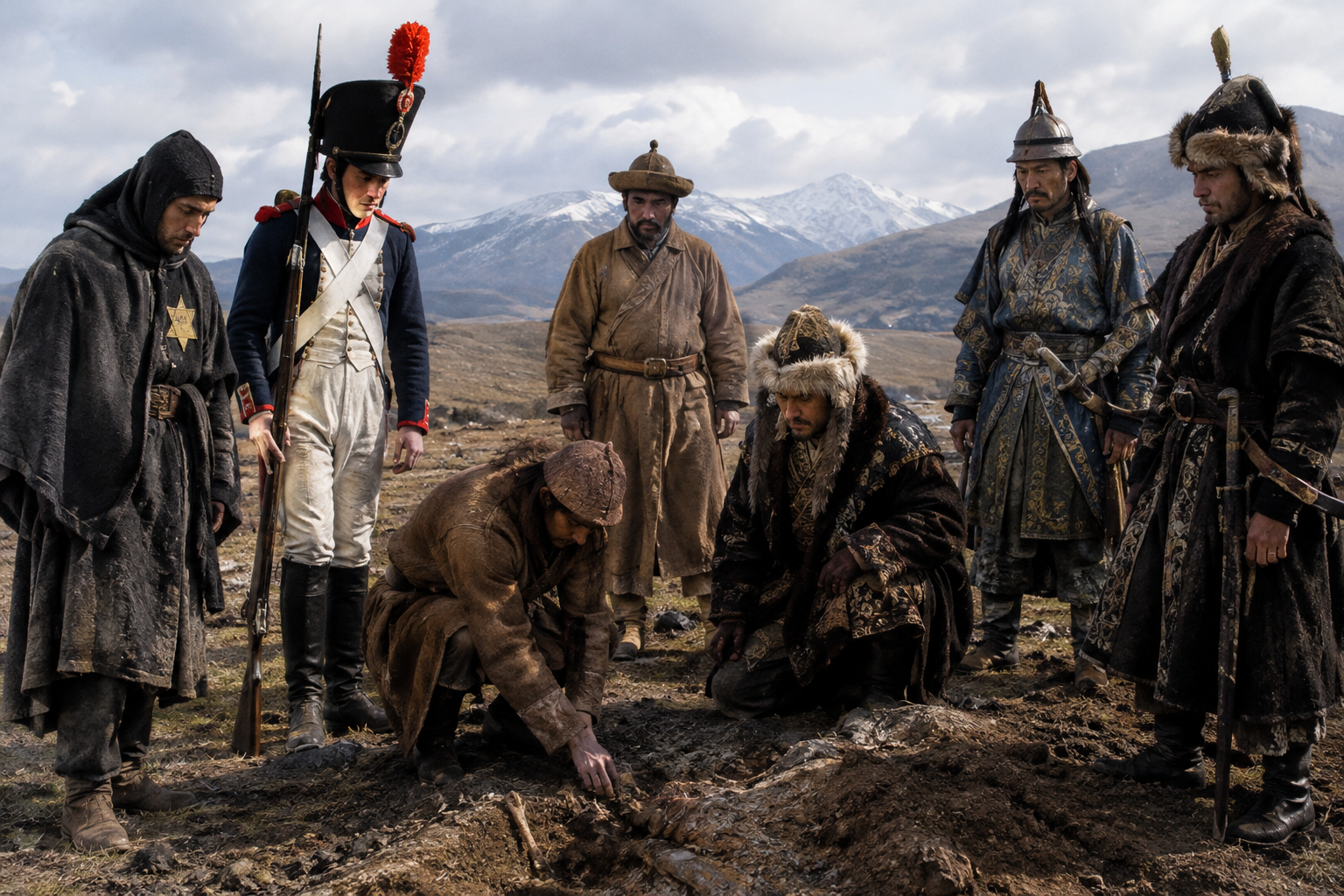
Haplogroups and Noble Lines Haplogroup J2a2a1 In 1348, in the Catalan town of Tàrrega, violence against the local Jewish community left a burial record that is as sobering as it is historically important. Among the victims from Les Roquetes was an individual identified as ROQ1, one of the ancient men associated here with Y-DNA haplogroup J2a2a1. By Sven • 5 min read
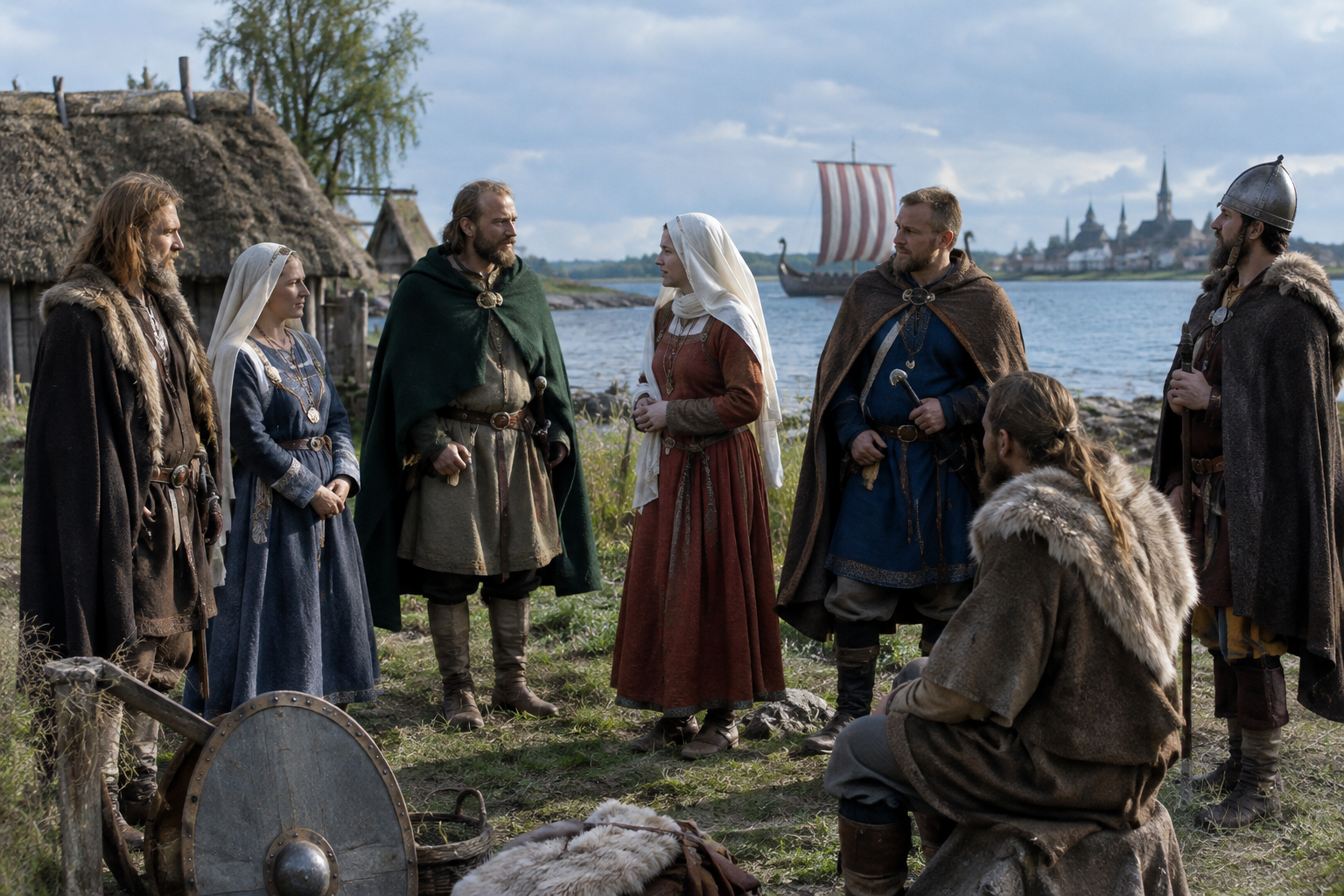
Haplogroups and Noble Lines Haplogroup I1a1b At Varnhem in Sweden, one Viking Age man identified as VK404 helps make an awkwardly simple point that ancient DNA keeps forcing on us: lineages do not live inside neat textbook boxes. Around AD 1050, in a landscape famous for early churches, burials, and the changing world of late Viking By Sven • 6 min read
Haplogroups and Noble Lines Haplogroup I1a2a1a1 At Szeleste in western Hungary, one man from the Longobard period stands at a particularly interesting crossroads. The individual catalogued as SZL041, dated to around AD 525 in the Savaria region of Pannonia, is associated here with the Y-DNA haplogroup I1a2a1a1. That matters because this is not simply a Scandinavian By Sven • 6 min read
Haplogroups and Noble Lines Haplogroup R1b1a1b1a1a2e2 At Bologna, in the old Etruscan world of the Po Valley, one ancient man now known as I37401 gives this Y-chromosome branch a strikingly early and very grounded appearance. He is dated to around 600 BC and identified with archaic Etruscan Felsina, the city that later became Roman Bononia. That By Sven • 6 min read
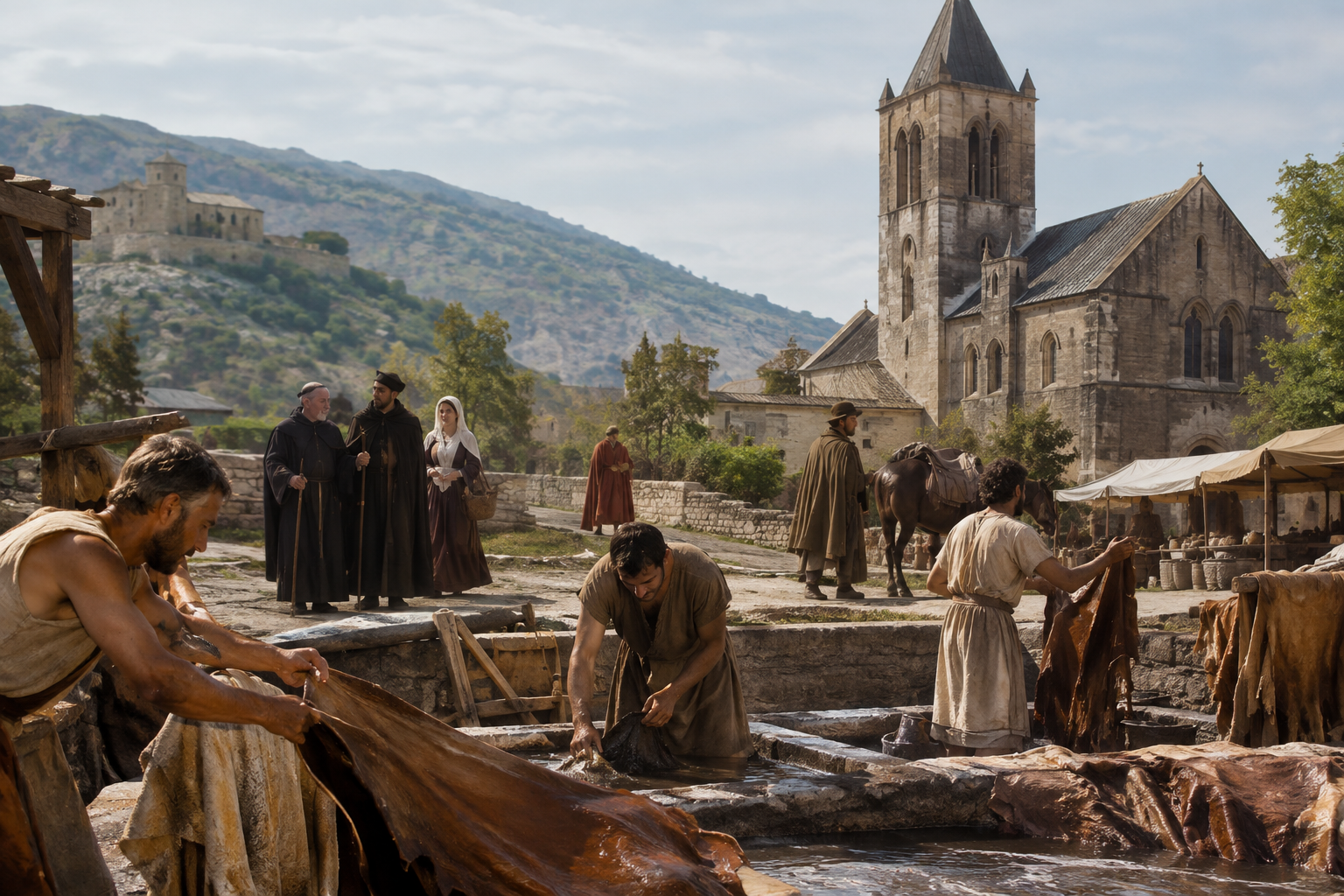
Haplogroups and Noble Lines Haplogroup J2a1a1b2a1b At Casal Bertone, just outside imperial Rome, one man from around AD 100 has become an unexpectedly useful guide to the paternal story behind haplogroup J2a1a1b2a1b. The individual is recorded as T46, with duplicate laboratory designations T46_R1 and T46_R2, from the tannery area of the site. That setting By Sven • 5 min read
Haplogroups and Noble Lines Haplogroup I2c2 In the cemetery at Basel-Waisenhaus in Switzerland, a cluster of late Roman and early Migration-period burials has produced one of the more intriguing signals for Y-DNA haplogroup I2c2. Several individuals from the Alemanni graves there, dated around AD 387, are reported with this paternal association, including KH201125, KH201125a, KH201125b, KH201110, By Sven • 5 min read
Haplogroups and Noble Lines Haplogroup R1b1a1b1a1a2b1c2b At Castel Sozzio in northern Italy, one burial keeps reappearing under a string of laboratory labels: Tomb 27, around AD 600, with the associated ancient DNA identifiers P9884, P9884a, P9884d, P9884e, P9884f, P9884g, and P9884l. That is already an intriguing archaeological pattern. We are not looking at a lone celebrated By Sven • 5 min read
Haplogroups and Noble Lines Haplogroup R1b1a2 At Malles Burgusio Santo Stefano in South Tyrol, one man buried around AD 650, sample 2430, offers a neat way into the history of R1b1a2. He lived in an Alpine borderland where Roman traditions, local communities, and early medieval political change all met in close quarters. That matters because this By Sven • 5 min read
Haplogroups and Noble Lines Haplogroup J1a2b2b At Pecine, one of the great cemeteries of Roman Viminacium in modern Serbia, an Imperial-era man identified as I15529 was buried around AD 100. Viminacium was not a provincial backwater. It was a legionary centre, a city on the Danube frontier, and a place where soldiers, traders, administrators, and families By Sven • 6 min read
Haplogroups and Noble Lines Haplogroup E1b1b At Lepenski Vir on the Danube, better known for its much older Mesolithic and Neolithic fame, one later burial adds a different sort of clue. An Imperial Roman-era man from Serbia, dated to around AD 225 and identified as I4664, has been associated with the Y-DNA haplogroup E1b1b. That matters By Sven • 5 min read
Haplogroups and Noble Lines Haplogroup P1 At Barnham Market in Norfolk, an early medieval burial labeled BMN003 places haplogroup P1 in a recognisably Anglo-Saxon setting around AD 600. That may sound like a small fact, but it is exactly the sort of finding that matters in archaeogenetics: not a grand mythic founder, not a fantasy of By Sven • 5 min read
Haplogroups and Noble Lines Haplogroup C2 At Devil's Gate Cave in Primorsky Krai, in the Russian Far East, one of the more striking ancient Y-chromosome signals linked to haplogroup C2 turns up not in an imperial tomb or a famous battlefield burial, but in a much older setting: a Neolithic cave context dated here By Sven • 5 min read
Haplogroups and Noble Lines Haplogroup I2a1b1a2a2a2 At Kunpeszer in Hungary, four men buried in elite Avar graves around AD 609 - KUP009, KUP010, KUP011, and KUP012 - are linked in this dataset with the Y-DNA haplogroup I2a1b1a2a2a2. That is immediately striking, because the Avar world is so often imagined in purely steppe terms: horsemen from the By Sven • 5 min read
Haplogroups and Noble Lines Haplogroup R1a1a1b2a2b At Rakoczifalva in Migration Period Hungary, one excavated man dated to about AD 650, sample RKO012, carries a paternal line associated here with R1a1a1b2a2b. On its own that may sound like a very narrow technical label, but the setting matters. Seventh-century Hungary sat in the middle of a post-Roman world By Sven • 4 min read
Haplogroups and Noble Lines Haplogroup H At Asparn-Schletz in Lower Austria, two men from one of Europe's most haunting Neolithic sites have been associated with Y-DNA haplogroup H: I25334 and I29891, dated to around 5000 BC. The site is famous because it preserves the aftermath of violence at the edge of the early farming By Sven • 5 min read
Haplogroups and Noble Lines Haplogroup R1b1a1b1b3a1a1 At Vicars Farm near Cambridge, one man buried in the Roman era around AD 200 has become an unexpectedly useful signpost for the Y-DNA haplogroup R1b1a1b1b3a1a1. He is recorded as sample VIC004, and on his own he would tell us very little. But set beside later individuals from Burgundy, the By Sven • 5 min read
Haplogroups and Noble Lines Haplogroup R1b1a1b1a1a2c1b1 At Wetwang Slack in East Yorkshire, several Iron Age burials linked to the Parisi have now also become part of a genetic story. Among them are individuals I36875, I36809, and I36904, dated to around 225 BC. They matter because they place the Y-DNA haplogroup R1b1a1b1a1a2c1b1 in a very specific archaeological By Sven • 4 min read
Haplogroups and Noble Lines Haplogroup C2a1a1b1b1 One of the more arresting appearances of haplogroup C2a1a1b1b1 in this set of ancient finds comes from the eastern edge of medieval Europe: sample UKR137, dated around AD 850, from the Saltiv context in the forest-steppe zone of Ukraine. That is already a suggestive combination. Saltiv or Saltovo-Mayaki archaeology belongs By Sven • 4 min read
Haplogroups and Noble Lines Haplogroup G2a2a1a2b One of the more arresting appearances of haplogroup G2a2a1a2b comes from the battlefield dead at Himera in Sicily. Two men, identified as I7221 and I7221x, are associated with the First Sicilian War around 480 BC, the famous clash in which Greek forces defeated Carthage on the island's north By Sven • 5 min read
Haplogroups and Noble Lines Haplogroup G2 At Catalhoyuk in central Anatolia, one of the best known Neolithic settlements in the world, ancient DNA has now put a paternal label on at least one man from that deep farming past: sample cch097, dated here to around 5200 BC, is associated with Y-DNA haplogroup G2. That matters because By Sven • 5 min read
Haplogroups and Noble Lines Haplogroup I2a1 At Monteriggioni in Tuscany, an Etruscan-era individual labeled EV18, dated to around 600 BC, offers a particularly sharp way into the story of I2a1. This is not because one skeleton can stand for all Etruscans - it cannot - but because it places this paternal line inside a society that By Sven • 5 min read