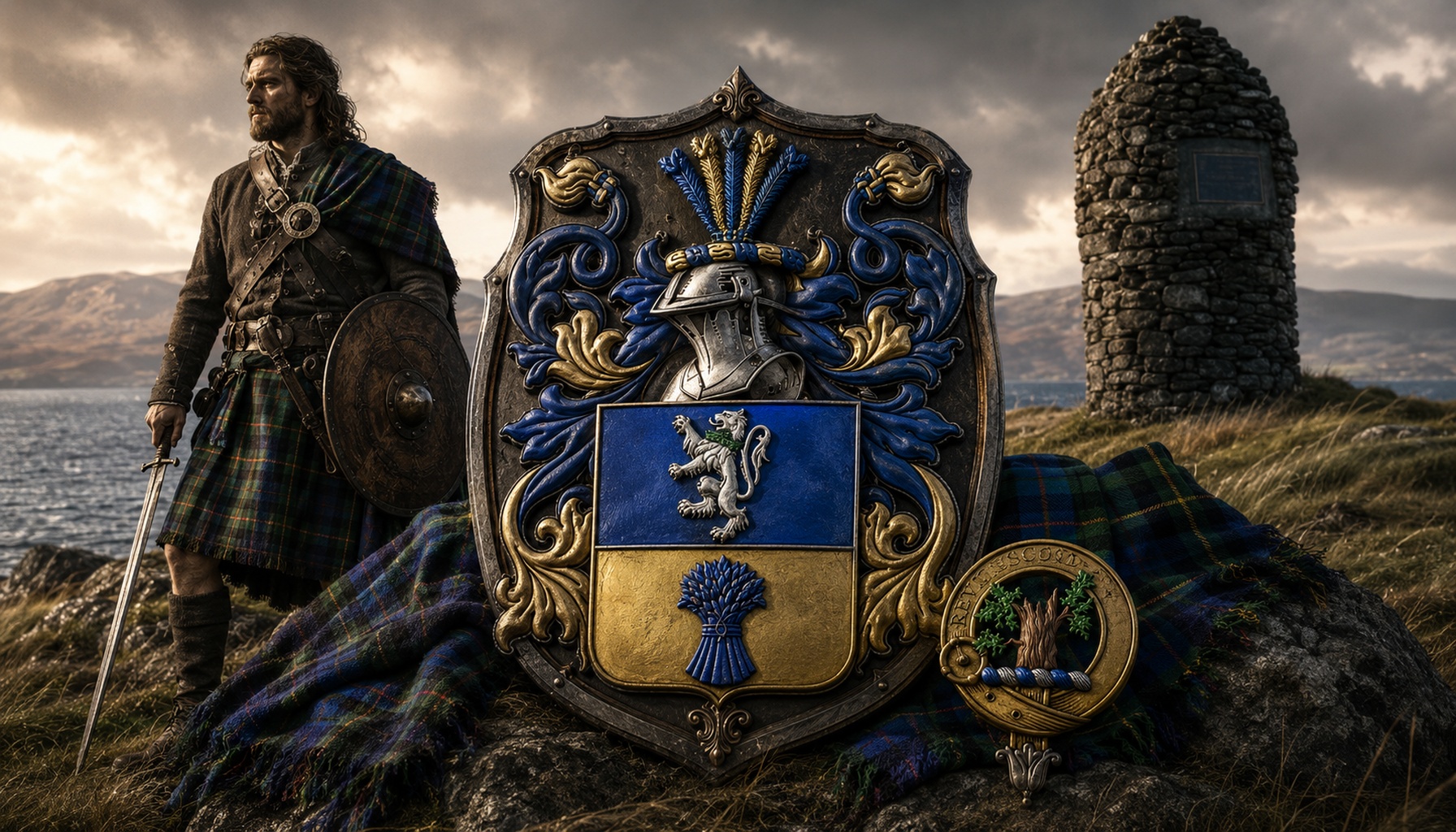
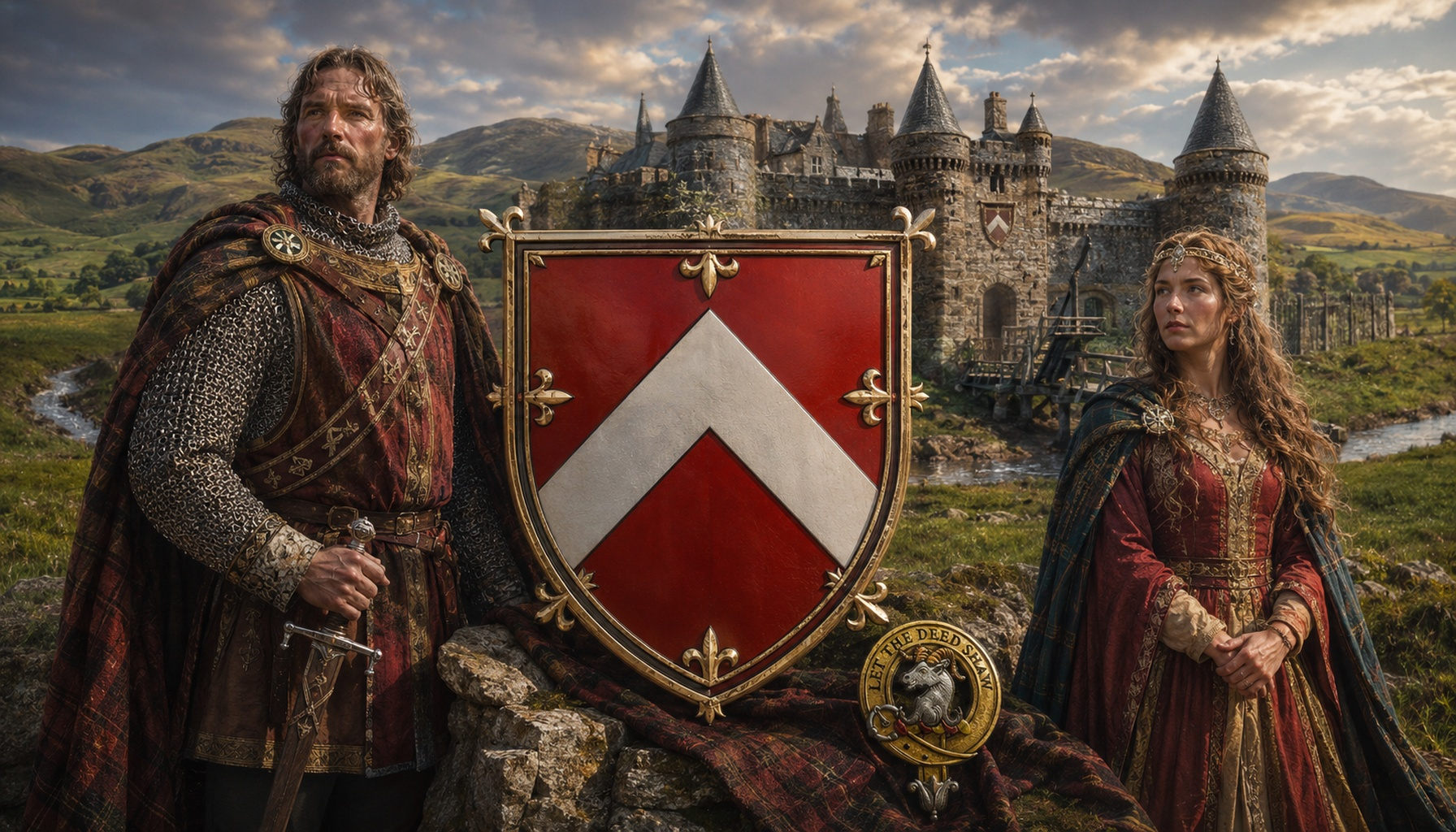
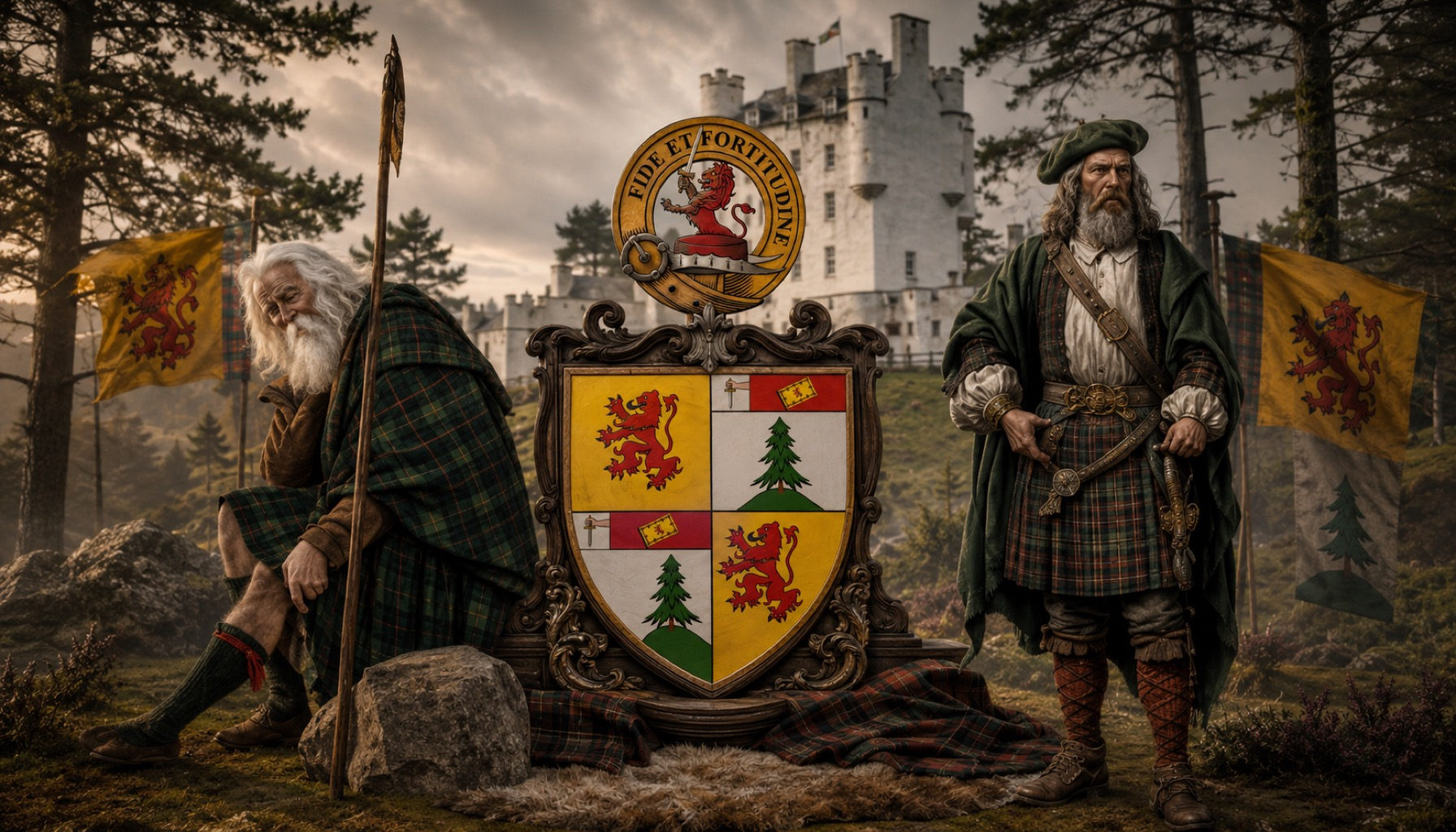
Haplogroups and Noble Lines Clan MacEwan Clan MacEwan and its Highland roots Clan MacEwan was one of the old Gaelic kindreds of western Scotland, most closely associated with Argyll and the wider Highland seaboard, where family, land, service, and memory were tightly bound together. In that world, a clan was never just a surname. It was By Caterina • 3 min read
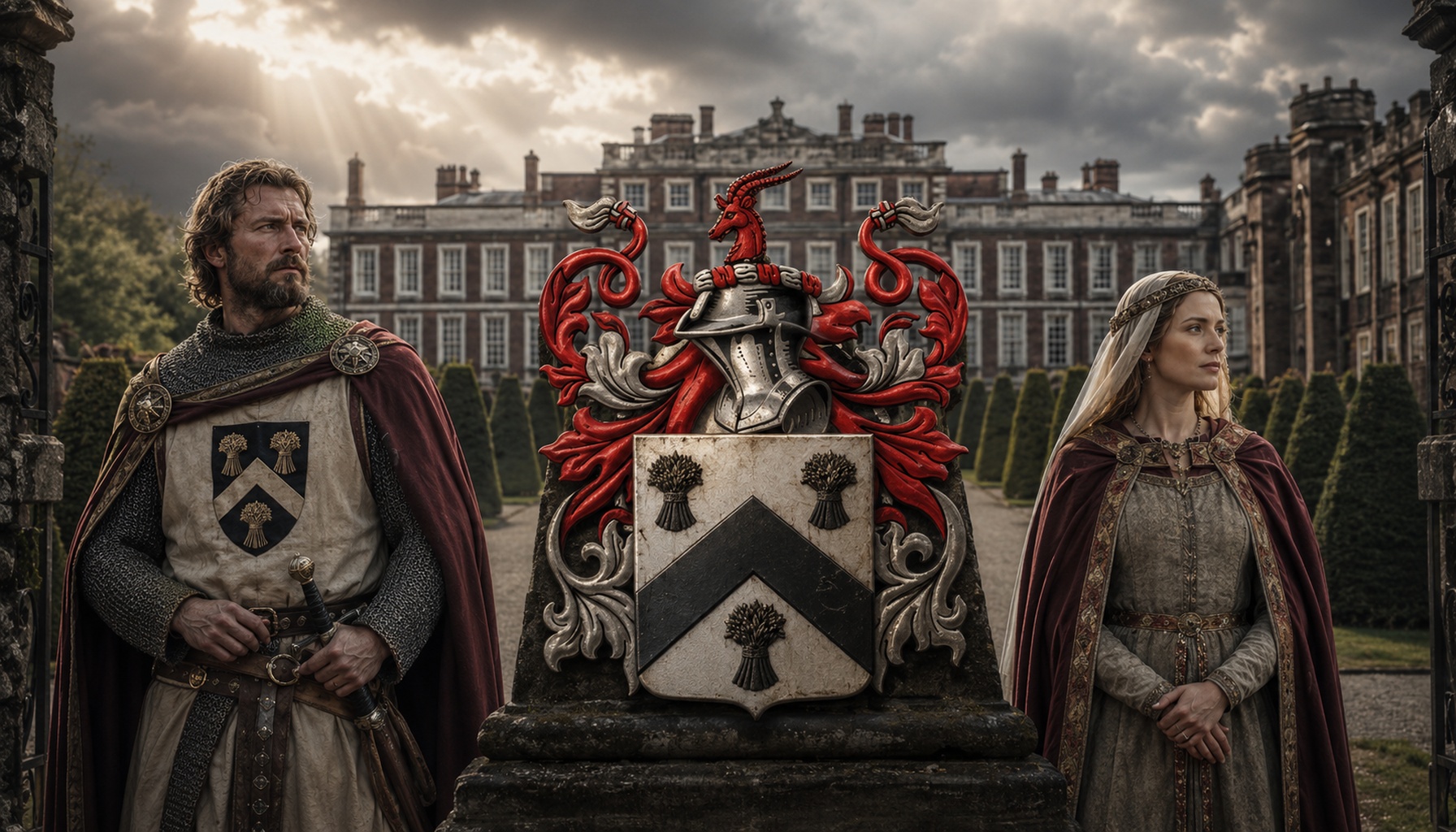
Haplogroups and Noble Lines The House of Haynes House of Haynes Haplogroups: I1a2a2a1 (primary family haplogroup) The House of Haynes is best understood not as a princely dynasty, but as an English family house in the older, sturdier sense: a surname rooted in place, remembered through parish records, local standing, service, tenancy, and family continuity over centuries. The By Sara V • 3 min read
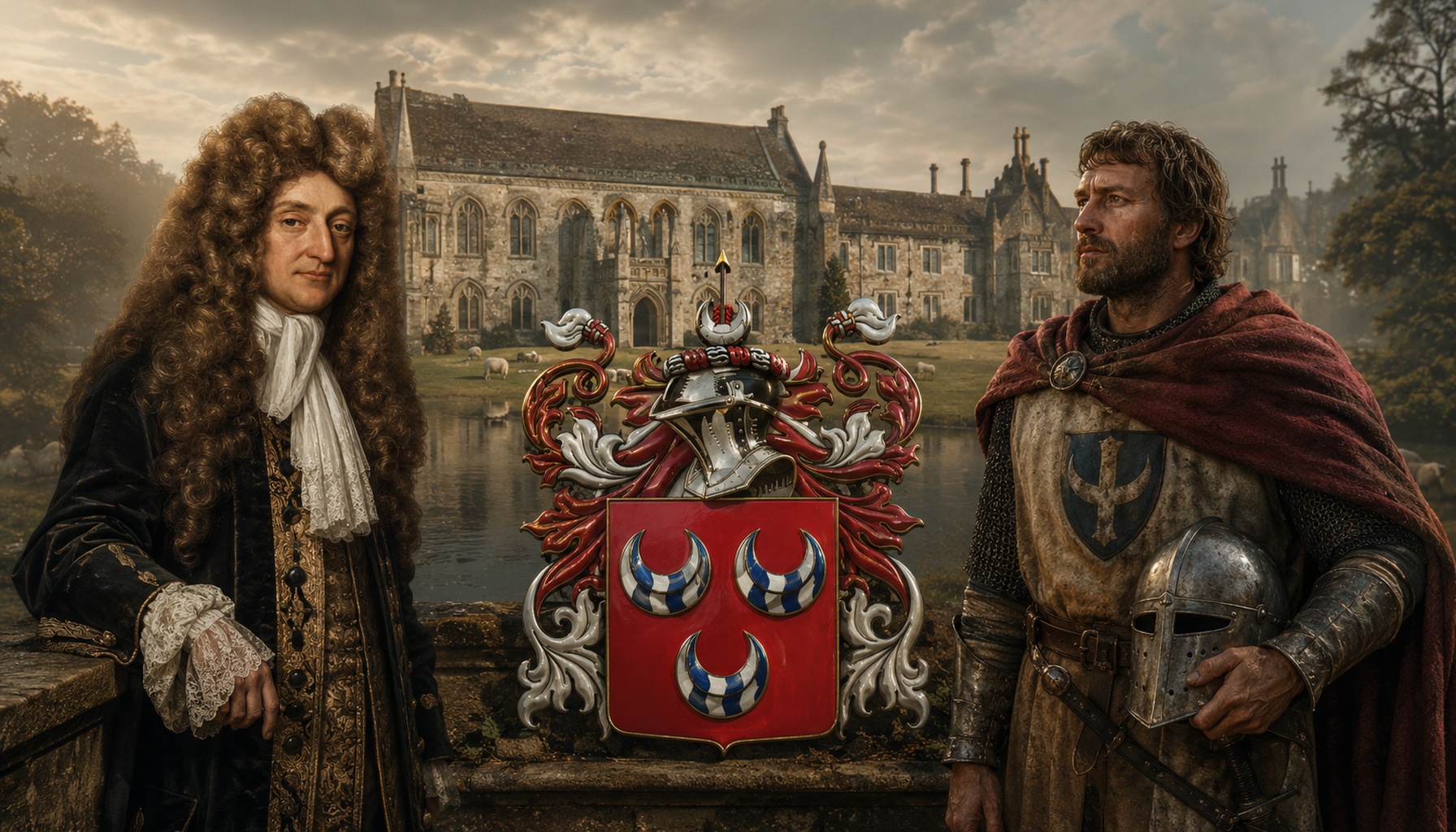
Haplogroups and Noble Lines The Noble House of De Vere Background The de Vere family was one of the great Norman noble houses of England, a dynasty that arrived from the Continent in the wake of the Norman Conquest and planted itself firmly in English soil. Their name is usually linked above all with the Earls of Oxford, one of By Caterina • 2 min read
Haplogroups and Noble Lines The House of Darbie House of Darbie Background The House of Darbie belongs to that very English kind of family story in which status grew not from a crown or a princely title, but from rootedness, service, property, and the steady keeping of a name. In that sense, Darbie heritage sits firmly within the By Jamie L • 3 min read
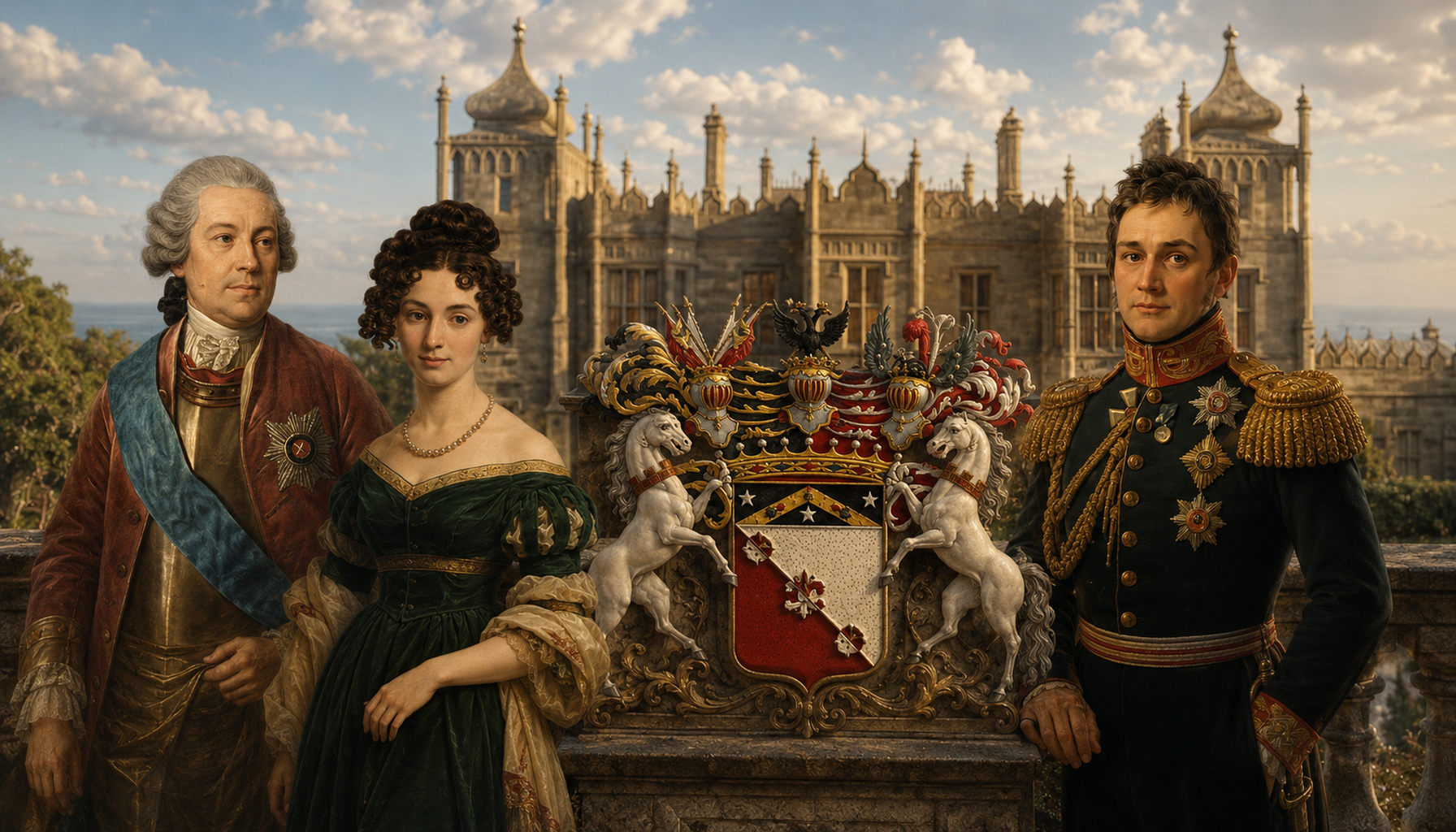
Haplogroups and Noble Lines The Noble Vorontsov Family The Noble Vorontsov Family Background The Vorontsov family was one of the great noble and countly houses of imperial Russia, a family whose name became closely tied to service at the very top of the state. Their story is rooted in the world of Muscovy and then the Russian Empire, By Sven • 3 min read
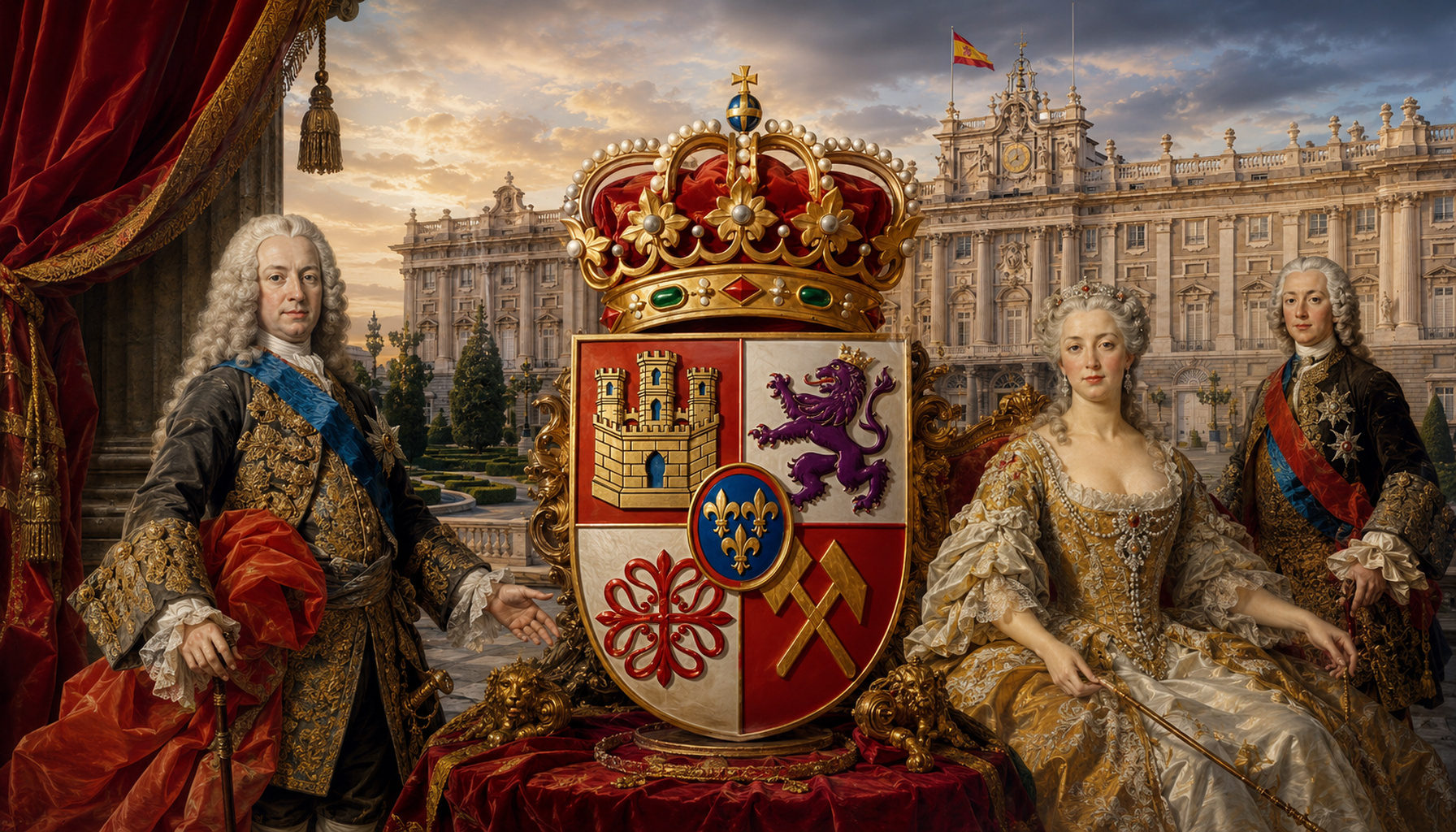
Haplogroups and Noble Lines Spanish House of Bourbon Background The Spanish House of Bourbon was, and remains, one of Europe's great royal dynasties: a ruling family that came into Spain from the wider Bourbon world of France and the Capetian tradition, then became thoroughly woven into Spanish history from the early eighteenth century onward. Its primary By Jamie L • 3 min read
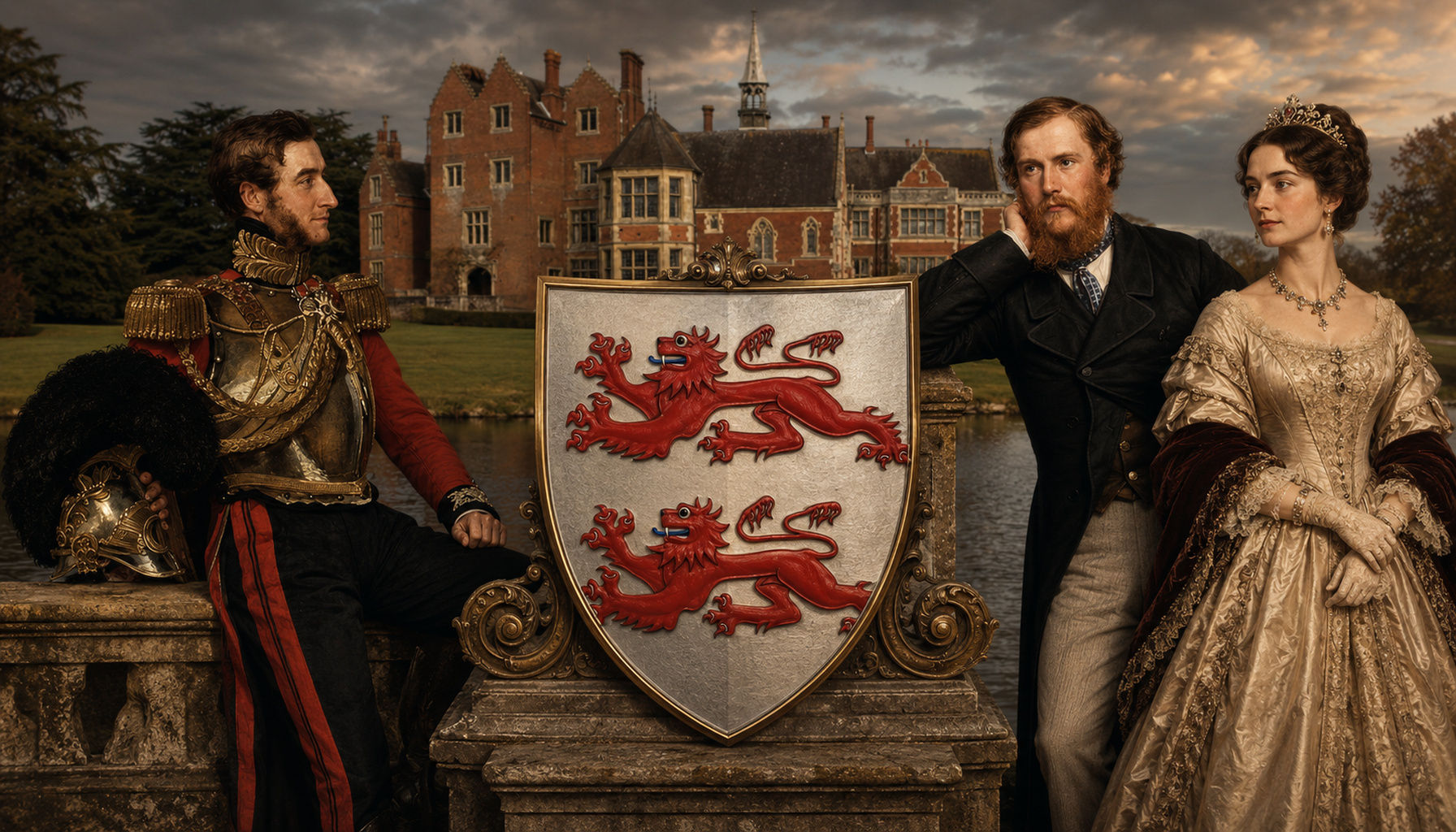
Haplogroups and Noble Lines The House of Lygon Haplogroup: R1b1a1b1a1a2c1a1a1a1a1a1a3a Who were the House of Lygon? The House of Lygon was an English noble and landed family rooted above all in Worcestershire, with its identity closely tied to Madresfield and to the long traditions of county society, estate management, and public duty. In historical terms, the Lygons fit By Sven • 3 min read
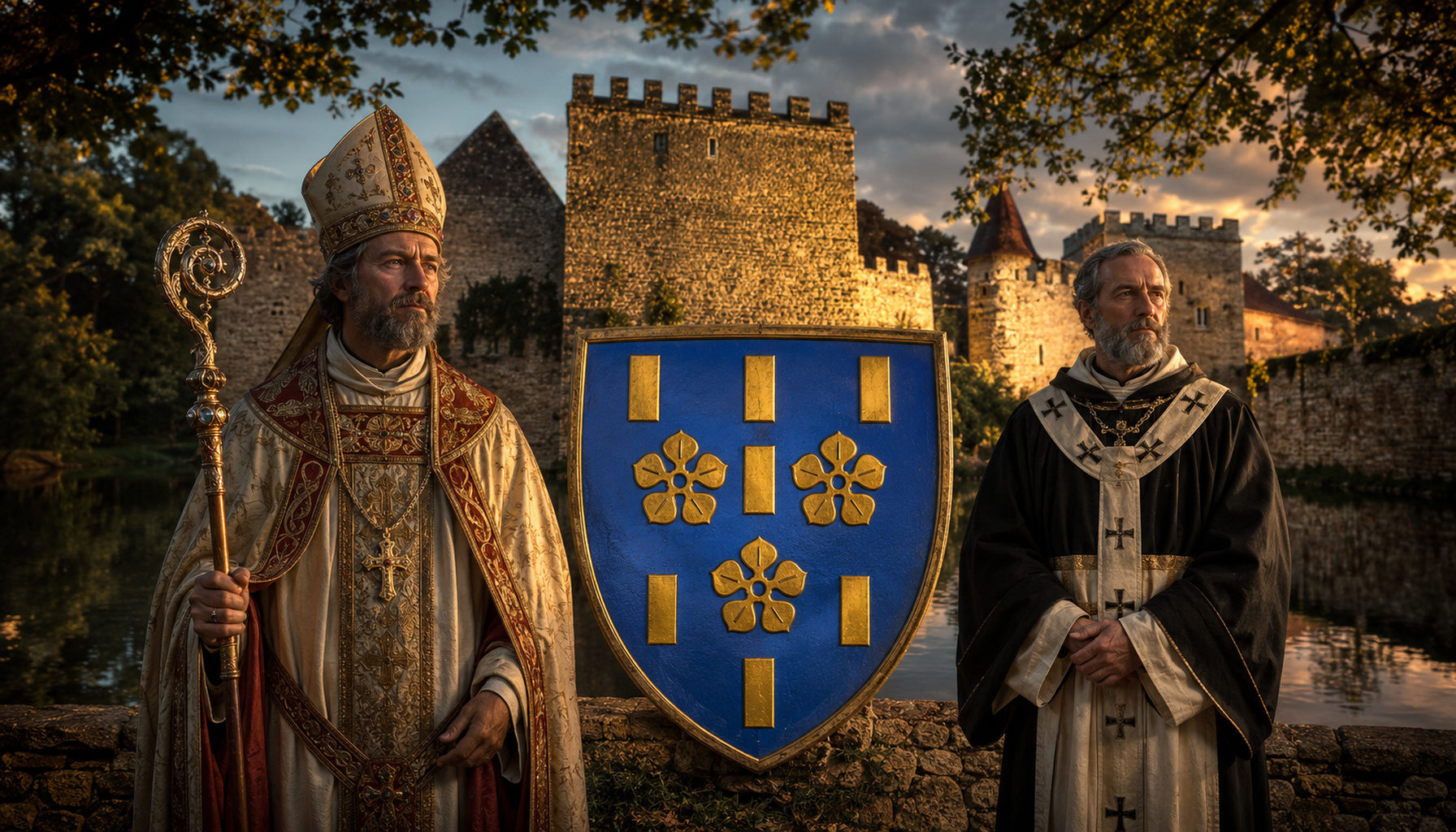
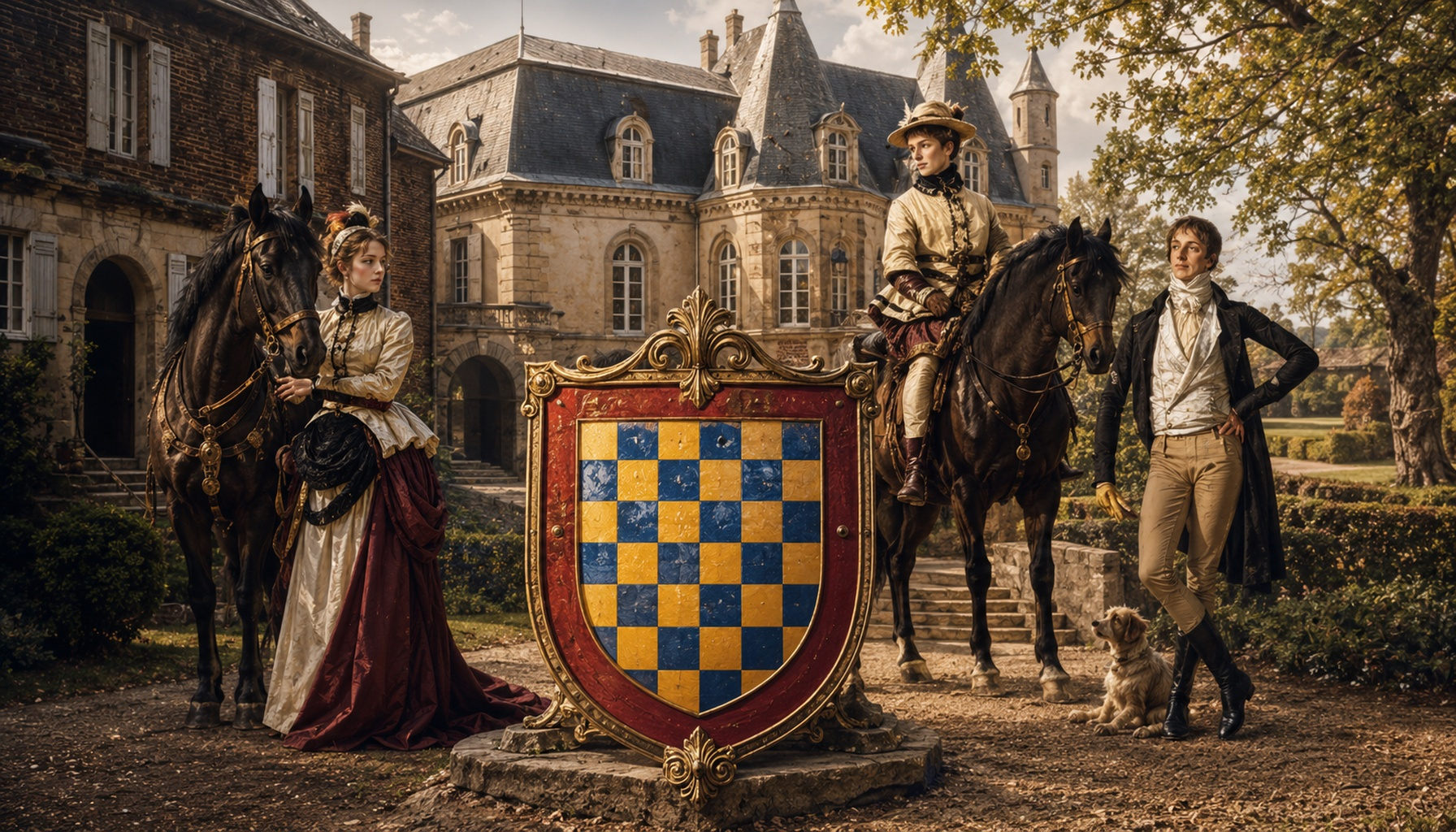
Haplogroups and Noble Lines The House de Lugny House de Lugny Background The House de Lugny was a French noble family of Burgundy, rooted in the historic territory around Lugny in the Maconnais, and remembered above all as a landed provincial house whose identity was tied to estate, jurisdiction, and heraldic continuity. In haplogroup terms, the primary family By Caterina • 3 min read
Haplogroups and Noble Lines Clan Fleming Clan Fleming Origins and identity Clan Fleming was one of those Scottish noble families whose very name tells a story. The surname points back to Flanders, and that matters, because medieval Scotland did not grow in isolation. It drew in capable families from across the North Sea world, especially in By Sara V • 2 min read
Haplogroups and Noble Lines The Princely House de Dreux The Princely House de Dreux Background The House de Dreux was a French princely and noble house that emerged from the Capetian royal world, rooted in the town and county of Dreux in north-central France. In dynastic terms, this was a cadet branch of the Capetians: close enough to royal By Sara V • 3 min read
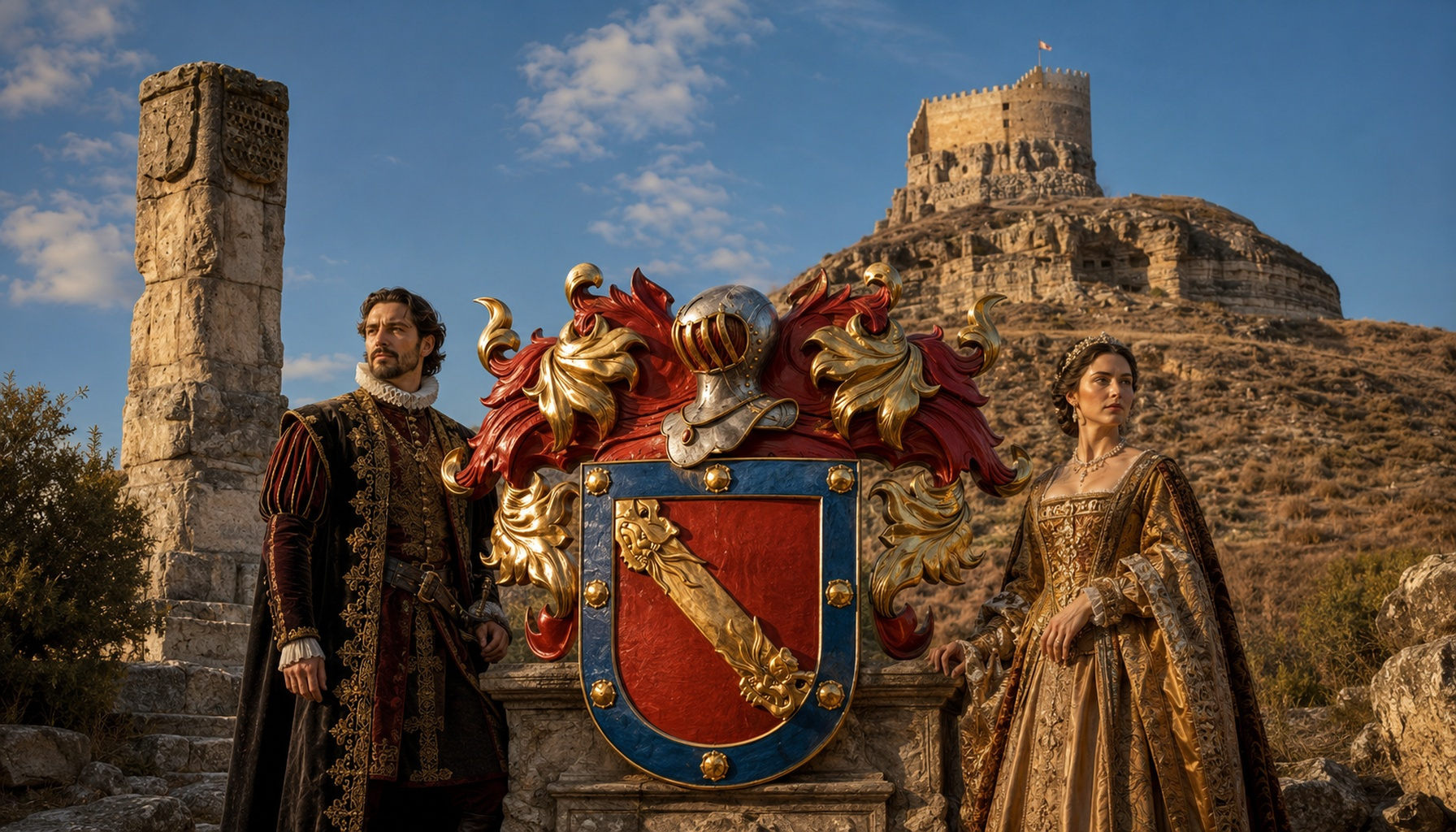
Haplogroups and Noble Lines The House of Curiel House of Curiel Background The House of Curiel was an Iberian noble and Sephardic-origin family house associated above all with Spain and Portugal, and with a wider world that stretched far beyond any single town or kingdom. Its heritage is often framed through scholarship, diplomacy, commerce, public service, and those By Sara V • 3 min read
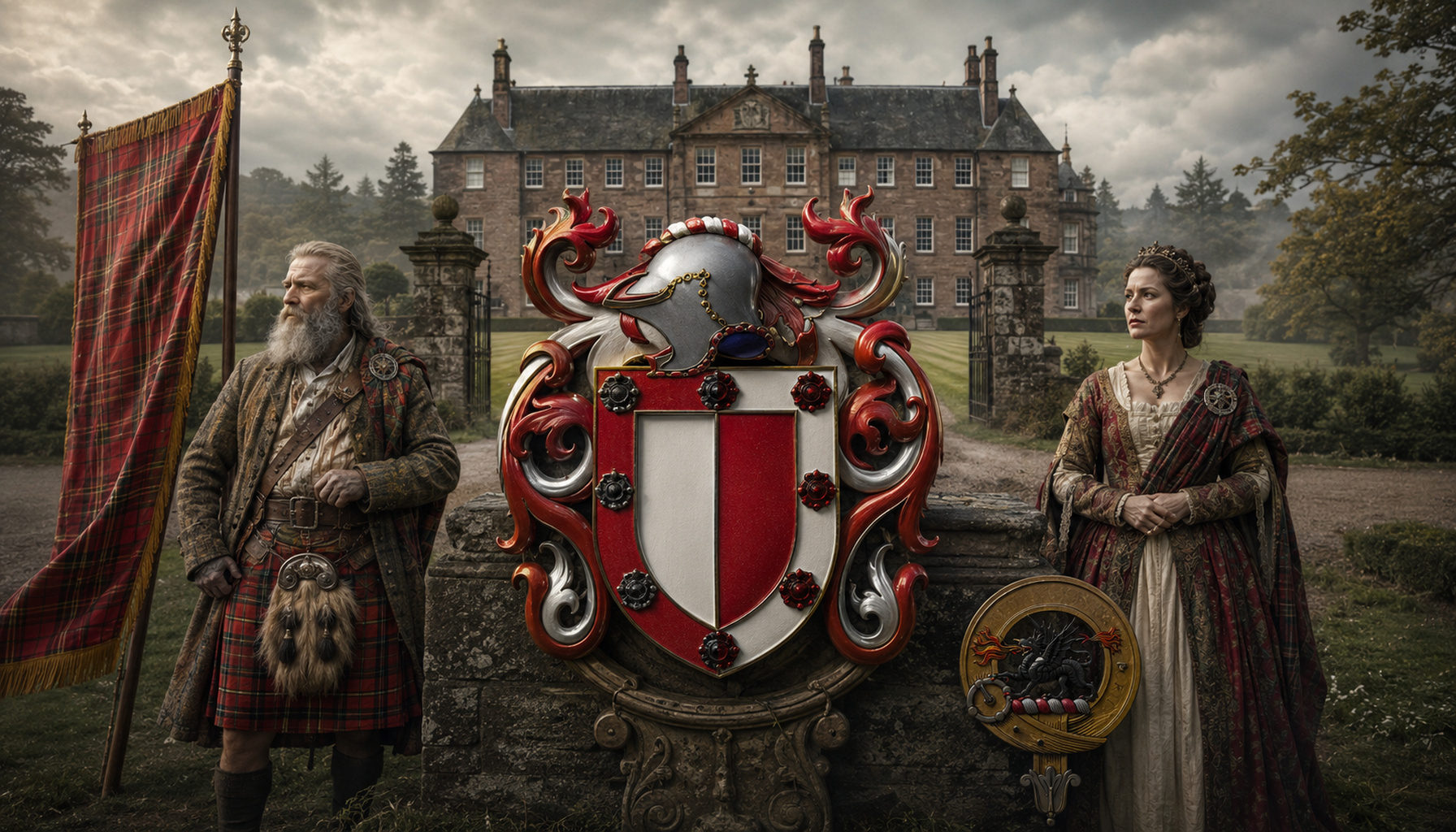
Haplogroups and Noble Lines Clan Maule Clan Maule Background Clan Maule was one of those solidly rooted Lowland Scottish noble families whose story is less about wild frontier legend and more about land, office, memory, and endurance. Their historical heart lay in Angus, and their identity grew out of estate continuity, aristocratic service, marriage alliances, and By Sven • 2 min read
Haplogroups and Noble Lines The Noble House of Bohun The Noble House of Bohun Background The Bohuns were one of the great Anglo-Norman noble houses of medieval Britain: magnates of England, power-brokers in the Welsh Marches, royal servants, castle-builders, and holders of some of the highest aristocratic ranks in the realm. Their linked and primary family haplogroup is R1b1a1b1a1a2c1a4a. By Jamie L • 3 min read
Haplogroups and Noble Lines Clan Gilmore Clan Gilmore Background Clan Gilmore was a Scottish and Irish family tradition shaped by Gaelic Christian naming, regional belonging, and a remarkably persistent surname identity. The name is commonly linked to forms meaning servant or devotee of Mary, placing it firmly within the devotional naming world of the western British By Caterina • 3 min read
Haplogroups and Noble Lines Clan Gillon Clan Gillon Background Clan Gillon belongs to that recognisably Scottish-Irish world of Gaelic family names shaped less by crowns and courtly grandeur than by kinship, locality, memory, and survival. The name sits within the western British Isles tradition in which families were anchored by service, neighbourhood, inherited naming patterns, and By Sara V • 2 min read
Haplogroups and Noble Lines Clan Gallagher Clan Gallagher Background Clan Gallagher was one of the old Gaelic families of northwestern Ireland, rooted above all in Donegal and the wider world of Tir Chonaill in Gaelic Ulster. The name comes from the O Gallchobhair tradition, and the family belongs to that older Irish pattern in which kin, By Sven • 3 min read
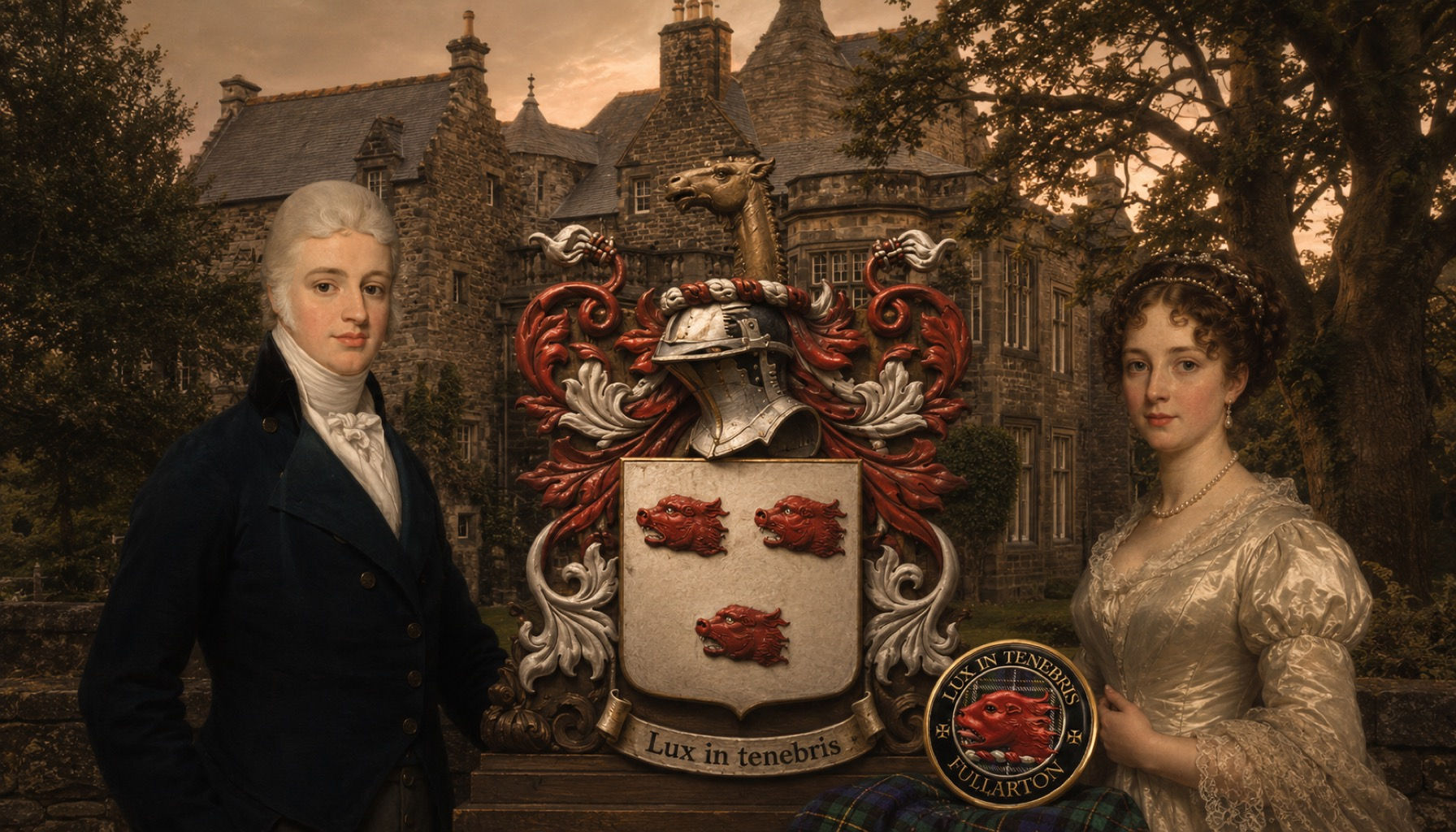
Haplogroups and Noble Lines Clan Fullarton Clan Fullarton Background Clan Fullarton was a Scottish landed family of Ayrshire in the west of Scotland, rooted in Lowland society and strongly associated with estate identity, local authority, and service. Their story is not quite the romantic Highland clan tale of tartan hills and marching pipes. It is, in By Sara V • 3 min read
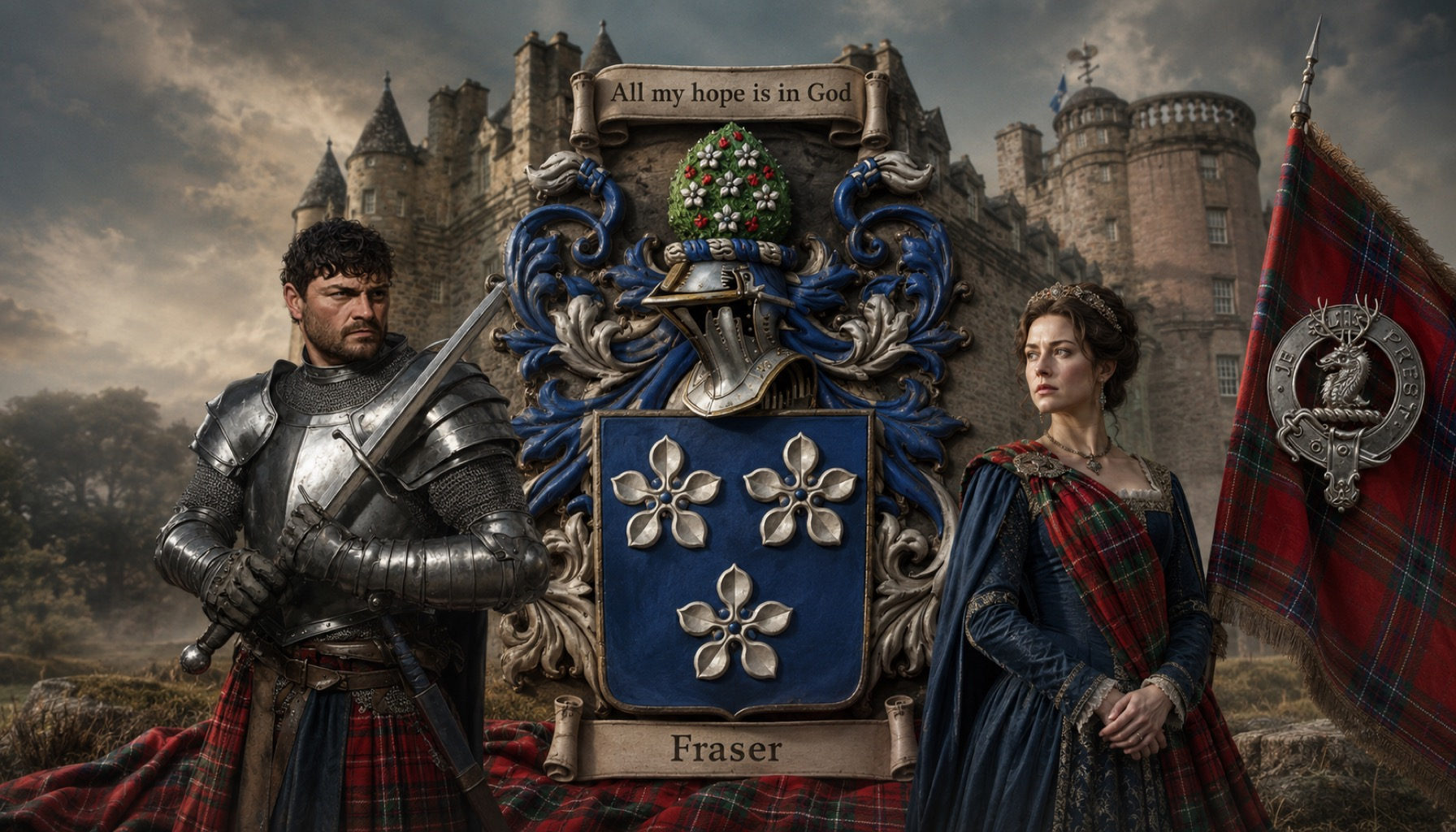
Haplogroups and Noble Lines Clan Fraser Clan Fraser Background Clan Fraser was one of the great families of Scotland, with roots stretching across both Highland and Lowland worlds, and with a long record of lordship, warfare, marriage strategy, office-holding, and political importance. The name is especially tied to the Frasers of Lovat in the Highlands and By Jamie L • 3 min read
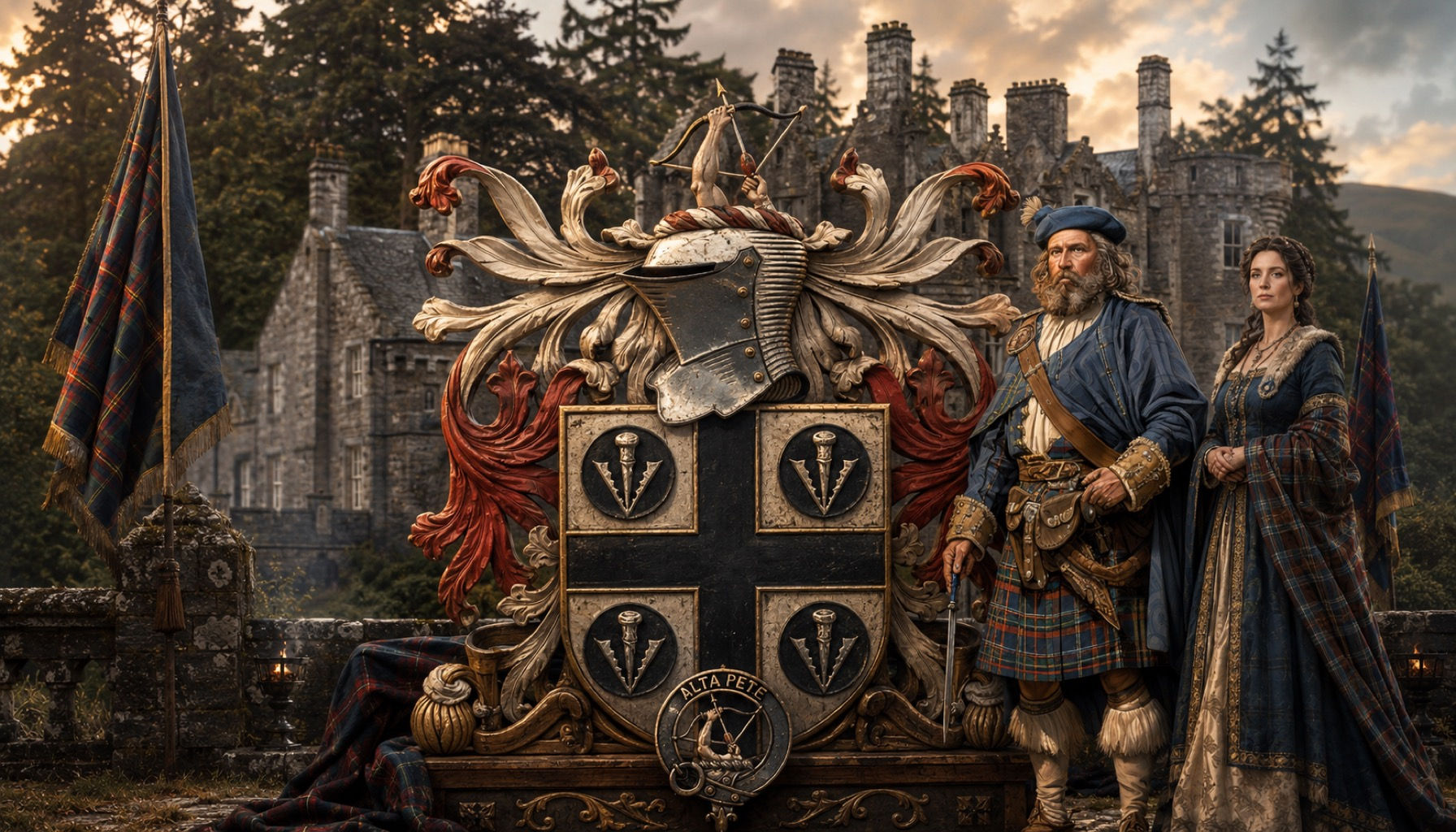
Haplogroups and Noble Lines Clan Fletcher Clan Fletcher Clan Fletcher was, at heart, a family of makers and servants: a Scottish surname group whose name comes from the old craft of arrow-making. That tells you quite a lot straight away. In medieval and early modern Scotland, a fletcher was not some decorative village artisan but a By Sven • 2 min read
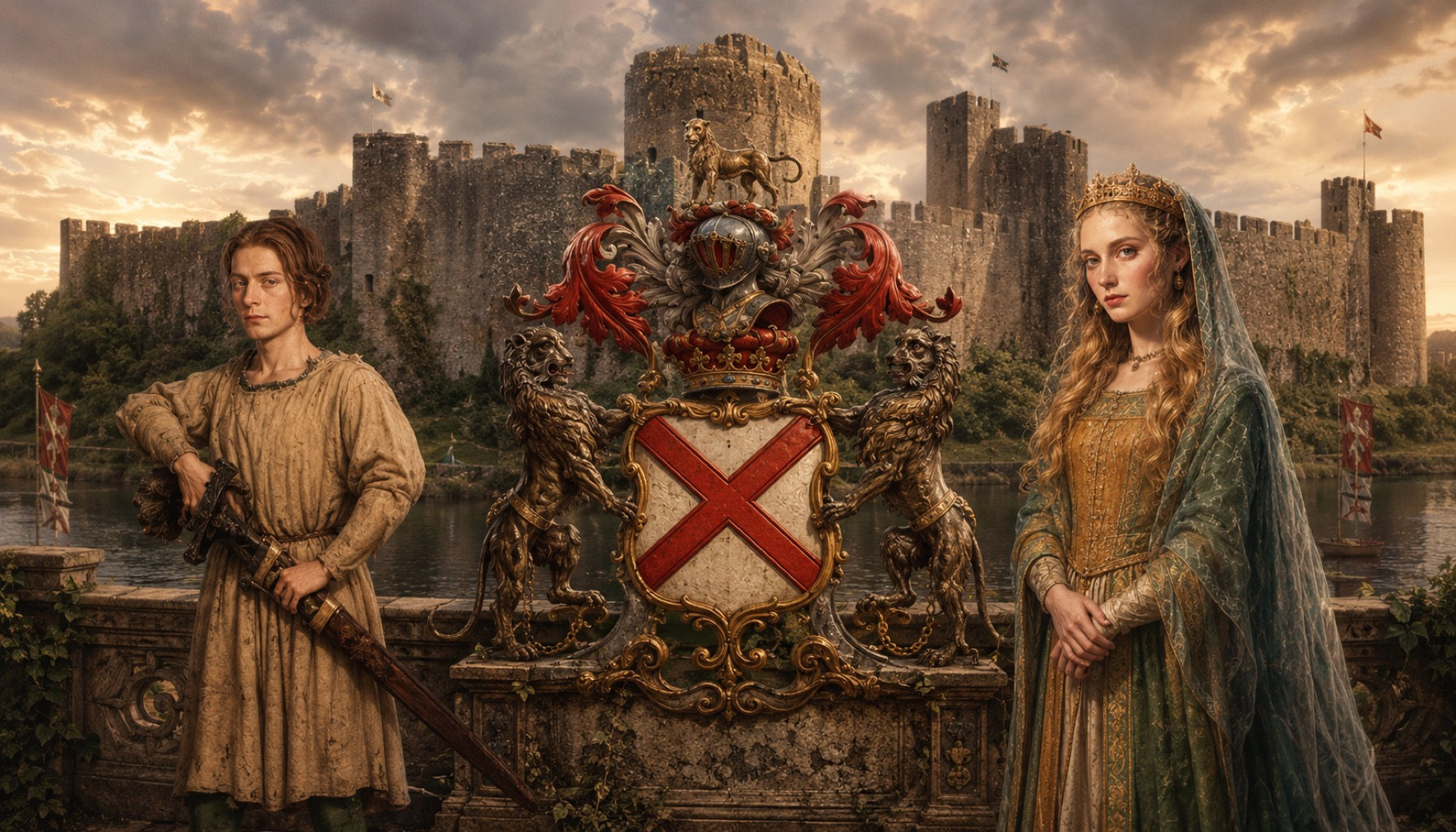
Haplogroups and Noble Lines Clan Fitzgerald Clan Fitzgerald Clan Fitzgerald was one of the great Norman-Irish noble families: a dynasty of lords, earls, soldiers, courtiers, rebels, and patrons whose power ran across medieval Ireland, especially through Kildare and Desmond. Their deeper family story begins not in Ireland itself but in the Norman-Welsh world of the 11th By Caterina • 3 min read
Haplogroups and Noble Lines Clan Farquharson Clan Farquharson Who they were and where they came from Clan Farquharson was a Highland Scottish clan rooted above all in Aberdeenshire, Braemar, and the eastern Highlands, a family shaped by Gaelic kinship, territorial loyalty, and the hard politics of Highland survival. Their story belongs to that classic Highland pattern By Caterina • 3 min read
Haplogroups and Noble Lines Clan Falconer Clan Falconer Origins and family background Clan Falconer was a Scottish noble family tradition rooted above all in Angus and in the world of royal and noble service, with the primary family haplogroup tagged here as I1a2a1a1a. The name itself tells the story rather neatly: a falconer was not just By Sven • 3 min read
Haplogroups and Noble Lines Clan Donnachaidh Background Clan Donnachaidh was one of the central Highland kindreds of Scotland, rooted in Perthshire and especially tied to Atholl and the country around the upper Tay and Tummel. In later centuries the clan became widely known through the Robertson surname, but its older identity lies in the Gaelic name By Sara V • 3 min read
Haplogroups and Noble Lines Clan Crawford Clan Crawford Lowland roots, landed memory, and haplogroup R1b1a1b1a1a2b1a1 Clan Crawford was a Lowland Scottish landed family whose identity grew out of territory, service, and continuity rather than the more theatrical Highland model people often imagine when they hear the word clan. The name is territorial, tied to places in By Sven • 3 min read