Ancient Regulatory Evolution Shapes Individual Language Abilities in Present-Day Humans
Ancient regulatory regions in the human genome may still influence language-related abilities in people today.

– 1 min read


Ancient regulatory regions in the human genome may still influence language-related abilities in people today.
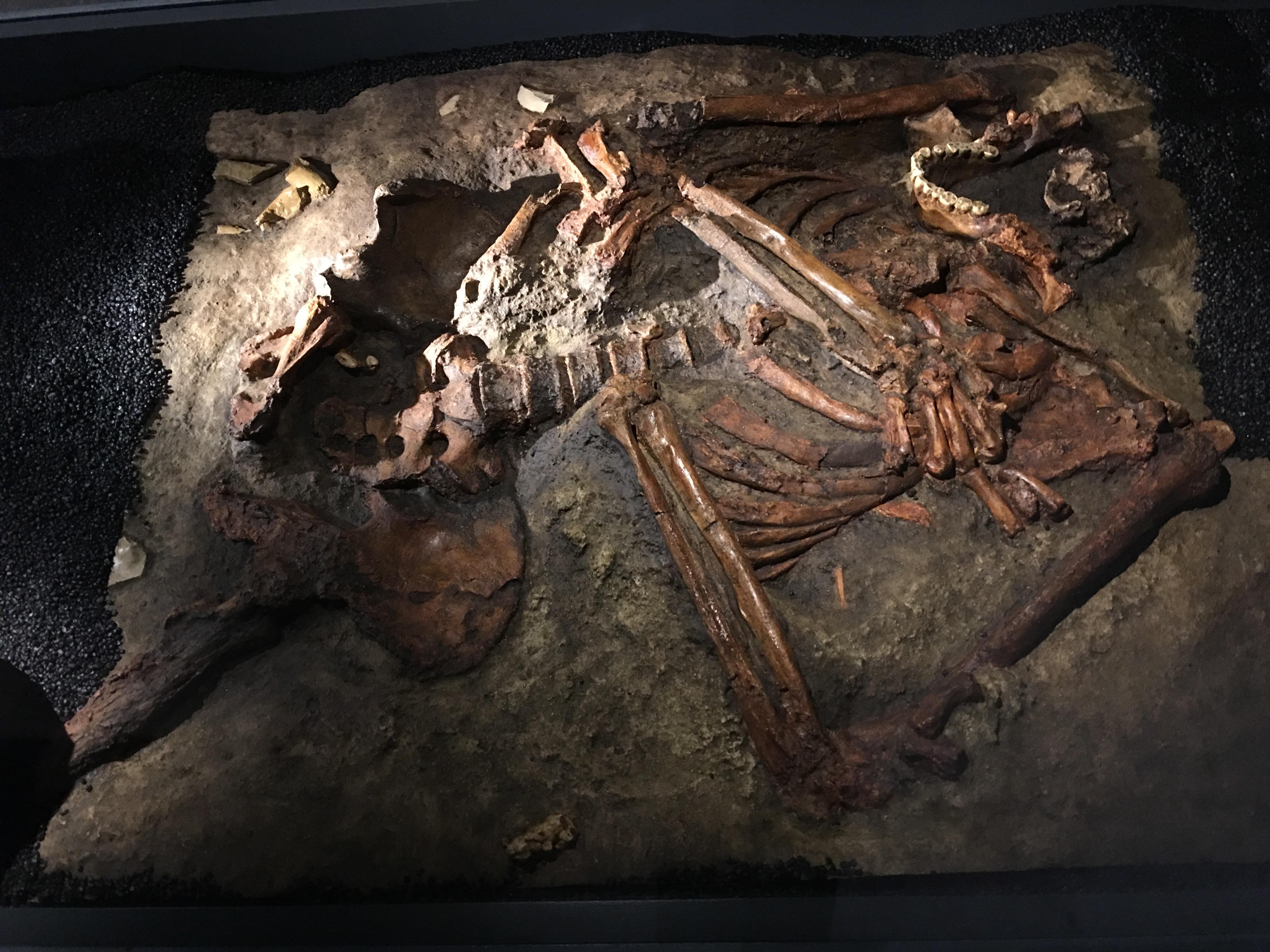
A new Science Advances study explores how deeply evolved regulatory regions in the human genome may still influence language-related abilities in people today. Instead of pinning language on a single “language gene,” the paper argues that ancient noncoding regulatory changes contributed to spoken-language traits through many small effects spread across the genome.
The authors focus on human ancestor quickly evolved regions, or HAQERs, and report that these regions show significant associations with spoken-language measures in present-day datasets. Some of those signals appear to predate the split between modern humans and Neanderthals, suggesting that part of the genomic architecture relevant to language has surprisingly deep evolutionary roots.
The broader picture is that language ability looks like a complex trait shaped by ancient regulatory innovation, long-term selection, and continued variation across human populations. Rather than a simple linear story, the study points to a layered evolutionary history in which old regulatory changes still leave detectable marks in living humans.





Comments