Ancient DNA Reveals Cave-Burial Ancestry in the Formation of Kra–Dai and Hmong–Mien Peoples of Southwest China
– 7 min read


Cave Burial Traditions in Guangxi: Ancient DNA and the Origins of Kra-Dai and Hmong-Mien Peoples
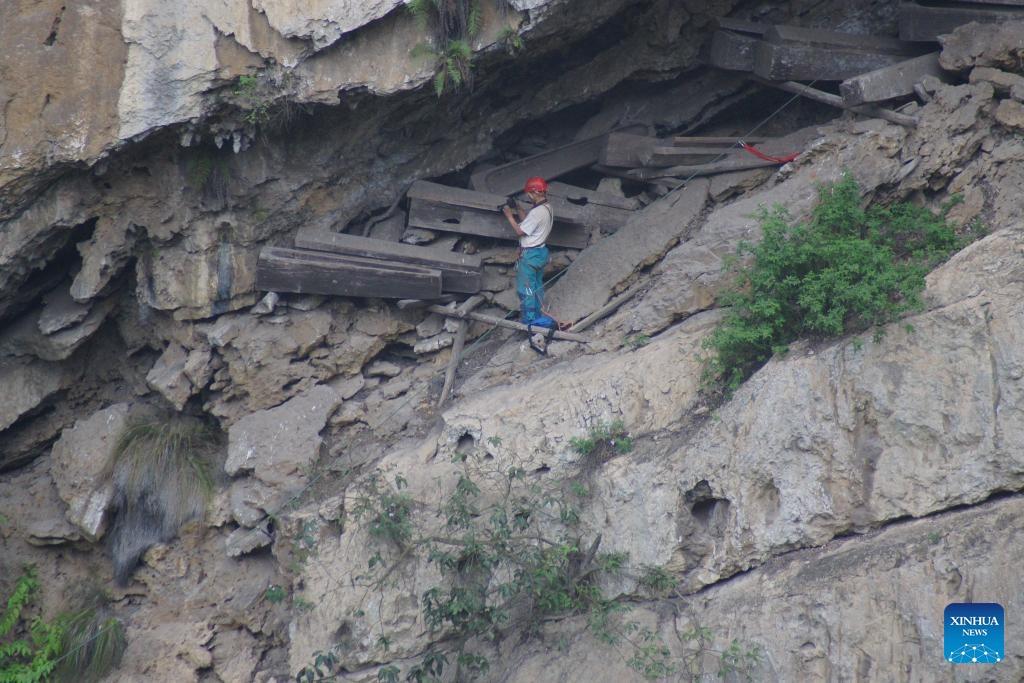
This comprehensive study takes readers into the dramatic limestone landscapes of Guangxi in southwest China, where towering cliffs themselves became sacred cemeteries. For more than a thousand years, local communities carried their dead up treacherous paths to rest in caves high above the rivers, creating a distinctive burial tradition now linked archaeologically and genetically to the ancestors of today's Kra-Dai and Hmong-Mien speaking peoples. Through cutting-edge ancient DNA analysis, these cliff-side tombs reveal themselves not as isolated curiosities, but as crucial archives documenting the complex migrations, cultural exchanges, and genetic mixing that shaped the demographic landscape of southern China and Southeast Asia.
The research focuses on an extensive network of cave burial sites spread throughout the Hongshui River basin and surrounding karst mountains of Guangxi. These include the dramatic chambers of Layi, perched high above rushing waters; the interconnected caverns of Huatuyan and Genggaishan near Huatu Village; the cliff-face tombs of Shenxiandong overlooking ancient trade routes; and the mountain sanctuaries of Banda, Lada, and Cenxun. Each site represents far more than a simple dot on an archaeological map - these are the frozen remnants of distinct communities, each with their own burial practices, kinship networks, and cultural traditions.
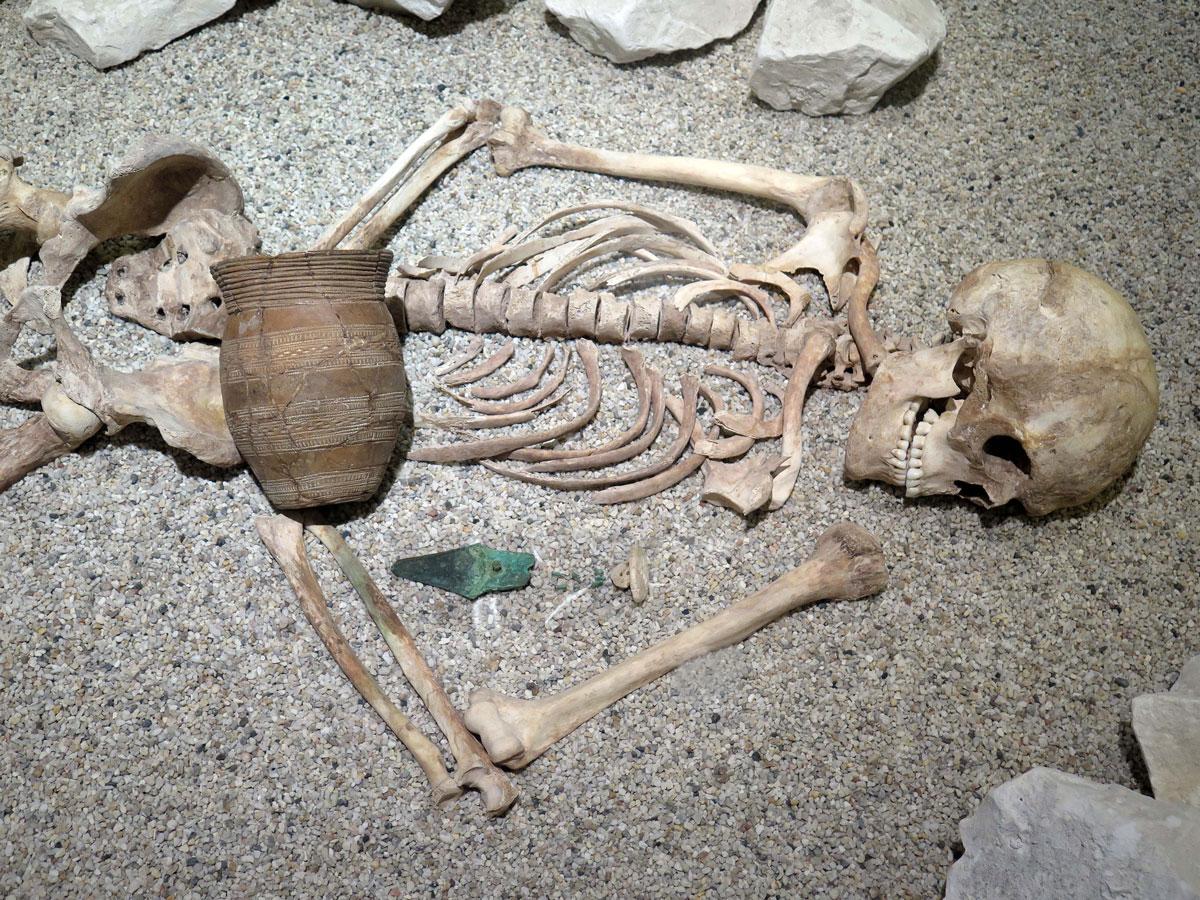
All these burial sites share several key characteristics that set them apart from contemporary lowland cemeteries. Most importantly, they demonstrate the deliberate and consistent use of natural caves and cliff-side openings as sacred repositories for the dead. The deceased were often placed in wooden coffins or laid directly on carefully prepared stone ledges, accompanied by pottery vessels, bronze and iron tools, personal ornaments, and other grave goods that illuminate their daily lives and spiritual beliefs. Earlier archaeological investigations had already traced striking cultural similarities between these Guangxi cave burial sites and related cliff burial traditions found further south, including the famous "hanging coffins" of southern China, northern Thailand, and other parts of Southeast Asia. This new research now provides direct genetic evidence to support and elaborate those previously hypothetical cultural connections.
Using advanced extraction techniques focused on teeth and the dense petrous portions of temporal bones - the skeletal elements most likely to preserve ancient DNA in tropical climates - the international research team successfully reconstructed complete genomes from fourteen newly studied individuals. When combined with previously published genetic data from other cave burial sites in the region, they assembled a remarkable dataset encompassing twenty-six unrelated individuals spanning approximately 1,500 to 300 years ago, covering the late medieval period through early imperial Chinese expansion into the region.
These ancient people fall into two distinct chronological groups that reveal a fascinating story of demographic change over time. The earlier cohort, dating to around 1,500 years before present, shows strong genetic connections to ancient southern and coastal East Asian populations, with particular affinities to early Southeast Asian groups and maritime-oriented communities along the South China Sea. The later group, clustering around 500 years ago, displays a markedly different genetic profile while still maintaining clear southern roots. These more recent individuals carry substantially more ancestry derived from rice and millet farming populations associated with the Yellow River basin and Central Plains of northern China.
Within individual cave sites, the genetic data reveals remarkably consistent patterns among different burials, strongly suggesting that each cave served specific communities bound by kinship ties rather than functioning as anonymous or multi-ethnic burial grounds. The caves emerge as carefully curated ancestral vaults, where families and clans maintained sacred spaces for their dead across multiple generations. This genetic homogeneity within sites, combined with the temporal changes between earlier and later periods, creates a detailed picture of how northern migrations gradually transformed local populations while community burial traditions remained constant.
The research positions these cliff-side cemeteries at the very center of one of East Asia's most important ethnolinguistic stories: the emergence and diversification of modern Kra-Dai speaking groups. Today, this language family encompasses numerous distinct peoples including the Zhuang (China's largest ethnic minority), the Dong of the mountainous regions spanning multiple provinces, the Li of Hainan Island, and smaller groups such as the Maonan, Mulam, Nung, CoLao, and LaChi scattered across southern China and northern Southeast Asia.
Comprehensive genetic comparisons demonstrate that the vast majority of modern Kra-Dai speakers cluster remarkably tightly with the 1,500-year-old Guangxi cave burial individuals when plotted in multidimensional genetic space. This finding provides compelling evidence that many contemporary Kra-Dai communities still carry a profound genetic imprint from those ancient Guangxi ancestors. The caves, it appears, preserved not merely bones and artifacts, but the very genetic core of Kra-Dai demographic history. The strength of this connection varies among different groups, with some communities showing ancestry proportions ranging from approximately one-third cave burial related heritage to nearly complete genetic continuity with these ancient populations.
Several Kra-Dai groups display particularly interesting patterns that illuminate the complex history of the region. The Dong populations of Hunan and Guizhou provinces, for example, shift noticeably toward Hmong-Mien groups in genetic analyses, suggesting extensive historical interaction and intermarriage across linguistic boundaries. Their position in the genetic landscape mirrors their actual geographic situation, sitting at cultural and demographic crossroads where several distinct migration streams converged over centuries.
The CoLao and LaChi peoples present especially intriguing cases that highlight the demographic diversity within the Kra-Dai world. Both groups show clear evidence of having experienced significant population bottlenecks - periods when their numbers dropped dramatically, leading to increased relatedness among survivors and distinctive genetic signatures visible in their modern descendants. The CoLao in particular display connections to very ancient lineages known from Paleolithic and early Neolithic hunter-gatherer remains found at sites like Longlin in Guangxi, Hoabinhian archaeological contexts in Laos, and even the Jomon populations of prehistoric Japan. One CoLao individual analyzed in the study appears genetically closer to Hmong people than to other CoLao, possibly reflecting historical adoption practices, intermarriage across ethnic boundaries, or simply documentation errors in recent times.
The study also employs these ancient cave burial populations to illuminate the complex demographic history of Hmong-Mien speaking peoples, whose modern descendants include the Hmong and Mien of Southeast Asia's mountains, the She of southeastern China's hills, various Miao groups, and numerous related communities scattered across the region's uplands. Archaeologists had long suspected that specific cave burial traditions in certain parts of Guangxi, particularly around the Nandan area, represented early Hmong-Mien cultural practices, but this research provides the first direct genetic confirmation of those relationships.
One of the most compelling pieces of evidence comes from the Baiku Yao, a present-day group renowned for maintaining cave burial practices well into recent centuries. Their genetic profiles sit extraordinarily close to Huatuyan cave burial individuals in multidimensional analyses, definitively confirming that the living Baiku Yao represent direct cultural and biological heirs to the communities who once carried their dead into the shadowy limestone chambers above Nandan's river valleys. This connection transforms the Huatuyan caves from anonymous archaeological sites into family spaces with documented continuity spanning half a millennium.
The broader Hmong-Mien story revealed by this research shows a fascinating demographic split that occurred as ancestral populations spread southward from the Guangxi region. Hmong-Mien groups that remained within or close to modern China's borders experienced extensive genetic mixing with incoming Han Chinese and other northern populations, particularly during the massive state-sponsored migrations of the Ming and Qing dynasties. These communities today carry substantial proportions of Yellow River farmer ancestry alongside their cave burial heritage. In contrast, Hmong-Mien populations that migrated further south into the mountains of Vietnam, Laos, and Thailand remained much more genetically similar to the original Guangxi cave burial populations, preserving ancient southern genetic signatures that have been diluted elsewhere.
Guangxi emerges from this research as a true demographic and cultural crossroads - a region where people from the northern plains, southern coasts, and Southeast Asian interior met, interacted, exchanged genes and cultural practices, and sometimes chose to bury their dead in caves. The ancient cave burial individuals carry this complex historical process directly in their DNA sequences. During earlier periods, around 1,500 years ago, they closely resembled other ancient southern populations: maritime-oriented fisher-farmers and small-scale cultivators distributed along the rivers and coasts of southern China and Southeast Asia.
Over subsequent centuries, newcomers from the Yellow River basin arrived in increasing numbers, bringing new agricultural techniques, technological innovations, administrative systems, and genetic lineages. Rather than completely displacing the older populations through conquest or epidemic disease, these northern migrants primarily integrated with existing communities through intermarriage and cultural exchange. This process of demographic mixing did not produce a single homogeneous "southern" population, but rather generated a rich patchwork of communities with varying proportions of different ancestral components.
Some Kra-Dai groups, particularly those in more remote mountainous areas, retained especially strong genetic connections to the 1,500-year-old cave burial ancestors. Many Hmong-Mien groups, especially those who migrated further south into mainland Southeast Asia's uplands, remained even closer to the 500-year-old cave burial populations in their genetic profiles. Others, particularly communities that remained closer to major Han Chinese population centers and administrative capitals, bear much heavier genetic signatures of northern ancestry reflecting centuries of continued interaction with incoming groups.
The limestone caves of Guangxi thus function as far more than repositories for ancient skeletons and grave goods. They provide an unprecedented window into the long, complex process by which the Kra-Dai and Hmong-Mien cultural worlds took shape, revealing how local burial traditions, river valley trade networks, mountain pass migration routes, and long-distance demographic movements together created the diverse ethnic landscape of southwest China and northern Southeast Asia. Through the genetic stories preserved in these cliff-side tombs, we can trace the deep historical roots of communities that continue to shape the region's cultural diversity today, connecting ancient burial chambers to living villages across a vast geographic and temporal span.
Original source: https://doi.org/10.1093/molbev/msag034
Comments