The Skanke Family
– 3 min read


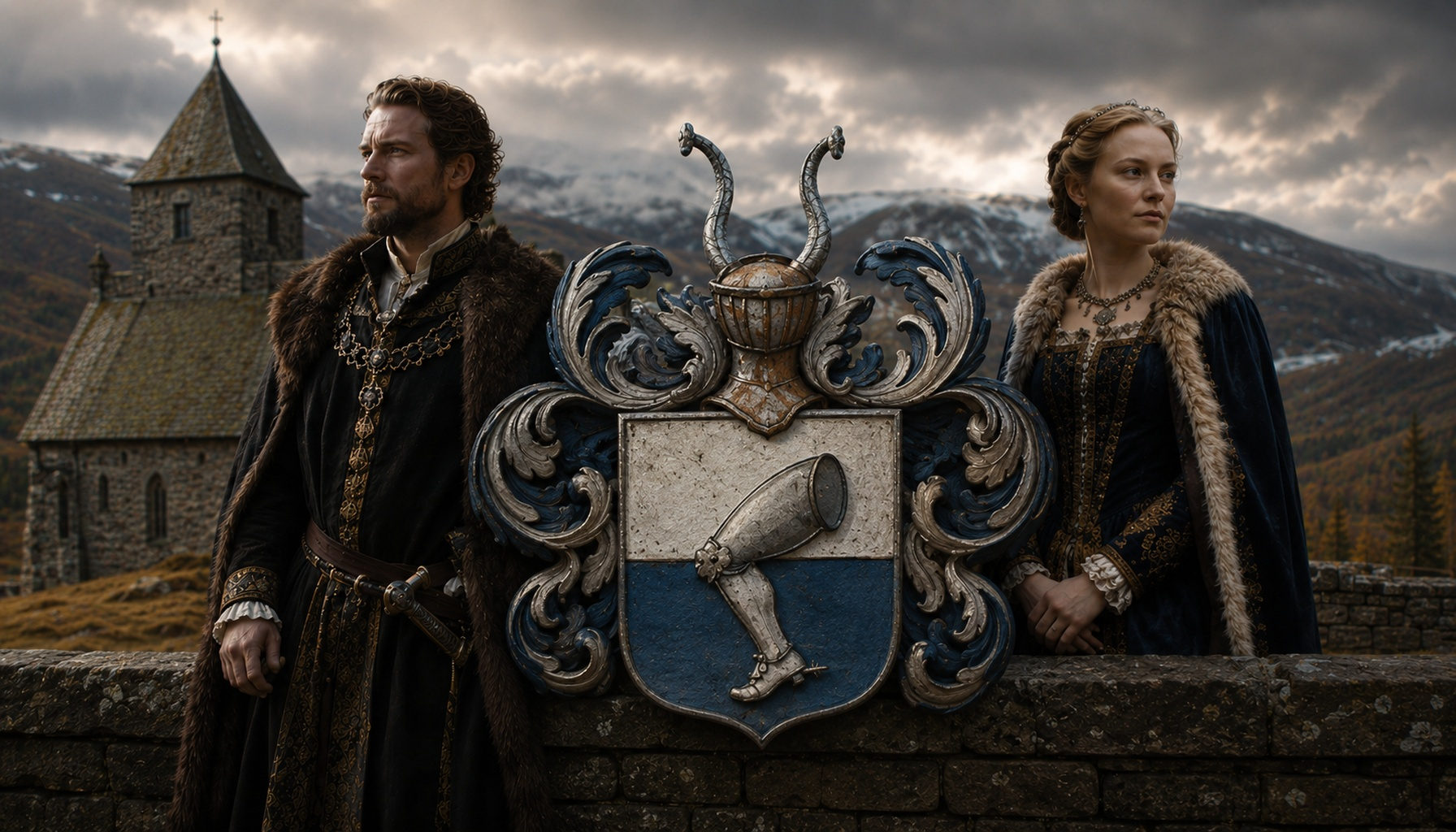
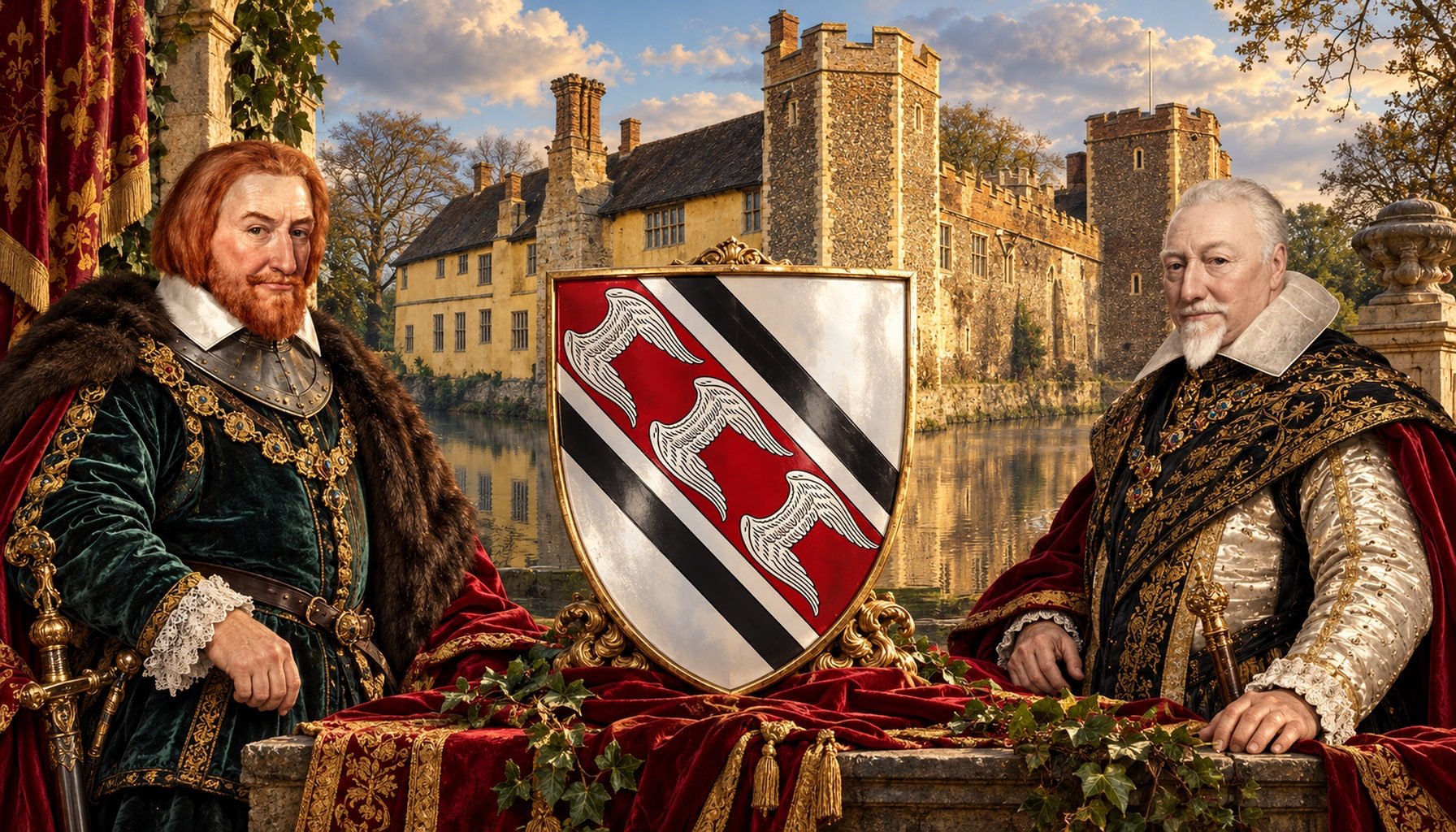
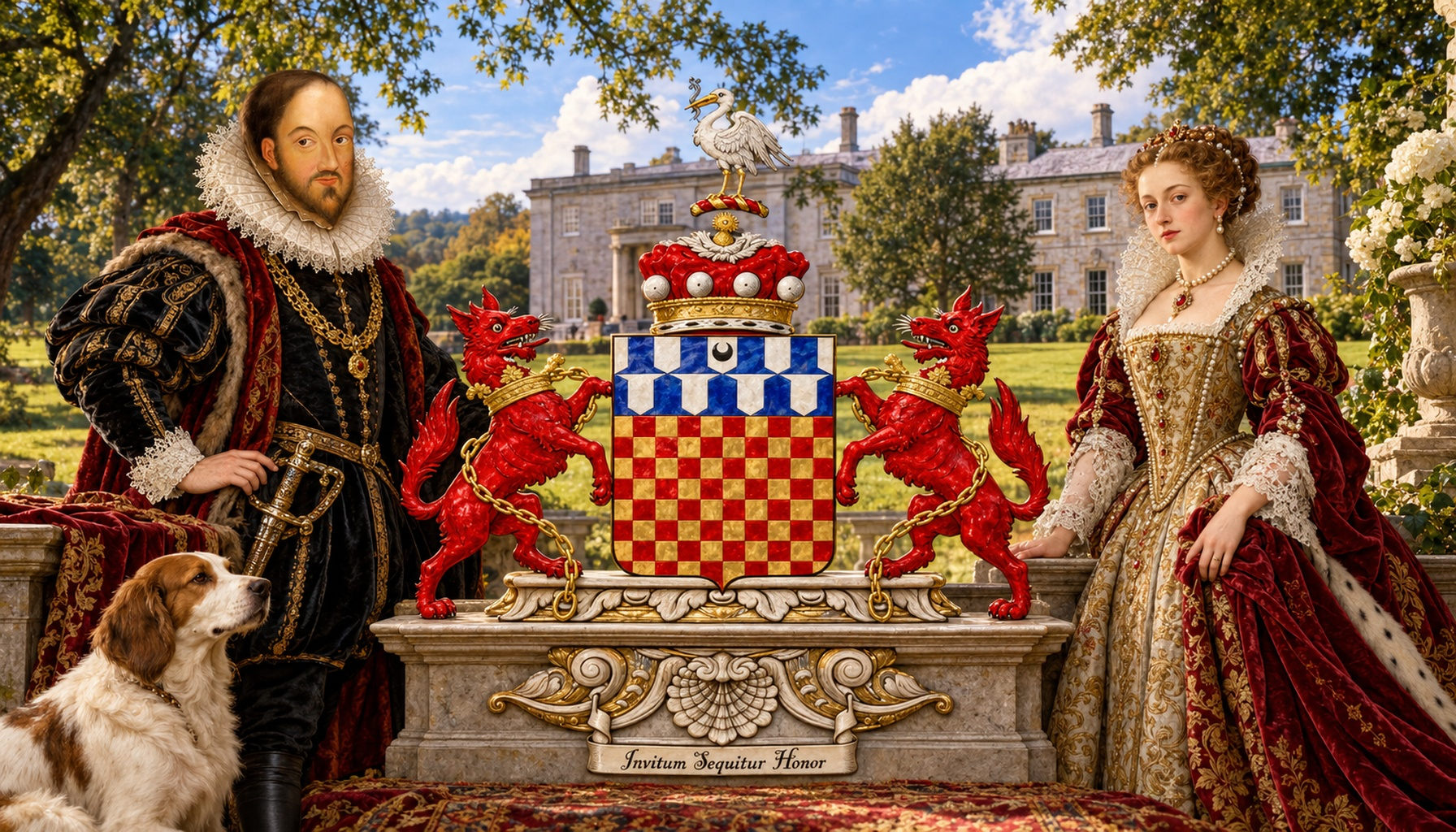
Adelslekta Skanke was a Scandinavian noble family rooted in the old borderlands of Norway and Jamtland, remembered not as a royal house but as one of those enduring aristocratic lineages that mattered enormously in local and regional life. Their story belongs to the medieval Nordic world of estates, heraldry, office-holding, kinship, and public duty, where a family name and coat of arms could carry weight across generations. In haplogroup terms, the primary family association here is R1b1a1b1a1a1b1a, a lineage with deep roots across parts of prehistoric and historic Europe.
The Skanke heritage reflects a familiar Scandinavian pattern: medieval roots, landholding, regional authority, service within the Nordic social order, and a strong sense of ancestral continuity. This was a family whose identity was preserved through memory, office, and place rather than sovereignty. Named figures help anchor that long arc: Karl Pedersson Schancke pa Hov (1360-1430), Orjan Karlsson Skanke (1394-?), and Jon Mogensson Skanke (1619-?) all belong to that chain of remembered lineage. The family is especially associated with the historic Norwegian and Jamtland sphere, where noble status was often expressed through practical influence on the ground as much as through grand courtly display.
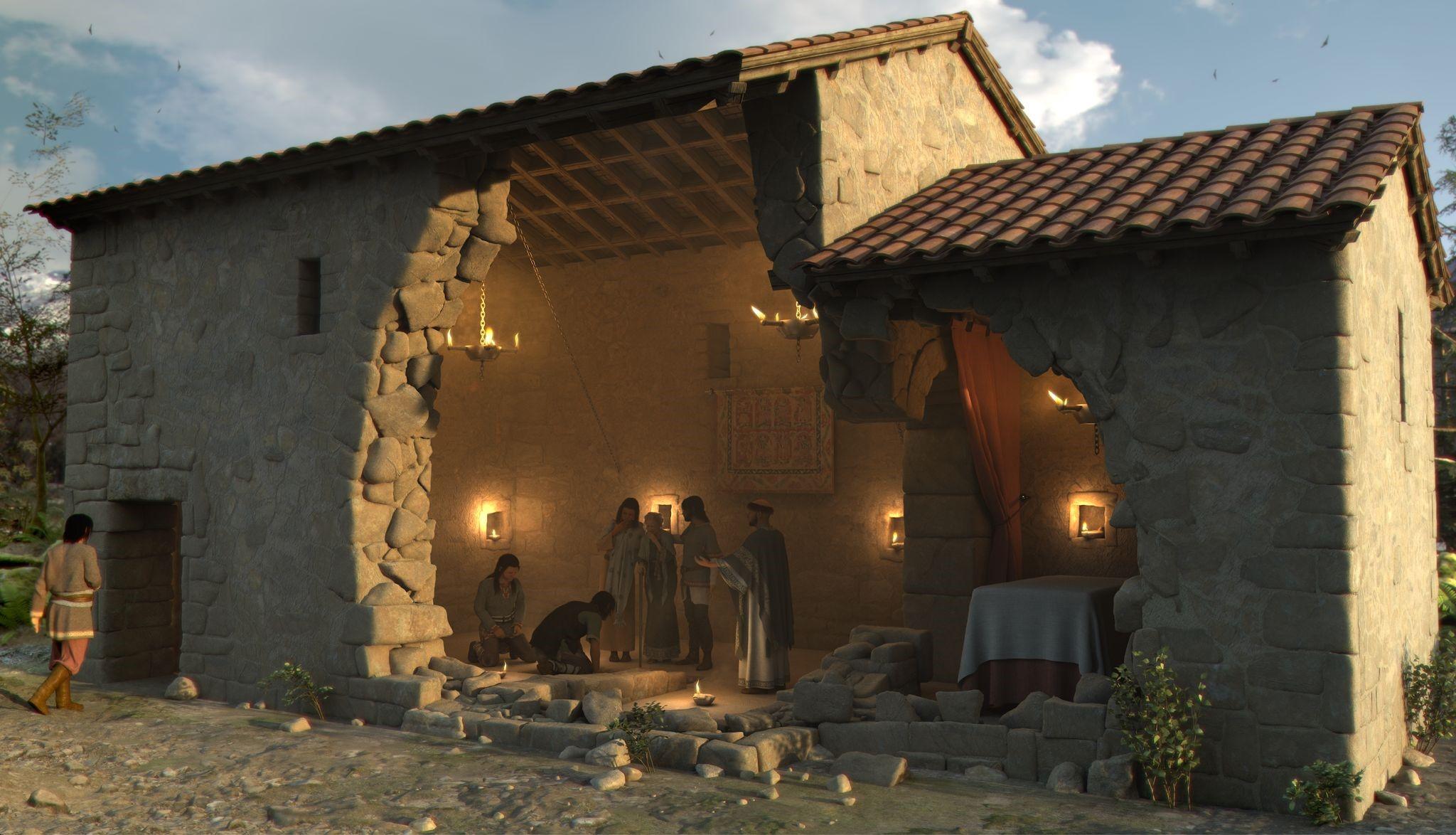
A useful location anchor for understanding the world in which families like the Skankes operated is Bergenhus Fortress in Bergen, one of the oldest and most important fortification sites in Norway. Sitting at the entrance to Bergen's harbour, Bergenhus grew out of the high medieval period when Bergen was one of Norway's principal political centers and a key hub in trade, administration, and royal government. The complex includes Hakon's Hall, a great stone royal hall built in the 13th century during the reign of King Hakon Hakonsson, and the Rosenkrantz Tower, later reshaped into one of the most recognizable strongholds in the kingdom. In other words, this is not just a ruin in a picturesque setting: it is a place where royal authority, noble service, military defense, and administrative power all met. For families tied to Norway's aristocratic tradition, Bergenhus evokes exactly that world of fortified governance and regional influence. Better still, it is still standing and can be visited today, which gives the Skanke story a very tangible historical landscape.
Read more about the Bure Family
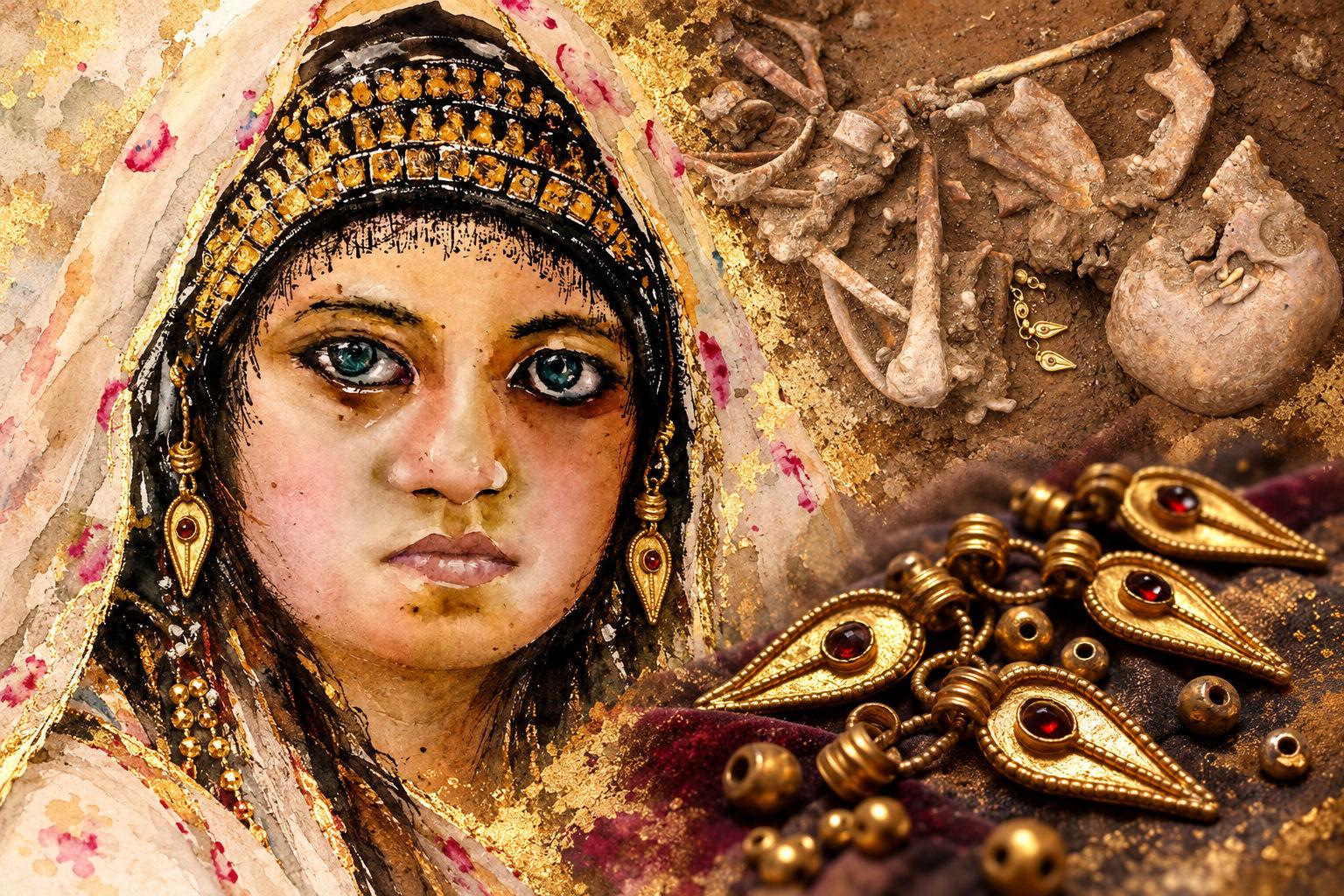
The Skanke family's primary haplogroup tag, R1b1a1b1a1a1b1a, links them in a broad paternal-line sense to a wide spread of ancient and medieval individuals across Europe, though that does not mean proven direct descent from any of them. Rather, it places the family within a much bigger historical pattern visible in archaeogenetics. Related or linked samples include Bronze Age Unetice Thuringia at Leubingen Sommerda, Germany (LEU007), Viking Age Sigtuna, Sweden (urm160 and urm160x), Viking Age Northern Norway Engholmen (CGG107013), Pre-Viking Age Norway Helgeland Enge Somna (CGG107037), Danii-associated burials from Sjaelland and northwest Sjaelland in Denmark such as CGG107446, CGG107423, CGG106724, and CGG106720, Nordic Bronze Age Denmark Karlstrup samples CGG106705_CGG106706 and CGG106708, Battle Axe Sweden L Beddinge 56 (RISE98), Saxon England West Heslerton samples I11583 and I11584, Early Anglo-Saxon Buckland Dover samples including BUK025 and BUK064, Medieval England Cambridge Benet Street (ATP_PSN_496), Merovingian Frankish Moemlingen Germany (Mln42), Thuringii-linked Obermoellern (OBM025), and Medieval Belgium Sint-Truiden samples such as ST0024 and ST0323. Taken together, these linked samples show how one paternal lineage can appear across Bronze Age chiefdoms, Roman frontier communities, Germanic groups, Viking Age towns, and medieval Christian Europe. That is the real fascination here: not a fairy-tale bloodline, but a long, traceable thread through the peopled history of northern and central Europe.
If you have Skanke roots, Norwegian or Jamtland ancestry, or simply an interest in Scandinavian noble history, uploading your DNA can help you see whether you match the Skanke family profile or related ancient DNA samples connected to haplogroup R1b1a1b1a1a1b1a. That is where family history becomes wonderfully concrete: names in documents, places on the map, and deep ancestry all starting to speak to one another.
Comments