Clan Waugh
– 3 min read


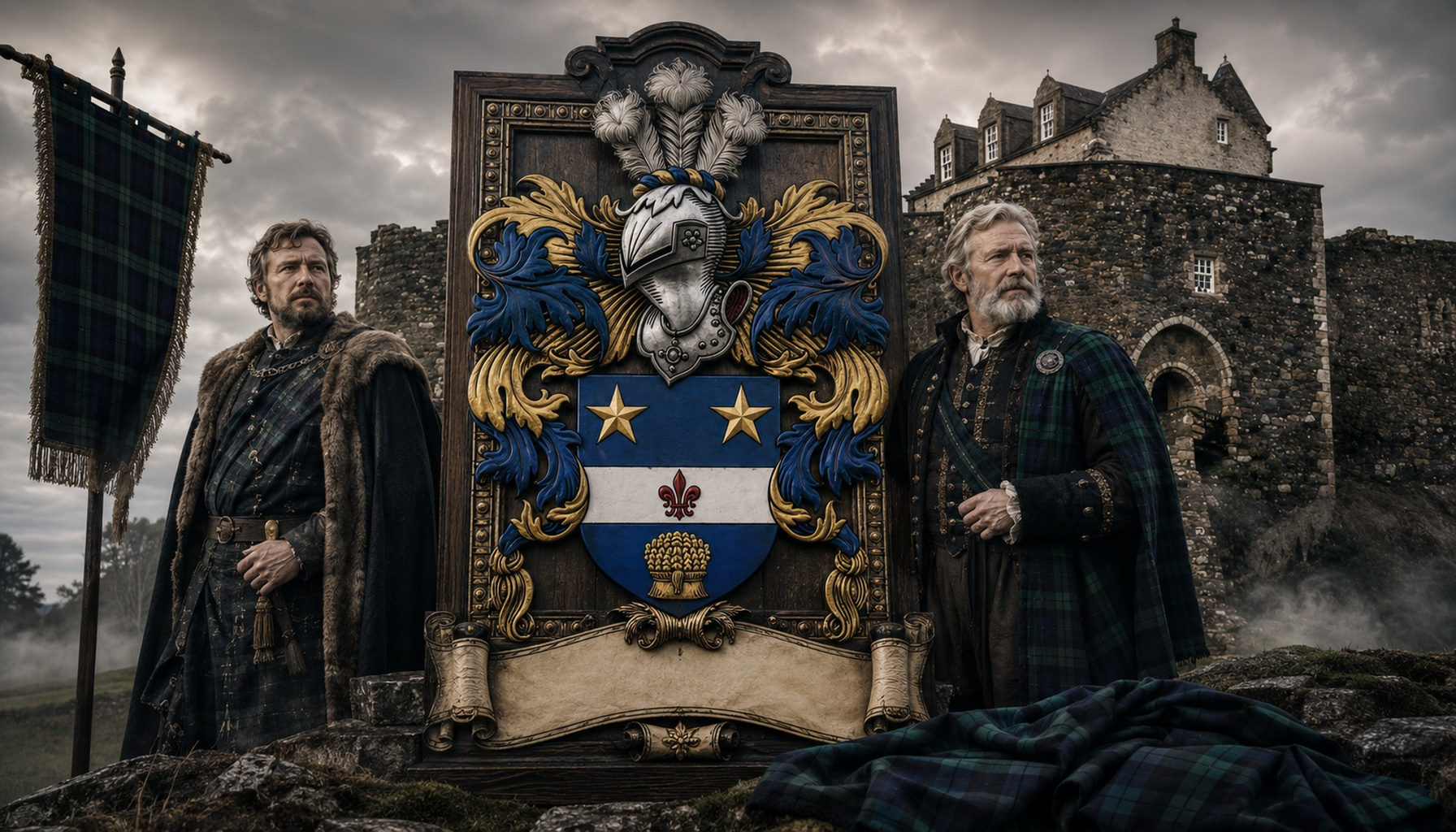
Clan Waugh was not one of the great princely houses of Scotland, but that is rather the point. It belongs to the sturdy world of the Scottish Borders and Lowlands, where family identity was built less on crowns and grand courts than on land, local standing, public duty, and the hard business of continuity. The surname Waugh, often linked in older forms to Wauchope and related Border place-associations, grew out of a regional landscape shaped by marcher politics, shifting loyalties, farming communities, parish life, and service to local society. In genetic tagging terms, the primary family haplogroup associated here is R1b1a1b1a1a2c1a1k, a lineage with deep roots across western and northern Europe and strong relevance to Britain.
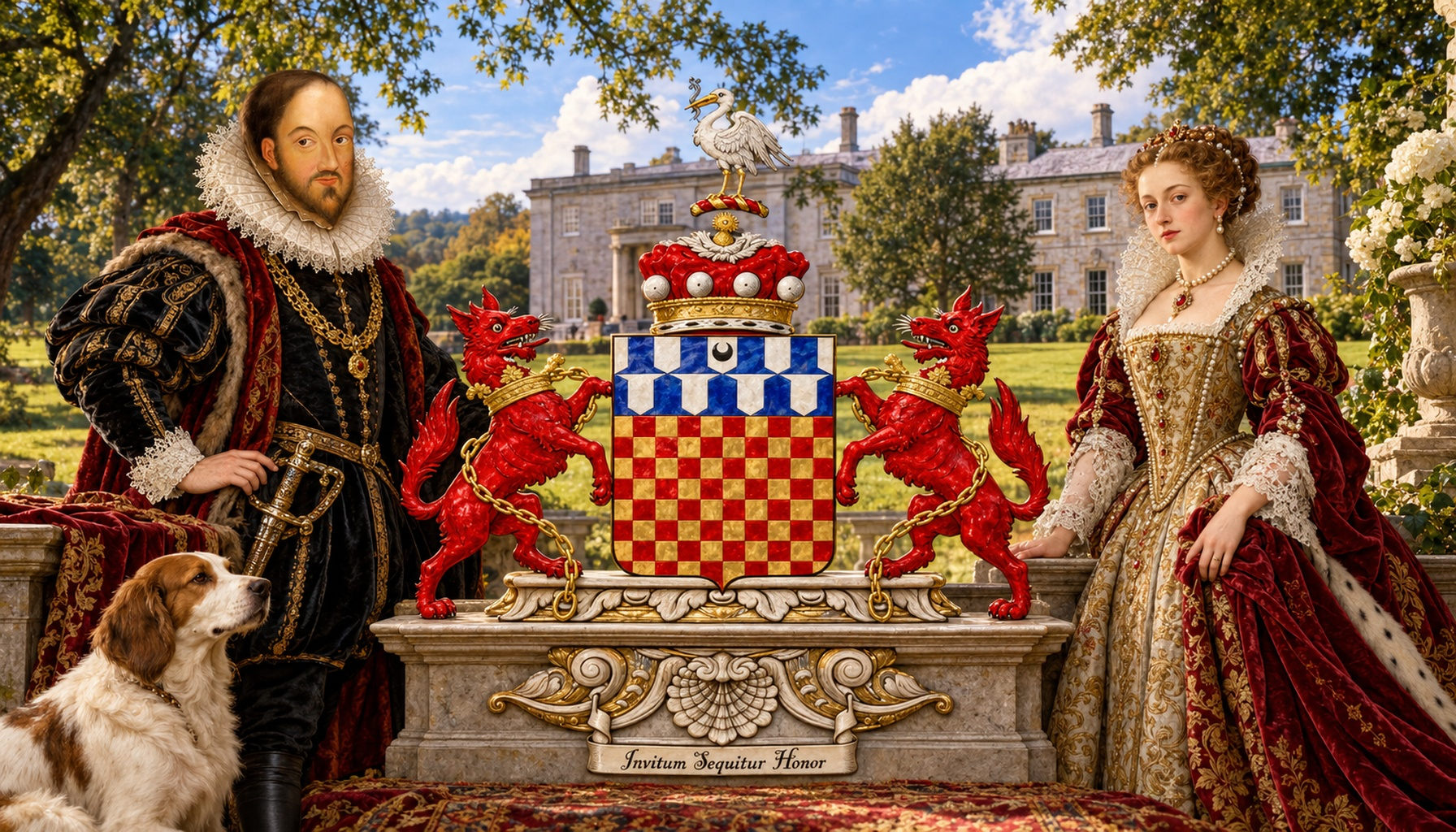
Historically, the Waugh story fits a recognisable Lowland pattern: a surname held together across generations by memory, place, and usefulness. These were families who endured because they mattered to their communities. Heraldic tradition helps preserve that identity, but the deeper inheritance is social rather than royal. One early named figure is Robert de Wauchope, recorded in 1249, a reminder that the family emerges in the written record during the high medieval period when surnames, landholding identities, and regional obligations were becoming more fixed in southern Scotland. Clan Waugh therefore stands as a good example of resilient Border ancestry: practical, rooted, and not at all dependent on lofty titles to leave a mark.
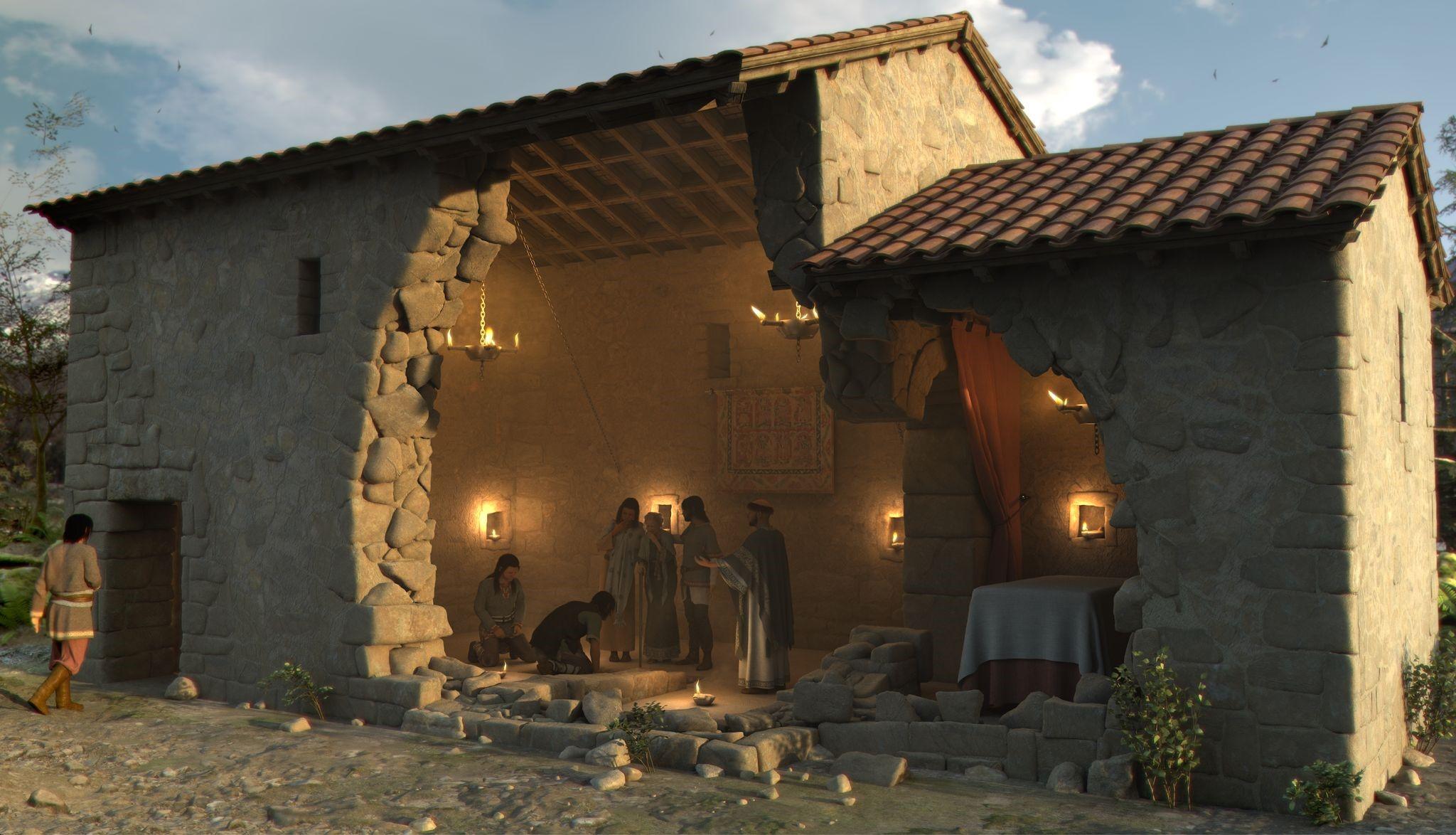
A useful location anchor for the wider Waugh and Wauchope tradition is Cakemuir Castle in the Scottish Borders, near Heriot in Midlothian, in the old hill country south of Edinburgh. The castle is a tower house, probably dating in its surviving form to the sixteenth century, though it stands in a region where family occupation and defensive settlement go back much further. What survives today is partly ruinous but still quite evocative: a rectangular stone tower with the familiar Border sense of compact strength, built for security as much as display. This is exactly the kind of place that helps explain Lowland family history, where architecture was shaped by instability, kinship, and local control rather than palatial ambition. Cakemuir is also associated with the Wauchopes, whose name and setting sit close to the historical world from which Waugh traditions are often discussed. As a standing historic ruin, it can still be visited from the outside, and the site remains a tangible reminder of the landscape that formed these Border surnames.
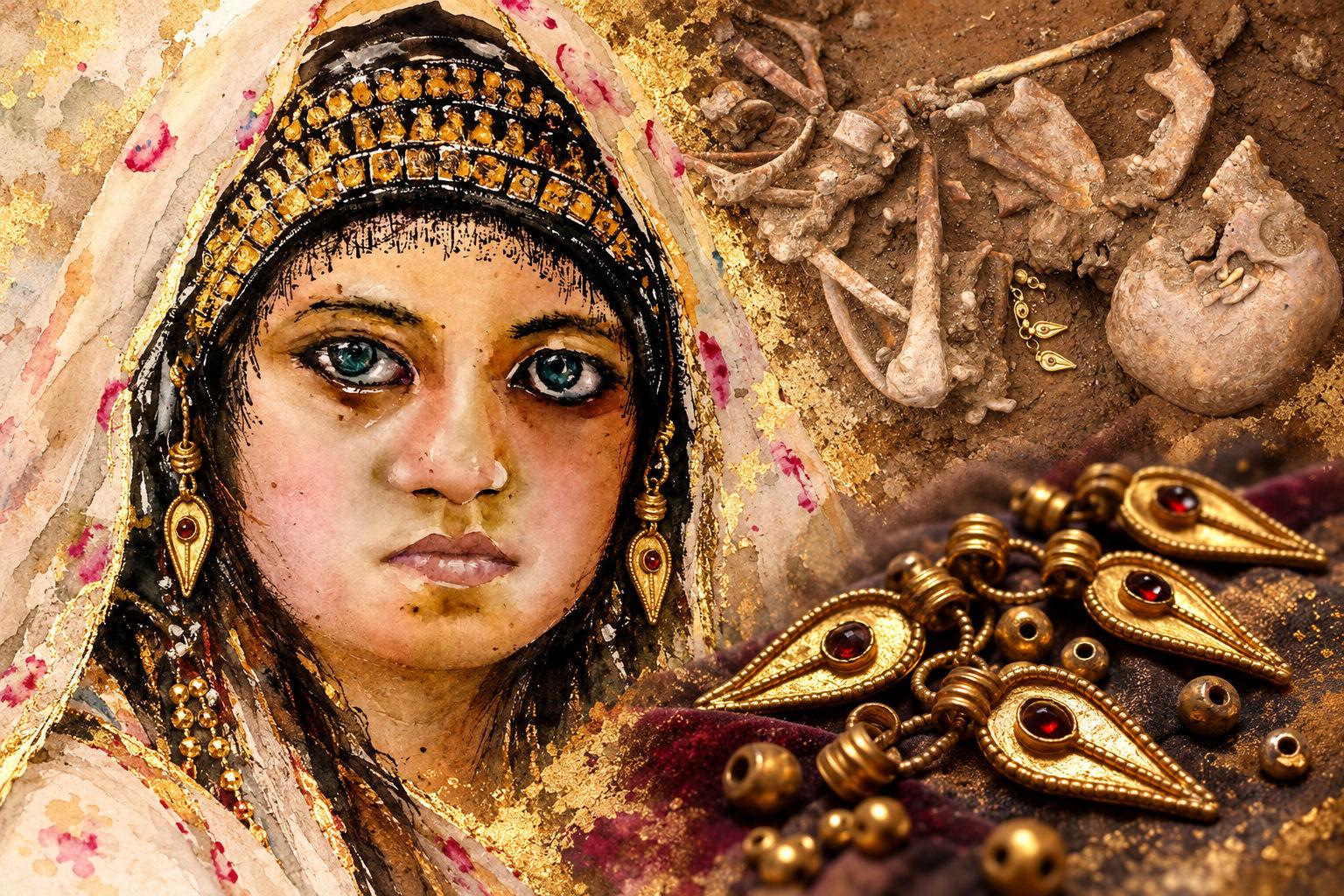
The haplogroup tag R1b1a1b1a1a2c1a1k links Clan Waugh, at least in a broad paternal-line sense, to a wide and fascinating spread of ancient individuals across Britain and beyond. These are not claims of direct descent from named excavated people, but they are useful related markers for the deeper population history around the family line. Particularly striking are the many linked Celtic Durotriges samples from Duropolis at Winterborne Kingston in England, including WBK12, WBK20, WBK29, WBK41, WBK05, WBK30, WBK43, WBK06, WBK08, WBK18, and WBK191, which place this paternal branch firmly in the world of later prehistoric Britain. Other linked samples include Late Bronze Age Covesea Caves in Moray, Bronze Age and Iron Age individuals from Kent, Wiltshire, Somerset, Yorkshire, Orkney, East Lothian, Applecross, West Lothian and Wales, plus Pict-era Orkney examples such as CGG018915 and CGG018915x. Beyond Britain, related R1b1a1b1a1a2c1a1k-linked samples appear in medieval Spain at Las Gobas, Gaulish Italy at Verona, Roman Croatia at Zadar, early medieval Belgium, Merovingian Germany, medieval Ireland, Viking Age Hedeby, and even later contexts shaped by migration and empire. In other words, this is a lineage with a properly long European story, one that sits comfortably with the mixed but continuous ancestry of Border and Lowland Scotland.
If you carry the Waugh surname, have Wauchope connections, or simply suspect Border and Lowland Scottish roots, DNA can add another layer to the paper trail. Uploading your results can help you see whether you match Clan Waugh, its associated haplogroup R1b1a1b1a1a2c1a1k, or related ancient DNA samples from Iron Age Britain, Pictish Scotland, medieval Ireland, and beyond.
Comments