Clan Turnbull
– 3 min read


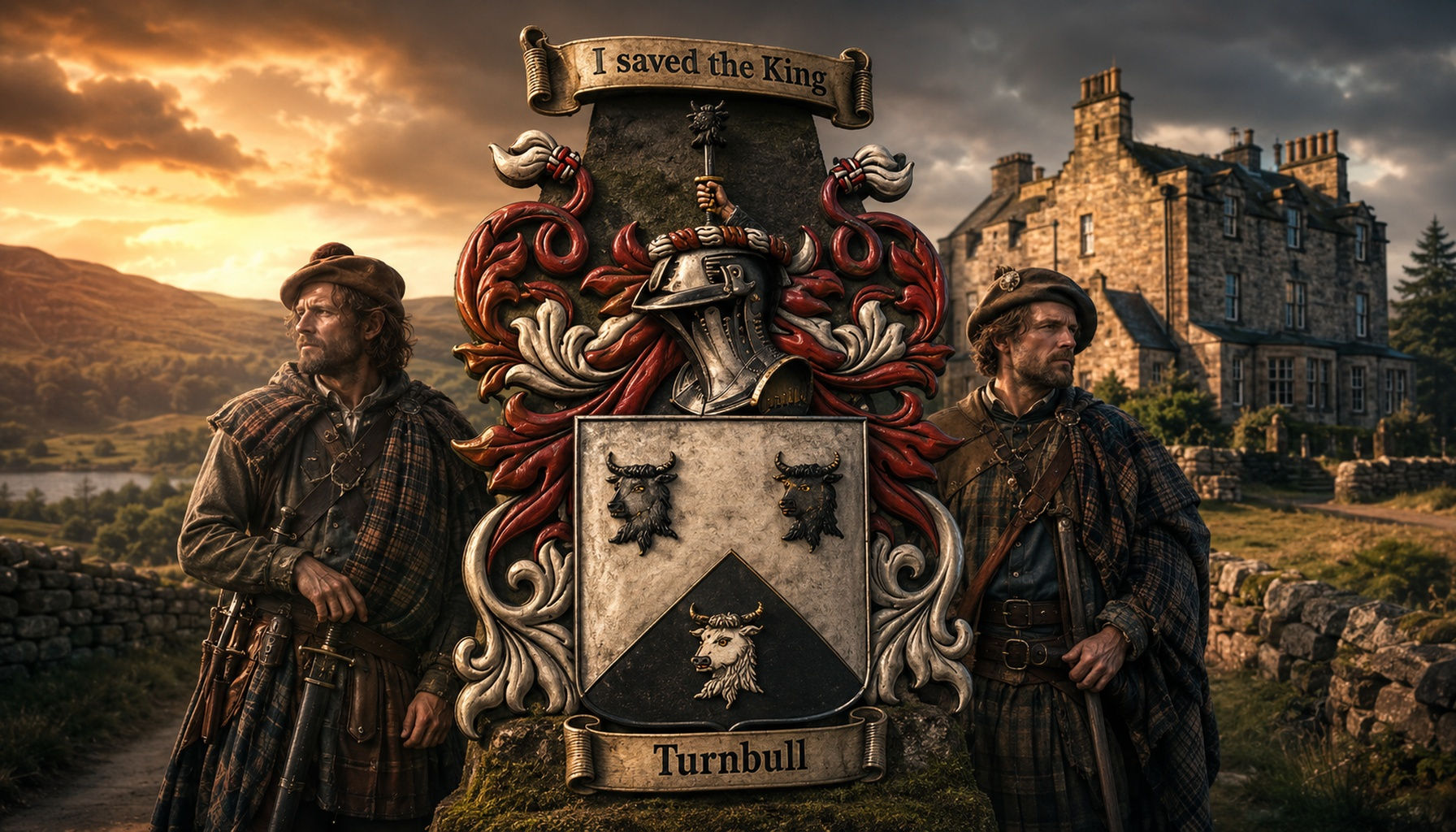
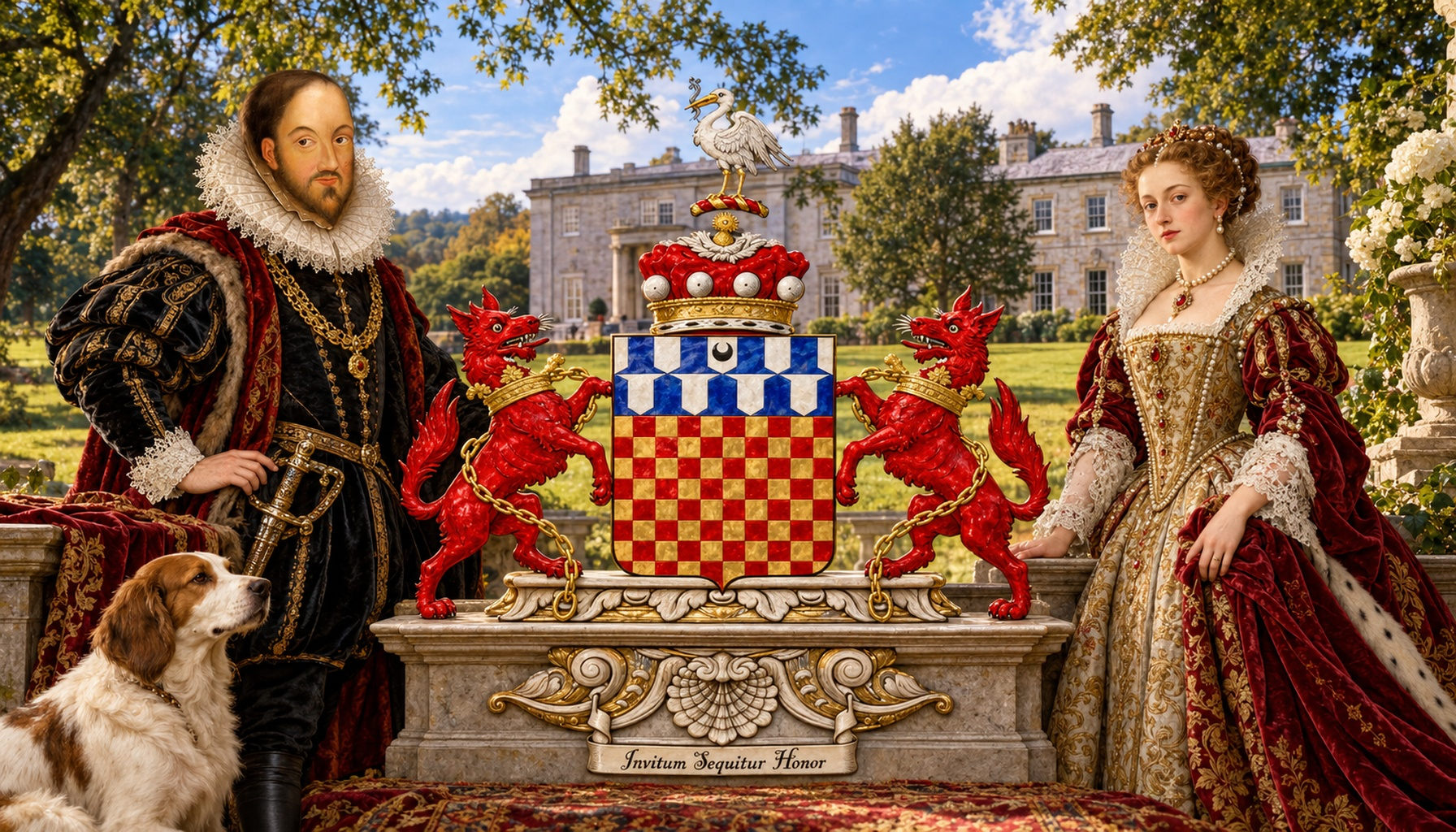
Clan Turnbull was one of the notable riding families of the Scottish Borders, rooted above all in Roxburghshire and shaped by the harsh world of the Anglo-Scottish marches. This was a frontier society where land, kin, loyalty, and sheer toughness mattered every bit as much as noble theory. The Turnbull name carries one of the great heraldic legends of the Borders: the story of a man who turned, checked, or confronted a charging bull, a tale that neatly captures the clan's long reputation for courage and physical force. In genetic terms, the primary family haplogroup associated here is R1b1a1b1a1a2c1a4c, a branch within the wider R1b line so common across much of western Europe.
Historically, the Turnbulls belong to that very Border pattern of identity: locally anchored, martial in reputation, and resilient in the face of repeated instability. Their heritage grew not from courtly distance but from service, landholding, and survival in a contested region where raids, feuds, and shifting crowns were facts of life. Early named figures help place the family in this medieval landscape, including William Turnbull in 1315 and James Turnbull in 1333. Whether remembered through record or legend, the Turnbulls came to stand for a distinctly frontier kind of Scottishness: independent, hard-pressed, and deeply loyal to name and place.
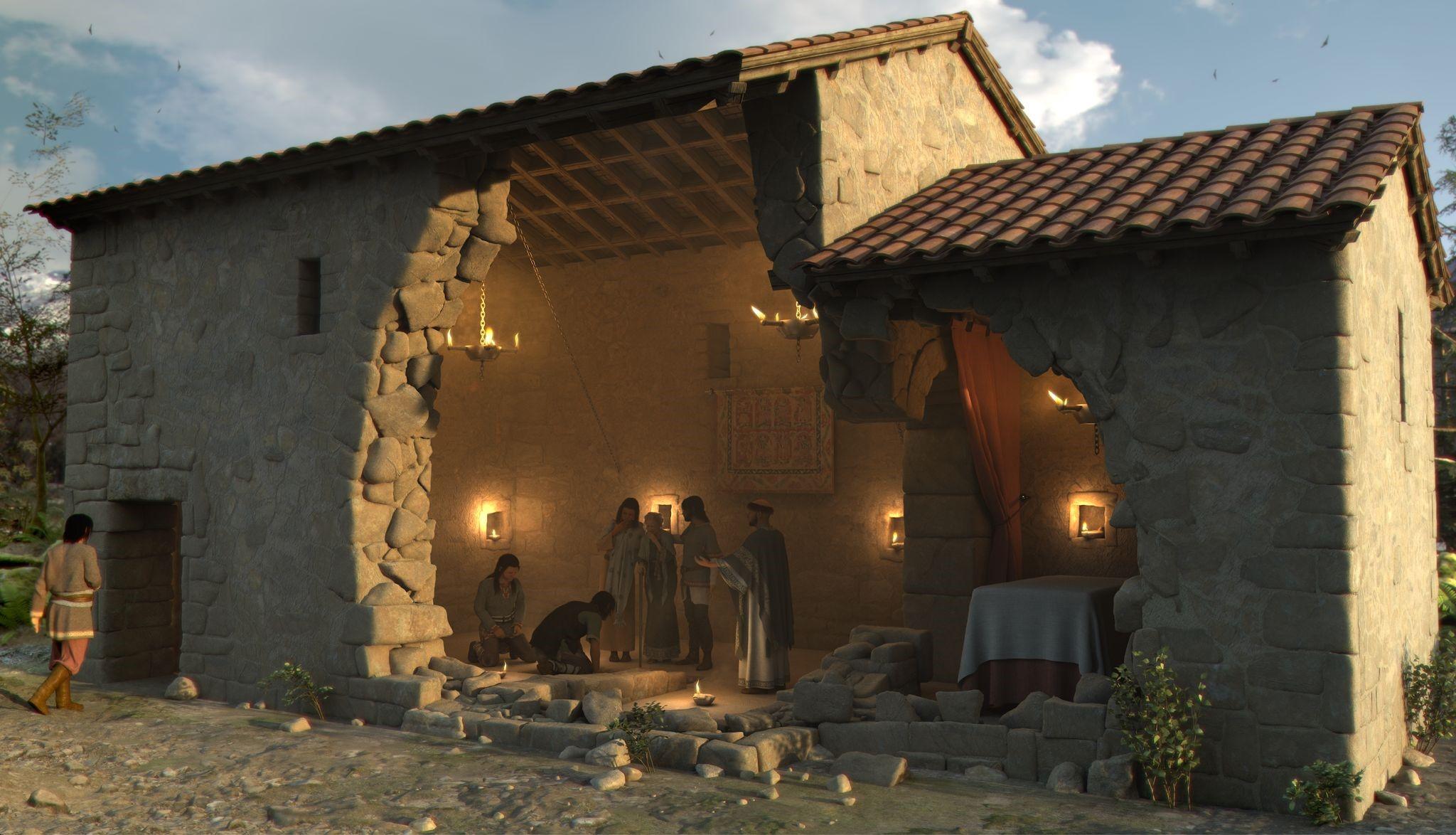
One of the strongest location anchors for Turnbull heritage is Fatlips Castle, near Denholm in Roxburghshire, in the old heartland of Border power. The present tower house is generally dated to the 16th century and is traditionally associated with the Turnbulls, who held it as part of their network of local strength and kin influence. It stands in a landscape that tells its own story: not a grand royal setting, but a practical, defensive Border world of towers, watchfulness, and family territory. The building is a ruined L-plan tower house, with thick walls and the remains of its once-formidable structure still visible, a reminder of the kind of architecture produced by generations who expected danger rather than peace. It is now roofless but survives as a striking ruin, and because it still stands in accessible form, it can reasonably be said that it may still be visited by those exploring the Borders and their clan history. In a way, Fatlips is the perfect Turnbull monument: rugged, memorable, and inseparable from the unsettled history of the marches.
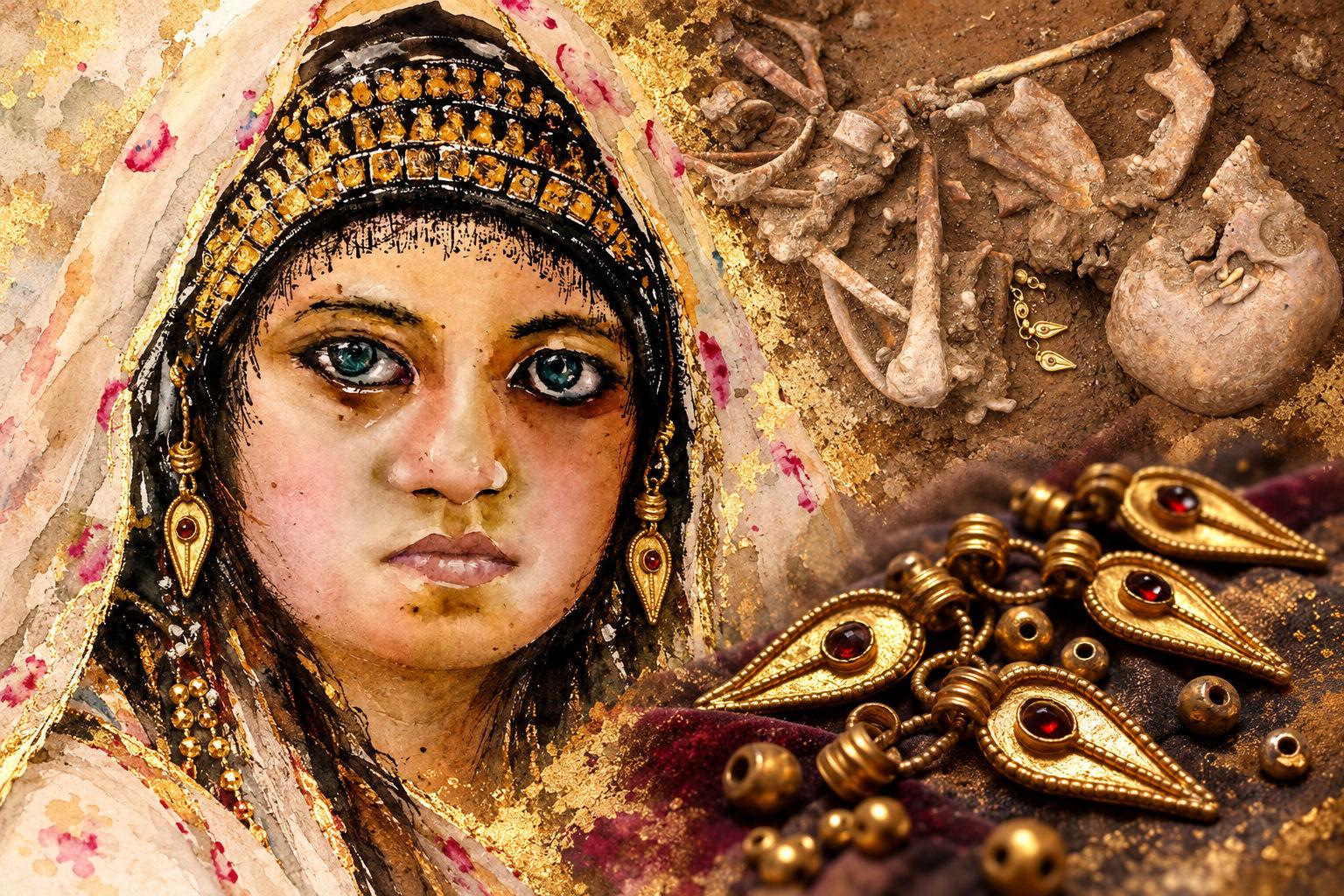
The haplogroup R1b1a1b1a1a2c1a4c linked with Clan Turnbull belongs to a wider ancient pattern seen across Britain and parts of Atlantic and western Europe. Related or linked ancient DNA samples include several Celtic Durotriges individuals from Duropolis at Winterborne Kingston in England, such as WBK12, WBK20, WBK29, WBK41, WBK05, WBK30, WBK43, WBK06, WBK08, WBK18, and WBK191, alongside British and Scottish-era examples like Iron Age Hillfort Broxmouth East Lothian Scotland (I16504 and I2695), Pict Era Scotland Orkney Mine Howe (CGG018915 and CGG018915x), Late Bronze Age Covesea Caves Moray Scotland (I2859x), Bronze Age Orkney Westray Links of Noltland (KD061), and Iron Age Highland Applecross Scotland (I3566 and I3567). The same broader paternal line also appears in a remarkably wide spread of related contexts, from Iron Age and Celtic southern Britain to Roman, early medieval, and medieval sites in Ireland, Iberia, Belgium, Germany, Croatia, and beyond. That does not prove direct descent from any one ancient individual, of course. What it does suggest is that the Turnbull-associated line sits within a deep and well-attested western European paternal heritage, one that long predates the medieval Borders and later reappears in many of the populations from which Border clans emerged.
Read more about Clan Rutherford
If you carry the Turnbull name, have Border ancestry, or simply suspect a family connection to Roxburghshire and the old frontier world, DNA can add another layer to the story. Uploading your results to MyTrueAncestry lets you explore whether you match Clan Turnbull connections or any of the related ancient DNA samples linked with haplogroup R1b1a1b1a1a2c1a4c, from Iron Age Britons to Pict-era and medieval individuals across Britain and Europe.
Comments