Clan Roxburghe
– 3 min read


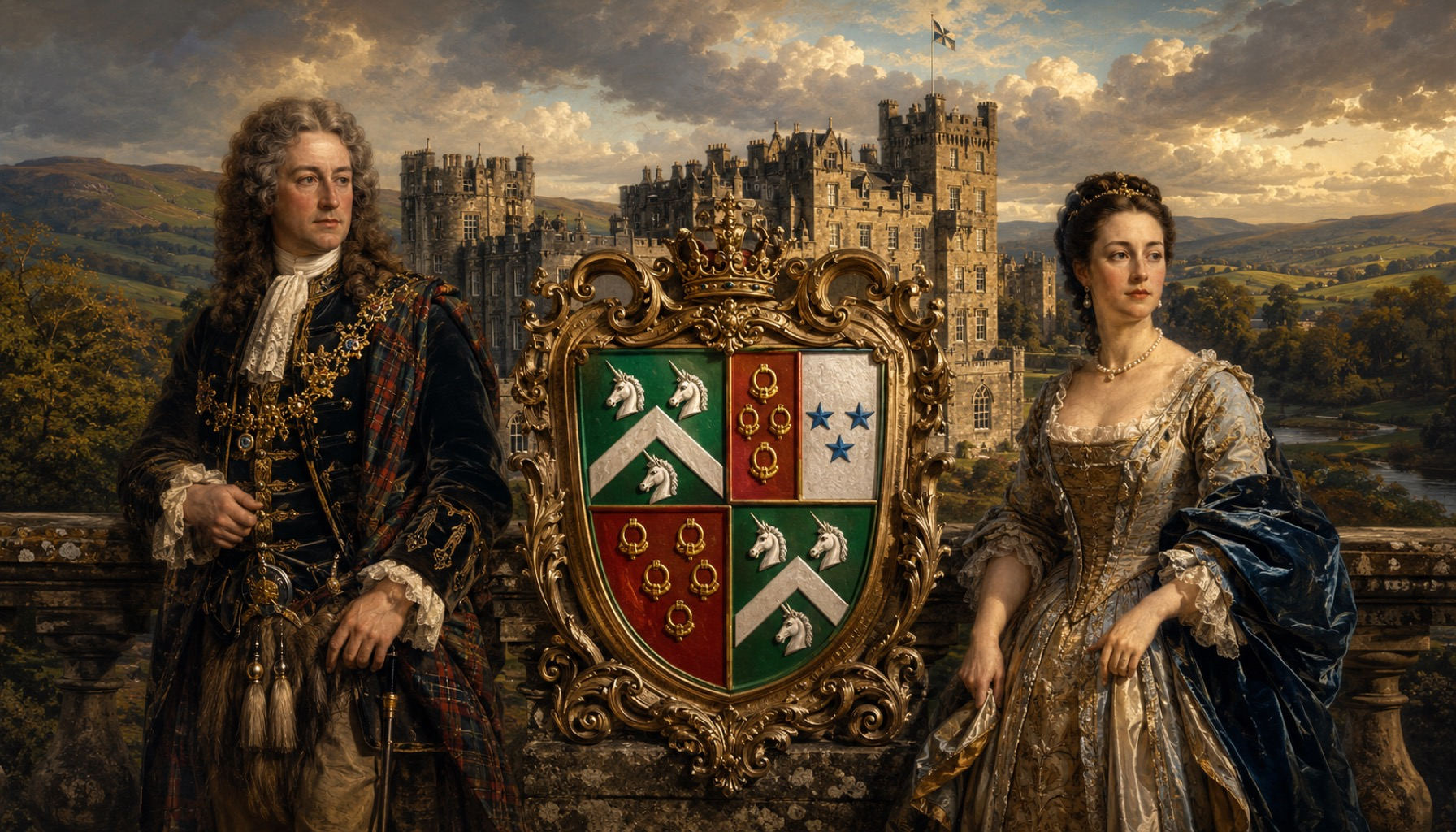
Clan Roxburghe is best understood as a Scottish noble and borderland identity, rooted in the old Roxburgh or Roxburghe name and closely tied to the Scottish Borders. In genealogical and historical terms, the family is associated above all with land, title, and regional authority, and with the great Border world of castles, wardens, raids, shifting loyalties, and constant negotiation between Scotland and England. The primary family haplogroup linked here is R1b1a1b1a1a2a, a paternal line found widely across western Europe and well represented in ancient DNA from Britain and the Continent.
The Roxburghe story is also, in practice, a Kerr story, since the Dukes of Roxburghe descend from the Ker or Kerr family, one of the great riding surnames of the Borders. That matters, because Roxburghe is not simply a surname floating in the abstract. It comes from a place of real political importance: Roxburgh, once one of the key royal and strategic centers of medieval Scotland. Over time, the name grew from locality into lordship, and from lordship into ducal prestige. By the 17th and 18th centuries, the family stood firmly inside the upper ranks of Scottish noble society, with heraldry, estates, patronage, and parliamentary influence to match. A notable figure is John Ker, 1st Duke of Roxburghe (1680-1741), whose career embodies that shift from turbulent frontier nobility to polished aristocratic power.
The great physical anchor of the family is Floors Castle, near Kelso in the Scottish Borders. Built in the 1720s for the Duke of Roxburghe and later enlarged in the 19th century, it is not a grim medieval fortress in the usual Border style but a grand country house that announces a different age: the age when old frontier lordship was transformed into landed magnificence. It stands beside the River Tweed with extensive parkland and is regarded as the largest inhabited house in Scotland. Architecturally it began in a Georgian mode and was later reshaped with more romantic, castellated flourishes, which rather nicely captures the family identity itself: ancient prestige presented through later aristocratic confidence. Floors also contains the expected furniture, art, ceremonial spaces, and estate landscape that speak of continuity, rank, and the cultivation of memory. Yes, it can still be visited, with the house, grounds, gardens, and estate attractions regularly open to the public on a seasonal basis.
Explore Clan Scott of the Borders
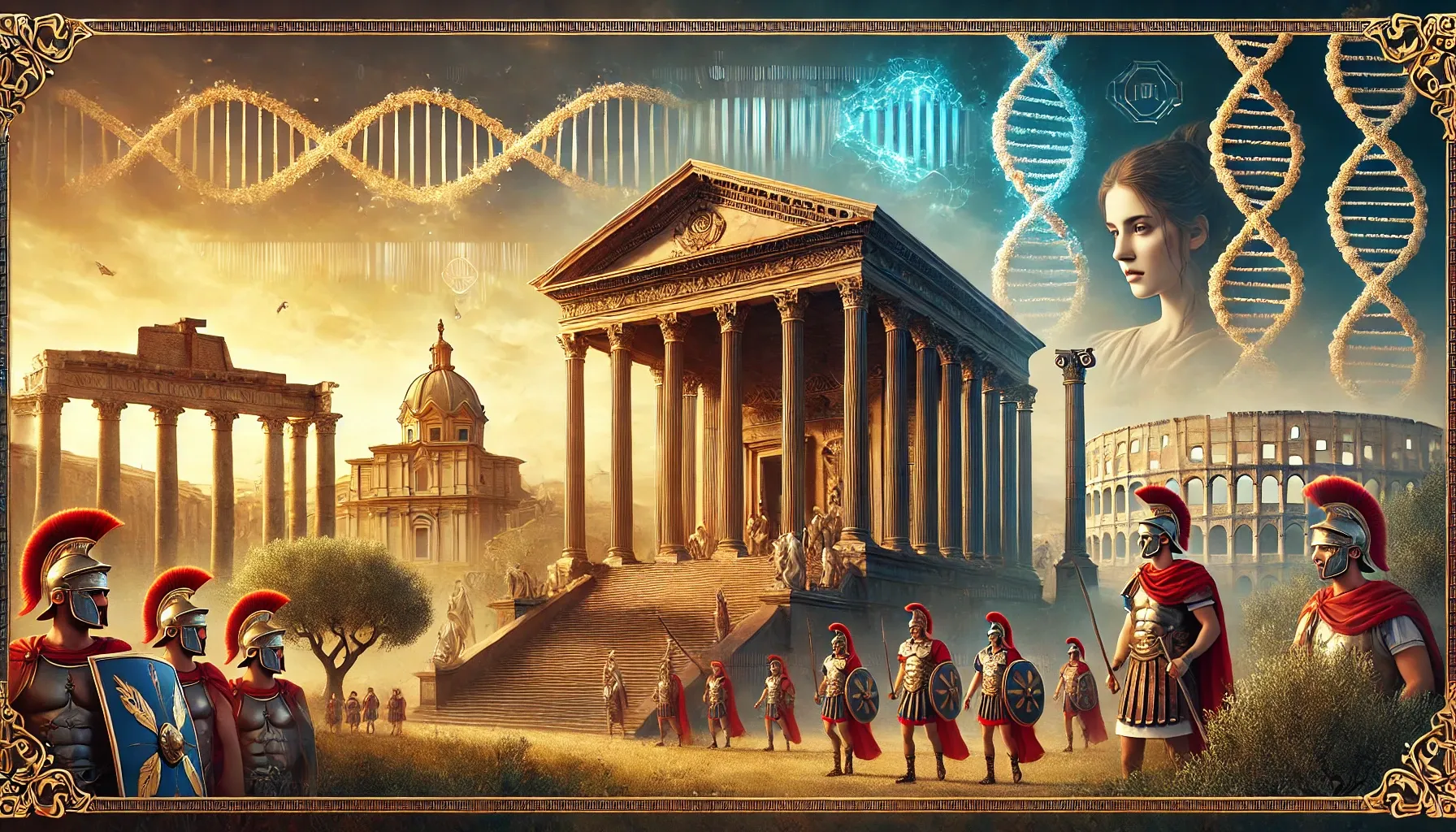
From a DNA perspective, the Roxburghe-linked haplogroup R1b1a1b1a1a2a belongs to a deep and very mobile western European paternal network. It appears in related or linked ancient samples stretching across time and geography: Pict era Scotland at Rosemarkie Cave, early medieval Pict remains at Lundin Links, Iron Age Britain at Broxmouth in East Lothian, Celtic Durotriges burials from southern England, Roman era Cambridgeshire graves such as Eddington, Fenstanton, Arbury, and Duxford, and elite Celtic burials in Germany including Magdalenenberg, Asperg-Grafenbuehl, Ludwigsburg Roemerhuegel, and Hochdorf. The same broader lineage also appears in medieval northern Spain at Las Gobas and in still earlier Bronze Age contexts from France, Iberia, the Low Countries, and Central Europe. None of this proves direct descent from any one excavated man, and it should not be presented that way. What it does show is that the Roxburghe haplogroup sits inside a long archaeological story of Atlantic and Celtic-connected Europe, one that fits especially well with the layered history of the Borders: local in loyalty, but never isolated from the wider movements of people, power, and kinship across the continent.
Explore ancient DNA and Celtic origins
If Clan Roxburghe is part of your family story, the most interesting question is not just whether the name appears in a pedigree, but how your own DNA fits into the older map of Border nobility, Scottish regional identity, and the wider R1b1a1b1a1a2a world. Upload your DNA to MyTrueAncestry to see whether you match the family story or any of the related ancient samples from Pictish Scotland, Roman Britain, Iron Age Britain, and Celtic Europe.
Comments