Clan Watson
– 3 min read


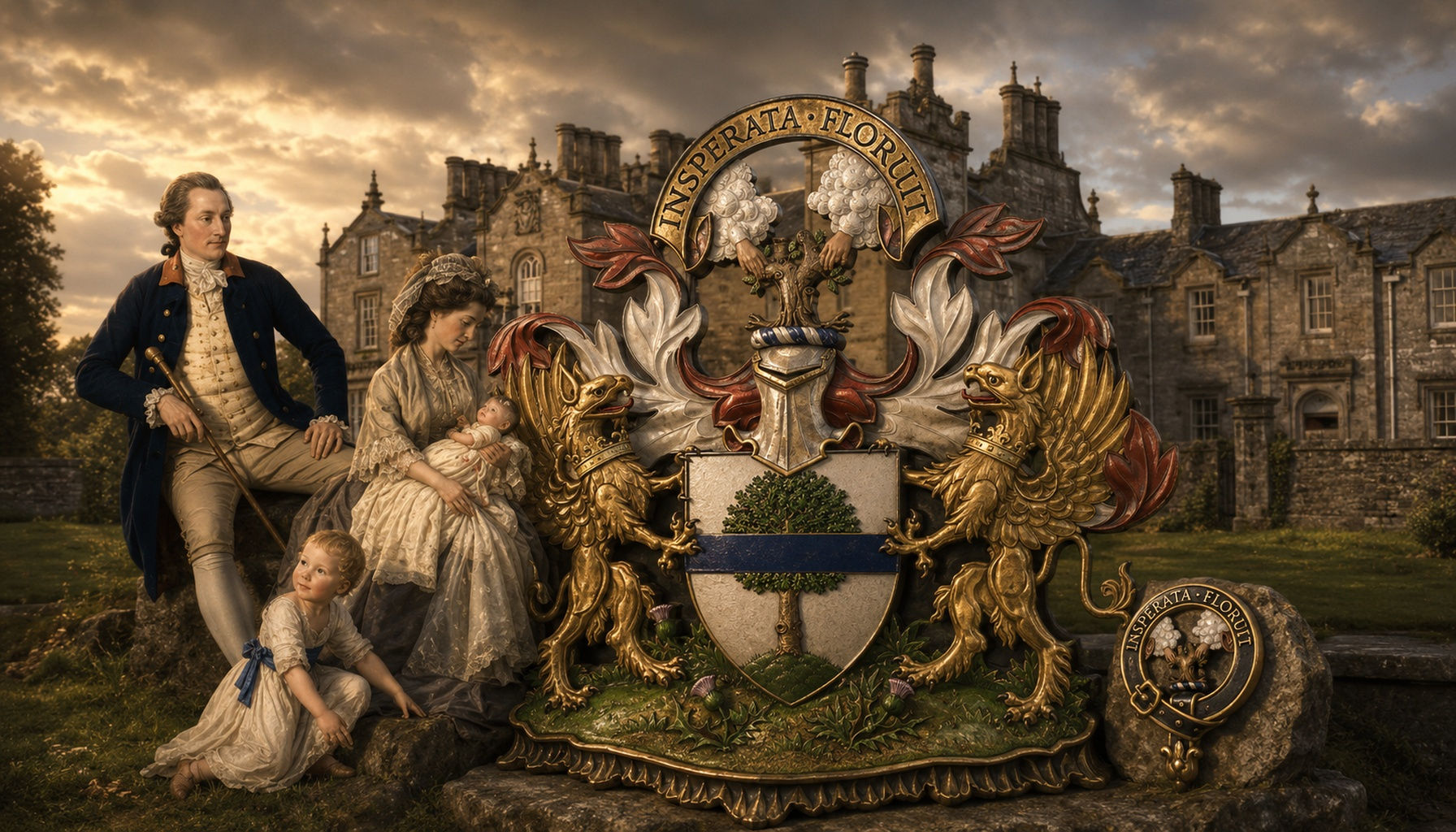
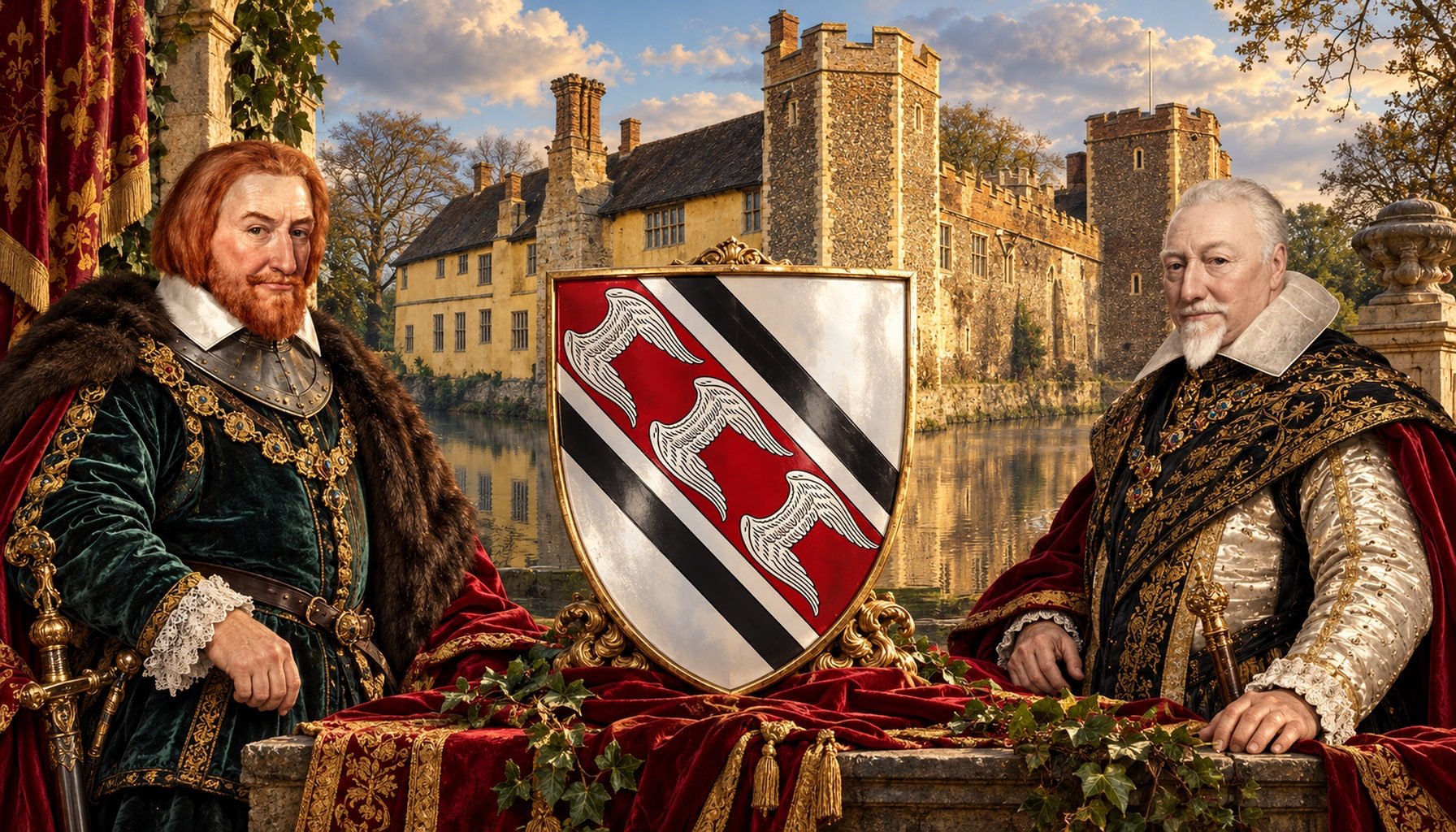
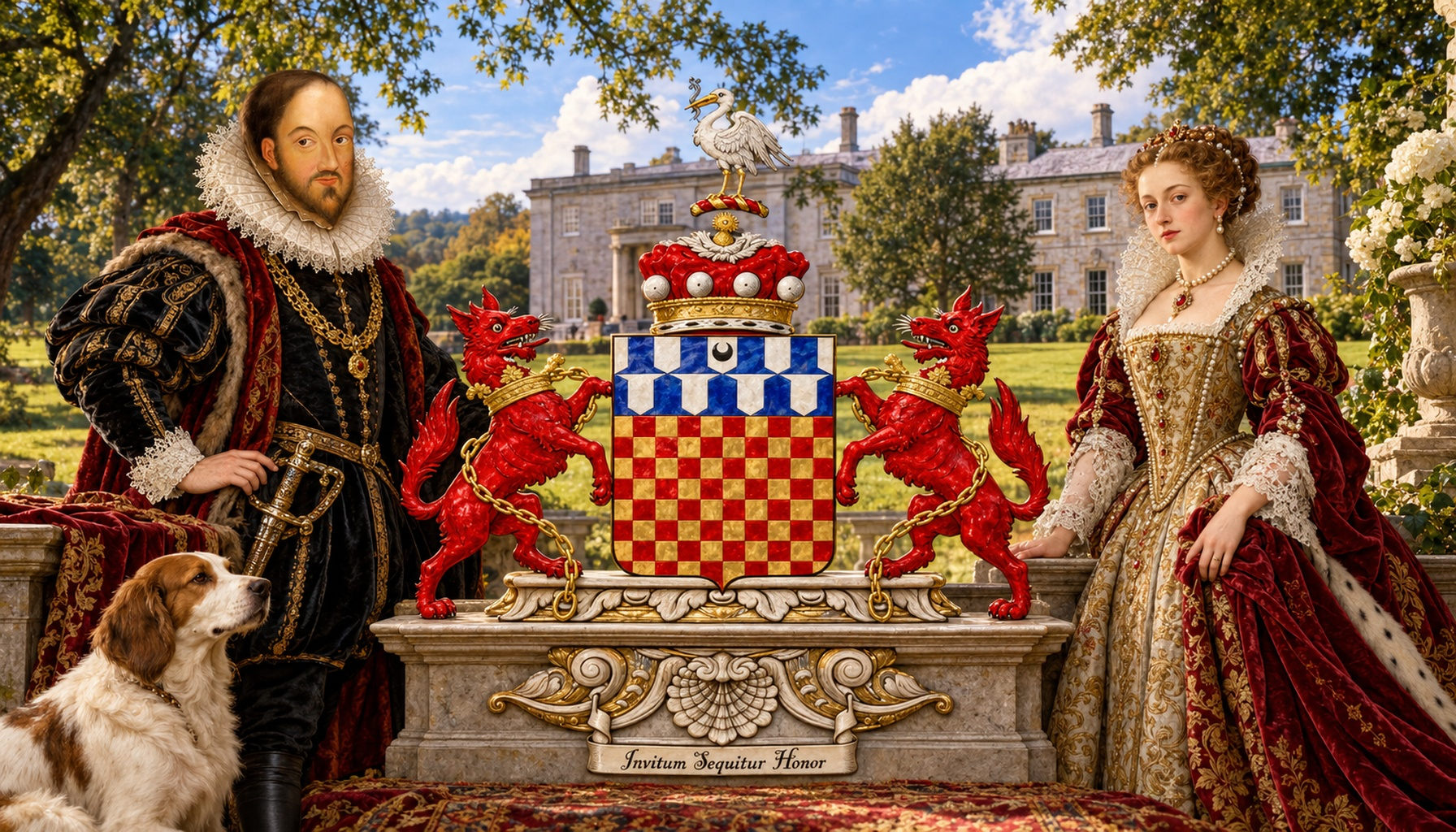
Clan Watson is best understood as a wide Scottish surname-kindred rather than a single sharply bounded territorial clan. The name comes from the patronymic meaning "son of Walter", and from medieval Scotland onward it appeared in several districts where families built local standing through service, trade, farming, church ties, and civic life. In that sense the Watsons belong to one of the most important patterns in Scottish history: the making of families through inherited personal names, then the steady spreading of those names across regions and generations. The primary haplogroup linked here is R1b1a1b1a1a2c1a1e, with broader Watson heritage also sitting within the wider tapestry of northwestern European R1b lineages.
Rather than beginning with one great castle and one unquestioned chief, Watson history emerges from records, memory, and continuity of surname identity. Early references show the name already established in medieval Scotland, including John Watson in 1392. Later centuries brought Watsons into urban, mercantile, and charitable prominence, among them George Watson, whose 1723 legacy would become particularly important in Edinburgh. The family story is therefore not a tale of one dramatic conquest, but of endurance: a name rooted in medieval naming practice, carried by many branches, and preserved by ordinary and extraordinary people alike.
A particularly strong Watson landmark is George Watson's College in Edinburgh, a living reminder of how family memory can become part of the civic landscape. The school traces its origins to the bequest of George Watson, a wealthy merchant and banker, whose will funded a hospital-school for the education and support of boys. Over time the institution developed, moved, and expanded, eventually becoming one of Edinburgh's best-known independent schools. Its history is woven into the city itself: philanthropy, education, urban improvement, and the long Scottish habit of turning private fortune into public legacy. This is precisely the sort of monument that tells us more than a tower house sometimes can. It shows how a surname can anchor itself not in feudal drama alone, but in institutions that outlast generations. George Watson's College still exists and can reasonably be visited from the outside, with its site and history remaining part of Edinburgh's visible heritage.
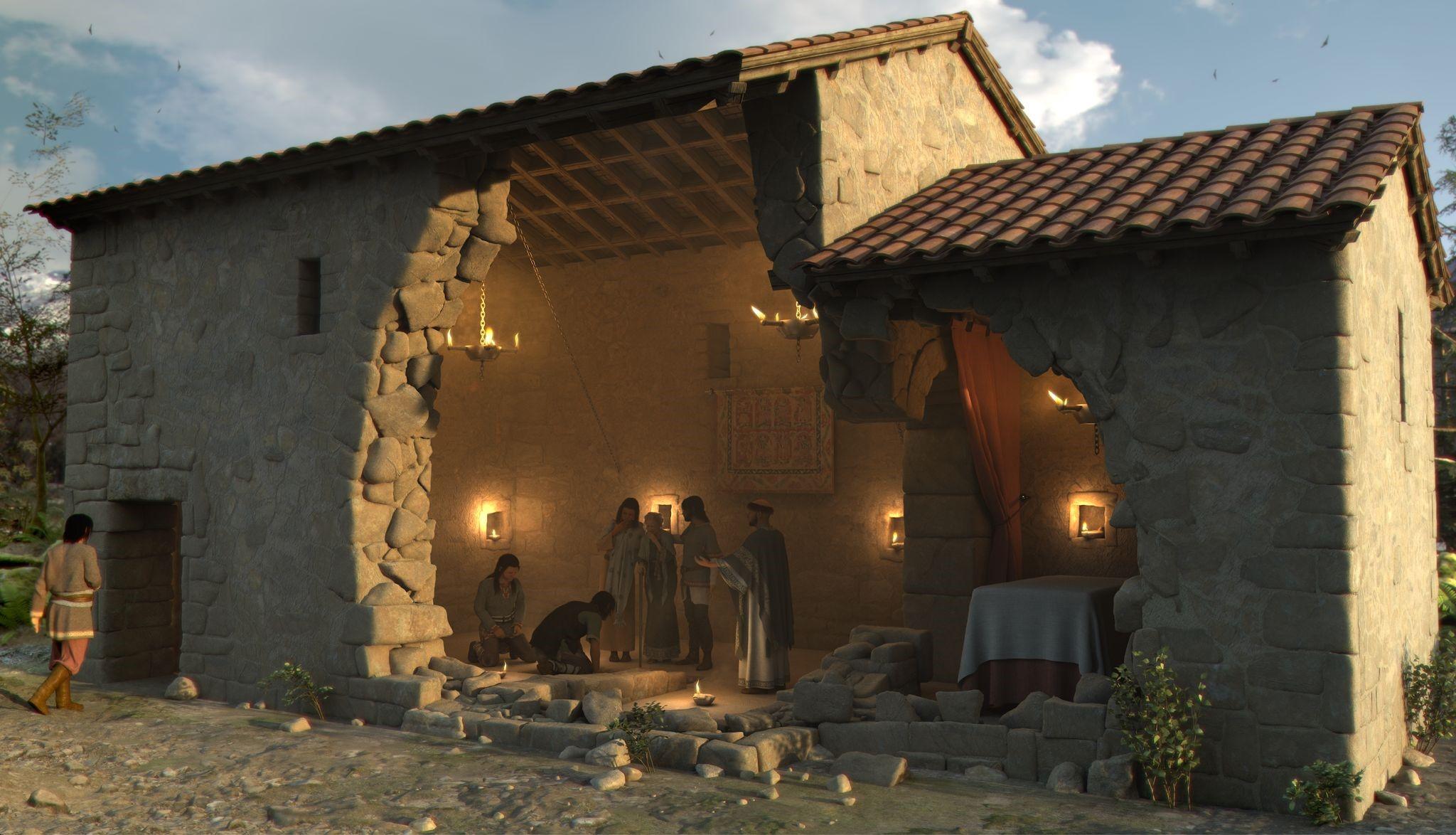
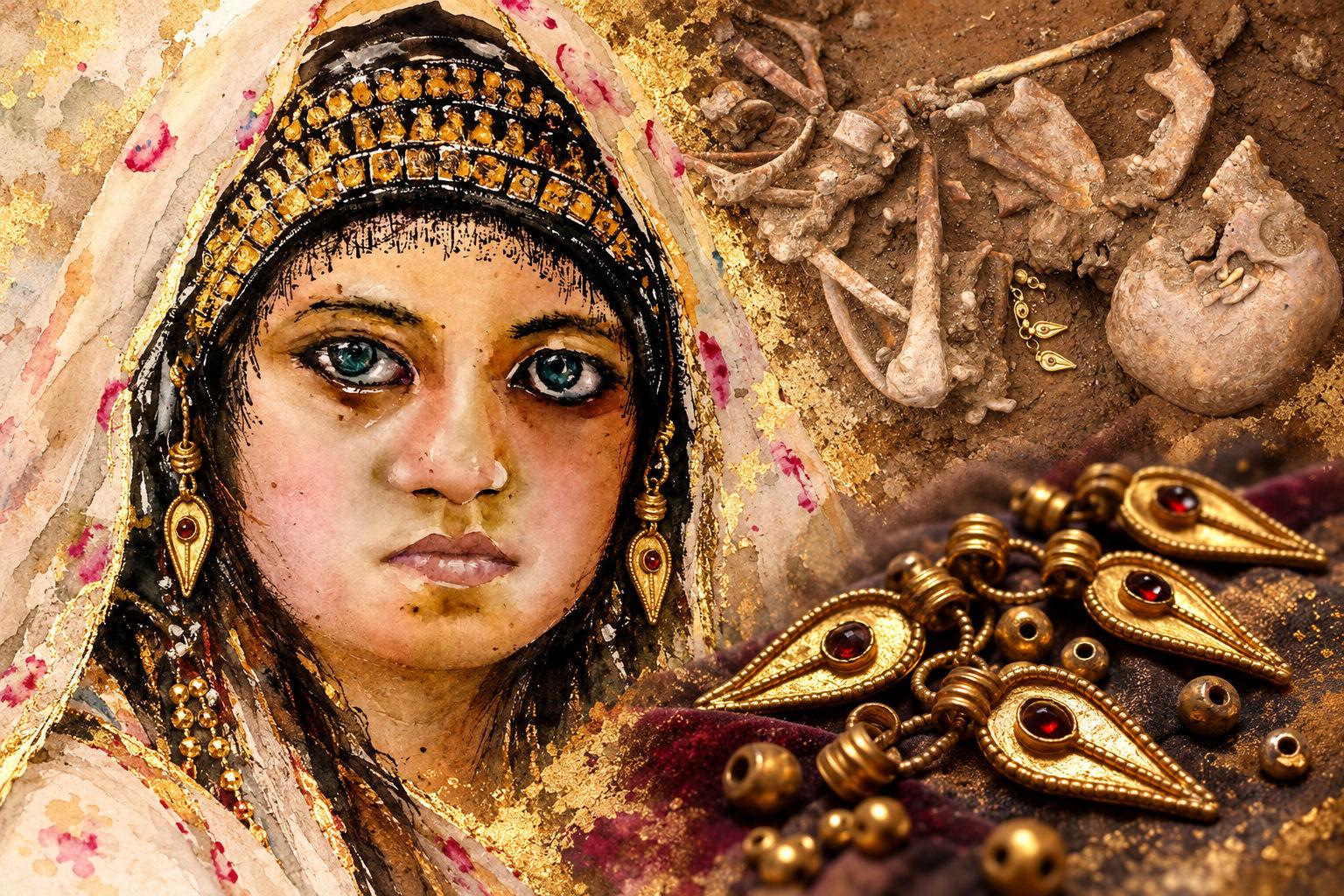
From a DNA point of view, the Watson-linked primary haplogroup R1b1a1b1a1a2c1a1e belongs to a paternal branch with a deep footprint across Britain and western Europe. Related or linked ancient samples appear in a striking range of contexts: Celtic Durotriges burials from Duropolis at Winterborne Kingston in England such as WBK12, WBK20, WBK29, WBK41, WBK05, WBK30, WBK43, WBK06, WBK08, WBK18 and WBK191; Pict-era and earlier Scottish examples from Orkney and Moray including Mine Howe and Covesea Caves; Iron Age Britons from Kent, Somerset, Oxfordshire, Yorkshire, Cornwall, East Lothian, Applecross, West Lothian and Wales; Bronze Age individuals from Orkney, Lanarkshire, Sussex, Wiltshire, Bedfordshire and East Lothian; and later medieval or post-Roman linked cases from Spain, Belgium, Ireland, Hungary, Germany, Denmark, Croatia and beyond. These samples do not prove direct descent from any named Watson line, and should not be read that way. What they do suggest is that the Watson-associated paternal branch sits within an old Atlantic and British-Irish genetic world, one shared by many communities long before surnames like Watson were ever written down.
Explore ancient DNA in post-Roman Britain
If you carry the Watson surname, or have Watson family lines in Scotland or the wider diaspora, this is exactly where history and DNA become wonderfully concrete. Upload your DNA to MyTrueAncestry to see whether you match Clan Watson, the R1b1a1b1a1a2c1a1e lineage, or related ancient samples from Iron Age Britain, Pict-era Scotland, and the wider western European world.
Comments