Clan Thomson

– 3 min read


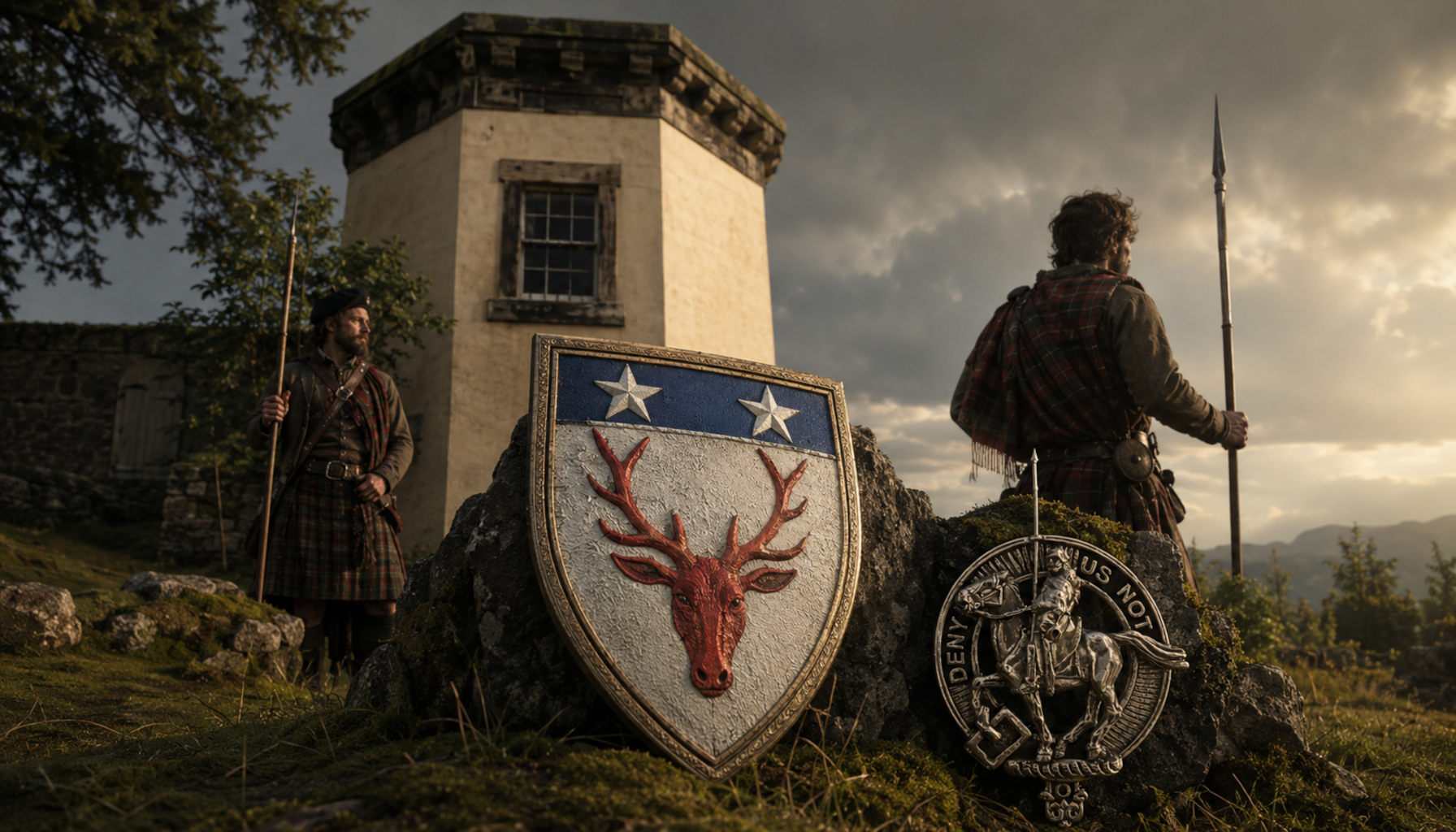
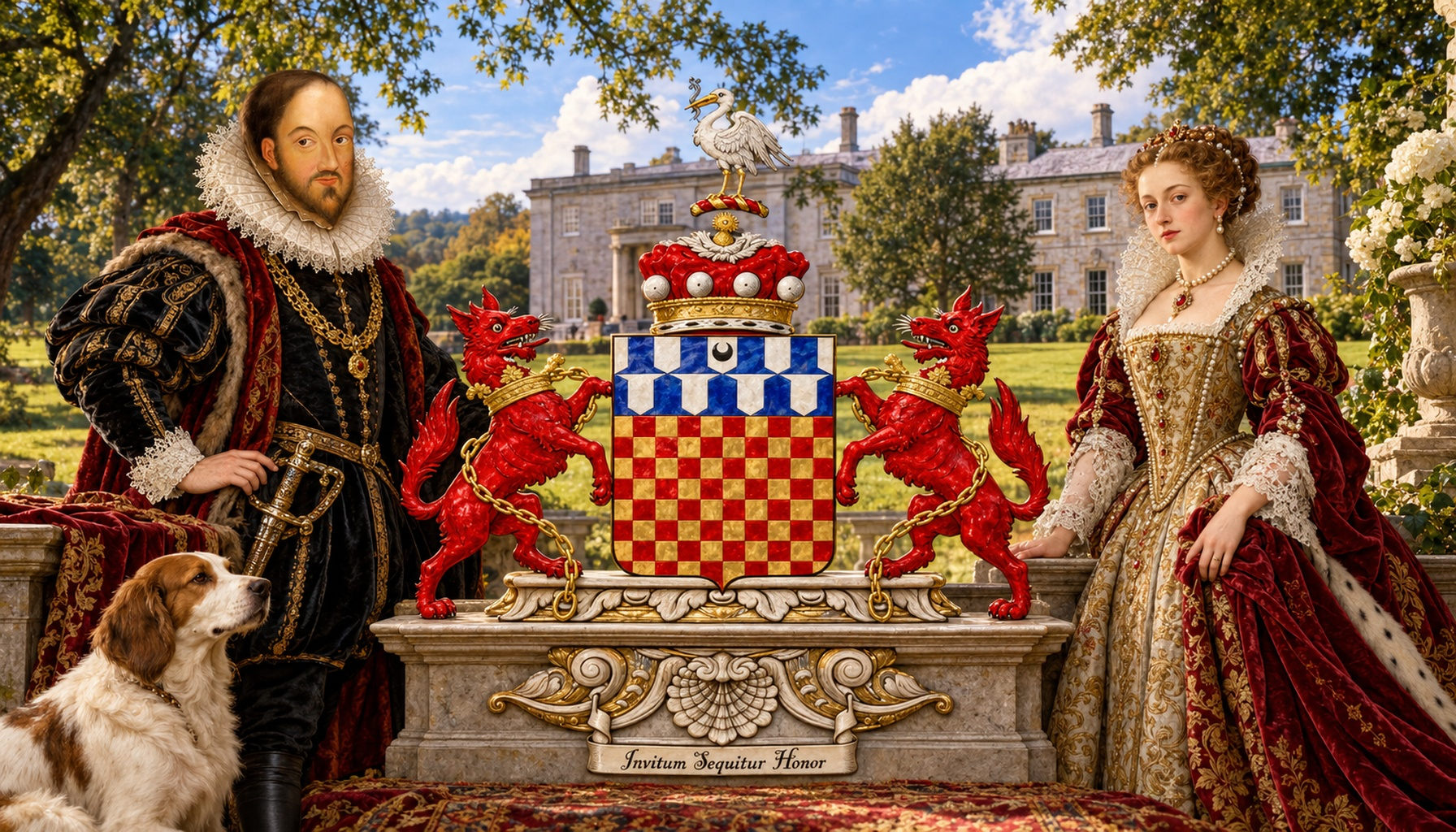
Clan Thomson was not a clan in the old Highland sense of one tightly bounded lordship with one great chief dominating one great stretch of land. It was, rather, a wide Scottish surname tradition built around a simple and powerful patronymic: Thomson, meaning son of Thomas. That matters, because it tells us where the family came from in the first place - not from a single founder's castle alone, but from the spread of a Christian personal name across medieval Scotland, where local families turned father's names into lasting surnames. In genetic terms, the primary family haplogroup linked here is I2a1b1a1a1a1a1b1, with related Thomson lines and matches also sitting within the wider pattern of Scottish and British surname diversity.
What makes Thomson heritage interesting is precisely that breadth. Across Angus, Perthshire, the northeast, and beyond, different Thomson branches grew through kinship, service, farming, church ties, trade, and local reputation. This is the story of a surname that became a banner of continuity rather than conquest. In historical memory, figures such as Thomas Tomaidh Mor, noted in 1450, stand at the edge of that older Gaelic-speaking world, while James Thomson (1700-1748), the poet best known for The Seasons and for the words that became Rule, Britannia, shows how far the name travelled into the literary and political culture of Britain. Clan Thomson, then, is best understood as a living example of the Scottish patronymic pattern: ancestral naming, regional roots, public service, and the stubborn survival of family memory.
Read more about Clan MacThomas
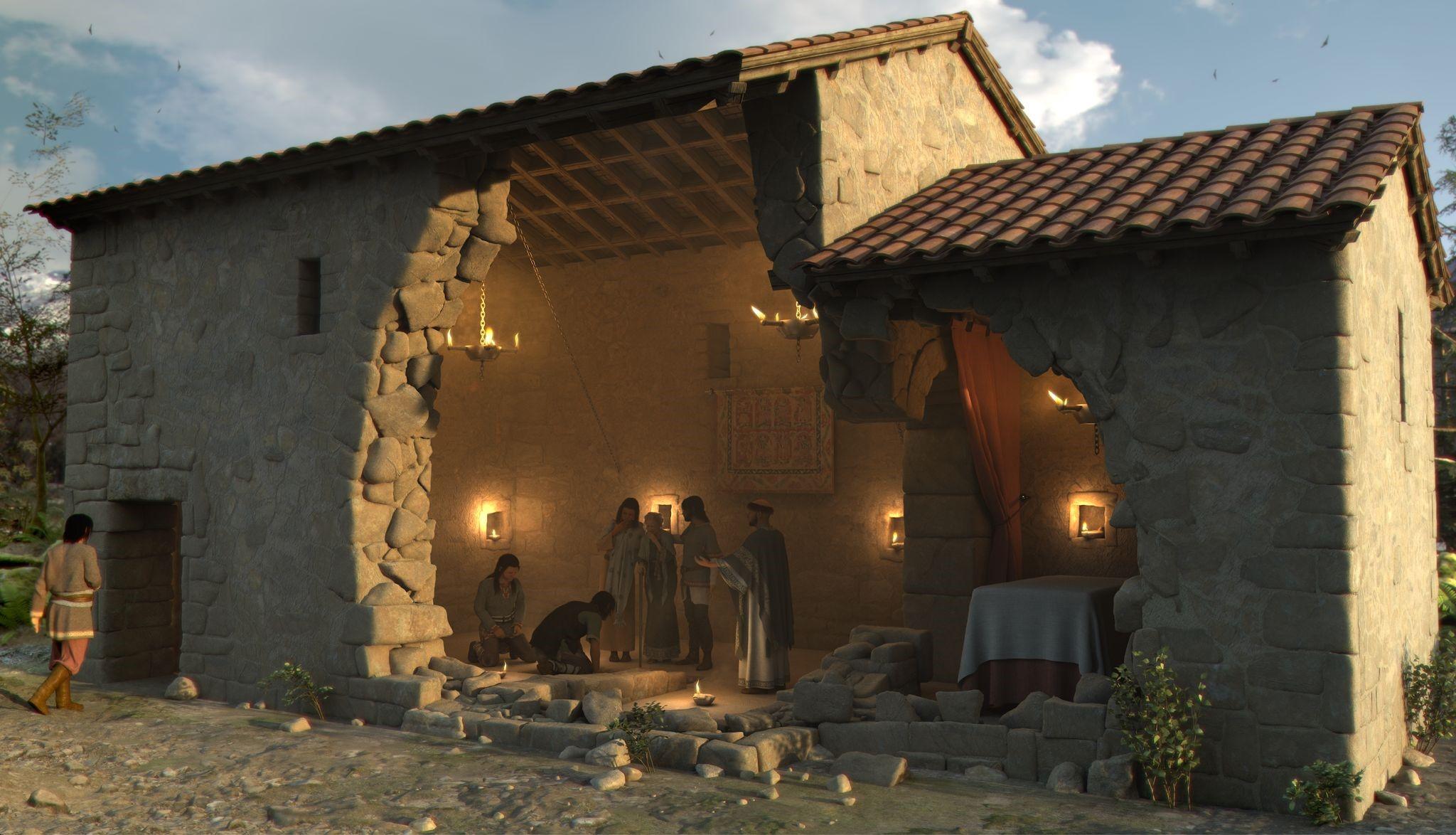
A strong location anchor for Thomson tradition is Forter Castle in Glenisla, Angus, on the edge of the Highland world where Angus meets Perthshire in a landscape of glens, routes, and old loyalties. The castle was originally built in the sixteenth century, around 1560, by James Ogilvy, 5th Lord Ogilvy of Airlie. It later suffered badly in the civil wars of the seventeenth century and was burned by Argyll's forces in 1640, leaving it for centuries as a dramatic ruin. What survives today is striking because Forter was carefully restored in the modern period, giving visitors not a vague pile of stones but something much closer to the architectural presence it once had - a tall, compact tower house with the defensible silhouette so typical of late medieval and early modern Scotland. In other words, it still speaks the language of lordship, danger, and local power. It can still be visited from the outside and is well known as a visible historic site in Glenisla, though as a restored private property access conditions may vary.
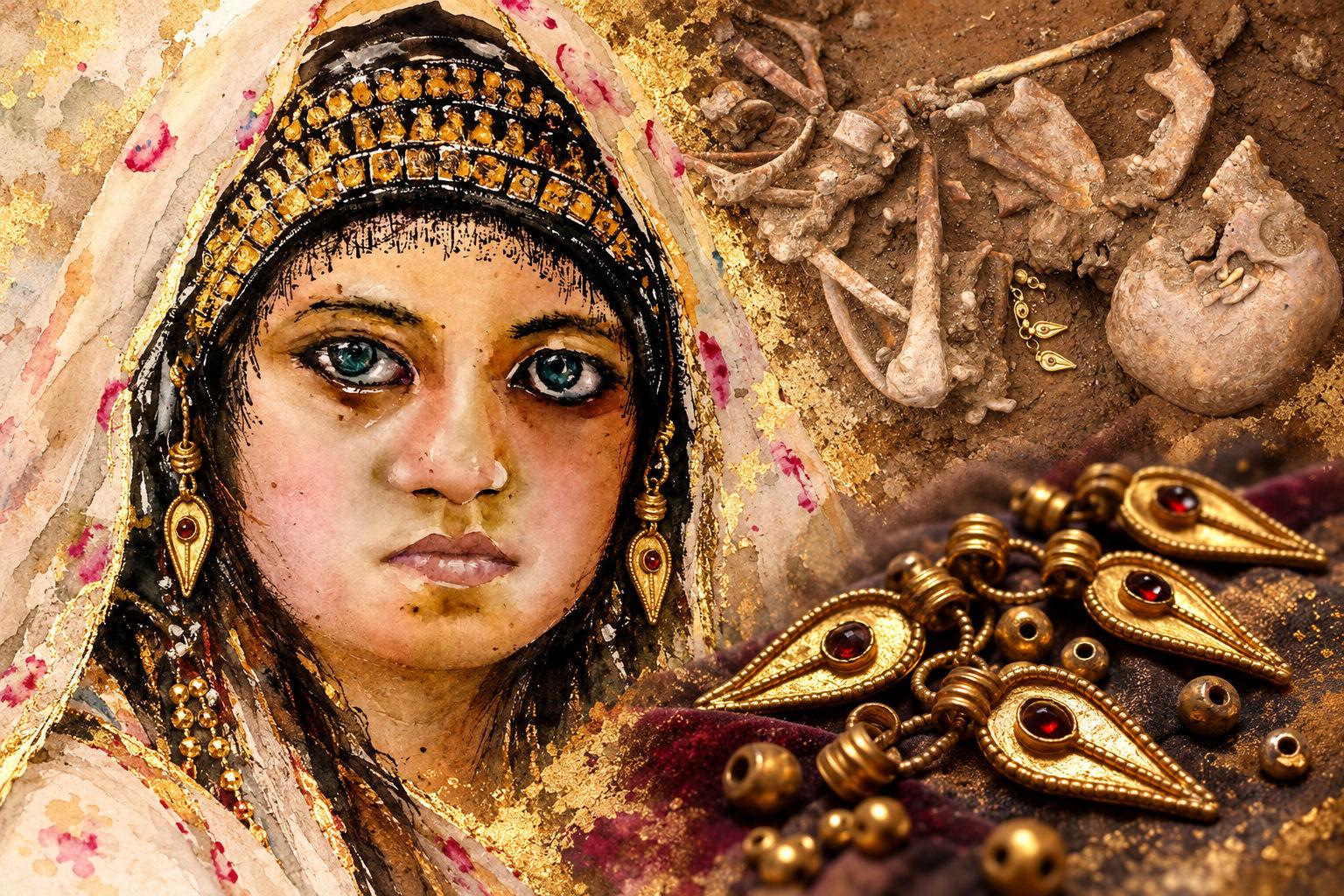
For those exploring Thomson DNA, the haplogroup tag to note is I2a1b1a1a1a1a1b1. We should be careful here: ancient samples do not prove direct descent from any named Thomson ancestor. But they do provide a fascinating set of related or linked paternal signals across Britain and Ireland that help place such a lineage in a far deeper story. Among them are ATP_PSN_527 from Medieval England Augustinian Friars, I14866 from Celtic Briton Cliffs End Farm in England, I16491 from Neolithic Wales at Orchid Cave in Denbighshire, I16418 from Iron Age East Lothian in Scotland, I2657 from MacAurthur Cave, Oban, Argyll and Bute, I4949 from Bell Beaker Upavon in Wiltshire, car004 from Ancient Carrowmore in Ireland, and I2655 from Pabay Mor on the Isle of Lewis. Taken together, these linked samples suggest a lineage with very old roots in the Atlantic world of Britain and Ireland, appearing in settings that range from Neolithic cave burials to Iron Age communities and medieval religious life.
If you carry the Thomson surname, or suspect Thomson roots somewhere in your Scottish family story, uploading your DNA can help you see whether you match this family tradition or any of these related ancient DNA samples. It is one of the most intriguing ways to connect surname history, place, and the much deeper human past.
Comments