Clan Swinton
– 3 min read


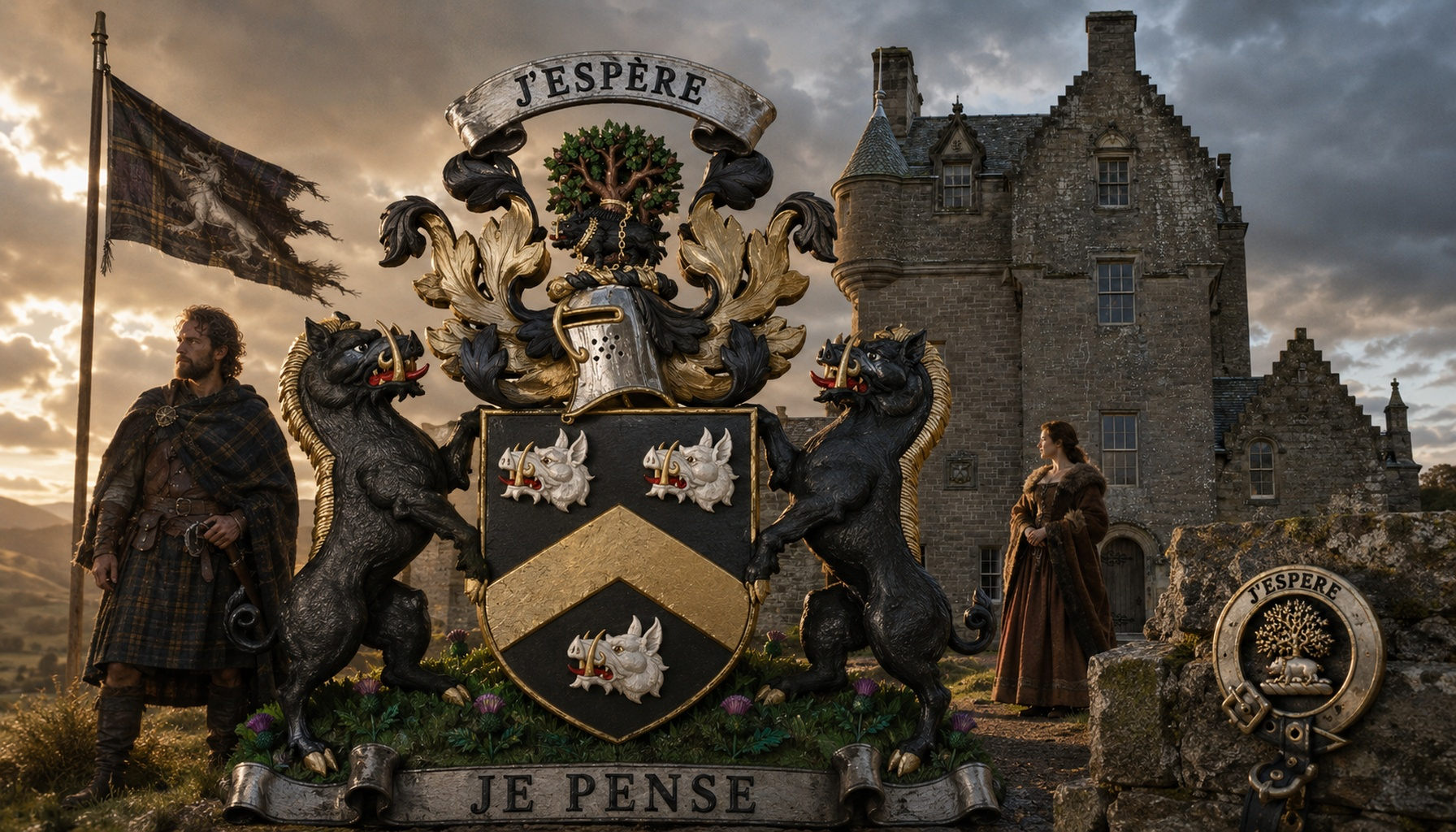
Clan Swinton was a Border family of southern Scotland, rooted above all in Berwickshire and in the older territorial world of the Anglo-Scottish frontier. Their story is not that of a sudden rise or a single dramatic conquest, but of something in many ways more revealing about Border society: steady landholding, local authority, service to crown and region, and the stubborn continuity of a place-name turned family name. The clan is commonly linked here with the primary family haplogroup R1a1a1b1a3a1a1, a paternal line tag that sits alongside the documentary history rather than replacing it.
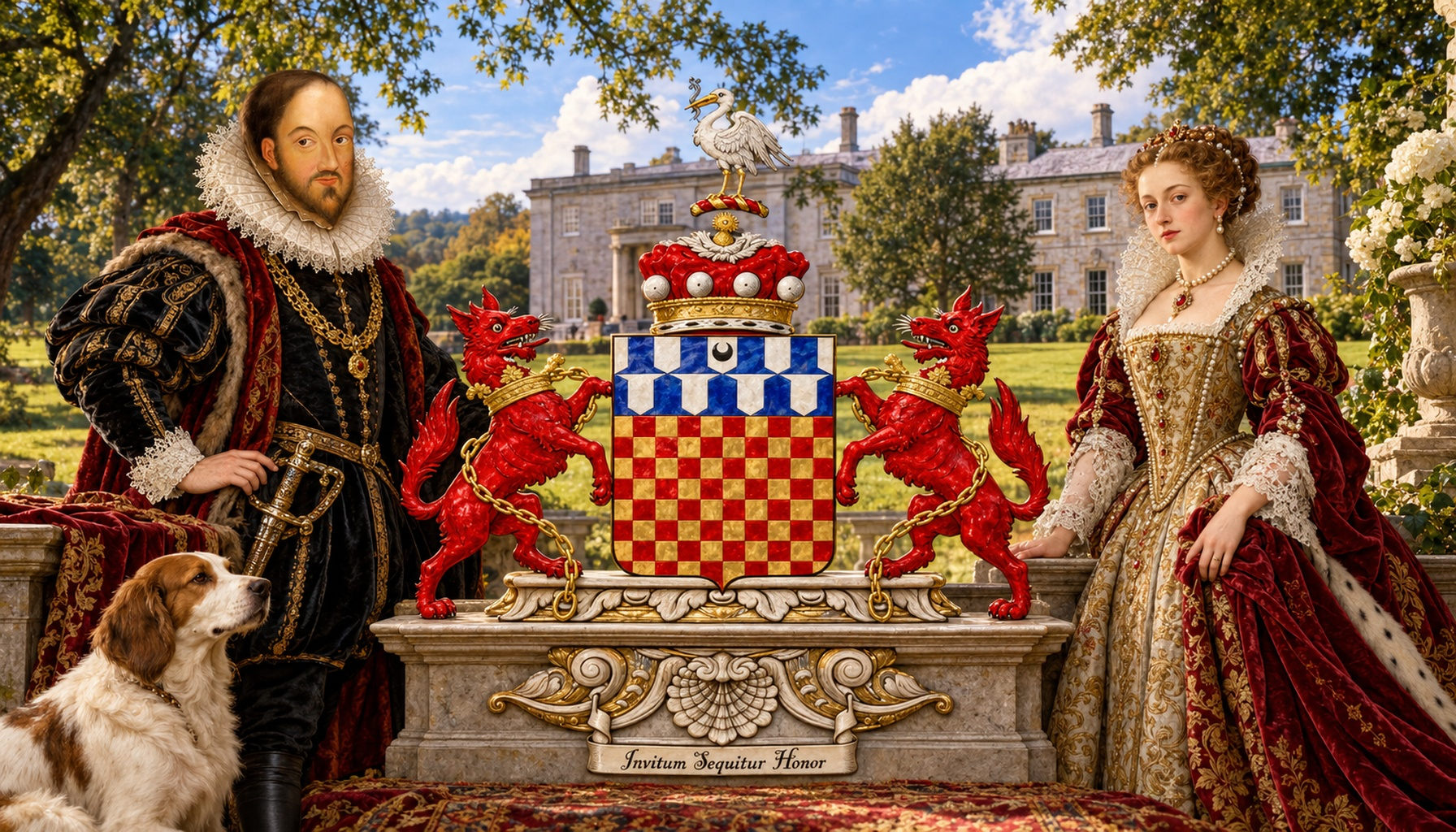
The name itself comes from Swinton in Berwickshire, which is exactly the kind of origin one expects in medieval Scotland: a family taking shape from the estate and the district it held. In that world, land was memory, power, and identity all at once. By the 12th century we already meet Ernulf de Swinton, recorded in 1136, showing the family established early in the written record. From there the Swintons fit a classic Border pattern, shaped by frontier pressures, by alliances with neighboring houses, and by public duty in a region where authority had to be constantly maintained, negotiated, and defended. Heraldry mattered too, because coats of arms were not decorative flourishes but part of how families advertised legitimacy, continuity, and status across generations.
Swinton House is the great location anchor for the family, because it ties the surname back to a lived landscape rather than leaving it floating in genealogy alone. The Canmore record identifies it as a substantial country house near Swinton in the Borders, developed in its present form largely in the 18th and 19th centuries but standing within a much older family seat and estate tradition. In other words, what matters is not just the masonry now visible, but the deep continuity of occupation and lordship on the site. The house belongs to that very Scottish story of old landed families renewing, enlarging, and reshaping their residences while keeping faith with ancestral ground. Architectural additions and later landscaping made it a polished country seat, yet its real significance lies in how it preserves the Swinton bond between name, estate, and region. It has operated in modern times as a hospitality venue, so it can still be visited in a practical sense by guests and visitors, which is rather pleasing: the old family center remains part of the public landscape rather than vanishing behind legend.
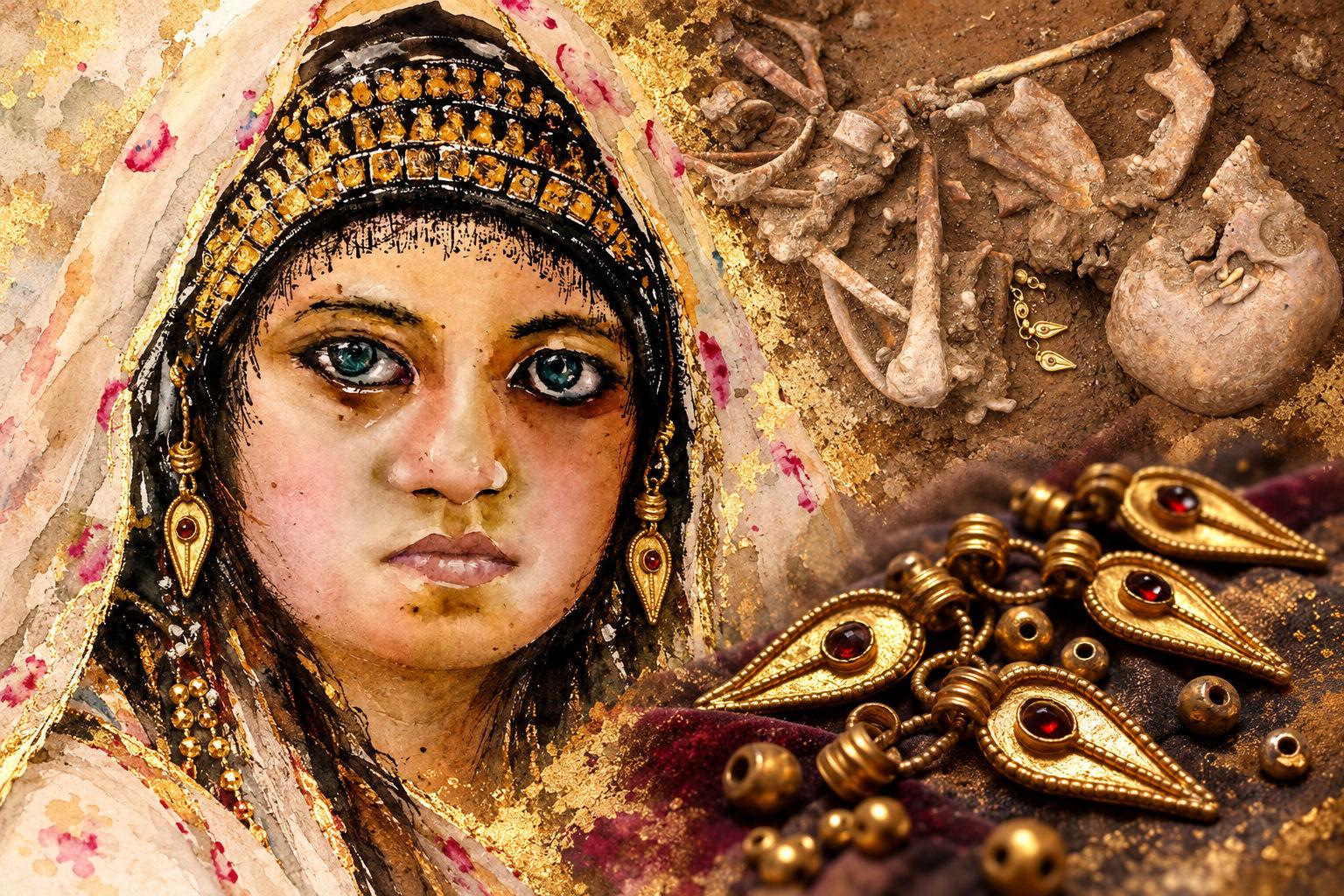
On the DNA side, the Swinton-associated haplogroup tag R1a1a1b1a3a1a1 also appears in a wide spread of ancient and historic individuals from northern and central Europe and beyond. These are not claims of direct descent from Clan Swinton, and they should not be read that way. Rather, they are related or linked examples showing how this paternal branch appears across different times and places: Early Medieval Slovakia Bratislava (I4803), Medieval Vasterhus Sweden (mbv281), Historic St. Mary City Chapel Field Cemetery Maryland (I15285), Gothic Tribe Poland Maslomecz Wielbark (PL067), Danii Tribe Sjaelland Roskilde Iron Age Denmark (CGG105327), Viking Age Halogaland Holm (CGG107030), Stora Kronan Shipwreck Battle of Oland Sweden (kro012), Anglo-Saxon Sedgeford England Norfolk (SED006), Post Viking Era Denmark St Clemen Zealand Denmark (KPN002), Early Medieval Polhill Kent England (POH006), Viking Age Skara Varnhem Sweden (VK35, VK397), Viking Age Ingiridarstadir Iceland (VK129), Medieval Age Faroe Islands Sandoy Church (VK244), Viking Age Oland Sweden (VK344), Iron Age Islandbridge Dublin Ireland (VK546), Vendel Age Saaremaa Salme II-U (VK551), Viking Age Gotland Kopparsvik Sweden (VK48), Viking Invader Ridgeway Hill England (VK264), Viking Norse Iceland (NNM-A1), Viking Gaelic Mix Iceland (GTE-A1), and Viking Saxon Iceland (TSK-A26). What that gives us is not a family tree, but a wider map of the male-line world in which Border Britain sat: Scandinavian, North Sea, Anglo-Saxon, and central European connections all part of the long human backdrop to medieval surnames.
If you are researching Swinton heritage, the fascination lies in putting the strands together: surname, Borders geography, heraldic memory, documentary history, and DNA clues. Upload your DNA to MyTrueAncestry to see whether you match Clan Swinton, or any of the related ancient DNA samples linked with haplogroup R1a1a1b1a3a1a1.
Comments