Clan Nesbitt
– 3 min read


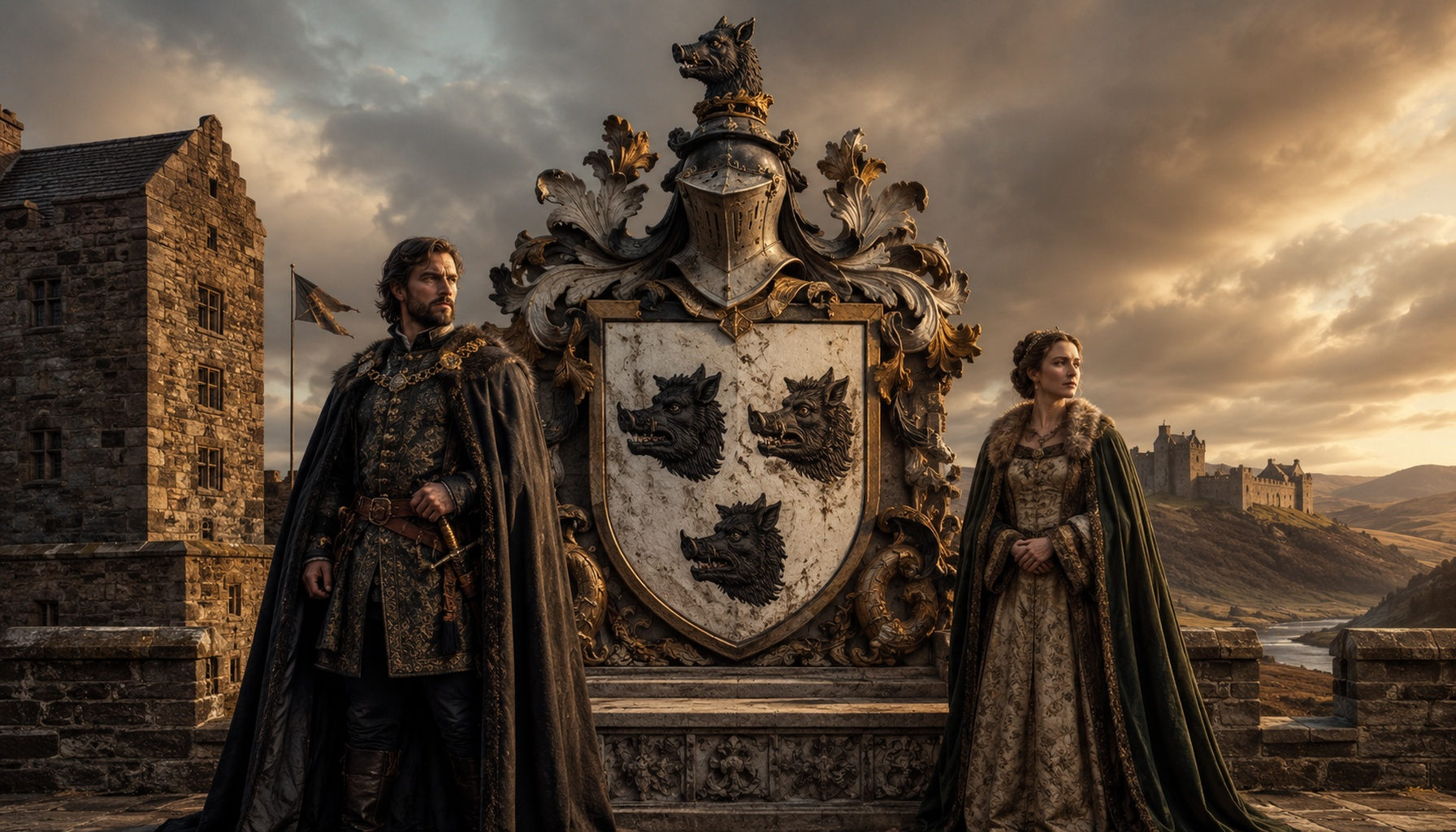
Clan Nesbitt was a Lowland Border family of southern Scotland, closely associated with Berwickshire and the old frontier society that grew up along the Anglo-Scottish marches. The surname is territorial in character, taken from place rather than from a personal ancestor's nickname, which tells you a great deal at once: this was a family whose identity was bound to landholding, local influence, and the stubborn continuity of a named estate. In haplogroup terms, the primary family line here is tagged to R1b1a1b1a1a2c1a5b1a1, a branch within the wider R1b world so common across western Europe and the British Isles.
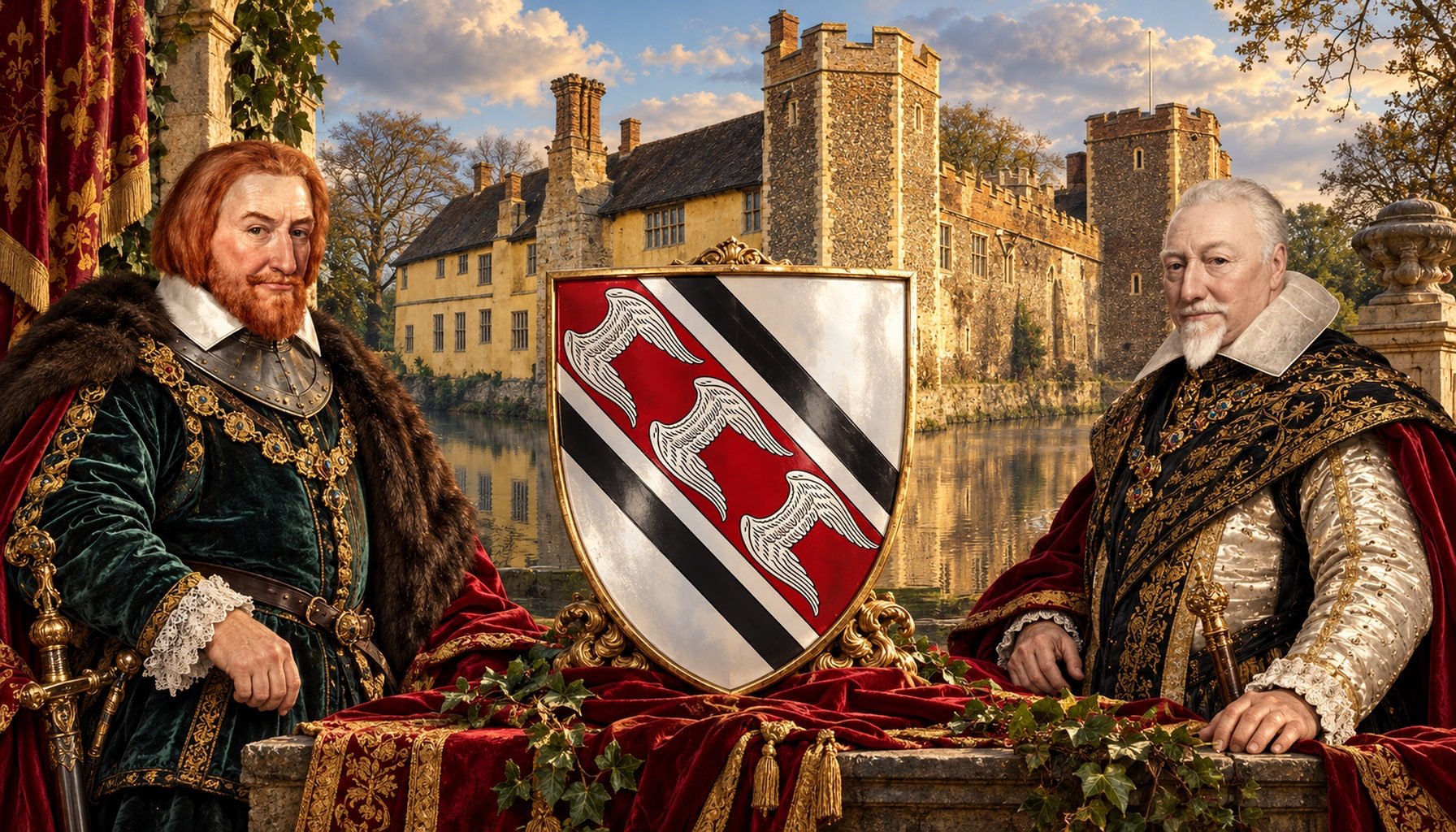
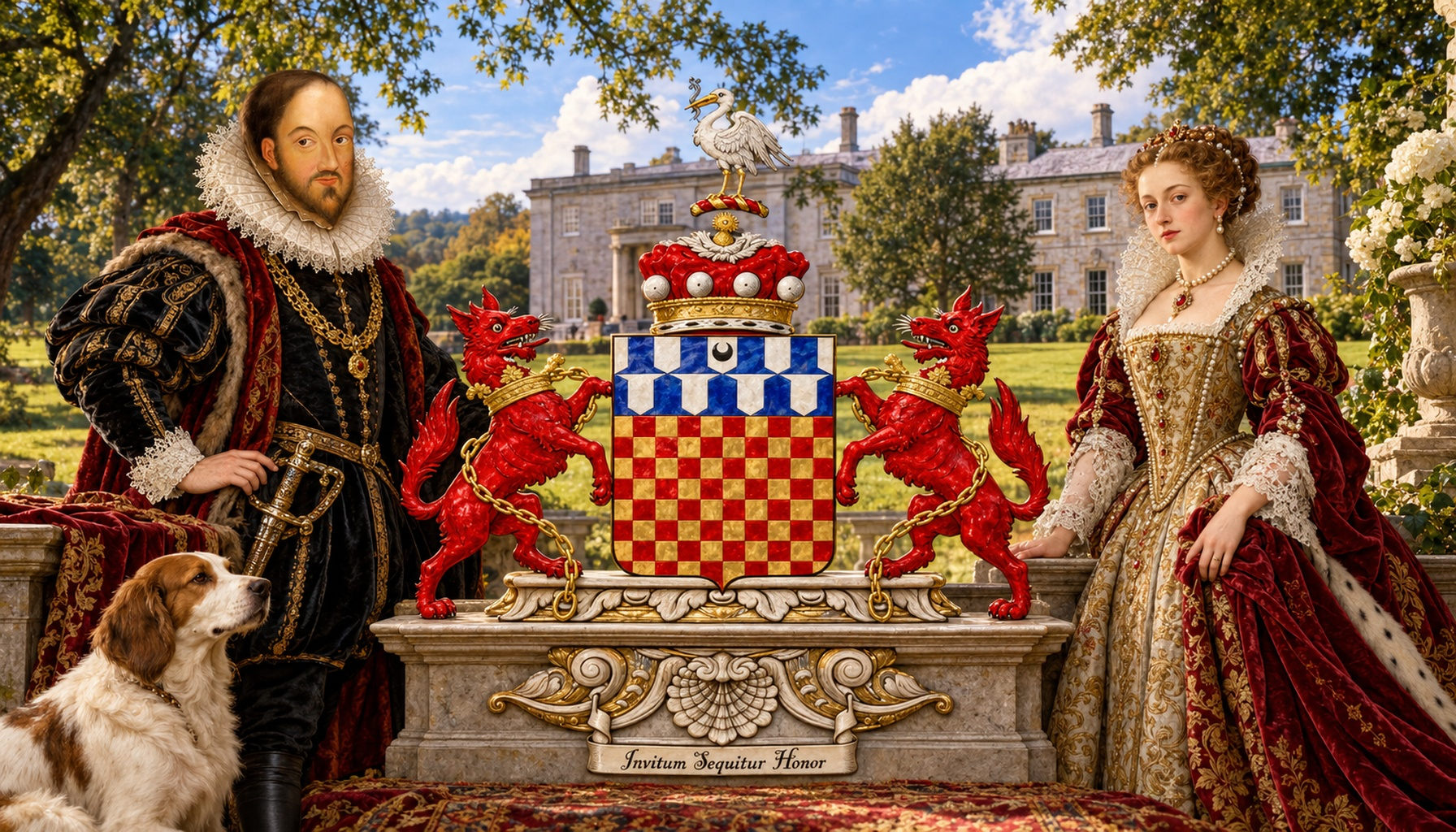
The historical Nesbitts fit a very recognisable Border pattern. They belonged to that tough and adaptable society of landed families who served locally, guarded status through heraldry, and survived in a region where loyalties could be intensely local and politics could shift with unnerving speed. This was not Highland clanship in the romantic tartan sense, but Lowland family continuity built through charters, service, property, and memory. One of the best-known names in the wider family tradition is Alexander Nisbet (1657-1725), the noted Scottish writer on heraldry, whose work helped preserve exactly the sort of armorial and genealogical culture families like the Nesbitts valued so highly.
The great location anchor for the family is Nisbet House in Berwickshire, near Duns, a country house that keeps the family name fixed in its original landscape. The present house is largely an 18th-century mansion built around or on the site of an earlier tower house, which is exactly what you might expect in Border country: a shift from defensible residence to more polished landed seat, while still carrying the old territorial identity forward. It stands as a reminder that families like the Nesbitts were not abstract names in a pedigree book but people rooted in a working estate world of tenants, local administration, improvement, and display. The house has also had a later life beyond the direct family story, passing through different owners and uses over time. Public access has varied, but the building and grounds are a known historic site and can still be visited at least from the outside, with access depending on current arrangements and events.
For readers interested in deeper ancestry, the haplogroup link R1b1a1b1a1a2c1a5b1a1 connects the Nesbitt story to a broader web of ancient and early medieval samples rather than to any proven single line of descent. Related or linked examples include Early Anglo-Saxon West Heslerton, Yorkshire (I11586), Anglo-Saxon Oakington, England (OAI012), Gallic Colmar, France (COL239), Celtic Briton samples from Carsington Pasture Cave in Derbyshire (I12778 and I12775), Lechlade-on-Thames in Gloucestershire (I12783), Bradley Fen in Cambridgeshire (I11156), Iron Age Middle Wallop Suddern Farm (I16611), Iron Age Greystones Farm, Gloucestershire (I12785), and the well-known Ireland Copper Age sample Rathlin1B. None of these should be treated as direct Nesbitt ancestors on surname evidence alone. But together they sketch the older genetic backdrop of the Atlantic and North Sea world from which later British and Border families emerged: Celtic Britons, Iron Age communities, Gaulish-linked groups, and Anglo-Saxon era populations all part of the long, messy human story before surnames ever appeared.
Explore Ancient DNA in Post-Roman Britain
If you carry the Nesbitt or Nisbet surname, or simply suspect Border ancestry in your family tree, this is exactly the kind of heritage that becomes richer when documents and DNA are read together. Upload your DNA to MyTrueAncestry to see whether you match Clan Nesbitt, this R1b1a1b1a1a2c1a5b1a1-linked heritage profile, or any of the related ancient samples from Britain and nearby Europe.
Comments