Clan Spalding
– 2 min read


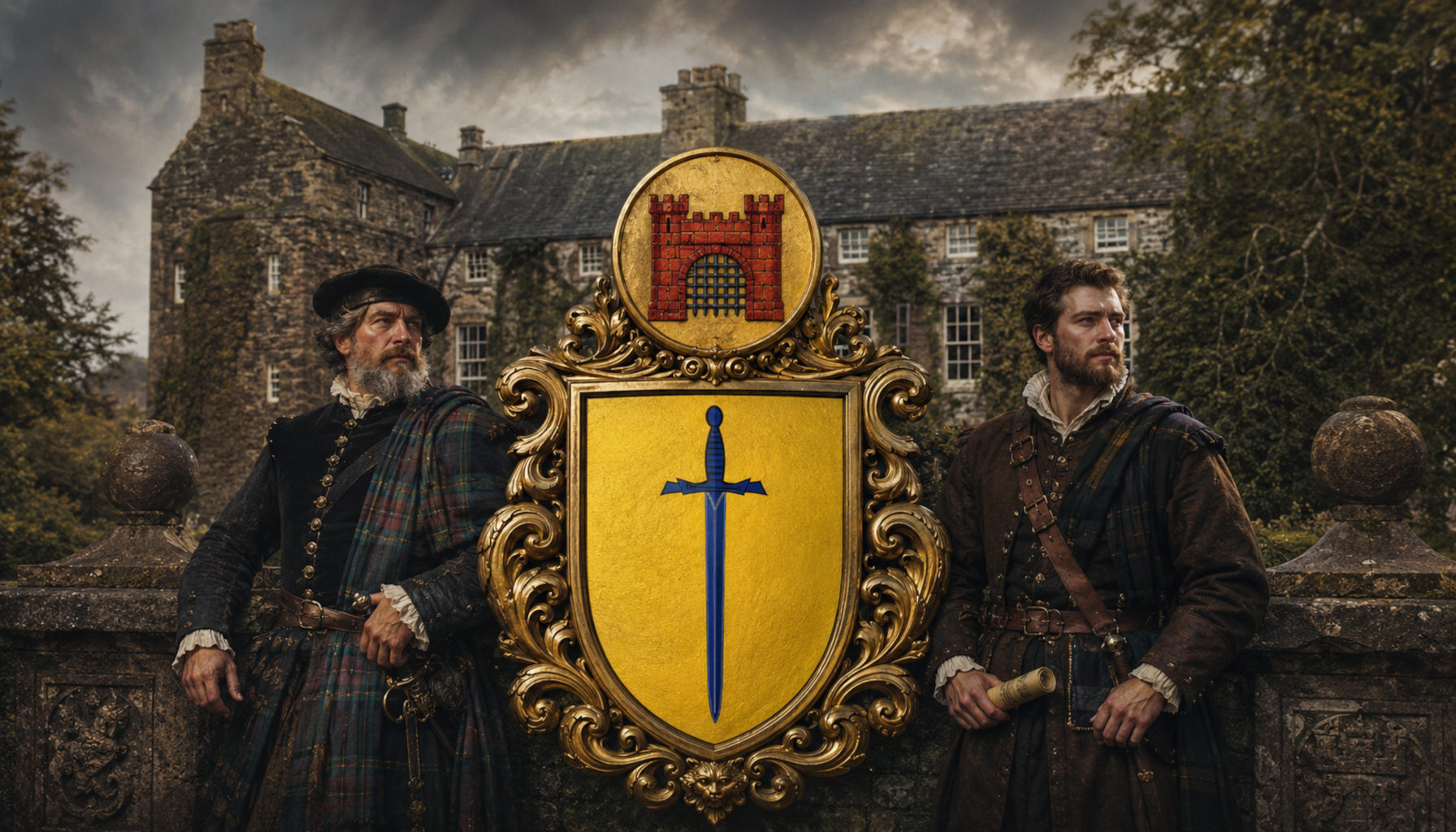
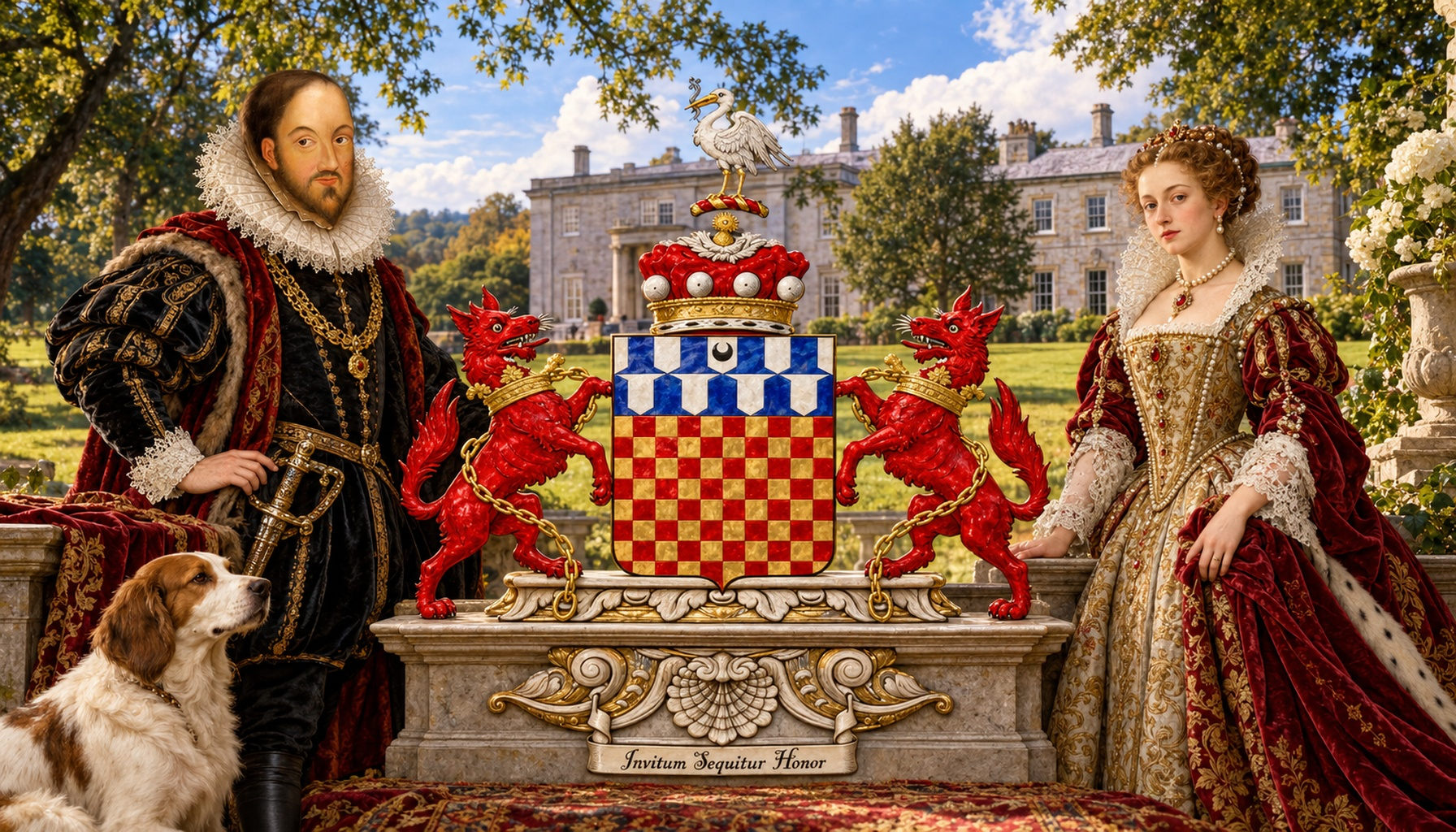
Clan Spalding is best understood as a Scottish surname tradition rooted in place, locality, and long family memory rather than in the grander world of princely houses. The name is territorial in character, tied to belonging in a particular landscape and to the Lowland habit of identifying families through where they came from and where they held standing. In that sense, the Spaldings fit a very Scottish pattern: a durable surname, local service, heraldic identity, and continuity across generations. In genetic tagging terms, the primary family haplogroup associated here is R1a1a1b1a3a2a.
The family name itself points to origin from a place called Spalding, very likely reflecting medieval movement and settlement in eastern and central Scotland, where surnames increasingly hardened from descriptions into inherited identities. By the early fourteenth century we already find John de Spaldyn in 1304, a useful glimpse of the name in documentary history and a reminder of how these families appear first in the records of administration, landholding, witness lists, and public obligation. That is often how Lowland families emerge into view: not with a trumpet blast, but with ink, parchment, and the daily business of the realm.
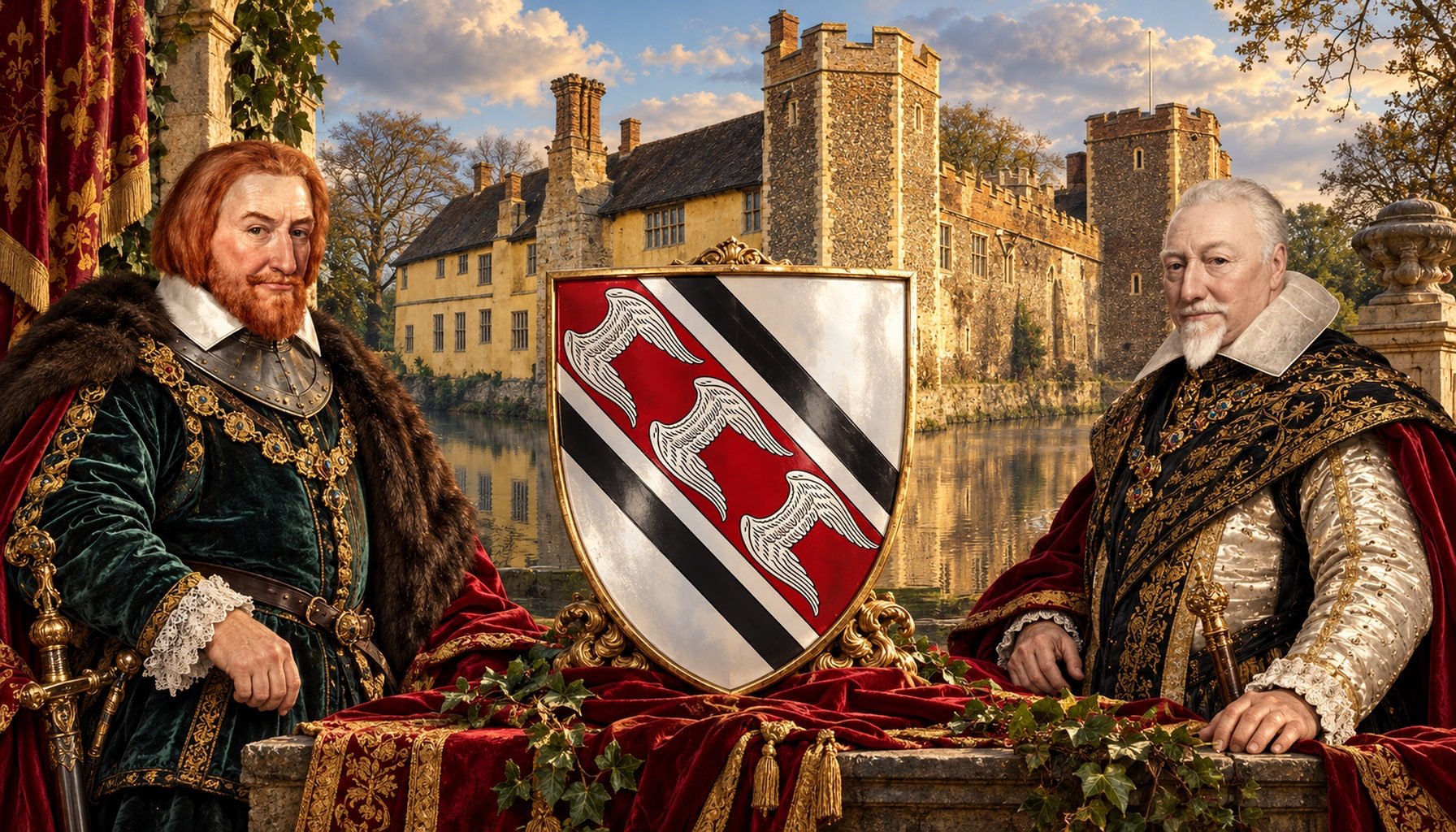
A strong location anchor for Spalding heritage is Ashintully Castle in Perthshire, near Blairgowrie, a striking tower house later enlarged into a lairdly residence. The site sits in a landscape that tells the story rather well: not isolated wilderness, but a connected world of estates, roads, river country, and local authority. Ashintully developed in stages, with an older tower incorporated into later work, and it eventually became associated with the Spaldings of Ashintully, one of the best-known branches of the name. Like many Scottish castles, it is less about fairy-tale romance than about status, improvement, defense, and family permanence written into stone. The castle survives, though in altered form and with a complicated history of damage and restoration, and it is a place that can still be seen from the outside and visited in that reasonable sense if you are exploring the area.
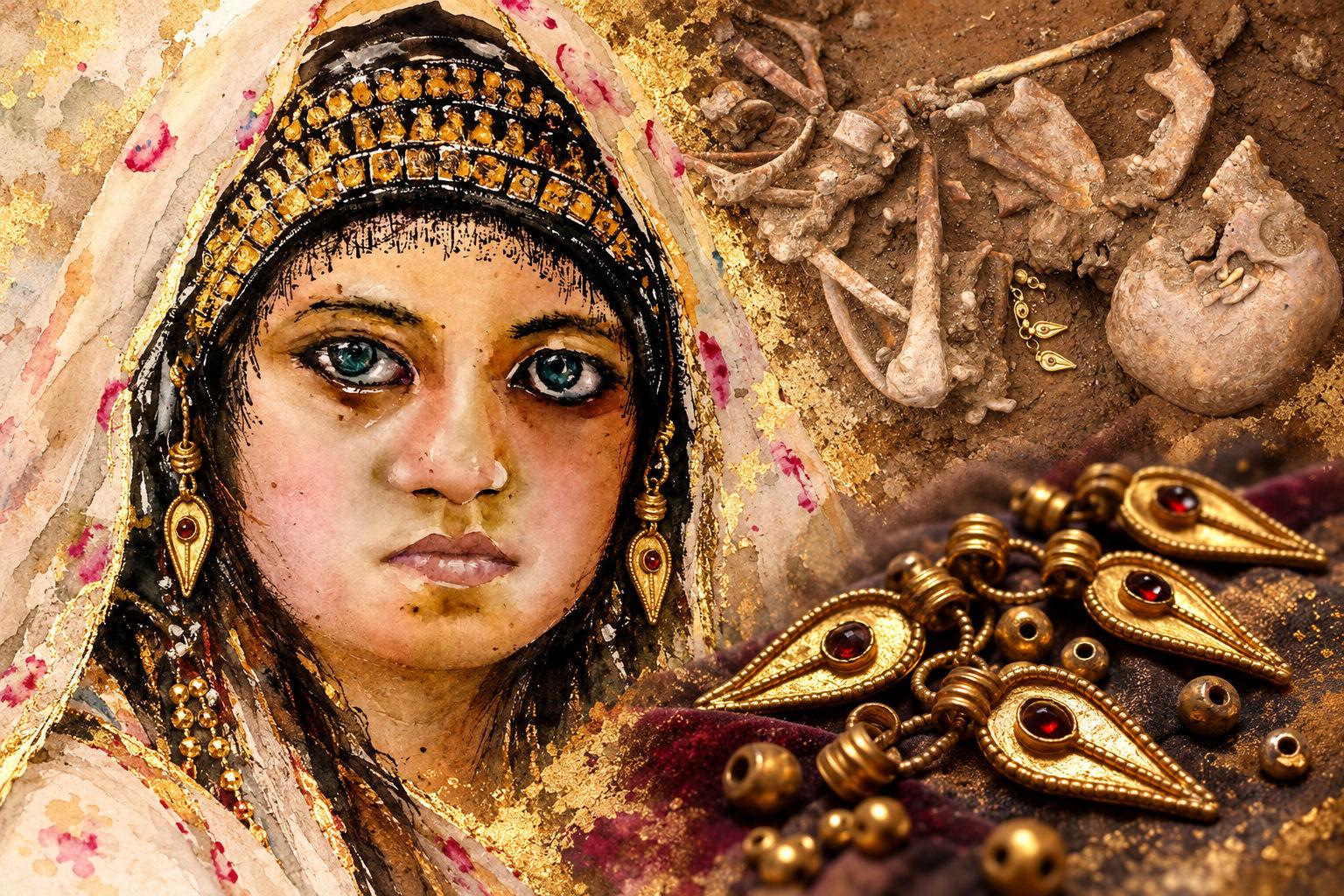
From an ancient DNA perspective, the haplogroup R1a1a1b1a3a2a links Clan Spalding to a much wider northern and eastern European story rather than to a single proved pedigree. Related or linked samples with this haplogroup appear across a remarkable chronological spread: Early Medieval Slovakia Bratislava (I4803), Medieval Sigtuna Sweden (mbs081), Gothic Tribe Poland Maslomecz Wielbark (PL067), Danii Tribe Sjaelland Roskilde Iron Age Denmark (CGG105327), Nordic Bronze Age and earlier Norway samples from Sund and Fauskland (CGG105604, CGG105608, CGG105612, CGG105623, CGG105628, CGG105916), Adogit Pre-Viking Northern Norway Nesna Tomeide (CGG107021), Bronze Age Norway Skjeggesnes (CGG105636_CGG105637), Viking Age Northern Norway Engholmen (CGG107011) and Ytre Kvaroy Luroy (CGG107016), Stora Kronan shipwreck Sweden (kro012), Viking Age Skara Varnhem (VK397), Oland samples (VK344, VK354), Hedmark Norway (VK394), Vendel Age Saaremaa Salme II-XXXII (VK498), Viking Invader Ridgeway Hill England (VK264), Bergsgraven Oestergotland (ber1), and Viking Norse Iceland (NNM-A1). None of this proves direct descent from any one burial, of course. What it does show is that the Spalding haplogroup sits within a deep network of lineages seen across the Baltic, Scandinavian, and wider northern European worlds that helped shape the populations from which later Scottish families emerged.
If you carry the Spalding surname, or suspect a connection to this Lowland place-name family tradition, DNA can add another layer to the story alongside records, heraldry, and landscape. Upload your DNA to MyTrueAncestry to see whether you match Clan Spalding, the primary haplogroup R1a1a1b1a3a2a, or related ancient DNA samples from medieval Scotland's wider northern European world.
Comments