Clan Skene
– 3 min read


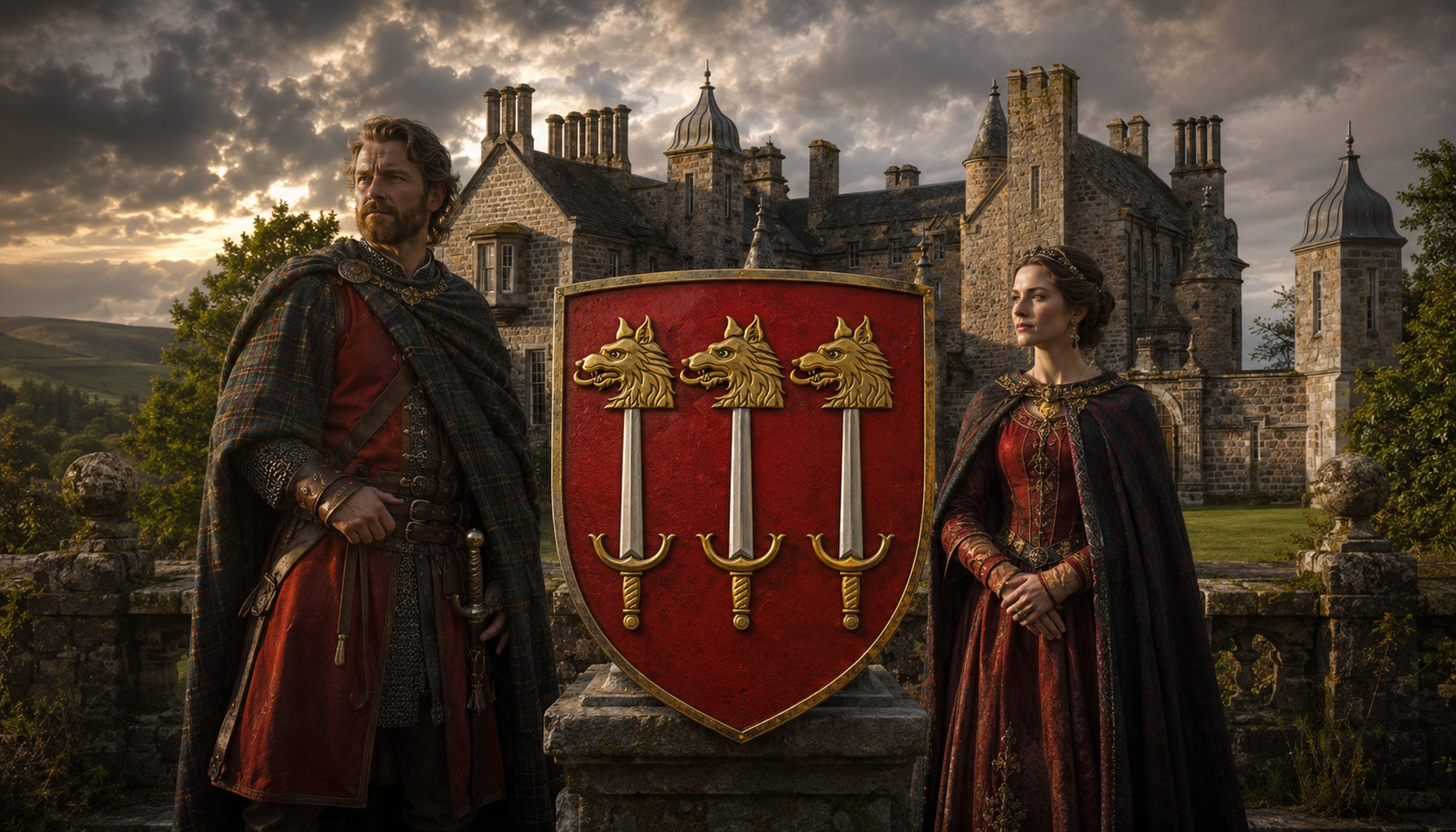
Clan Skene was a north-eastern Scottish family rooted in Aberdeenshire, closely tied to the lands of Skene and to the long-lived landed traditions of Lowland Scotland. Their heritage is not the story of a single dramatic Highland war-chief so much as that very Scottish pattern of continuity through estate, office, heraldry, military and civic service, and the stubborn persistence of a surname across centuries. The primary haplogroup linked with the family is R1b1a1b1a1a1e2a, a lineage well represented across later prehistoric and historic Europe.
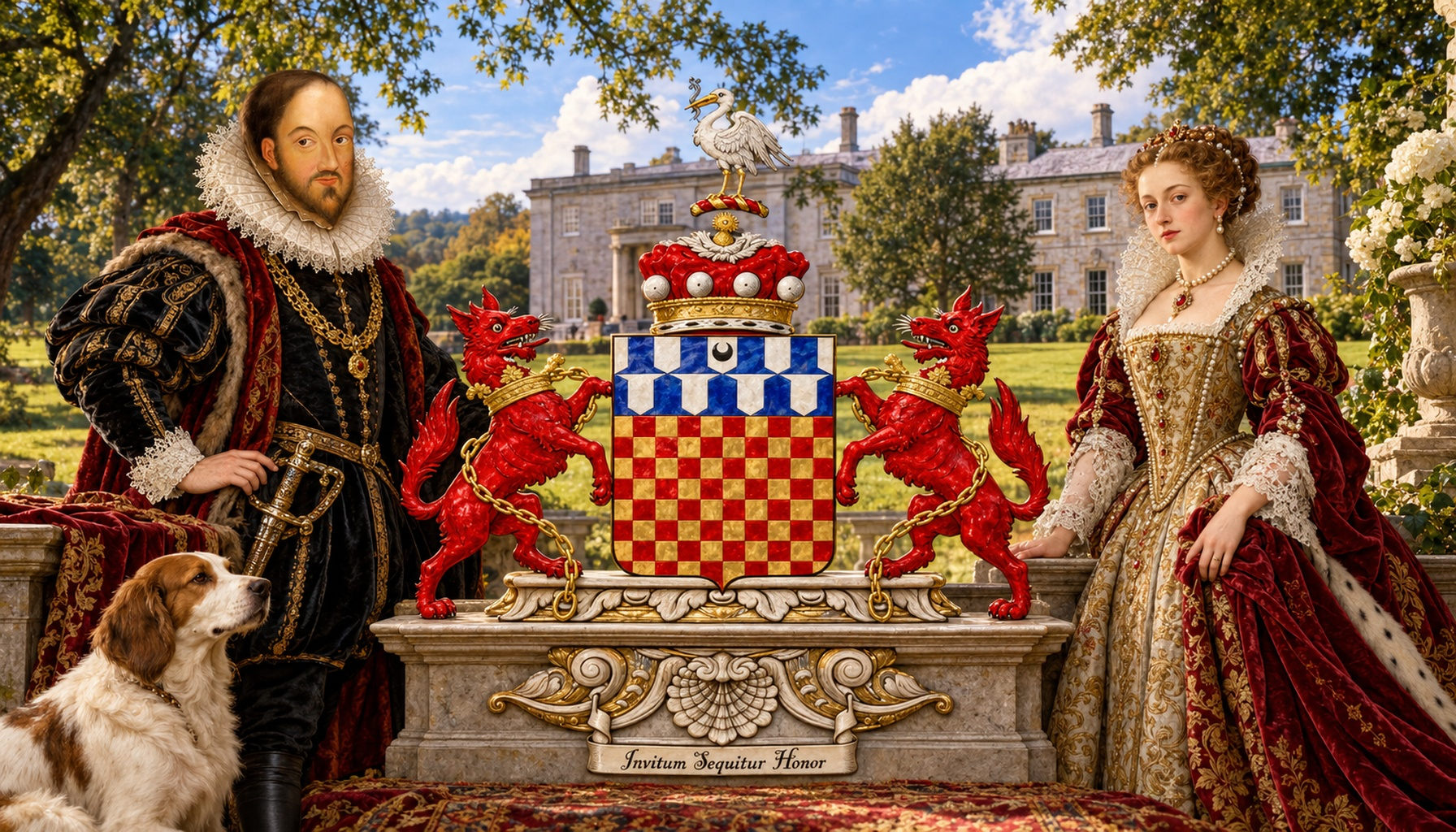
The name itself comes from place, and that matters. Families like the Skenes were shaped by territory first and romance second. In medieval Scotland, landholding was power, memory, and identity rolled into one. Early references place the family deep in that world: John de Skeen appears as early as 1093, and Robert Skene is recorded in 1317. Those names are not just decorative genealogical pegs. They show a family already established within the documentary life of medieval Scotland, where charters, service, and local standing helped turn a place-name into an enduring lineage. Clan Skene came to represent exactly the kind of regional authority that made the north-east of Scotland tick.
Skene Castle is the great location anchor of the family, and it tells the story rather well. Set in Aberdeenshire, west of Aberdeen, the site reflects layers of occupation and rebuilding rather than a single frozen medieval moment. The older stronghold associated with the Skenes was succeeded by later development, including the castellated mansion form that gave the place its more modern appearance. Accounts of the estate note its long association with the family and its standing within the local landscape as both residence and symbol of authority. This is exactly what one expects in Lowland and north-eastern Scottish history: not merely a fortress for feuding, but a seat from which land, influence, hospitality, and memory were organised. The setting, with its estate grounds and long continuity of occupation, makes Skene Castle less a stage prop and more a working record of how a family such as the Skenes endured. The castle and estate have remained notable enough in modern times that the site is still known and, depending on access arrangements and events, can still be visited in some form, which is a rather pleasing reminder that this history has not vanished into parchment.
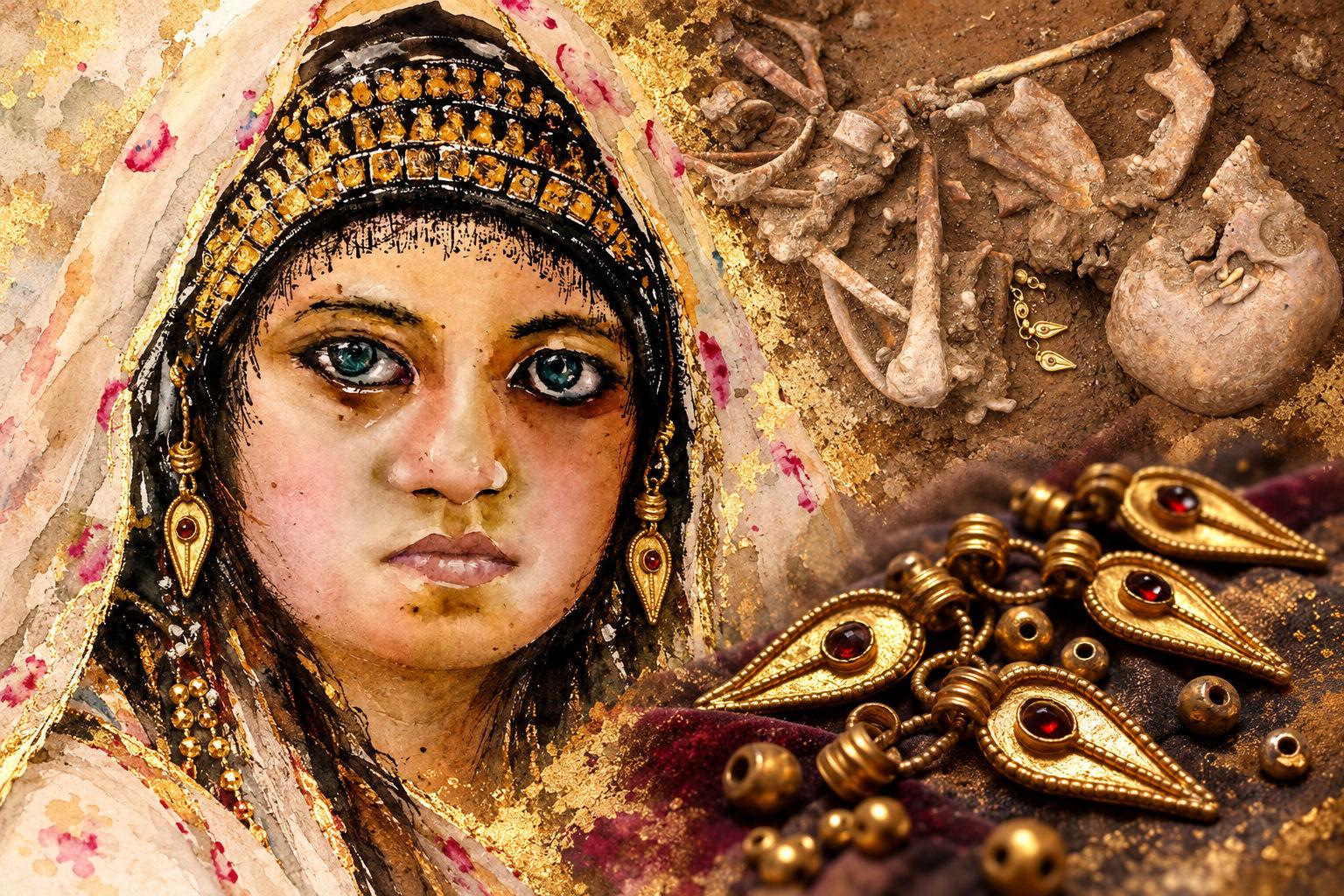
On the DNA side, the primary family haplogroup R1b1a1b1a1a1e2a links Clan Skene to a very wide arc of European ancient DNA evidence, though not as proof of direct descent from any one excavated individual. Rather, these are related or linked paternal signatures that help place the lineage in a deep historical setting. Samples associated with this branch appear in Late Neolithic and Bronze Age contexts such as Mienakker in the Netherlands (I12902), Battle Axe Sweden at L Beddinge 56 (RISE98), and Unetice-period Leubingen, Thuringia, Germany (LEU007). They also appear later among Iron Age and historic-era populations, including Hallstatt Austria (CGG101214), Roman Viminacium in Serbia (I15527), Roman-period Mursa in Croatia (OSIJ003), Saxon and early Anglo-Saxon burials from West Heslerton and Buckland Dover in England (I11583, I11584, I20652, BUK012, BUK060, BUK064, BUK070), Viking Age Sigtuna in Sweden (urm160, urm160x), Danii-linked Denmark at Simonsborg (CGG106724), medieval Sint-Truiden in Belgium (ST0024, ST0323, ST0786, ST2969), and post-Viking Hedeby (SWG001). What this suggests, in broad terms, is that the Skene-linked haplogroup belongs to a paternal line moving through the same northern and western European worlds that fed into the making of medieval Scotland: Bell Beaker and post-Corded Ware horizons, Iron Age Europe, the North Sea zone, Saxon England, Viking-age Scandinavia, and medieval urban societies.
If you carry the Skene surname, have Aberdeenshire roots, or simply want to see whether your DNA connects with Clan Skene or with related ancient R1b1a1b1a1a1e2a-linked samples, you can upload your DNA to MyTrueAncestry and explore the deeper historical picture for yourself.
Comments