Clan Ruthven
– 2 min read


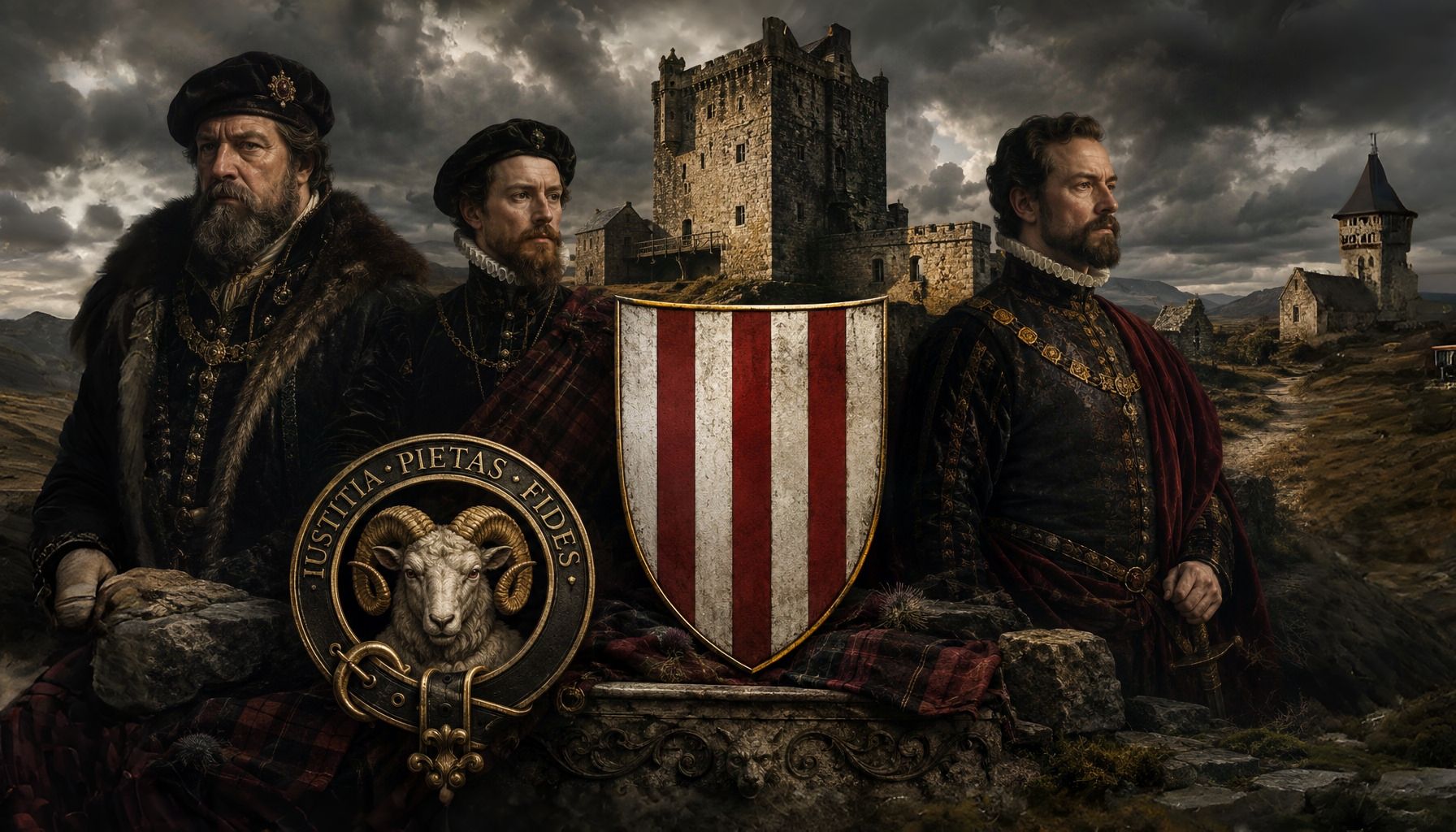
Clan Ruthven was one of the notable noble families of eastern Scotland, rooted above all in Perthshire, where land, office, marriage, and royal favour could turn a local lordship into real political force. Their name is linked with the place of Ruthven near Perth, and from that territorial base the family grew into a house associated with estate management, court service, heraldic identity, and the sometimes alarming business of standing too close to the Scottish crown. The primary haplogroup linked here is R1b1a1b1a1a2c1a5a2a1a1, a branch within the wider R1b line often seen across the historic populations of Britain and Ireland.
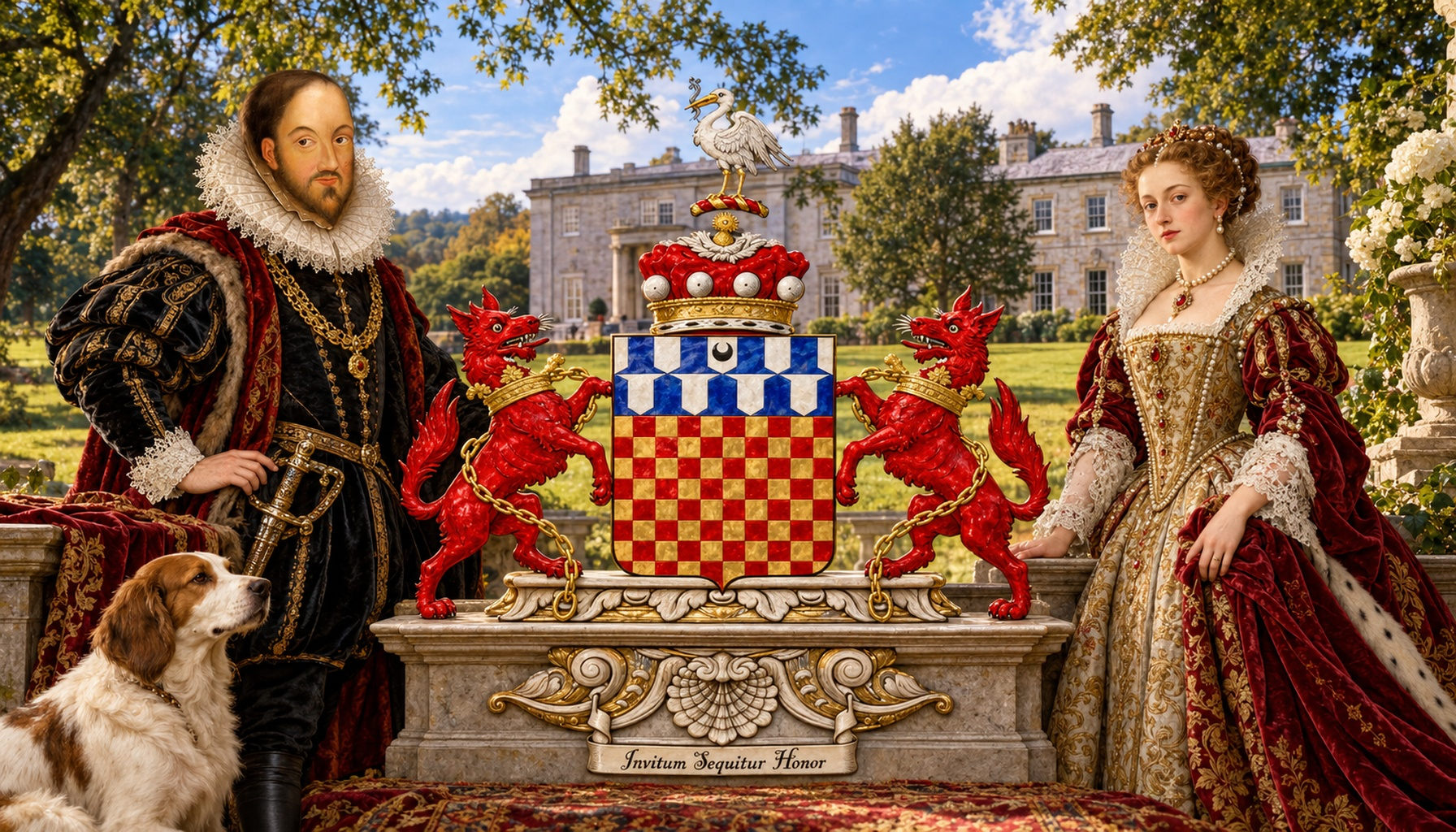
What makes the Ruthvens so recognisably Scottish is not just that they held land, but that they lived the full aristocratic pattern: advancement through loyalty, risk through ambition, and survival through memory. Sir Walter Ruthven appears on record in 1296, placing the family firmly in the world of late medieval Scotland, when noble identity was being hammered out through homage, warfare, charters, and regional influence. In later centuries the Ruthvens acquired titles, entered the circle of high politics, and became entangled in episodes of royal intrigue and factional struggle. Their story is full of exactly the sort of drama one expects from Scottish history: honour, calculation, promotion, forfeiture, and the stubborn endurance of lineage even after fortunes shifted.
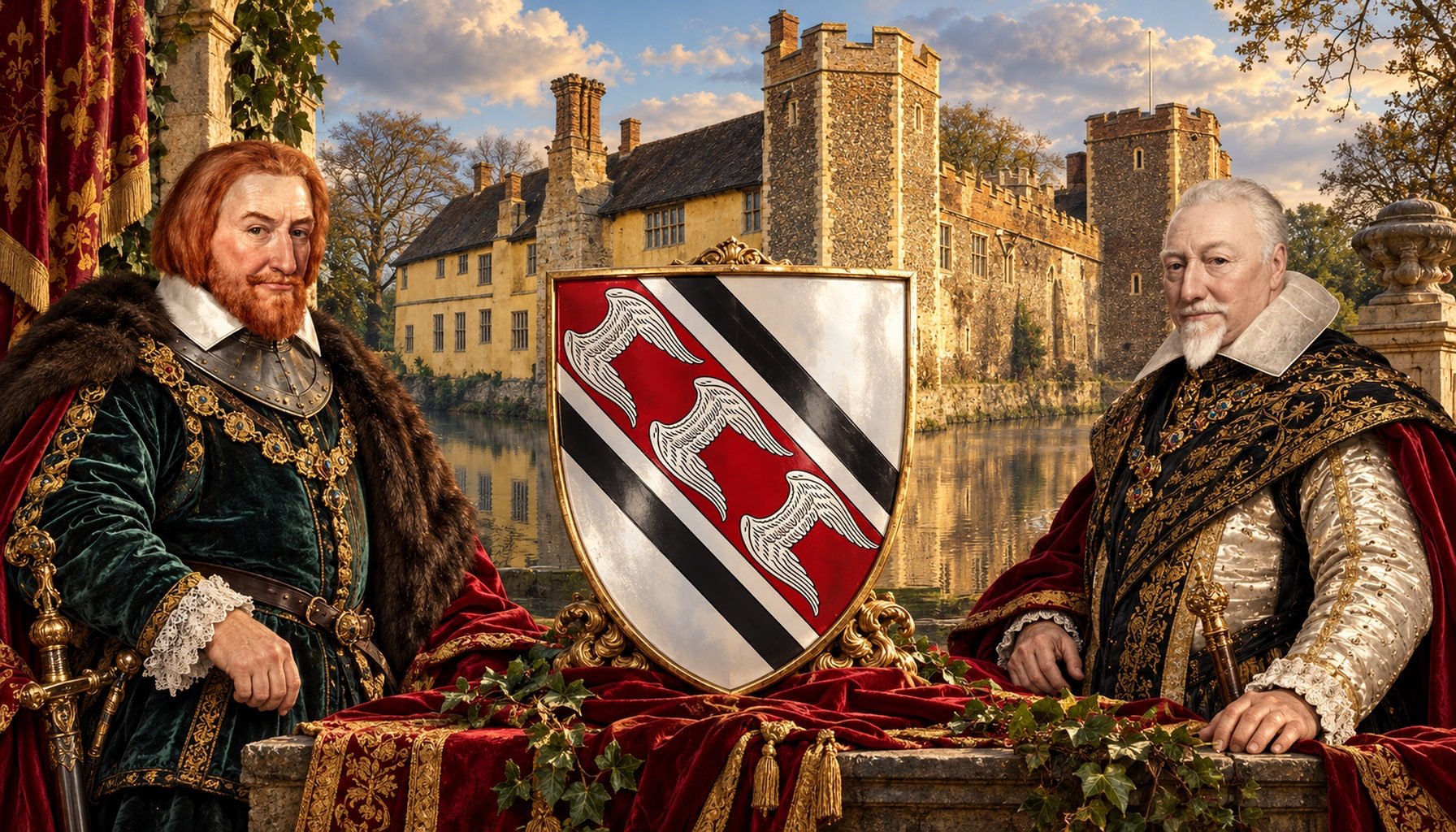
The great location anchor for Clan Ruthven is Huntingtower Castle, just west of Perth, one of the most important surviving monuments associated with the family. Formerly known as Ruthven Castle, it developed from a tower house into a more elaborate residence and stood at the heart of Ruthven power in Perthshire. Architecturally it is famous for its two closely set tower houses joined together, giving the building a rather distinctive and memorable silhouette. Historically, it was not merely a home but a statement: a fortified noble residence placed in a rich and contested part of Scotland, close enough to the political world of Perth and the crown to matter. The castle later passed through changing hands and changing fortunes, but it still preserves the atmosphere of a family that rose by landed authority and then had to navigate the dangerous currents of national politics. Happily, Huntingtower Castle is still standing and can be visited today, which means the Ruthven story is not only something read in documents but something you can walk into, stone by stone.
From a DNA perspective, the Ruthven-linked haplogroup R1b1a1b1a1a2c1a5a2a1a1 sits within a deep northwestern European paternal landscape. Related or linked ancient samples help sketch that wider backdrop, even though they should not be read as proof of direct descent. Among them are Early Anglo-Saxon Cemetery West Heslerton, Yorkshire, sample I11586; Celtic Briton Carsington Pasture Cave, Derbyshire, sample I12775; Celtic Briton Lechlade-on-Thames, Gloucestershire, sample I12783; Celtic Briton Bradley Fen, Cambridgeshire, sample I11156; Iron Age Greystones Farm, Gloucestershire, sample I12785; and the well known Ireland Copper Age sample Rathlin1B. Together, these linked finds point to a long continuity of related paternal lines in Britain and Ireland, stretching from prehistoric communities through Iron Age and early medieval societies into the genealogical world from which later noble families such as the Ruthvens emerged.
Read more about the Royal House of Stewart
If Clan Ruthven is part of your family story, this is where history becomes personal. Upload your DNA to MyTrueAncestry and see whether you match the Ruthven family profile or related ancient DNA samples connected to the wider world of medieval Scotland, Celtic Britain, and early northern Europe.
Comments