Clan Rollo
– 2 min read



Primary family haplogroup: R1b1a1b1a1a2c1a5a2a1a1
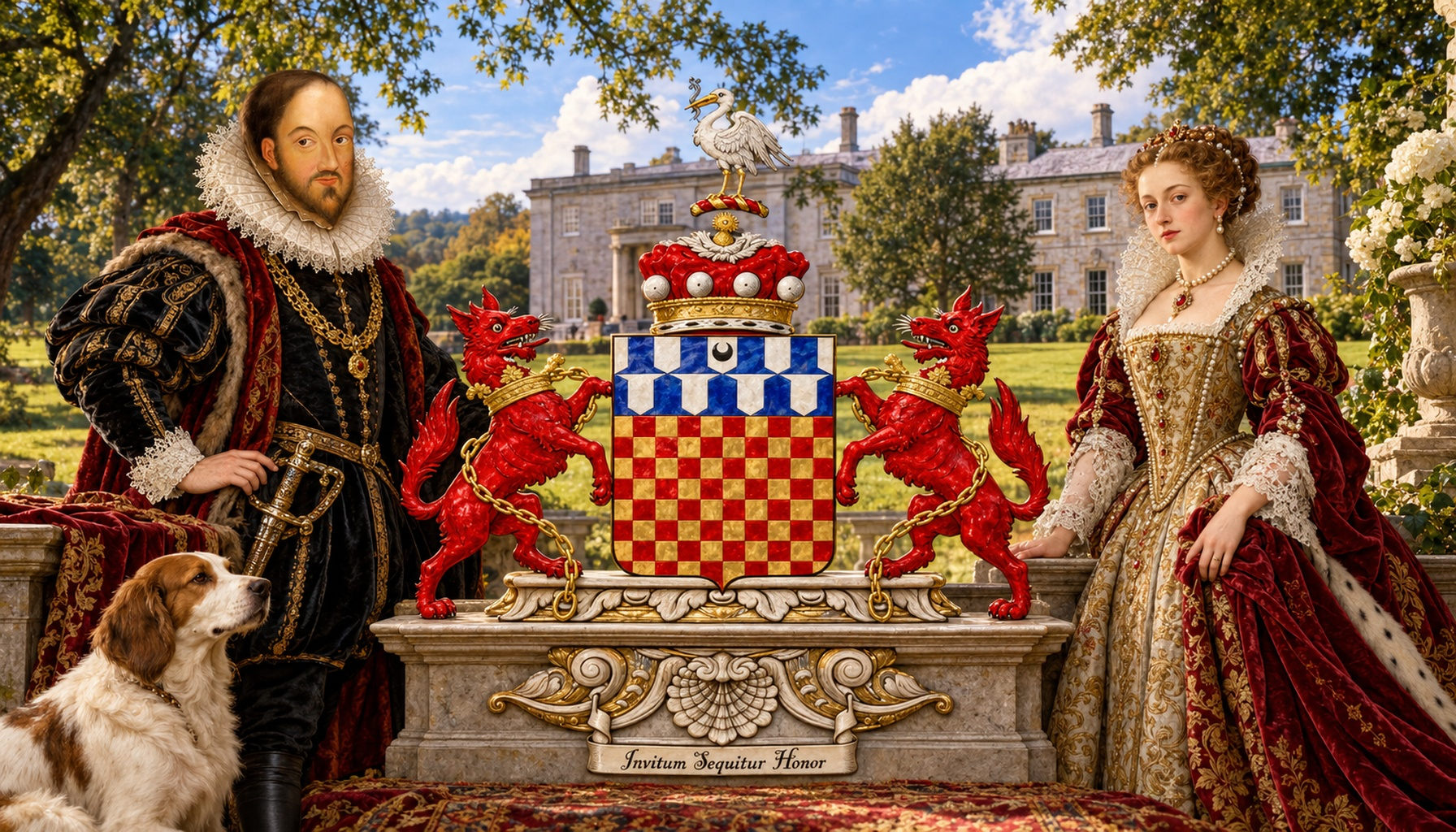
Clan Rollo was a Scottish landed family rooted in Perthshire, remembered less as a kilted frontier war-band and more as one of those durable Lowland noble houses that helped run Scotland through land, office, service, and marriage. Their story belongs to the world of estates, charters, heraldry, and public duty: the kind of family that endured because it kept its footing in local society and translated ancestry into administration, military work, and steady political presence. In genetic tagging terms, the primary family haplogroup linked here is R1b1a1b1a1a2c1a5a2a1a1.
The Rollos developed through continuity rather than spectacle. Their identity grew from estate-based authority, alliance-building, and the long memory of noble rank, rather than the purely Highland model so often imagined in popular clan history. That is what makes them interesting. Scotland was never only a land of dramatic glens and sword-charges; it was also a land of title deeds, local influence, kirk politics, parliamentary participation, and families who stayed important because they stayed useful. Figures such as Robert Rollo and Andrew Rollo, 5th Lord Rollo (1703-1765), show this breadth well, with the latter especially standing out as a soldier and imperial officer whose career carried the family name far beyond Perthshire while remaining anchored in Scottish noble tradition.
One evocative place in the Rollo landscape is the area around Dunning in Perthshire, near the monument known as Maggie Wall. This is one of those Scottish sites that seems to gather history, folklore, and unease into a single roadside stop. Maggie Wall is traditionally presented as a memorial to a woman supposedly executed for witchcraft in the seventeenth century, although historians have long noted that no firm documentary evidence for such an execution has been found. In other words, it is a monument wrapped in mystery: part local memory, part later storytelling, part warning from a Scotland where belief in witchcraft once had very real force. Its setting near the old Rollo country matters, because families like the Rollos were not just names on pedigrees; they belonged to a lived landscape of parishes, estates, judicial authority, and village memory. Yes, the monument can still be visited today, and it remains one of those places where the Scottish past feels close enough to touch, even if the exact story behind it is still debated.
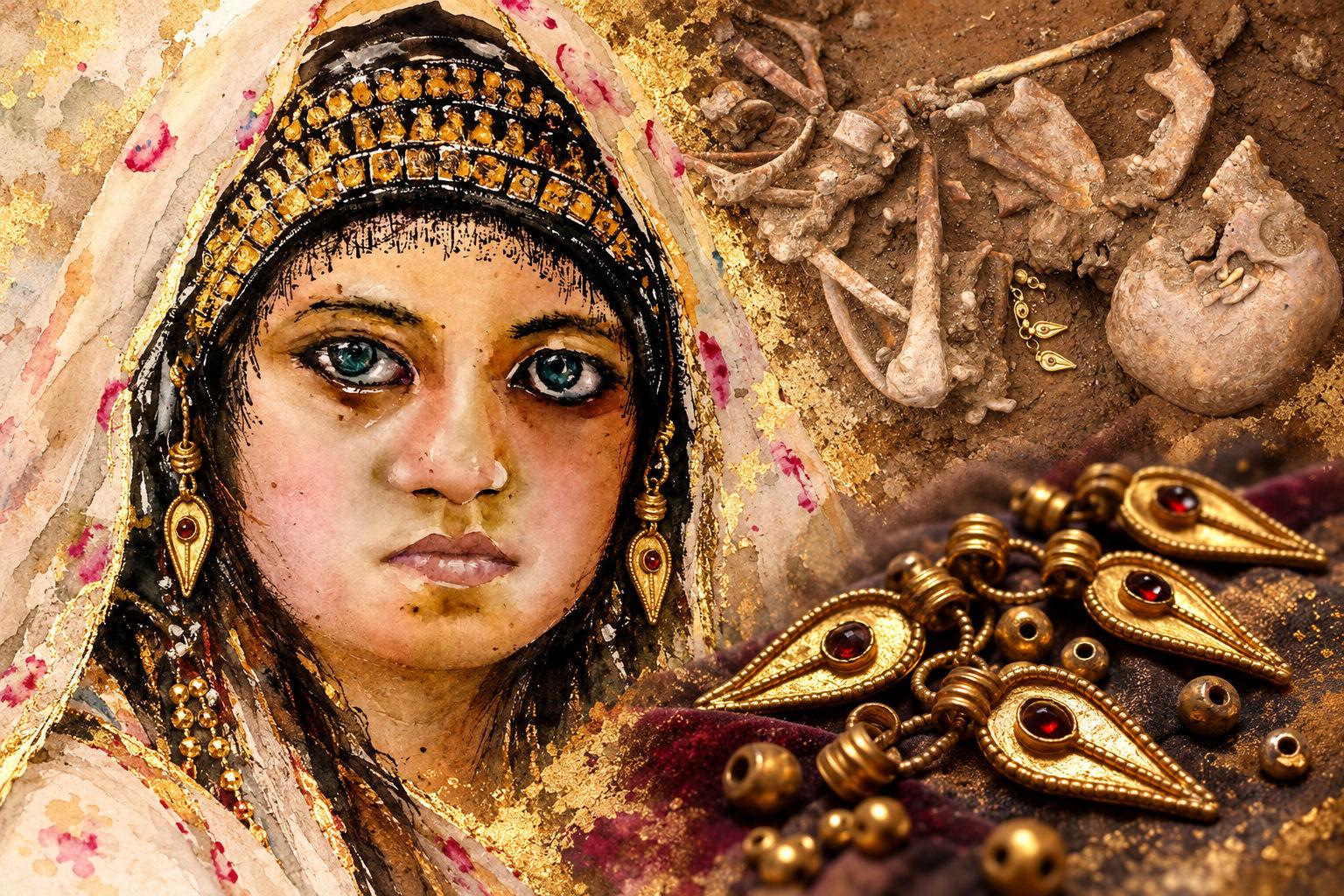
From an ancient-DNA perspective, the haplogroup tag R1b1a1b1a1a2c1a5a2a1a1 connects Clan Rollo to a broader network of related paternal lineages seen across Britain and Ireland over long stretches of time. Related or linked samples include Early Anglo Saxon Cemetery West Heslerton, Yorkshire (I11586), Celtic Briton Carsington Pasture Cave, Derbyshire, England (I12775), Celtic Briton Lechlade-on-Thames, Gloucestershire, England (I12783), Celtic Briton Bradley Fen, Cambridgeshire, England (I11156), Iron Age Gloucestershire, England, Greystones Farm (I12785), and the well-known Ireland Copper Age sample Rathlin1B. These do not prove direct descent from any one ancient individual, and it is important not to overclaim. What they do suggest is that the Rollo paternal line sits within a very old and widespread northwestern European story, one that reaches back through Iron Age and early medieval Britain and into deeper prehistoric Ireland. That is the pleasure of archaeogenetics: not fantasy pedigree, but a widening sense of where a lineage belongs in the long human map.
If you carry Rollo ancestry, or simply suspect your roots run into Perthshire and the old Lowland noble world, DNA can add a fresh layer to the paper trail. Upload your DNA to MyTrueAncestry to see whether you match Clan Rollo or related ancient DNA samples linked to this wider British and Irish lineage story.
Comments