Clan Ramsay

– 3 min read



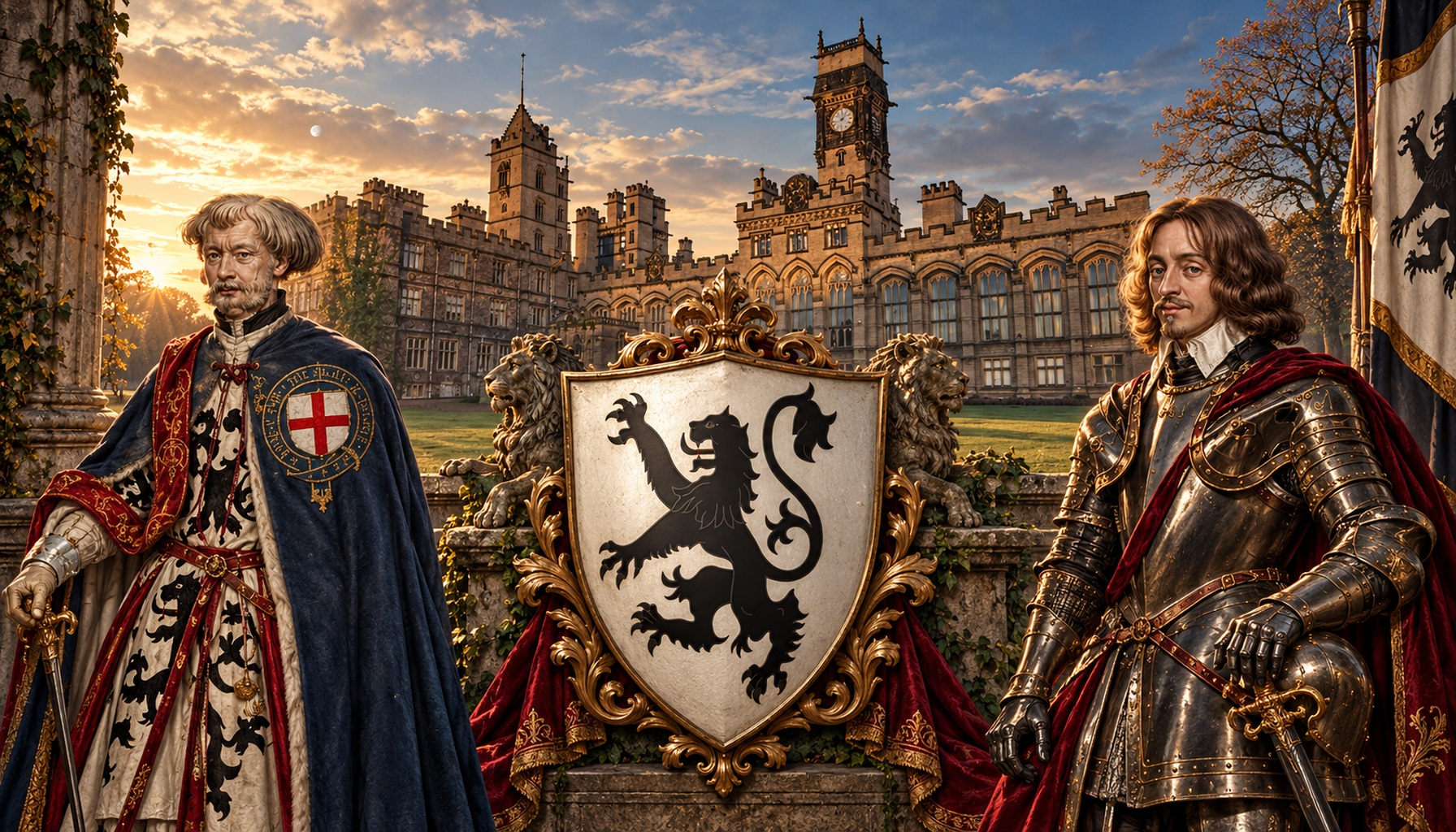
Clan Ramsay was a Lowland Scottish family of landholders, royal servants, soldiers, and public men, rooted above all in the south-east of Scotland and especially associated with Midlothian. In genetic tagging terms, the primary family haplogroup linked here is R1b1a1b1a1a2c1a4b2c3, a branch within the broader R1b line that is widespread across western Europe. Historically, though, the Ramsays are best understood not as a purely Highland-style territorial clan, but as one of those durable Scottish noble houses built through charters, estates, office, marriage, and loyal service to crown and state.
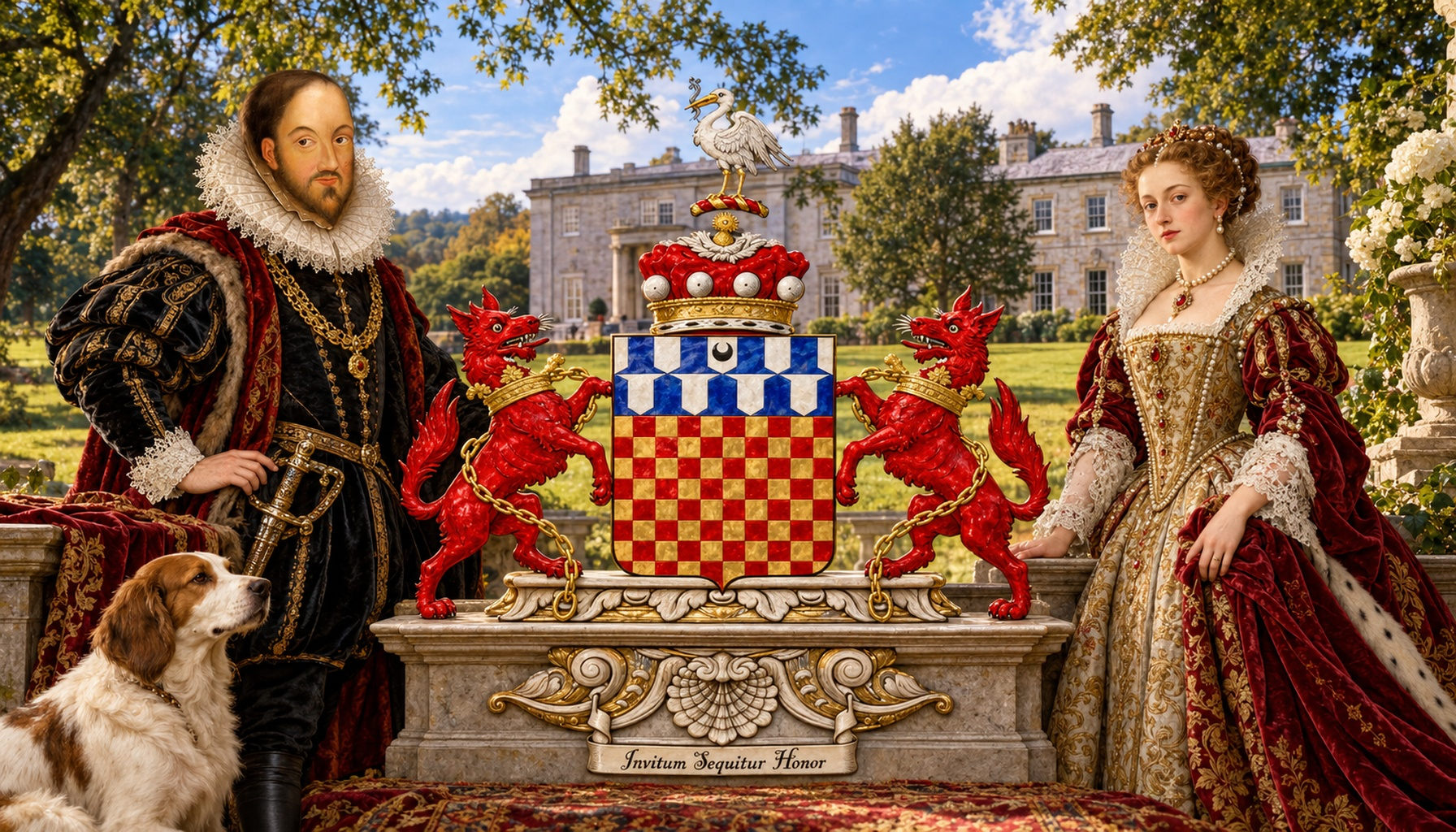
The name itself points to an older place-based origin, generally connected to Ramsey in Huntingdonshire in England, from which a family branch seems to have moved north in the 12th century during the great reshaping of Scotland under David I, when many Anglo-Norman and northern English families entered royal service and took root in Scottish soil. One of the earliest known figures is Simundus de Ramesie, recorded around 1140. From that kind of beginning, the Ramsays grew in the classic medieval fashion: acquiring lands, tying themselves into noble networks, serving in war and administration, and gradually becoming one of those families whose history is woven into the machinery of Scotland itself. Over time they produced titled branches, heraldic distinction, and a reputation for long continuity rather than brief brilliance.
The great location anchor for Clan Ramsay is Dalhousie Castle, just outside Edinburgh near Bonnyrigg in Midlothian, on a wooded bend above the River Esk. This is not just a picturesque ruin with a good story attached; it was for centuries the seat of the Earls of Dalhousie and one of the longest continuously occupied family castles in Scotland. The core of the building goes back to the 13th century, with later additions and alterations reflecting the long life of the estate rather than a single grand medieval moment. Like many Scottish castles, it began as a fortified residence, but over the centuries it became something more layered: part stronghold, part noble household, part statement of status. Its red sandstone walls, towered silhouette, and later baronial development speak of adaptation, not stagnation. It has also lived several lives after its aristocratic heyday, including use during the 20th century before becoming a hotel, which means that, yes, it can still be visited today in a form that keeps the place very much present rather than merely remembered.
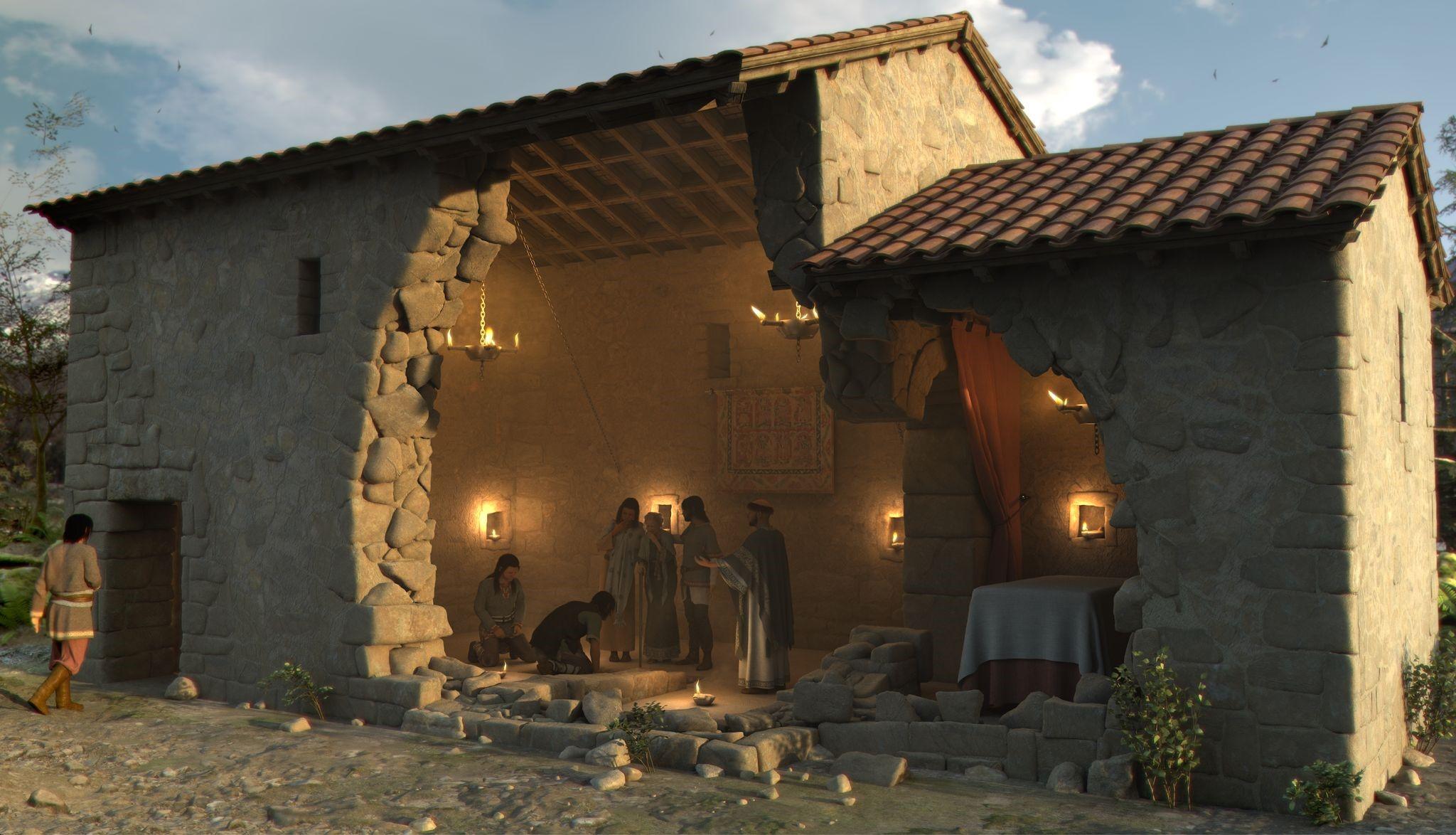
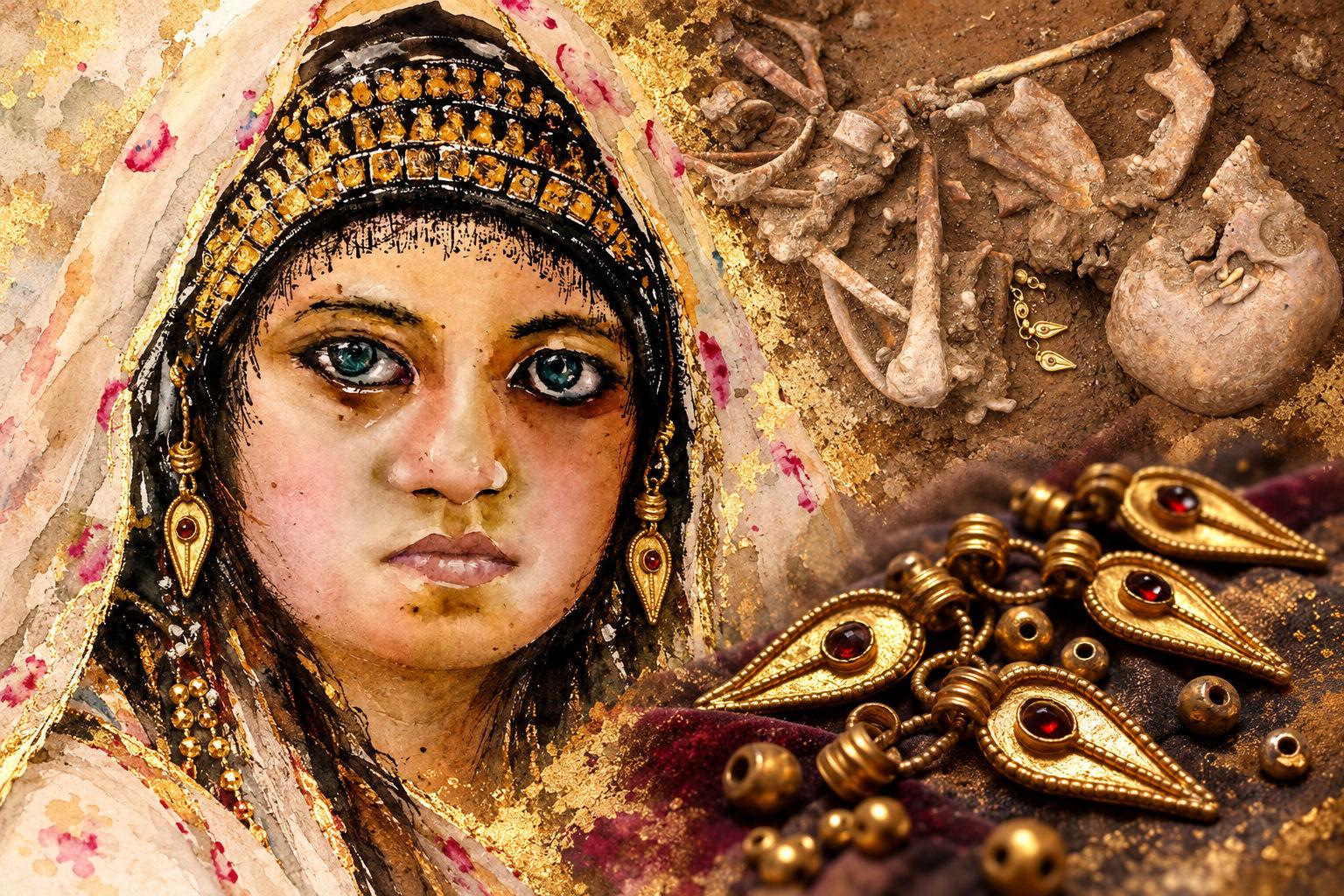
From the ancient DNA side, the haplogroup R1b1a1b1a1a2c1a4b2c3 links the Ramsay story into a much wider north-west European male-line landscape. Related or linked samples include Medieval England Cambridge St Johns Hospital (ATP_PSN_192), Late Medieval England Clopton Cambridgeshire (ATP_PSN_1268), the Belgic Tribe hillfort at Danebury in Hampshire (I17264), Bronze Age Trumpington in England (I7640), and even a Gaelic settler in Viking Age Iceland (ORE-A1). That does not prove direct descent from any of these individuals, and it would be quite wrong to pretend it does. What it does show is that this paternal line turns up across a long arc of British and north Atlantic history, from prehistoric southern Britain to medieval English communities and the mixed Gaelic-Norse world of Iceland. In other words, the Ramsay genetic tag sits comfortably within the deep and tangled population history of Britain and its connected seas.
Read more about the Royal House of Stewart
If you carry the Ramsay surname, have Ramsay lines in your family tree, or are simply curious about how a Lowland Scottish noble family fits into the bigger human story, DNA can add an intriguing extra layer. Upload your DNA to MyTrueAncestry to see whether you match Clan Ramsay, or related ancient DNA samples linked to haplogroup R1b1a1b1a1a2c1a4b2c3, and place your family history against the deeper archaeological map of Britain and beyond.
Comments