Clan Pollock
– 2 min read


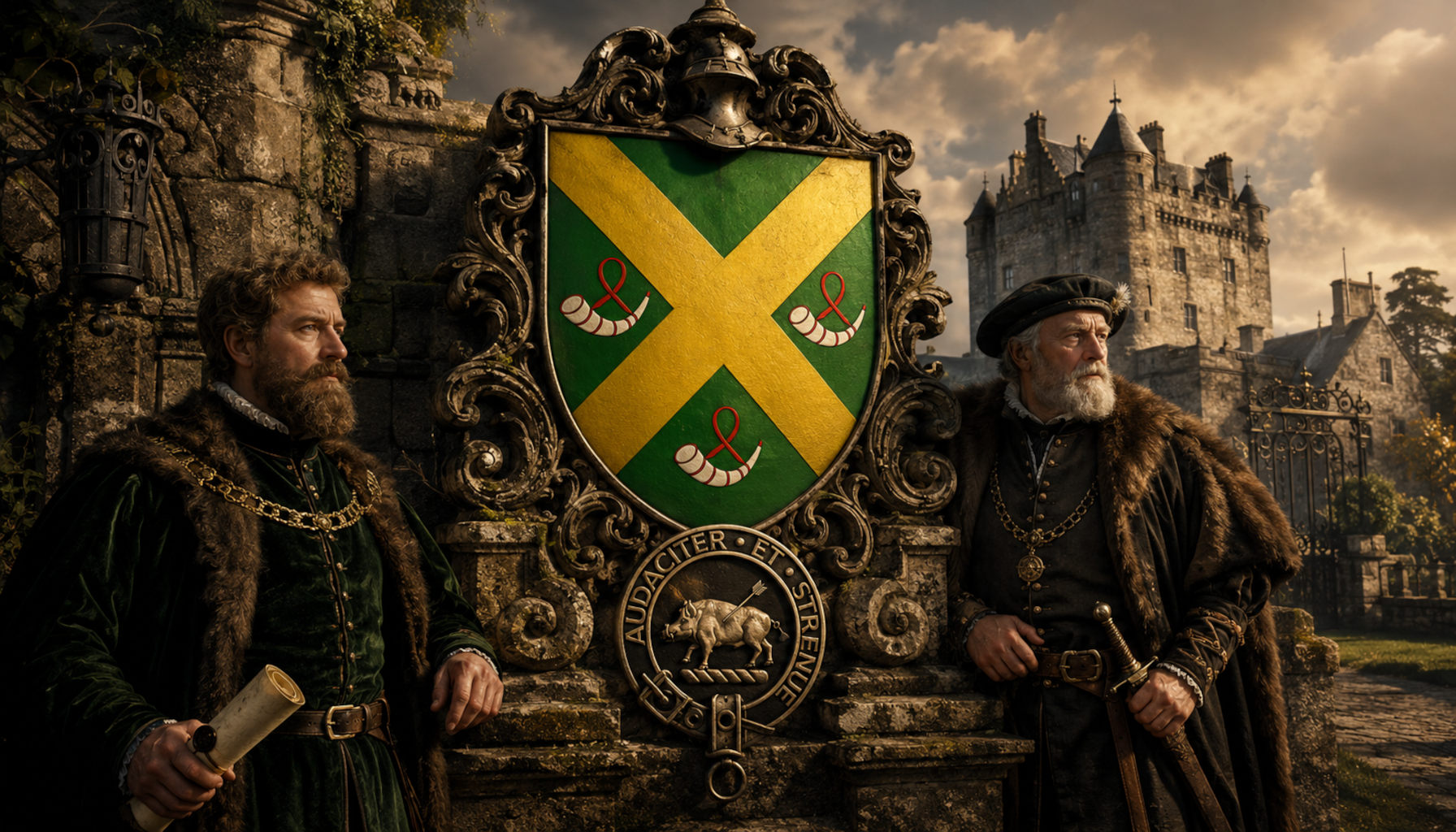
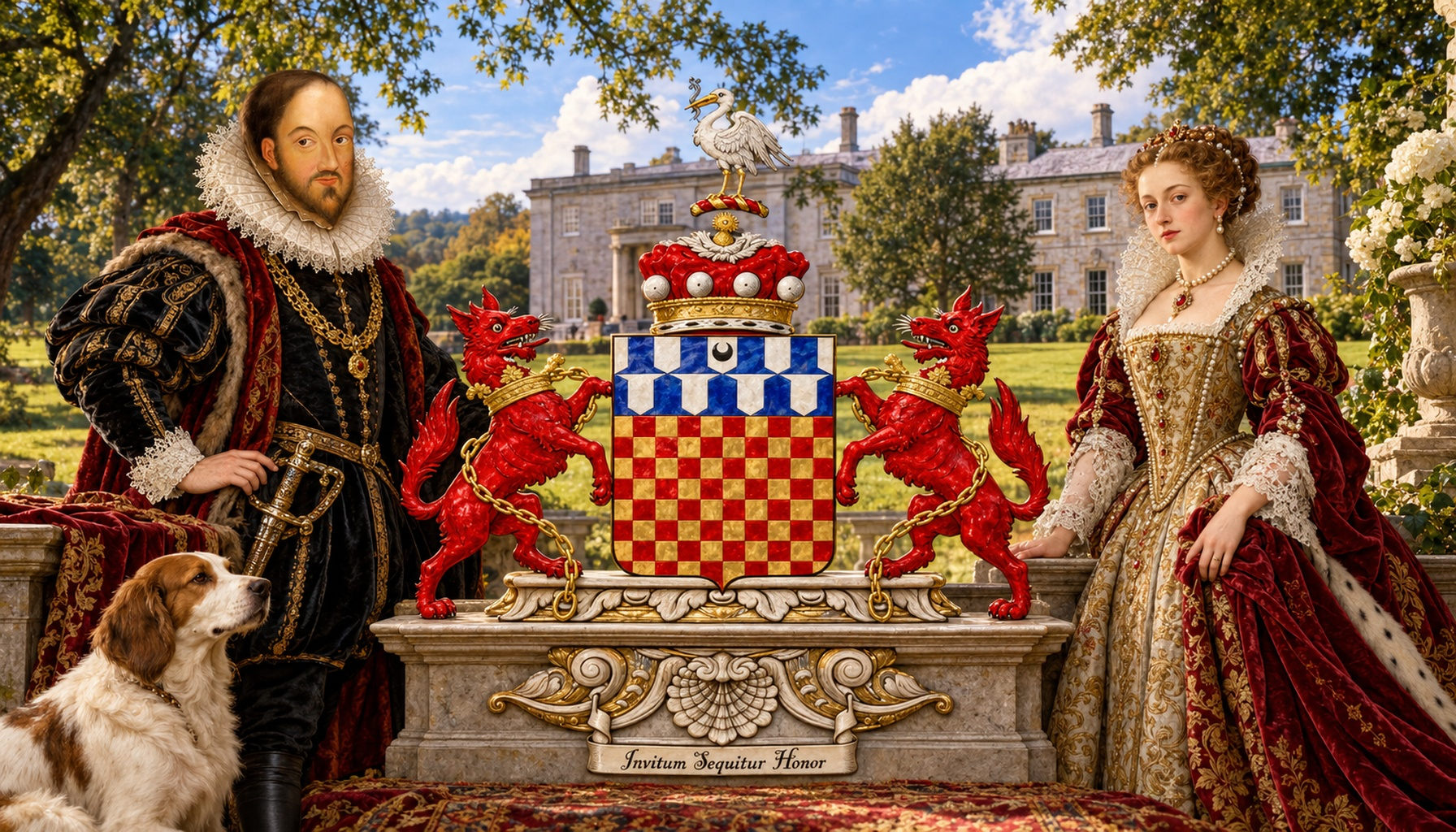
Clan Pollock was a Scottish landed family of Renfrewshire, rooted in the old Lowland pattern of identity where place mattered every bit as much as bloodline legend. The name comes from the lands of Pollok in the west of Scotland, and the family grew not out of a Highland war-band model, but through territorial continuity, estate holding, service, local authority, and heraldic memory. In haplogroup terms, the primary family association here is I2a1b1a2b1a2a1a1a1a3a1, a paternal line linked with a deeper northwestern European past.
The earliest figure usually brought into view is Petrus de Polos, recorded in 1163, which neatly places the family in that formative medieval Scottish world where surnames were beginning to settle around estates and lordship. That is really the key to understanding Pollock heritage. This is a family whose history was tied to land and record keeping, to the endurance of a name attached to a district, and to the steady social weight of being known locally over generations. In that sense, Clan Pollock is a fine example of the Lowland territorial surname tradition: less tartan romance, perhaps, but no less historically Scottish for that.
The great location anchor for the family is Pollock Castle in Renfrewshire, close to modern Glasgow, and it speaks volumes about how the family fitted into the history of the west of Scotland. The earlier castle stood on the Pollok estate and served as the long-standing seat of the Maxwells of Pollok, who inherited the old Pollok lands, with the site preserving the territorial importance of the district itself. The medieval castle was later replaced by a castellated country house in the nineteenth century, also called Pollock Castle, which in turn was demolished in the twentieth century after a period of decline and wartime use. What survives today is not a complete standing fortress in the dramatic sense, but the site remains part of the historic Pollok landscape, bound up with the memory of estate continuity, local power, and the layered story of landownership in Renfrewshire. The wider Pollok Country Park area can certainly still be visited, and it remains one of the best ways to get a feel for the physical setting that gave the family its name.
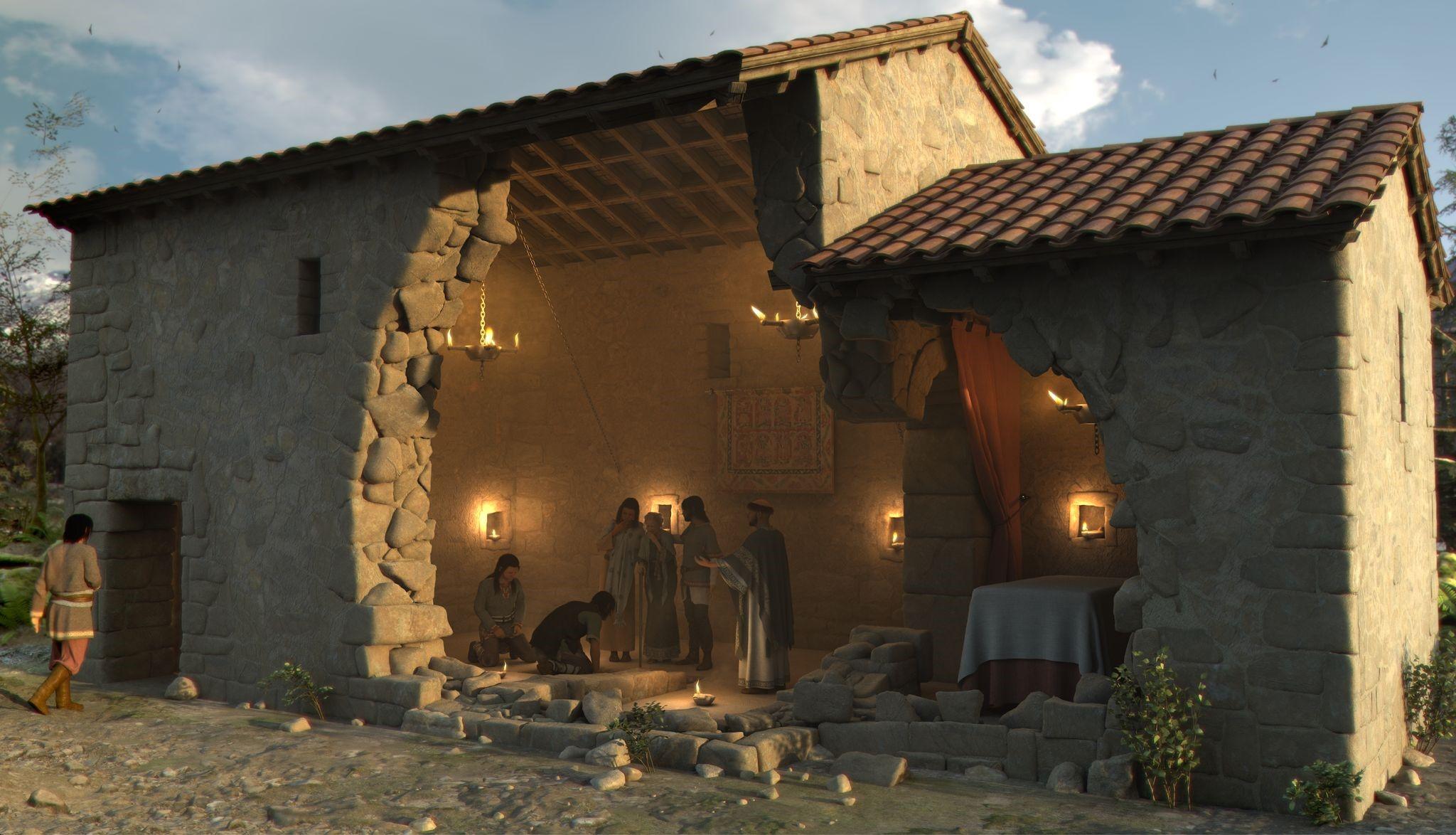
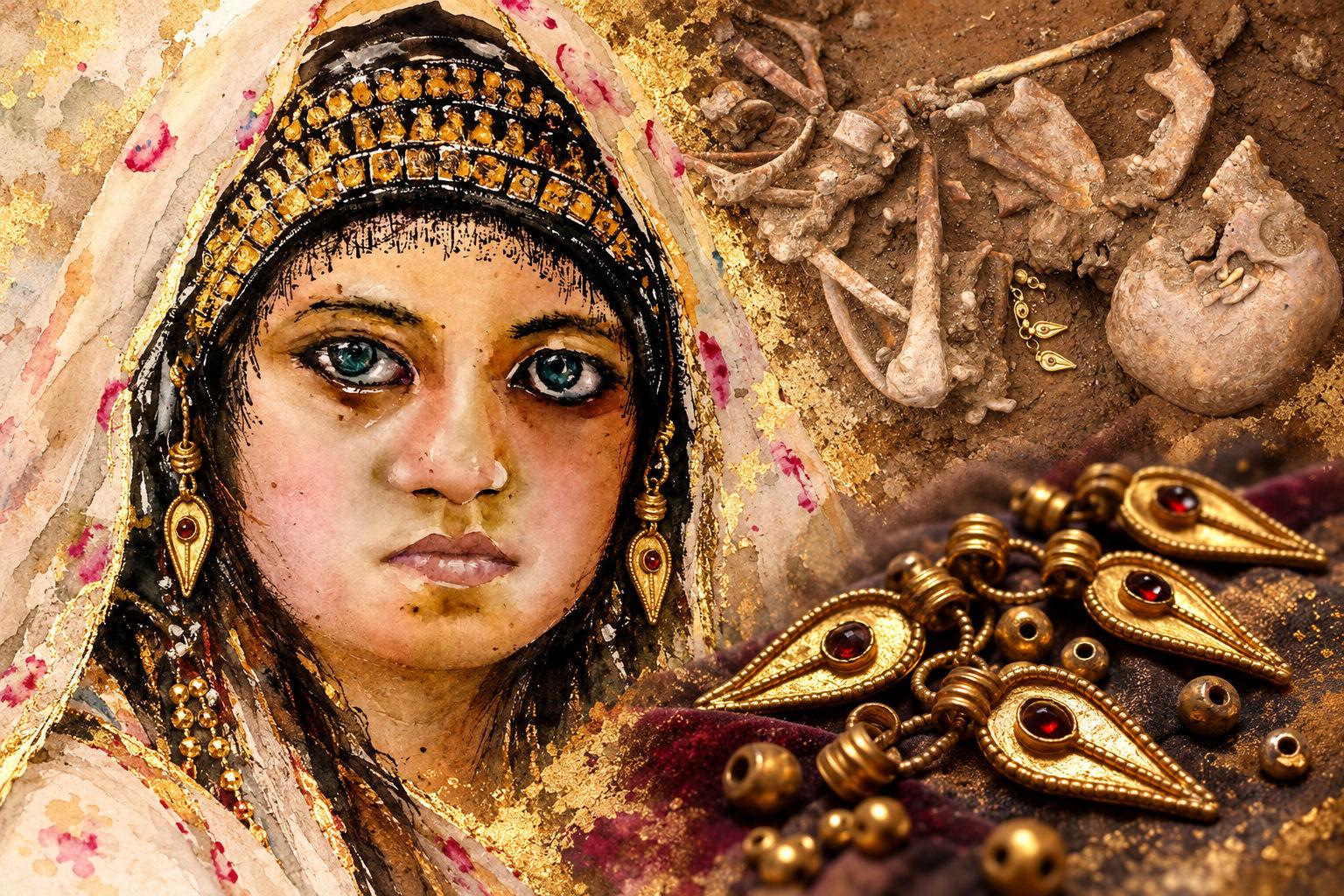
For those interested in deeper paternal origins, the Pollock-associated haplogroup I2a1b1a2b1a2a1a1a1a3a1 has links to a spread of ancient samples across northern Europe. Related or linked examples include Merovingian Period Frankish Moemlingen, Germany (Mln13), Jute Early Roman Era Denmark Jutland Bog War Alken Enge (CGG019201), Jute Early Roman Era Denmark Jutland Bog War Alken Enge (CGG019212), Danii Tribe Denmark Forevejlegard (CGG107532), and Viking Age Oland, Sweden (VK348). These do not prove direct descent from any one individual, and it would be quite wrong to pretend otherwise. But they do place this paternal line in a very interesting archaeological world of Germanic, Jutish, Danish, Frankish, and Viking Age populations around the North Sea and Baltic zones, a reminder that Scottish family history often sits within a much wider European story.
If you carry the Pollock surname, have roots in Renfrewshire, or simply want to see whether your DNA matches Clan Pollock or related ancient DNA samples, you can upload your results to MyTrueAncestry and explore the evidence for yourself.
Comments