Clan Paisley
– 3 min read


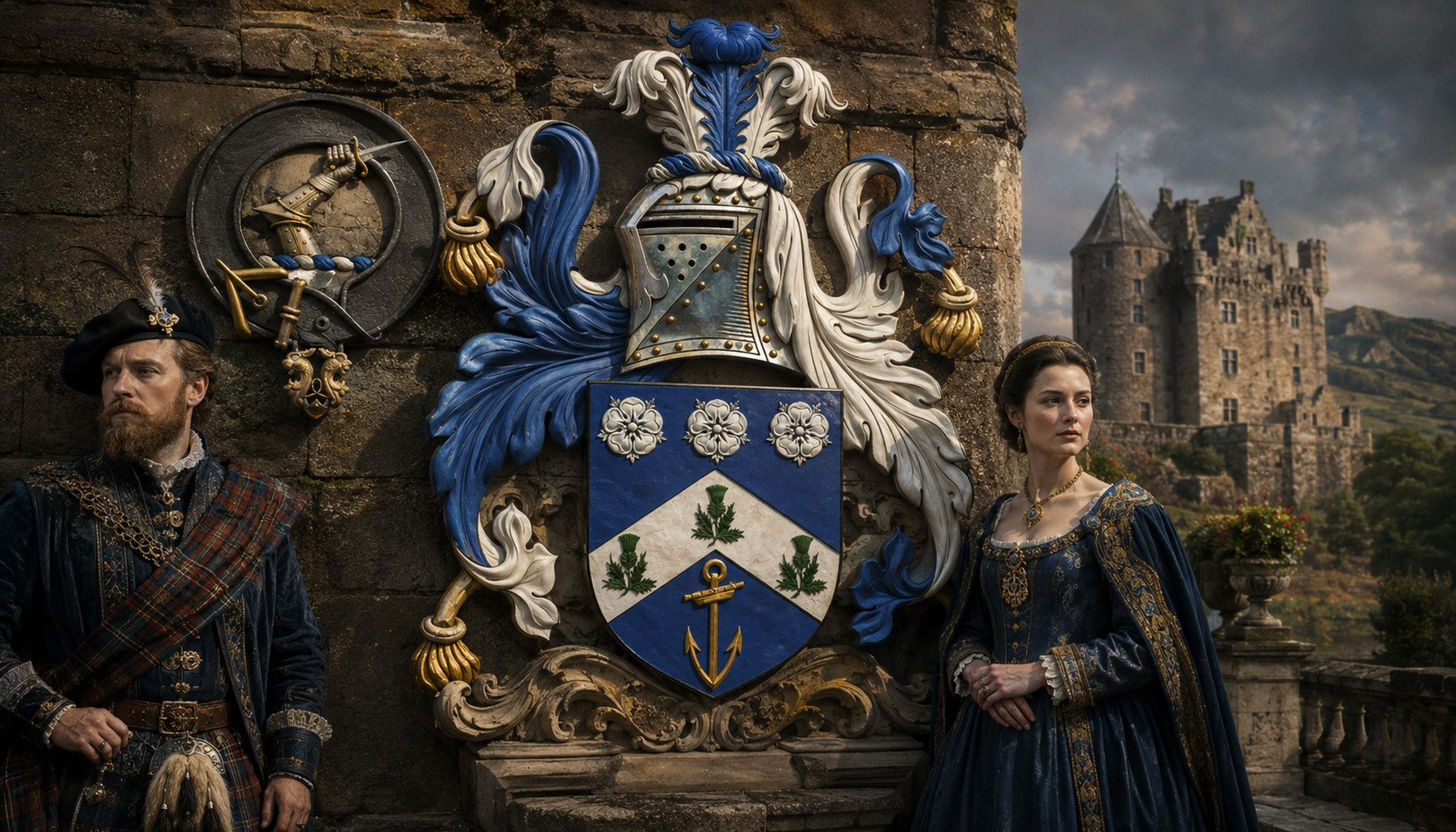
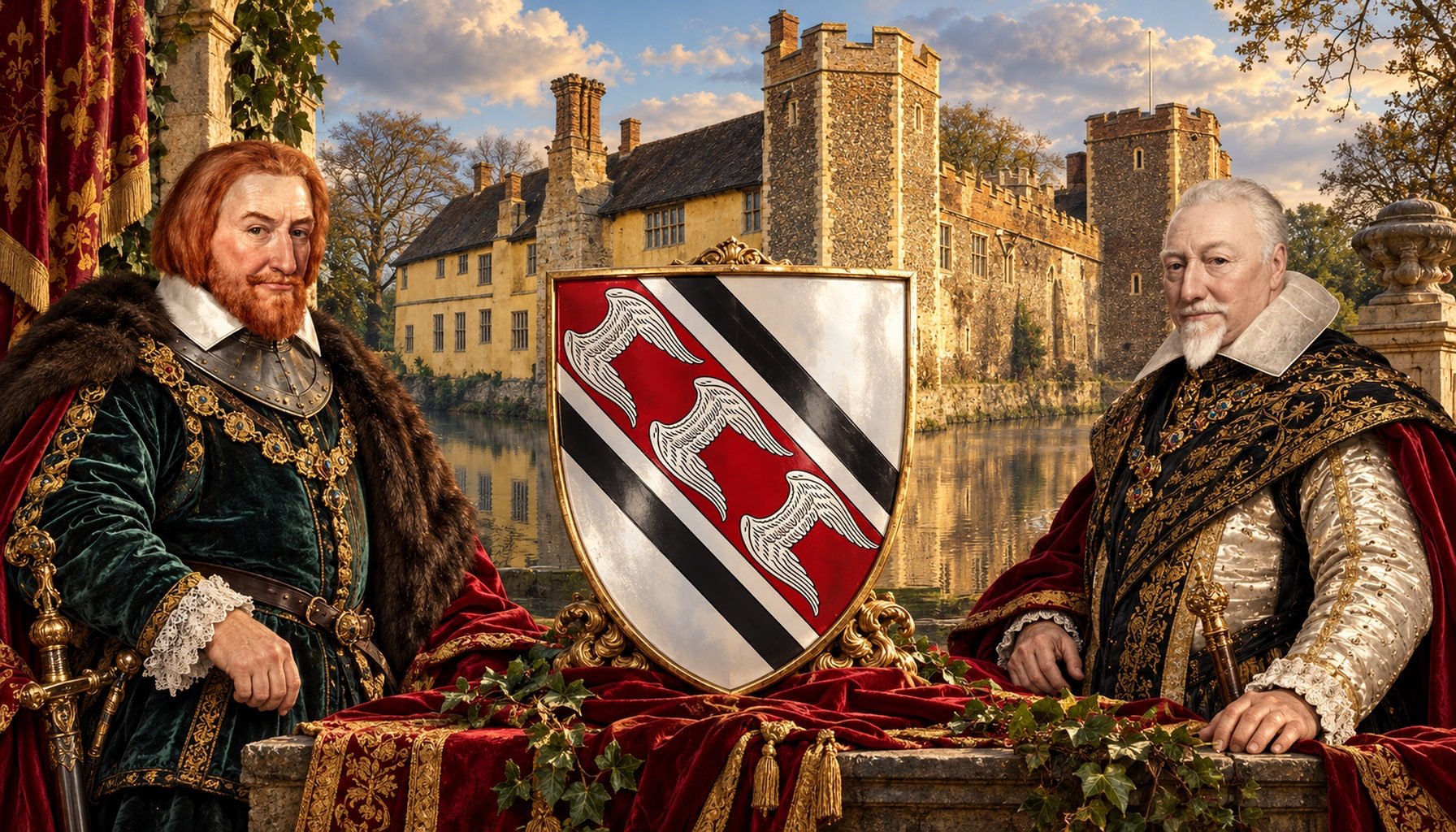
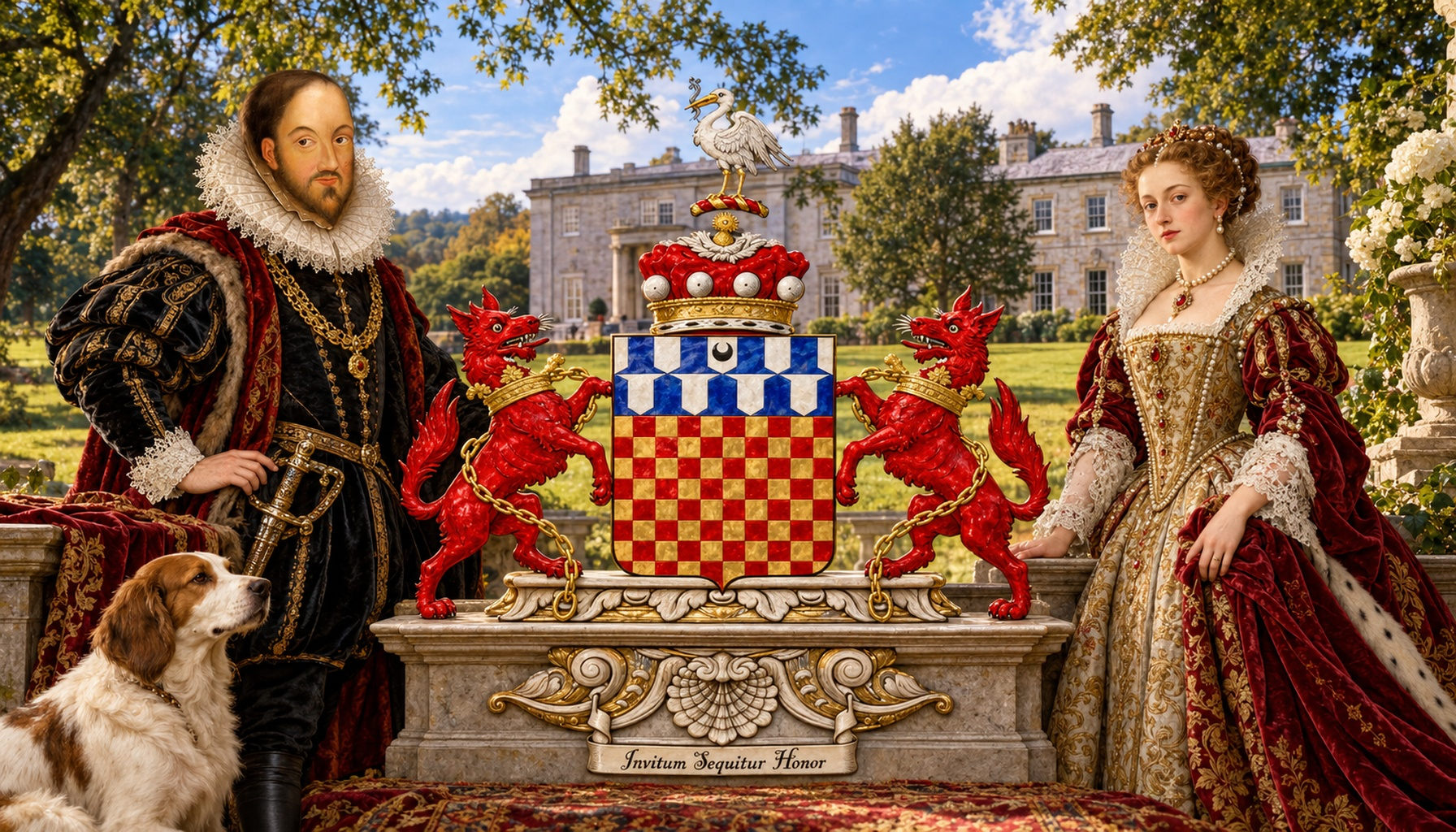
Clan Paisley is best understood not as a princely house wrapped in court glitter, but as a Scottish place-name family rooted in the Lowlands and tied to the town of Paisley in Renfrewshire. The surname belongs to that very old and very Scottish pattern in which people became known by the place they came from, lived in, served, or held land near. In that sense, Paisley heritage is about local belonging, surname continuity, trade, public service, and the stubborn durability of family memory across generations. For those tracing paternal lines, the primary family haplogroup associated here is R1b1a1b1a1a1g, within the wider R1b branch so often seen across western Europe.
The name appears early in record, with William Passelewe noted in 1190, showing one of the many medieval spellings that often sat somewhere between sound and scribal habit. That matters because surnames in medieval Scotland were not yet fixed things; they shifted, settled, and slowly hardened into inherited family names. Paisley, then, is a fine example of Lowland historical development: a family identity formed from landscape and community rather than from claims of ancient royal blood. It is the story of people anchored to a place, shaped by burgh life, church influence, landholding patterns, and the practical business of living in medieval and later Scotland.
The great location anchor for this family tradition is Paisley Abbey, one of the most important historic sites in the west of Scotland. Founded in the 12th century as a Cluniac priory and later raised to abbey status, it became a religious, political, and cultural center for the district. The abbey is closely connected with the medieval growth of Paisley itself, and over centuries it accumulated burials, patronage, architectural additions, and all the layered clutter of real history. It is also associated with the Stewart family, including Marjorie Bruce, daughter of Robert the Bruce, whose memory lingers there. The building seen today is the product of many phases, including restoration after periods of damage and decline following the Reformation. In other words, it is not a frozen medieval relic, but a living monument to continuity, reuse, and remembrance - rather like the surname Paisley itself. Yes, it can still be visited, and for anyone interested in the family name, it offers the most tangible possible encounter with the place from which that identity emerged.
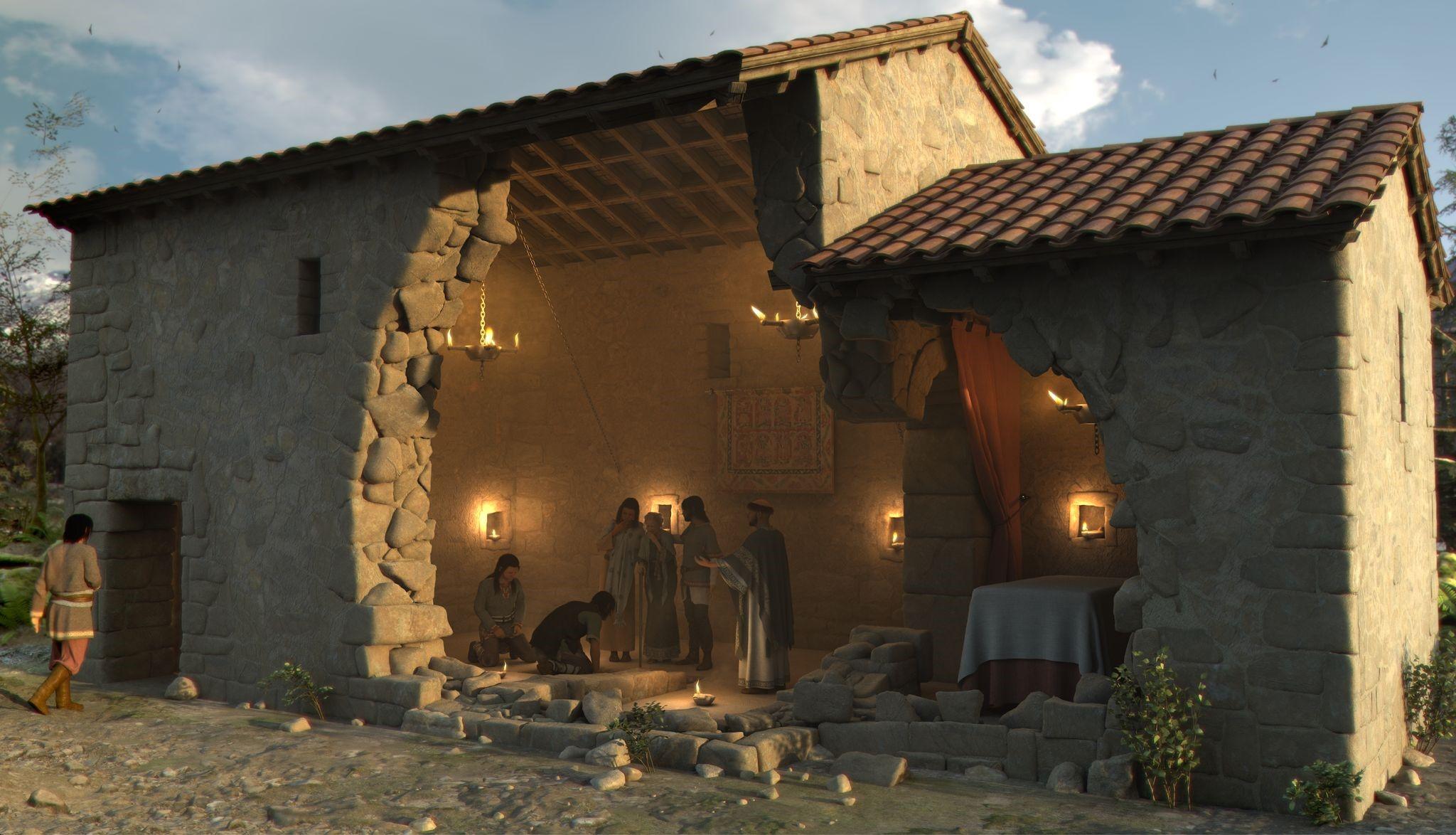
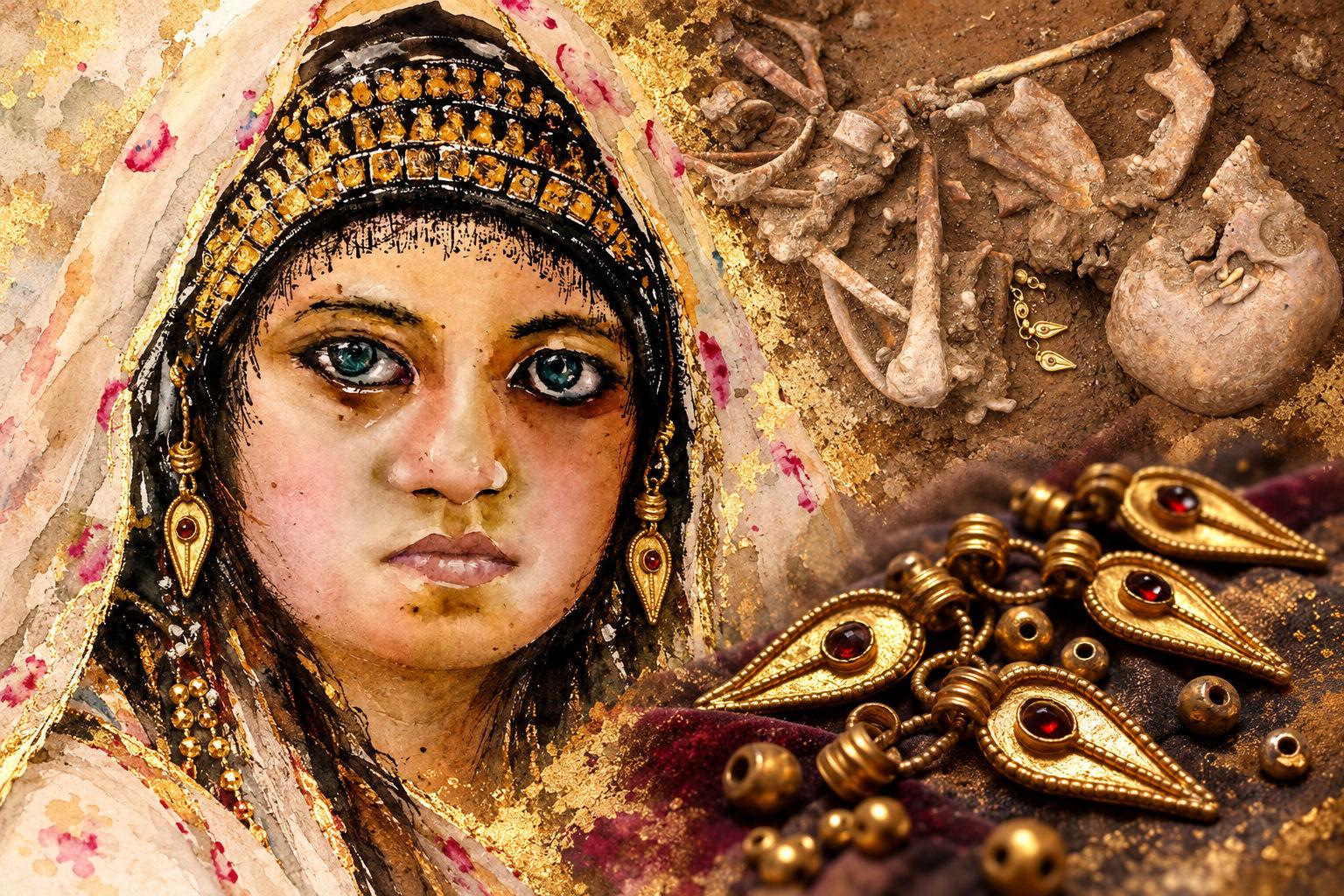
From the ancient DNA angle, the Paisley-associated haplogroup R1b1a1b1a1a1g sits within a remarkably wide historical landscape. Related or linked samples appear in Iron Age and later contexts across Britain and Europe, including the Elite Celtic Burial at Magdalenenberg, Germany (MBG013), the elite Celtic Hochdorf burials (HOC001, HOC001b, HOC001c), Roman Era England at Eddington in Cambridgeshire (NWC009), Roman high-status Arbury Wooden Coffin (ARB003), Duxford (DUX003), several Celtic Durotriges burials from Winterborne Kingston (WBK106, WBK17, WBK192, WBK10), Pict-era Scotland at Rosemarkie Cave (KD001 and related individuals), and early medieval Pict-era Lundin Links (LUN004 group). There are also linked examples stretching farther afield into medieval Iberia, Lombard Italy, Bronze Age France, Bohemia, Denmark, and beyond. None of this proves direct descent from any one excavated individual, of course. What it does show is that the broader paternal line connected with this haplogroup belonged to the deep and tangled human story that fed into later British and Scottish populations: Celtic elites, Roman provincial communities, post-Roman Britons, Pict-era northern Britain, and medieval Europeans all appear in that wider network.
Read more about Clan Cunningham
If you carry the Paisley surname, or suspect Paisley roots somewhere in your Scottish line, this is exactly the sort of family story worth testing against both documents and DNA. Upload your results to MyTrueAncestry and see whether your profile shows links to Clan Paisley, to its primary haplogroup R1b1a1b1a1a1g, or to related ancient samples from Britain and the wider European past.
Comments